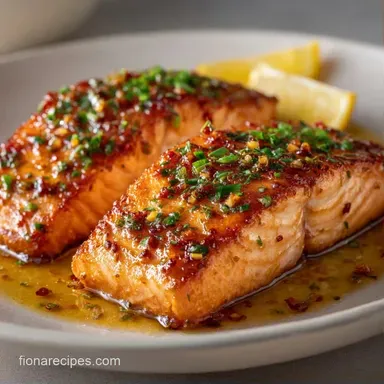
Quick Salmon for Two: Flaky and Tender
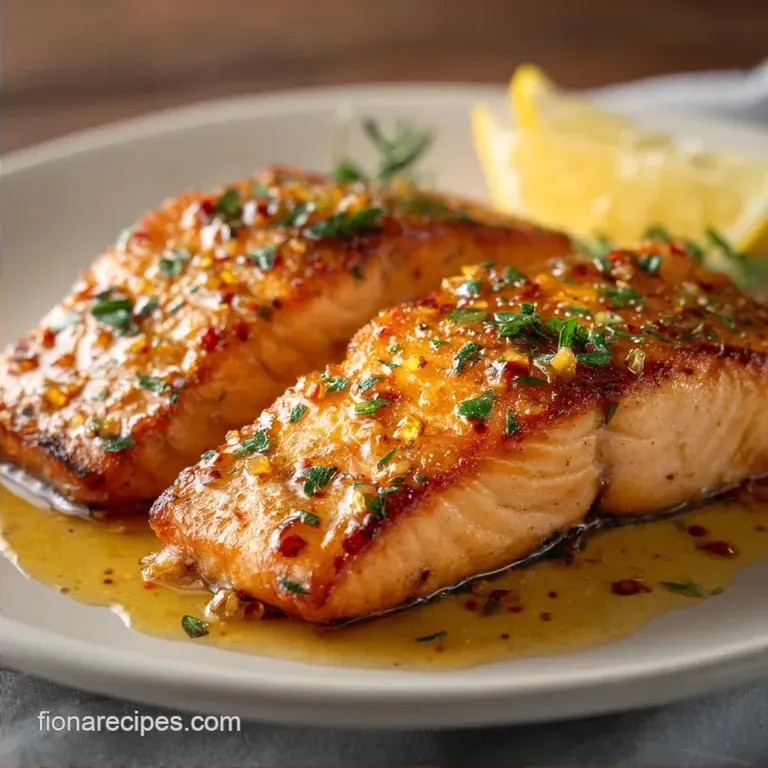
- Time: 5 min active + 12 min cooking
- Flavor/Texture Hook: Flaky, tender fish with a sticky citrus glaze
- Perfect for: Fast weeknight dinners, beginner cooks, or healthy date nights
- The Best Way to Make Quick Salmon
- What Actually Makes It Flaky
- Component Analysis
- Your Shopping List
- Tools You Will Need
- How to Cook It
- Avoiding Common Mistakes
- Troubleshooting Common Issues
- Different Flavor Ideas
- Adjusting the Portion Size
- Truth About Fish Cooking
- Storing Your Leftovers
- Serving and Pairings
- Recipe FAQs
- 📝 Recipe Card
The smell of lemon and garlic hitting a hot oven is one of my favorite scents. It's that immediate signal that dinner is actually happening, even if I only started thinking about it twenty minutes ago. I remember one Tuesday where I came home late, the kids were starving, and I had zero energy for a complex cleanup.
I just wanted something that felt like a real meal without the stress of a frying pan splattering oil all over my stove.
That's when I started relying on this method. It's a straight shot from the fridge to the oven. You don't have to baby it or flip it constantly. The result is always a piece of fish that flakes apart with a fork, topped with a glaze that's just the right balance of sweet and zingy.
If you're looking for a Quick Salmon recipe that doesn't require a bunch of fancy equipment, you're in the right place. We're keeping this simple, using a few basic pantry staples to get a result that tastes like you spent way more time on it than you actually did.
The Best Way to Make Quick Salmon
What I love about this approach is how it removes the guesswork. Most people are terrified of overcooking fish, but by using a consistent high temperature and a short window, we avoid that dry, chalky texture. This Quick Salmon stays juicy because we aren't simmering it in a pan for ages.
The real magic happens in the last few minutes. Instead of cooking the glaze into the fish, which can lead to the honey burning or the lemon tasting bitter, we brush it on at the end. This keeps the flavors bright and the fish tender. It's a simple tweak that makes a huge difference in the final taste.
Whether you're making this as a Quick Salmon for Two or scaling it up for a family, the logic stays the same. Get the oven hot, keep the fish dry, and don't overthink the timing. It's honest, real food that fits into a hectic schedule.
What Actually Makes It Flaky
I've always been curious about why some salmon comes out like rubber while others just melt. It mostly comes down to how we handle the moisture and the heat. Here is the breakdown of what's happening in your oven.
Surface Dryness: Water on the skin or flesh creates steam, which prevents browning and makes the fish mushy. Patting it bone dry ensures the heat hits the protein directly.
Over High heat Searing: 400°F (200°C) cooks the outside quickly. This creates a slight crust that helps hold the internal juices in place.
The Rest Phase: Like a steak, salmon needs to sit for a few minutes. This lets the muscle fibers relax and the juices redistribute, so the moisture doesn't just run out the moment you cut into it.
Sugar Caramelization: Adding honey at the end provides a sticky coating without risking a burnt crust. The residual heat from the fish is enough to set the glaze.
| Method | Time | Texture | Best For |
|---|---|---|---|
| Fast Bake (This) | 12 mins | Flaky & Moist | Weeknights |
| Slow Roast | 25 mins | Very Soft | Large fillets |
| Pan Sear | 8 mins | Crispy Skin | Gourmet feel |
| Poaching | 15 mins | Velvety | Salads |
Component Analysis
Understanding your ingredients helps you make better choices at the store. For this Quick Salmon, we aren't using a long list of items, but each one has a specific job to do.
| Ingredient | Science Role | Pro Secret |
|---|---|---|
| Salmon Fillets | Main Protein | Choose wild caught for a deeper flavor |
| Honey | Viscosity | Use a runny honey for easier brushing |
| Lemon Juice | Acid Balance | Fresh is always better than bottled |
| Dried Dill | Herbal Note | Rub it between your palms to wake up the oils |
Your Shopping List
When you're grabbing things for this Quick Salmon dinner, keep it simple. You don't need the most expensive organic labels, just fresh ingredients.
- 2 salmon fillets (6 oz / 170g each) Why this? Perfect individual portion size for 12 min cook.
- 1 tbsp (14g) olive oil Why this? High smoke point and neutral flavor.
- 1/2 tsp (3g) kosher salt Why this? Coarser grains provide more even seasoning.
- 1/4 tsp (1g) black pepper Why this? Adds a subtle heat to balance the honey.
- 1 tbsp (15ml) lemon juice Why this? Cuts through the fatty richness of the fish.
- 1 tsp (5ml) honey Why this? Creates the sticky glaze texture.
- 1 clove (3g) garlic, minced Why this? Provides a savory, aromatic base.
- 1 tsp (2g) dried dill Why this? Classic pairing that brightens the dish.
If you can't find everything, don't sweat it. You can swap the olive oil for avocado oil or use maple syrup instead of honey. Just keep in mind that maple syrup has a stronger flavor that might compete with the dill.
| Original Ingredient | Substitute | Why It Works |
|---|---|---|
| Honey (1 tsp) | Maple Syrup (1 tsp) | Similar sweetness. Note: Adds a woodsy flavor |
| Dried Dill (1 tsp) | Fresh Parsley (1 tbsp) | Fresh herb profile. Note: Less punchy than dill |
| Olive Oil (1 tbsp) | Melted Butter (1 tbsp) | Adds richness. Note: Browns faster in the oven |
| Lemon Juice (1 tbsp) | Lime Juice (1 tbsp) | Similar acidity. Note: Gives a tropical twist |
Tools You Will Need
You don't need a professional kitchen to make this Quick Salmon. In fact, the fewer tools you use, the easier the cleanup is. I usually just use a basic baking sheet and a small bowl for the glaze.
A piece of parchment paper is your best friend here. It stops the fish from sticking to the pan, which means you don't have to scrub the tray for ten minutes afterward. If you don't have parchment, a silicone mat works just as well.
For the glaze, a simple whisk or even a fork will do. I use a small silicone brush to apply the honey mixture, but a spoon works fine too. Just make sure you're not using a heavy pan that takes forever to heat up, as we want the oven to stay at a steady 400°F (200°C).
How to Cook It
Follow these steps for a consistent result. The key is to keep an eye on the clock and look for the visual cues.
- Pat the salmon fillets bone dry with paper towels. Note: This is the only way to avoid steaming the fish.
- Rub both sides with olive oil, and season evenly with salt and pepper.
- Preheat oven to 400°F (200°C) and line a baking sheet with parchment paper.
- Place fillets skin side down on the sheet.
- Bake for 10–12 minutes until edges are opaque pink and the top is slightly golden.
- While salmon bakes, whisk together lemon juice, honey, minced garlic, and dried dill in a small bowl.
- Remove salmon from oven.
- Brush the glaze over the top of each fillet.
- Let the fish rest for 3–5 minutes until the juices settle.
Chef's Note: If your fillets are very thick (over 1 inch), you might need an extra 2 minutes. Use a fork to gently press the thickest part; if it flakes easily, it's done.
Avoiding Common Mistakes
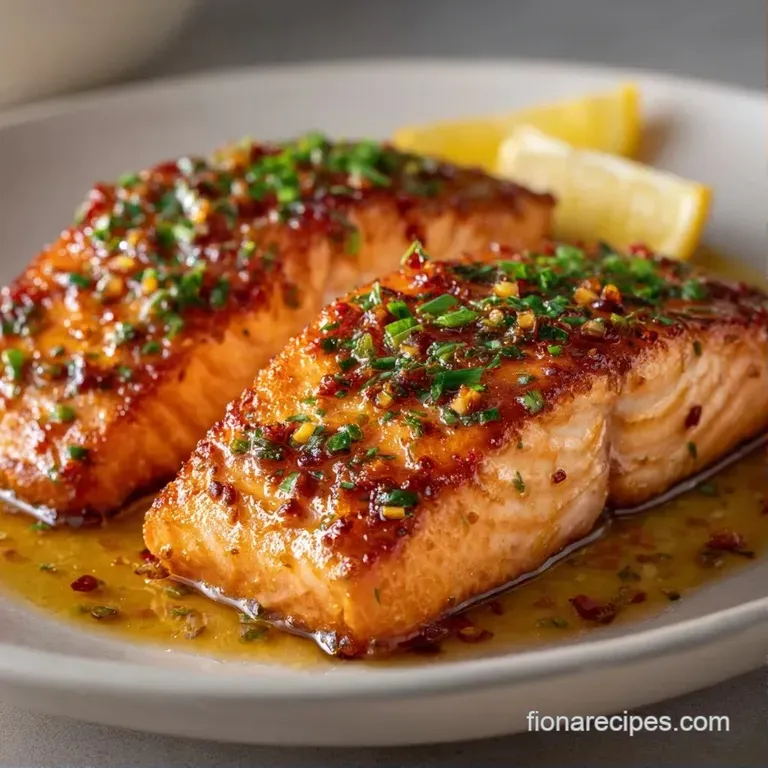
Even with a recipe as simple as this Quick Salmon, things can go sideways if you aren't careful. Most issues come from temperature or moisture.
Troubleshooting Common Issues
| Issue | Solution |
|---|---|
| Why Your Salmon Stuck | This usually happens if the pan wasn't oiled or you skipped the parchment paper. Salmon skin is naturally sticky when it hits heat. If it sticks, don't rip it off. |
| Why You See White Gunk | That white stuff is called albumin. It's just protein pushing out of the muscle fibers. |
| Why It's Overcooked | If the fish feels firm like a rubber eraser, it's overdone. This happens if your oven runs hot or you leave it in too long. |
Mistakes Checklist:
- ✓ Fillets are patted completely dry
- ✓ Oven is fully preheated to 400°F (200°C)
- ✓ Parchment paper is used to prevent sticking
- ✓ Fish is rested for at least 3 minutes
- ✓ Glaze is added after baking, not before
Different Flavor Ideas
Once you've nailed the basic Quick Salmon, you can start playing with the glaze. The honey lemon combo is a classic, but you can easily pivot based on what's in your fridge. For a savory twist, try swapping the honey for a tablespoon of soy sauce and adding a pinch of ginger. It gives it a great umami depth.
If you're feeling something a bit more bold, a dollop of pesto brushed on at the end is a winner. It's rich, garlicky, and pairs perfectly with the fish. For those following a low carb lifestyle, you can replace the honey with a touch of stevia or just omit the sweetener entirely and add more lemon zest for a punchy, citrusy finish.
Since this is such a light meal, you might want to pair it with something hearty. If you're looking for other quick seafood options for your weekly rotation, a Classic Tuna Melt is a great way to keep the "fast fish" theme going for lunch.
Adjusting the Portion Size
Scaling this Quick Salmon is pretty straightforward, but you can't just multiply everything and hope for the best. The oven space and heat distribution change when you add more fish.
Cooking for One If you're only making one fillet, reduce the bake time by about 1–2 minutes. A single piece of fish doesn't absorb as much heat from the surrounding air as two or four pieces do, but it also doesn't "shield" other fillets. Check it at the 10 minute mark.
Cooking for Four When doubling the recipe, use a larger baking sheet. Do not crowd the fillets. If they are touching, they will steam instead of roast, and you'll lose that golden top.
You might need to extend the cooking time by 2–3 minutes because the extra cold mass of the fish will drop the oven temperature slightly.
Baking Larger Fillets If you have one giant piece of salmon instead of individual fillets, lower the oven temp to 375°F (190°C) and increase the time to 15–20 minutes.
This prevents the outside from burning before the middle is cooked through.
Truth About Fish Cooking
There are a few things people tell you about cooking fish that just aren't true. I've spent enough time in the kitchen to realize some of these are just myths.
The biggest one is that searing fish "seals in the juices." It doesn't. Whether you sear it or bake it, moisture is lost as the proteins contract. The sear is for flavor and texture, not for moisture retention.
Another myth is that you must bring salmon to room temperature before cooking. While this can help with extremely thick steaks, for a 6 oz fillet used in this Quick Salmon recipe, it's not necessary. In fact, keeping the fish cold can actually help prevent the outside from overcooking before the inside is done.
Storing Your Leftovers
If you have any Quick Salmon left over, store it in an airtight container in the fridge for up to 2 days. Be careful not to overcook it if you know you'll be eating it the next day, as reheating will cook it further.
For the best results, don't microwave the leftovers. Microwaves tend to make salmon rubbery and smell very strong. Instead, pop the fillet in a toaster oven or a pan over low heat for 2–3 minutes just to take the chill off.
To avoid waste, save your lemon rinds. You can toss them into a jar of white vinegar for a few weeks to make a natural all purpose cleaner. Also, if you have leftover glaze, it works surprisingly well as a marinade for shrimp or tofu.
Serving and Pairings
This Quick Salmon is a blank canvas. Because the glaze is sweet and tangy, it pairs well with things that are earthy or fresh. I usually serve mine with steamed asparagus or a simple arugula salad with a vinaigrette.
If you want something more filling, a scoop of quinoa or some roasted baby potatoes is the way to go. For a more "restaurant" feel, place the fillet on a bed of sautéed spinach. The richness of the fish and the bitterness of the greens are a match made in heaven.
And since you've kept the main course so light and healthy, you can afford a little treat for dessert. I highly recommend whipping up some Cottage Cheese Cookie Dough for a sweet finish that doesn't take much effort.
Whether you're making this as a Salmon for Two or a family feast, the goal is to keep it stress free. This Quick Salmon is all about getting a high-quality result with minimal fuss. Just remember to pat the fish dry, watch your timer, and let it rest.
Right then, you've got a dinner that looks and tastes professional but only took a few minutes of actual work. Enjoy!
Recipe FAQs
Is this a good easy dinner recipe for two people?
Yes, it is designed specifically for two. With only 5 minutes of prep and a 12-minute bake, it is a fast, low-stress meal for a couple.
How to cook quick salmon for two in the oven?
Preheat your oven to 400°F (200°C) and line a baking sheet with parchment paper. Pat fillets dry, rub with olive oil, season with salt and pepper, and bake skin-side down for 10–12 minutes.
Can I use mayonnaise for this quick salmon recipe?
No, this recipe uses olive oil. Substituting with mayonnaise would significantly alter the flavor profile and how the fillets roast in the oven.
Is this salmon recipe healthy for two people?
Yes, it is a nutrient-dense option. It utilizes heart-healthy olive oil and fresh lemon juice rather than heavy creams or processed fats.
What sides pair best with this quick salmon?
Steamed asparagus, quinoa, or a fresh green salad work well. For a heartier meal, pair the fillets with some homemade biscuits.
Is the white stuff that appears on the salmon a sign that it is spoiled?
No, this is a common misconception. That white substance is called albumin, which is simply a natural protein pushing out of the muscle fibers as the fish cooks.
How to store and reheat leftover salmon?
Store in an airtight container in the fridge for up to 2 days. Reheat the fillet in a toaster oven or pan over low heat for 2–3 minutes to prevent it from becoming rubbery.
Quick Salmon for 2 Servings