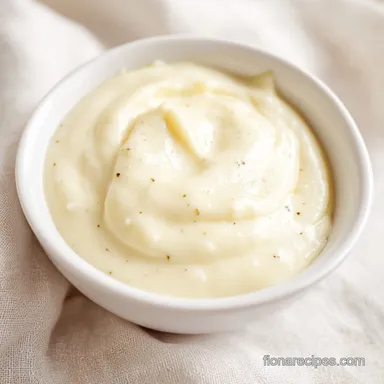
White Pizza Sauce: Creamy and Garlic Forward
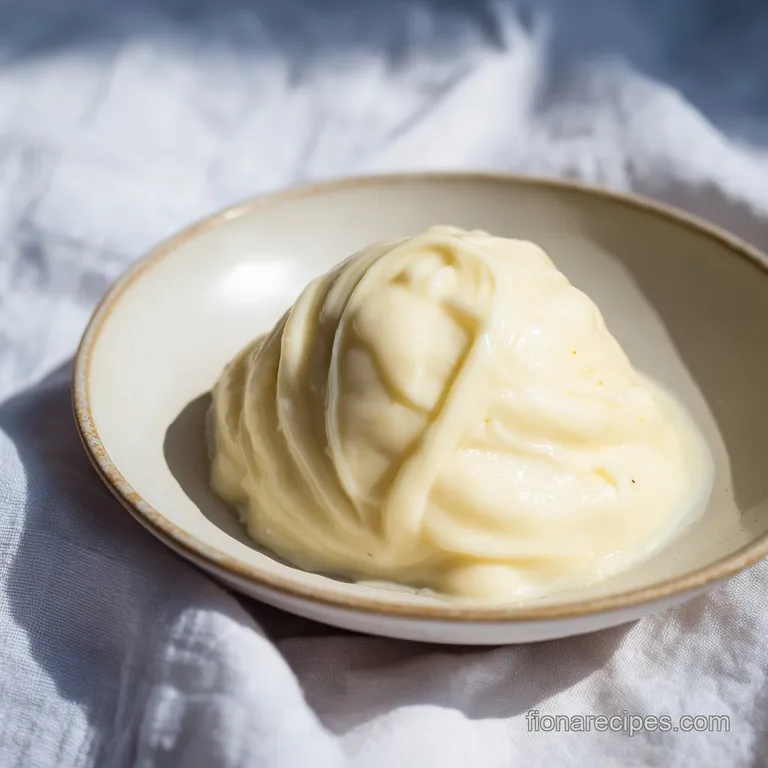
- Time: 10 min active + 10 min cook = Total 20 mins
- Flavor/Texture Hook: Velvety, garlic forward, and nutty
- Perfect for: Family pizza nights, game day snacks, or a quick weeknight treat
The Best Easy White Pizza Sauce
That specific sound of garlic hitting hot butter - that sharp, fragrant sizzle - is the official starting gun for Friday night in my house. For years, we tried the "shortcut" method of just dolloping ricotta or heavy cream on the dough, but it always ended in a soggy mess.
I remember one particular night where the center of the pizza was basically a soup of melted cheese and cream. My kids weren't complaining, but as a cook, it drove me crazy.
I wanted something that had the richness of a béchamel but the punch of a garlic dip. After playing around with the ratios, I found that a light roux is the only way to go. It creates a stable barrier that keeps the sauce sitting on top of the crust rather than diving into the dough.
This White Pizza Sauce is exactly that: a reliable, velvety base that lets your toppings shine. Whether you're loading it with spinach and feta or keeping it simple with mozzarella, this recipe gives you that professional, consistent layer every single time.
Trust me, once you move past the "just cheese" phase, there's no going back.
Why This Texture Works
You might wonder why we don't just boil some cream and call it a day. The secret is in how the ingredients bond together to create a stable emulsion that can withstand the high heat of a pizza oven.
The Flour Shield: By cooking flour in butter first, we create a roux. According to Serious Eats, this process coats the starch granules in fat, which prevents them from clumping when the liquid hits.
Fat Stability: Using half and half instead of whole milk provides a higher fat content. This makes the sauce more resistant to "breaking" or splitting when it bubbles under the broiler.
Cheese Integration: Adding the Parmesan at the very end, off the heat, ensures the cheese melts into the sauce rather than seizing into oily clumps.
Garlic Infusion: Sautéing the garlic in butter first releases the fat soluble flavors, ensuring every single bite of the sauce has that aromatic punch.
| Method | Prep Time | Texture | Best For |
|---|---|---|---|
| Fresh Roux (This Recipe) | 20 mins | Velvety & Stable | over High heat baking |
| Ricotta Base | 5 mins | Grainy & Thick | Low temp roasting |
| Cream Reduction | 15 mins | Heavy & Rich | Small gourmet pizzas |
Component Analysis
Before we dive into the pots and pans, let's look at what each part of this White Pizza Sauce is actually doing. It's not just about taste, it's about structure.
| Ingredient | Science Role | Pro Secret |
|---|---|---|
| Unsalted Butter | Fat Base | Use unsalted to control the salt levels of the Parmesan |
| All Purpose Flour | Thickener | Cook until "nutty" to remove the raw flour taste |
| Half and Half | Liquid Body | Provides a balance between milk's thinness and cream's heaviness |
| Parmesan | Flavor & Binder | Freshly grated melts way smoother than the canned stuff |
The Essential Components
Right then, let's get the gear ready. I've kept this list short because we want a weeknight win, not a shopping spree.
- 2 tbsp unsalted butter Why this? Creates the fat base for the roux.
- 2 tbsp all purpose flour Why this? Essential for the thickening structure.
- 3 cloves garlic, minced Why this? Provides the primary aromatic punch.
- 1 cup half and half Why this? According to USDA FoodData, it offers the perfect fat to water ratio for stability.
- 1/2 cup freshly grated Parmesan cheese Why this? Adds a sharp, salty depth.
- 1/4 tsp kosher salt Why this? Enhances all other flavors.
- 1/8 tsp freshly ground black pepper Why this? Adds a subtle warmth.
Ingredient Swaps
Sometimes the fridge is bare, or you've got specific dietary needs. Here is how to pivot without ruining the sauce.
| Original Ingredient | Substitute | Why It Works |
|---|---|---|
| Half and Half (1 cup) | Whole Milk (1 cup) + 1 tbsp Butter | Similar fat content. Note: Sauce will be slightly thinner |
| Parmesan (1/2 cup) | Pecorino Romano (1/2 cup) | Similar salty profile. Note: Much sharper, tangier taste |
| All Purpose Flour | Cornstarch (1 tbsp) | Strong thickener. Note: Mix with cold liquid first to avoid lumps |
Don't even bother with the low-fat versions of these ingredients. The fat is what carries the garlic flavor and keeps the texture silky. If you strip the fat, you end up with a gluey paste that doesn't taste like anything.
Step by step Flow
Let's crack on. This process is fast, but you can't walk away from the stove. If you let the garlic brown, the whole sauce will taste bitter, so stay focused for these 20 minutes.
- Melt the butter over medium heat in a small saucepan. Note: Use a heavy bottomed pan to prevent hot spots.
- Add the minced garlic and sauté for about 1 minute until fragrant and translucent, ensuring it does not brown.
- Whisk in the flour and cook for 1-2 minutes until the mixture forms a bubbling paste and smells slightly nutty.
- Slowly pour in the half and half while whisking constantly. Note: Adding it slowly prevents flour clumps.
- Simmer on medium low heat for 3-5 minutes until the sauce thickens enough to coat the back of a spoon.
- Remove the pan from the heat immediately. Note: Overcooking at this stage can make the sauce too thick.
- Stir in the Parmesan cheese, salt, and pepper.
- Whisk for 30 seconds until the cheese is completely melted and the texture is velvety.
Chef's Note: If you see a few tiny lumps after adding the milk, don't panic. Just keep whisking vigorously for another minute, or use a handheld immersion blender for a few seconds to smooth it out.
Solving Sauce Issues
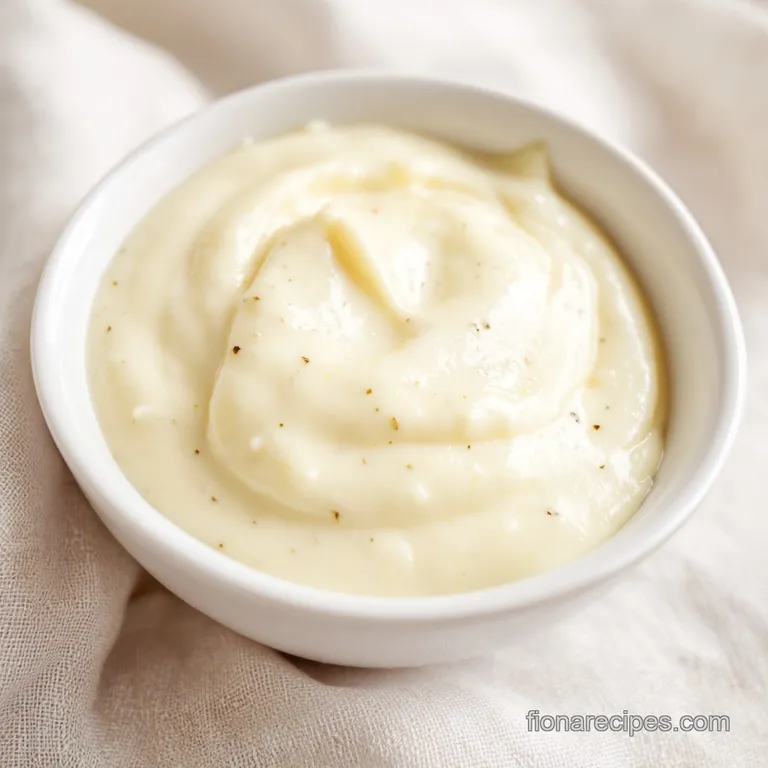
Even the best of us have "sauce fails." Usually, it comes down to temperature or timing. If your White Pizza Sauce isn't behaving, it's almost always one of these three things.
Troubleshooting Common Issues
| Issue | Solution |
|---|---|
| Sauce lumpy | Lumps happen when the flour isn't fully integrated with the fat or the liquid is added too quickly. This creates "flour balls" that cook on the outside but stay raw on the inside. |
| Why is the sauce too thick | If you simmered the sauce for too long or used too much flour, it can turn into a paste. This often happens if the heat was too high during the simmering phase. |
| Why did the sauce separate | This is usually caused by overheating the cheese. If you add Parmesan to a boiling liquid, the proteins can clump and the fats can separate, leaving you with an oily film. |
Mistakes to Avoid:
- ✓ Don't use pre shredded cheese; it's coated in potato starch which prevents a smooth melt.
- ✓ Don't skip the "back of the spoon" test; it's the only way to know if the roux has set.
- ✓ Don't brown the garlic; translucent is the goal, not golden.
- ✓ Don't stop whisking until the liquid is fully incorporated.
- ✓ Don't boil the sauce after the cheese is added.
Customizing Your Flavor
Once you've nailed the basic White Pizza Sauce, you can start treating it like a canvas. I love changing the profile based on what's in the crisper drawer.
If you want a "White Pizza Sauce with Ricotta" style, simply fold in two tablespoons of whole milk ricotta at the very end. This adds a slight tang and a fluffier texture that feels a bit more like a traditional Italian pie.
For those who like a bit of heat, a pinch of red pepper flakes added with the garlic makes a world of difference.
You can also try a herb infused version. Stir in some fresh thyme or chopped rosemary right before you add the cheese. This works particularly well if you're topping the pizza with mushrooms and caramelized onions. Honestly, this sauce is so versatile that I've started using it as a topping for my homemade biscuits during breakfast.
Decision Shortcut
- If you want more tang: Add a squeeze of lemon juice or extra Pecorino.
- If you want more depth: Add a pinch of nutmeg (this is a classic béchamel secret).
- If you want more "bite": Increase the garlic to 5 cloves and add cracked black pepper.
Saving Your Sauce
Since this is a small batch recipe, you might have a bit left over. It's too good to toss, but cream sauces can be finicky when stored.
Storage Guidelines Keep the sauce in an airtight glass jar in the fridge for up to 4 days. Because of the dairy, it won't last forever, so keep an eye on the scent. When you're ready to use it again, it will have thickened significantly in the cold.
Reheating Tips Do not microwave the sauce on high, as this can cause the fats to split. Instead, place it in a small pan over low heat and whisk in a teaspoon of milk. This loosens the structure and restores that velvety feel without breaking the emulsion.
Freezing Advice I generally don't recommend freezing this specific recipe. The half and half and Parmesan can separate during the freeze thaw cycle, leaving you with a grainy texture. If you must freeze it, do so for no more than 2 weeks and reheat very slowly.
Zero Waste Tip If you have a tiny bit of sauce left that isn't enough for a pizza, use it as a dip for leftover crusts or stir it into some steamed broccoli for a quick side dish.
Serving and Pairing Ideas
The beauty of this sauce is that it doesn't fight with your toppings. It provides a rich, neutral backdrop that makes everything else pop.
For a classic family dinner, I highly recommend using my homemade pizza dough for the base. Spread the sauce in a thin, even layer, leaving about half an inch for the crust. Overload it with mozzarella, sliced garlic, and fresh spinach. The bitterness of the spinach cuts through the richness of the cream perfectly.
Another killer combination is a "White BBQ" style pizza. Add a touch of apple cider vinegar to the sauce, then top with grilled chicken, red onions, and cilantro. It's a total crowd pleaser for game days.
The Best Topping Combinations
- The Forest: Sautéed mushrooms, thyme, and fontina cheese.
- The Mediterranean: Artichoke hearts, sun dried tomatoes, and feta.
- The Simpleton: Extra garlic, oregano, and a double layer of mozzarella.
Crust Pairings
- Thin & Crispy: Use a high temp baking stone to ensure the sauce doesn't soak in.
- Deep Dish: This sauce is thick enough to handle a deep pan without becoming watery.
- Cauliflower Crust: The creaminess of the sauce masks the "veggie" taste of the crust, making it kid approved.
Common Sauce Misconceptions
There are a few things people tell you about white sauces that just aren't true. Let's set the record straight.
First, some say you have to use a whisk to avoid lumps. While a whisk is helpful, the real secret is the temperature. If your liquid is room temperature and your roux is hot, you'll get lumps regardless of the tool. The key is adding the liquid gradually.
Second, there's a myth that you need to cook the sauce for a long time to "develop flavor." With a white sauce, the opposite is true. Overcooking destroys the delicate nature of the dairy and can make the sauce taste like burnt milk. Twenty minutes is all you need to get a rich, velvety result.
Recipe FAQs
What is white pizza sauce made of?
Butter, flour, garlic, half and-half, and Parmesan cheese. These ingredients create a rich, velvety base seasoned with salt and pepper.
What is the white sauce that comes with pizza?
It is a garlic parmesan cream sauce. This variety uses a roux of butter and flour instead of a tomato base to provide a creamy, savory profile.
Is it true that white pizza sauce is just Alfredo sauce?
No, this is a common misconception. While both rely on butter, half and-half, and Parmesan, pizza sauce is typically thickened more to prevent the crust from becoming soggy.
Is pizza good for potassium?
Generally, no. While Parmesan cheese and flour provide minimal amounts, white pizza lacks the potassium rich vegetables or tomato base found in other varieties.
Why is my white pizza sauce lumpy?
The liquid was added too quickly. Lumps form when flour isn't fully integrated with the fat. If you enjoyed mastering this thickening technique here, see how the same principle works in our biscuits and gravy.
How to prevent the sauce from separating?
Remove the pan from the heat before stirring in the cheese. Overheating Parmesan causes the proteins to clump and the fats to separate.
Why did my sauce become too thick?
The sauce was simmered too long or too much flour was used. This creates a paste like consistency, often caused by heat that is too high during the simmering phase.
Creamy White Pizza Sauce