Boiled Fresh Corn on the Cob in 15 Minutes
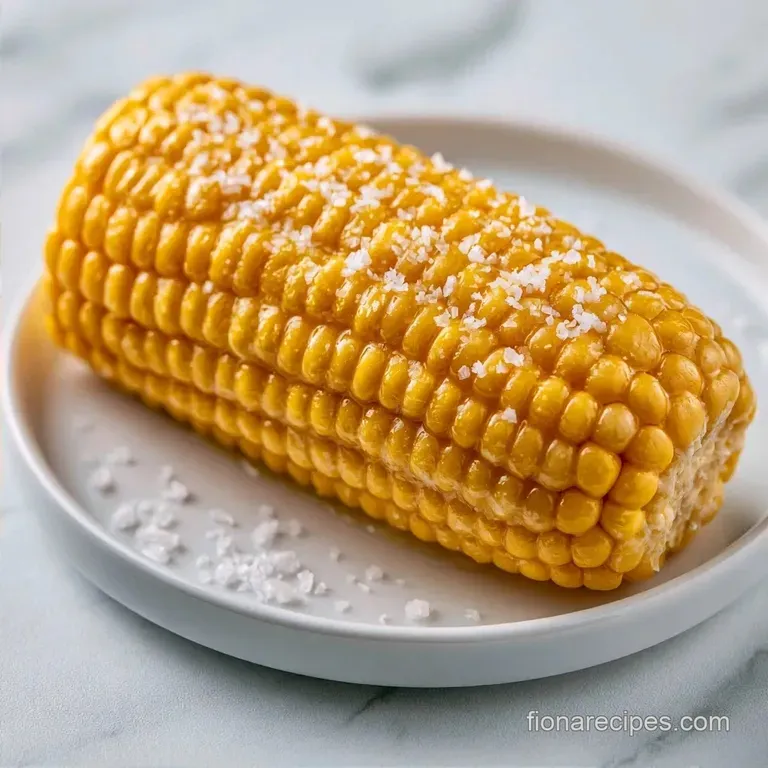
- Duration: 10 minutes prep + 5 minutes boiling
- The Result: Juicy kernels with a crisp bite
- Perfect for: Fast weeknight meals
That sudden burst of steam is a classic hallmark of any summer BBQ. However, there is nothing more disappointing than biting into a kernel and finding it chewy instead of succulent.
For years, I treated corn like a root vegetable, boiling it for ten or fifteen minutes because I assumed a longer simmer meant a better result.
In reality, that only shriveled the kernels and stripped away the natural sugars. The secret is actually doing far less.
A few short minutes are all it takes to achieve a vibrant, snappy finish. This approach to Boiled Fresh Corn On the Cob preserves the sweetness and maintains a light consistency. It is a straightforward side dish that requires nothing more than a large pot and a timer.
Boiled Fresh Corn On the Cob Tips
Here is why this method is so effective. A common error is starting the timer the moment the corn enters the pot; however, adding cold corn causes the water temperature to plummet, meaning those first few minutes aren't spent at a true boil.
The Return to Boil: Waiting for the water to bubble again before starting your timer ensures the corn cooks for exactly five minutes, which prevents the starches from breaking down too much.
Short Cook Time: A brief boil protects the natural sugars. Overcooking converts these sugars into starch, which is why the traditional long boil method often results in bland corn.
Why These Steps Work
The goal here is to heat the corn through without popping the cell walls of the kernels. If you boil them too long, the water forces its way in and pushes the flavor out.
By using a over high heat rolling boil and a strict five minute limit, the outside sets quickly while the inside stays plump. It's a fast process that respects the ingredient.
Picking Your Ingredients
You don't need a long list here, but a couple of small additions to the water make a big difference. Sugar doesn't just add sweetness, it helps the corn retain its color. Lemon juice provides a tiny bit of acidity that cuts through the richness of the butter you'll add later.
Salt is essential in the water to pull out the natural flavors, but don't overdo it, or you'll end up with corn that tastes like seawater.
Tools You'll Need
Keep it straightforward. You only need a handful of basic tools to get the job done.
- Extra Large Stockpot: Ensure there is enough space for the corn to float freely without being crowded.
- Kitchen Tongs: These are vital for safely lowering the corn into the water and lifting it out.
- Chef's Knife: Use this to trim the ends if your pot is slightly too small.
- Digital Timer: Five minutes is the precise window required, so avoid guessing.
Cooking Your Corn
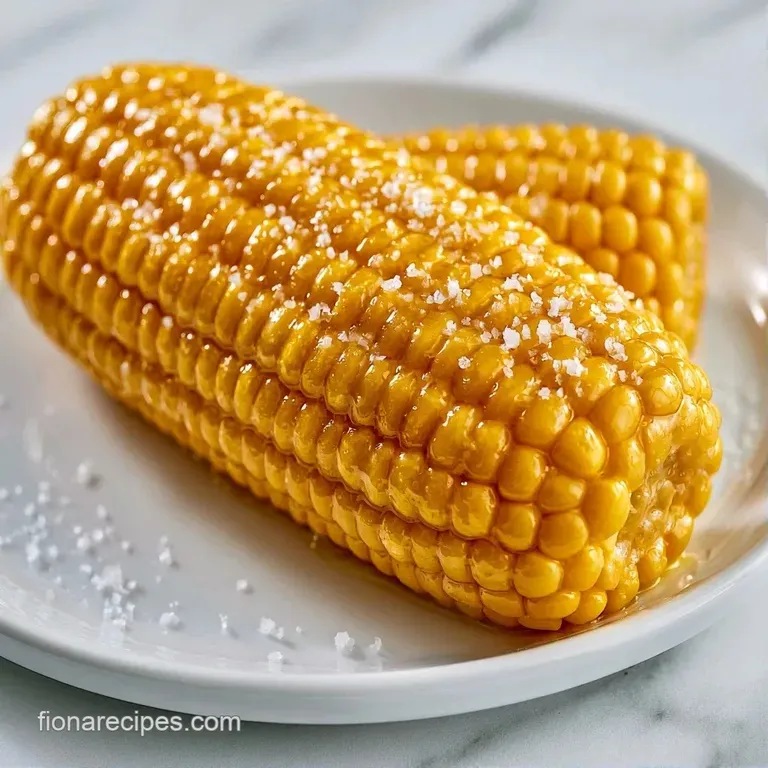
Follow these steps closely to avoid the rubbery texture.
- Peel back the green husks of the corn and rub away any remaining silk threads using your hand or a damp paper towel.
- Trim the ends of the corn with a chef's knife if they are too long to fit in your stockpot.
- Fill an extra large stockpot with 1 gallon water and stir in the granulated sugar and lemon juice.
- Heat the water over high heat until it reaches a vigorous, rolling boil.
- Carefully lower the corn ears into the boiling water using kitchen tongs.
- Wait for the water to return to a rolling boil, then start a timer for 5 minutes.
- Remove the ears immediately once the 5 minute timer expires.
- While the corn is steaming hot, rub a pat of softened butter over each ear.
- Season immediately with coarse sea salt and freshly cracked black pepper.
Fixing Common Issues
Mistakes happen in the kitchen. Here is how to troubleshoot them.
Rubbery Kernels
This occurs when the corn remains in the water for too long, causing the overcooked starch to become chewy. To avoid this, use a digital timer and remove the ears the moment five minutes are up.
Tasteless Corn
Bland corn is often the result of using too much water or omitting the salt. While lemon and sugar provide support, the coarse sea salt added at the end is what truly enhances the flavor. Always season the corn while it is still steaming.
Uneven Cooking
This is usually caused by overcrowding the pot. When ears are packed too tightly, the water cannot circulate, leaving some areas raw while others overcook. Use batches if your pot is on the smaller side.
Changing the Flavor
Butter is the standard, but you can easily switch things up. For a richer, creamier vibe, you might prefer corn boiled with milk, which adds a subtle sweetness. If you're using frozen ears instead of fresh, check out this frozen corn guide since the timing changes slightly.
| Original Ingredient | Substitute | Why It Works |
|---|---|---|
| Granulated Sugar (1 tbsp) | Honey (1 tbsp) | Adds a deeper, floral sweetness. Note: May slightly change water color |
| Lemon Juice (1 tbsp) | Apple Cider Vinegar (1 tbsp) | Provides necessary acidity. Note: Has a sharper, tangier profile |
| Unsalted Butter (4 tbsp) | Extra Virgin Olive Oil (3 tbsp) | Provides fat and richness. Note: Lacks the creamy dairy taste |
For those who want a specific result, use this shortcut:
| Goal | What to change |
|---|---|
| Sweeter taste | Add 1 extra tsp of sugar |
| Tangier flavor | Add a squeeze of fresh lime |
| Bold seasoning | Use smoked paprika instead of pepper |
Storing Your Leftovers
Avoid leaving leftover Boiled Fresh Corn On the Cob in the cooking pot. The lingering heat can overcook the kernels, resulting in a tough texture.
Refrigeration: Store the ears in an airtight container or wrap them tightly in aluminum foil. They will remain fresh for about 3 days.
Freezing: Boiled corn can be frozen, though it's best to remove the kernels from the cob first. Keep them in a freezer friendly container for 3 months.
Zero Waste: Save the husks rather than tossing them. They make great additions to a garden compost pile, and the clean outer layers can serve as decorative wraps for presentation.
Serving Suggestions
When it comes to the final presentation, keep it rustic. I love serving these on a large wooden platter with a few extra pats of butter on the side.
The biggest debate is usually stovetop versus oven. I prefer the stove for speed and juiciness, but some like the roast of an oven.
| Method | Time | Result |
|---|---|---|
| Stovetop | 5 mins | Plump, juicy, and snappy |
| Oven | 20+ mins | Concentrated flavor, slightly charred |
For a full meal, pair this with some grilled protein or a fresh summer salad. Since the corn is so buttery, something acidic like a vinegary slaw balances the plate perfectly.
Right then, you're all set. Just remember: don't overthink it, don't overcook it, and for heaven's sake, don't forget the salt. Trust me, five minutes is all you need for a result that actually tastes like summer.
Recipe FAQs
How long does it take to boil fresh corn on a cob?
Boil for 5 minutes. Start your timer only after the water returns to a rolling boil to ensure the kernels are tender.
Can diabetics eat fresh corn on the cob?
Yes, in moderation. Fresh corn contains natural sugars and carbohydrates, so it should be factored into a daily dietary plan.
Is it true that corn takes several hours to boil?
Actually, no. Overcooking corn makes the kernels tough and chewy; five minutes is the ideal window for a crisp snap.
Should you put fresh corn in boiling water or cold water?
Use boiling water. Lowering the ears into a vigorous, rolling boil helps preserve the natural sweetness and texture.
How to cook fresh corn on the cob?
Bring a pot of water, sugar, and lemon juice to a boil. Add the corn, wait for the water to boil again, and cook for 5 minutes before buttering.
Which flavors best complement cooked corn?
Butter, sea salt, and black pepper. Rub these onto the ears while they are steaming hot for the best absorption.
Do I really need to cook corn in just a few seconds?
Not true. Rapid cooking often leaves the core raw; a full 5-minute boil ensures consistent doneness throughout the ear.
What items pair well with this side dish?
Roasted meats or grilled proteins. If you enjoyed balancing the simple flavors here, apply the same logic to a classic meatloaf for a complete meal.
Boiled Fresh Corn On The Cob