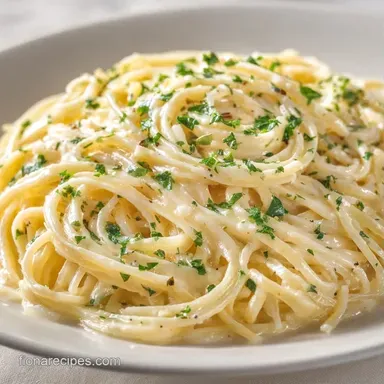
One Pot Creamy Pasta: Velvety and Glossy
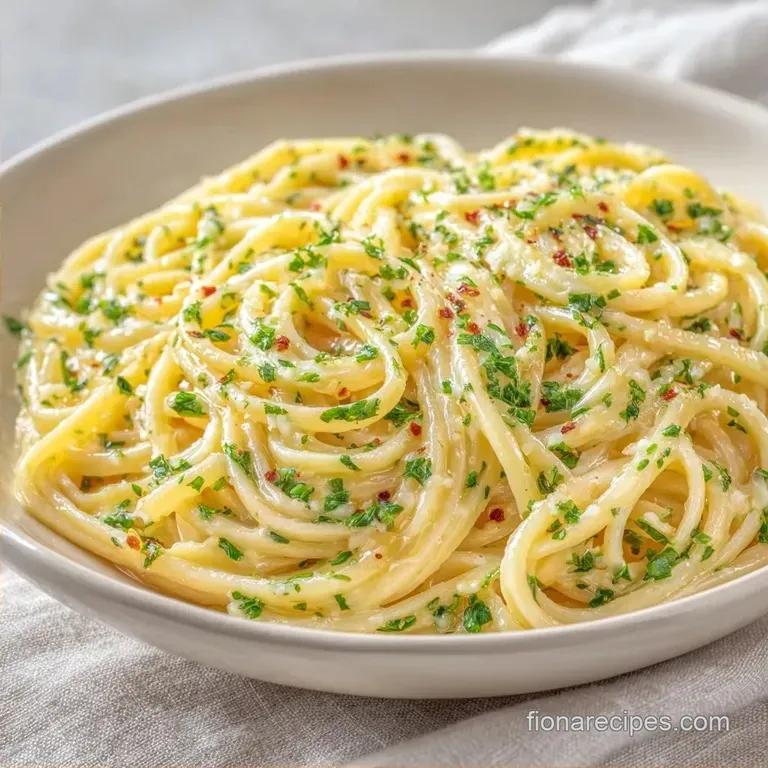
- Time: 5 min active + 15 min cook
- Flavor/Texture Hook: Velvety, glossy sauce that clings to every strand
- Perfect for: Busy weeknight dinners and kid approved comfort food
Easy One Pot Creamy Pasta
That first sizzle of garlic hitting melted butter is where the magic starts. I remember a Tuesday night a few years back when I was trying to be "fancy" and make a traditional Alfredo. I had one pot of boiling water, a separate skillet for the sauce, and a colander that somehow ended up leaking.
By the time I combined the two, the sauce had broken, the pasta was cold, and my kitchen looked like a war zone. I spent more time scrubbing pots than actually eating.
That was the night I decided to stop fighting the pasta water and start using it. Instead of dumping the starchy gold down the drain, I realized that cooking the noodles directly in the cream and broth created a velvety texture that you just can't get any other way.
It's the ultimate shortcut for anyone who loves comfort food but hates the cleanup.
This recipe is about efficiency without sacrificing that rich, indulgent feel. We are talking about a dish that goes from the pantry to the table in 20 minutes. You can expect a sauce that is glossy and thick, with a bright hit of lemon to keep it from feeling too heavy.
Trust me, once you try this method, you'll probably never go back to the two pot struggle.
Secrets for Velvety Sauce
The real magic here isn't some fancy technique, but just basic physics. When you boil pasta in a separate pot, you throw away the starch. In this version, that starch stays behind and acts as a bridge between the fats in the butter and cream and the liquid in the broth.
Starch Binding: The released amylose from the pasta creates a natural slurry, which prevents the sauce from separating.
Fat Integration: The butter and heavy cream provide a rich base that carries the garlic flavor throughout the whole dish.
Acid Balance: A tiny bit of lemon juice at the end cuts through the heavy fats, making the flavor pop.
Controlled Reduction: Simmering uncovered allows the liquid to evaporate, concentrating the flavors and thickening the sauce.
According to the experts at Serious Eats, utilizing the starchy pasta water is the key to a cohesive sauce. In this recipe, we just skip the step of removing the water entirely.
| Method | Time | Texture | Best For |
|---|---|---|---|
| One Pot | 20 mins | Velvety/Glossy | Quick weeknights |
| Classic | 30 mins | Lighter/Clean | Formal dinner parties |
Recipe Specs
Right then, let's look at the flow. I like to plan my cooking in three phases so I'm not rushing while the garlic is burning.
First, the Prep Phase takes about 5 minutes. This is where you mince your garlic and grate the Parmesan. I always recommend grating your own cheese because the pre shredded stuff is coated in potato starch, which can make your sauce grainy.
Second, the Cooking Phase takes 15 minutes. This is a steady flow of sautéing, boiling, and simmering. You don't need to hover over the pot, but a quick stir every couple of minutes keeps the noodles from hugging each other too tightly.
Finally, the Finish Phase takes about 2 minutes. This is the most important part, where the heat goes low and the cheese melts in.
Precision Checkpoints:
- Garlic should be translucent, not brown (1 minute).
- Liquid should be a gentle boil before adding pasta.
- Pasta is done when the sauce has reduced by about half and is thick enough to coat a spoon.
Shopping List Breakdown
I've found that the quality of your broth makes a huge difference here. I usually go for a low sodium version so I can control the salt levels myself. If you use a very salty broth, the Parmesan might push the dish over the edge.
| Ingredient | Science Role | Pro Secret |
|---|---|---|
| Heavy Cream | Fat Base | Adds the signature silkiness |
| Broth | Flavor Depth | Low sodium is best for control |
| Parmesan | Thickening Agent | Grate it fresh for better melting |
| Garlic | Aromatic | Mince finely for even distribution |
The Ingredients:
- 12 oz (340g) Linguine or FettuccineWhy this? Flat noodles provide more surface area for the sauce to cling to
- 2 cups (480ml) Chicken or Vegetable brothWhy this? Adds a savory layer that cream alone lacks
- 1 cup (240ml) Heavy creamWhy this? Essential for that velvety, rich mouthfeel
- 3 tbsp (42g) Unsalted butterWhy this? Creates a rich base for the garlic
- 4 cloves (20g) Garlic, mincedWhy this? Provides the core aromatic punch
- 1/2 tsp (3g) SaltWhy this? Enhances all other flavors
- 1/4 tsp (1g) Black pepperWhy this? Adds a subtle, warm heat
- 1/2 cup (50g) Freshly grated Parmesan cheeseWhy this? Adds umami and thickness
- 2 tbsp (30ml) Fresh parsley, choppedWhy this? Adds color and a fresh, herbal finish
- 1 tsp (5ml) Lemon juiceWhy this? Brightens the heavy cream and butter
| Original Ingredient | Substitute | Why It Works |
|---|---|---|
| Heavy Cream (1 cup) | Half and Half (1 cup) | Lighter feel. Note: Sauce will be thinner and less rich |
| Parmesan (1/2 cup) | Pecorino Romano (1/2 cup) | Similar saltiness. Note: Adds a sharper, tangier punch |
| Chicken Broth (2 cups) | Vegetable Broth (2 cups) | Same liquid ratio. Note: Lighter flavor, makes it vegetarian |
| Linguine (12 oz) | Fettuccine (12 oz) | Similar starch release. Note: Slightly wider noodle |
Necessary Tools
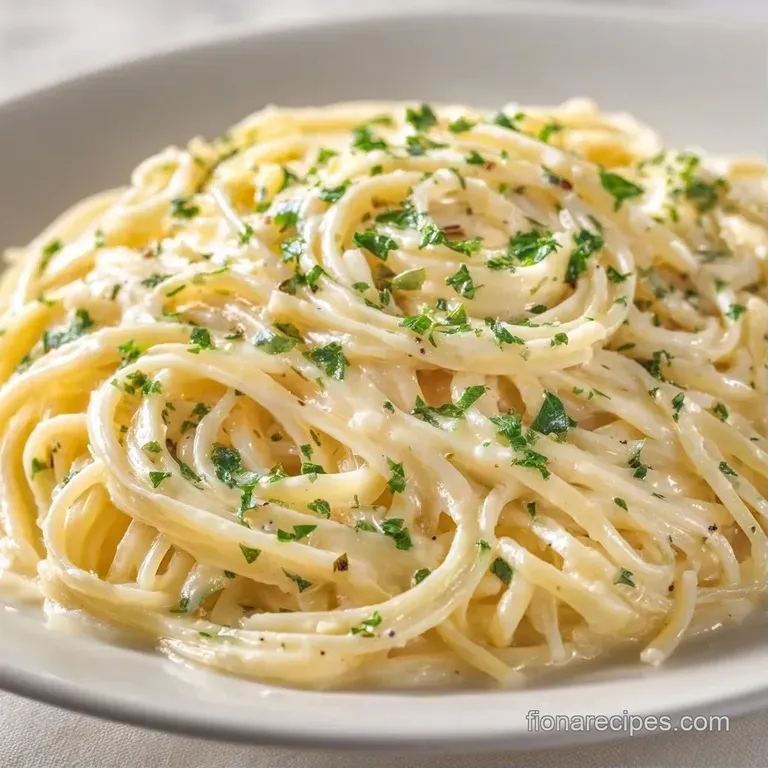
You don't need a fancy kitchen to pull this off, but the pan choice is key. I always use a large deep skillet or a 5 quart pot. If the pan is too shallow, the pasta will crowd and you'll end up with a clump of noodles instead of a smooth sauce.
A sturdy whisk or a pair of tongs is also essential. Tongs are great for the final stage to ensure the pasta is fully coated, while a whisk helps you integrate the cream and broth without any lumps.
Honestly, don't even bother with non stick pans for the sautéing part if you can avoid it. A stainless steel or cast iron pan gives the garlic a better sear, though a non stick is perfectly fine for the simmering phase.
Key Cooking Steps
Let's crack on with the actual process. Keep your ingredients measured out and ready to go before you turn on the heat.
- Melt the butter over medium heat in a large deep skillet or 5 quart pot. Note: Use medium heat to avoid browning the butter too quickly
- Add the minced garlic and sauté for about 1 minute until fragrant and translucent.
- Pour in the broth and heavy cream, and bring the mixture to a gentle boil. Note: A gentle boil prevents the cream from scorching
- Add the pasta, stirring occasionally to prevent sticking.
- Simmer uncovered for 8-11 minutes until the liquid reduces and thickens.
- Check the pasta texture. It should be al dente, meaning it has a slight bite in the center.
- Turn the heat to low. Note: High heat can cause the cheese to clump or the sauce to split
- Fold in the Parmesan cheese, parsley, and lemon juice.
- Stir gently for 1 minute until the sauce is glossy and clings to the noodles.
Chef's Tip: If the sauce seems too thick before the pasta is done, splash in a bit more broth. If it's too thin, let it simmer for another 60 seconds.
Troubleshooting Guide
Even for experienced cooks, one pot meals can be tricky because the liquid levels vary based on your stove's heat. If your sauce isn't behaving, don't panic. Most issues are easily fixed with a temperature adjustment.
Sauce is too thin
This usually happens if the heat was too low or you didn't simmer it long enough. The starch needs time to release and the water needs to evaporate. Just keep it on the heat for a couple more minutes.
Pasta is too soft
If the noodles feel mushy, you likely overshot the simmer time. Since we aren't rinsing the pasta, the carryover heat continues to cook the noodles even after you turn off the stove.
Sauce looks broken
If you see little beads of oil floating on top, the sauce has "broken." This happens when the fat separates from the liquid, usually due to too much heat when adding the cheese.
| Problem | Root Cause | Solution |
|---|---|---|
| Too thin | Under reduced liquid | Simmer 2-3 more mins |
| Grainy sauce | Heat too high for cheese | Lower heat, stir quickly |
| Sticky noodles | Infrequent stirring | Stir every 2 mins during simmer |
Common Mistakes Checklist:
- ✓ Used pre shredded cheese (causes graininess)
- ✓ Boiled the cream too aggressively (can scorch)
- ✓ Didn't stir the pasta enough (causes clumping)
- ✓ Added cheese while the pan was on high heat (breaks the emulsion)
- ✓ Skipped the lemon juice (makes the dish taste flat)
Dietary Adaptations
If you want to switch things up, this base is incredibly flexible. For a One Pot Creamy Garlic Pasta, simply double the garlic and add a pinch of red pepper flakes for a little kick.
For those who want more protein, a One Pot Creamy Pasta with Chicken or Ground Beef is an easy win. Just brown the meat in the butter first, remove it from the pan, and add it back in during the final folding step. This keeps the meat tender and prevents it from overcooking during the pasta simmer.
If you're looking for a One Pot Creamy Pasta Vegetarian option, swap the chicken broth for a high-quality vegetable stock and toss in some baby spinach or frozen peas during the last 2 minutes of simmering. For another creamy inspiration, you might like my White Pizza Sauce for a different use of garlic and cream.
Decision Shortcut:
- If you want more depth → Use beef broth and add mushrooms.
- If you want it lighter → Use half and half and add a handful of arugula.
- If you want a flavor punch → Stir in a tablespoon of pesto at the end.
Preservation Secrets
Leftovers are a bit different with one pot meals. Because the pasta is cooked in the sauce, it tends to absorb more liquid as it sits in the fridge. By the next day, you might find you have a "pasta block" rather than a creamy dish.
Store the leftovers in an airtight container in the fridge for up to 3-4 days. To reheat, add a splash of milk or water to the bowl before microwaving. This loosens the starch and brings back that velvety texture.
I don't recommend freezing this recipe. The heavy cream and Parmesan tend to separate and become grainy when thawed, which ruins the mouthfeel.
For zero waste, don't throw away the stems of your parsley. Finely chop them and sauté them with the garlic at the beginning, or freeze them in an ice cube tray with olive oil to use for future sautéing.
Perfect Complements
Since this dish is quite rich, you want sides that provide a crisp or acidic contrast. A simple arugula salad with a lemon vinaigrette is the best pairing because the bitterness cuts right through the cream.
If you're feeding a family and want something more substantial, a side of roasted broccoli or asparagus works wonders. The charred edges of the vegetables provide a great texture contrast to the silky pasta.
For those who love this creamy style but want a different protein focus, my Spinach Salmon Pasta is another fantastic option that uses a similar rich base.
Final Tip: Serve this in warmed bowls. Because the sauce is an emulsion of fat and starch, it can thicken quickly as it cools. Warming the bowls keeps the sauce glossy and flowing until the last bite.
Recipe FAQs
Is this a good lazy dinner option?
Yes, it is an ideal choice. It requires only one pot and takes just 20 minutes from start to finish, minimizing both effort and cleanup.
What makes this a great go-to easy dinner recipe?
The minimal prep and streamlined process. You only need 5 minutes of preparation, and because the pasta cooks directly in the sauce, you save significant time and dishes.
How to make the sauce thicker if it is too runny?
Simmer the mixture uncovered for a few more minutes. This allows more liquid to evaporate, concentrating the cream and starch for a thicker consistency.
Can I use vegetable broth instead of chicken broth?
Yes, vegetable broth works perfectly. It provides the necessary savory base without altering the creamy texture or the 15-minute cook time.
Is it true I need to boil the pasta separately before adding it to the sauce?
No, this is a common misconception. Cooking the linguine or fettuccine directly in the broth and cream allows the pasta starch to thicken the sauce naturally.
How to prevent the pasta from sticking to the bottom of the pot?
Stir the pasta occasionally during the 8 11 minute simmer. This keeps the noodles moving and ensures they cook evenly in the liquid.
What is the best way to store and reheat this pasta?
Store in an airtight container in the refrigerator. When reheating, add a splash of broth to restore the glossy texture. If you need other quick meal ideas for your weeknights, try a tuna melt sandwich.
One Pot Creamy Pasta