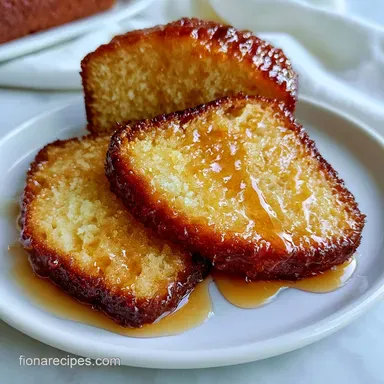
Honey Tea Cake Loaf: Moist and Velvety
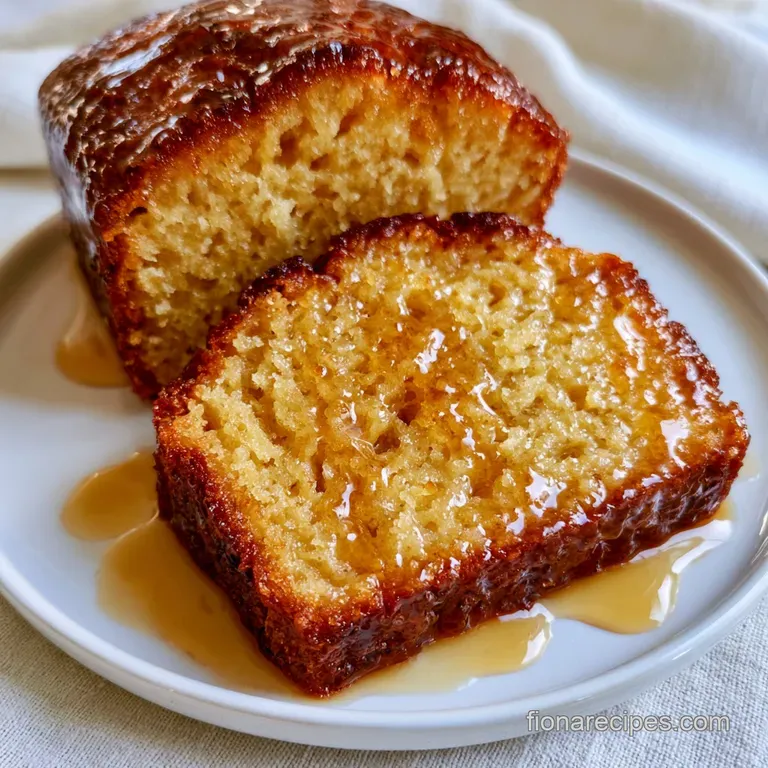
- Time: 20 min active + 60 min bake = Total 90 minutes
- Flavor/Texture Hook: Velvety crumb with a floral, honey citrus glaze
- Perfect for: Weekend brunch or a thoughtful homemade gift
The smell of warm butter steeping with black tea is something else. It's not that watery tea scent, but something deeper, almost like a toasted caramel. I remember the first time I tried this, I was convinced I could just brew a strong cup of tea and stir it in. Big mistake.
The batter became too thin, and the cake never quite set, leaving me with something that felt more like a dense pudding than a sponge.
That's why I switched to the fat infusion method. By steeping the tea leaves directly in the melted butter, you pull out the fat soluble flavor compounds, which means the honey tea cake loaf stays structurally sound while tasting like a concentrated cup of Earl Grey. It's a total win for anyone who wants a sophisticated flavor without a complicated process.
You can expect a cake that's incredibly moist but still has that classic loaf structure. It's not an overly sweet "dessert" cake, but more of a companion to a hot drink. Trust me on this, once you see how the honey and tea interact in the oven, you'll never go back to the water based method.
The Best Honey Tea Cake Loaf
Right then, let's get into it. This honey tea cake loaf isn't just about mixing ingredients, it's about managing moisture. Honey is a "humectant," which is a fancy way of saying it loves to hold onto water. If you aren't careful, that can lead to a gummy center.
But when you pair it with a lower oven temperature and the right amount of flour, you get a crumb that is velvety and tender.
The real magic happens during the infusion. Most people think they need to boil tea to get a strong flavor, but tea leaves can turn bitter if they're over boiled. Steeping them in butter at a low heat gently extracts the essence of the tea.
It's a foolproof way to ensure the cake tastes like tea, not like a burnt tea bag.
And don't skip the glaze. The honey citrus topping doesn't just add sweetness; the lemon juice cuts through the richness of the butter and honey, brightening the whole experience. It transforms the honey tea cake loaf from a simple snack into something that feels like it came from a high end bakery.
Why This Bake Works
I've always been curious about why some honey cakes feel like bricks while others feel like clouds. It comes down to how the ingredients interact under heat.
Fat Soluble Flavor: Infusing tea in butter instead of water prevents the batter from becoming too thin. This ensures the cake rises properly and doesn't develop "holes" or a sunken middle.
Humectant Balance: Honey holds onto moisture much more aggressively than granulated sugar. This is why the honey tea cake loaf stays moist for days, but it's also why we bake it lower and slower to ensure the heat reaches the center without burning the edges.
Emulsion Stability: Beating the eggs into the honey butter mixture creates a stable emulsion. This traps tiny air bubbles that the baking powder then expands, giving us that light, airy structure.
Acidic Brightness: The lemon juice in the glaze reacts with the floral notes of the honey. This prevents the cake from tasting one dimensional or cloyingly sweet.
| Method | Infusion Type | Texture Result | Best For |
|---|---|---|---|
| Fresh Steeping | Butter based | Velvety and stable | Deep flavor and structure |
| Shortcut | Tea powder/extract | Slightly grainier | Super fast prep |
| Water based | Strong brew | Denser, prone to sinking | Heavy, pudding like cakes |
Component Analysis
Understanding the "why" behind the ingredients makes this recipe foolproof. I don't just want you to follow steps; I want you to know what's happening in the bowl.
| Ingredient | Science Role | Pro Secret |
|---|---|---|
| Unsalted Butter | Flavor Carrier | Steeping tea here captures aromatics that water misses |
| Honey | Moisture & Sweetness | Use a mild clover honey to let the tea shine through |
| All Purpose Flour | Structure | Sifting prevents "flour pockets" and ensures a smooth crumb |
| Baking Powder | Leavening | Provides the lift needed to counteract the heavy honey |
Shopping List Breakdown
When picking your ingredients, quality matters. I recommend a high-quality loose leaf black tea rather than bags, as the larger leaves infuse more cleanly into the butter. For the honey, avoid the super processed "bear" bottles if you can; a local raw honey adds a depth of flavor that makes the honey tea cake loaf truly stand out.
- 1/2 cup (113g) unsalted butter Why this? Provides the fat needed for tea infusion
- 3/4 cup (250g) honey Why this? Primary sweetener and moisture agent
- 2 large eggs (100g) Why this? Binds the batter and adds lift
- 1 1/2 cups (190g) all purpose flour Why this? Creates the necessary cake structure
- 1 tsp (5g) baking powder Why this? Essential for the rise
- 1/2 tsp (3g) salt Why this? Balances the honey sweetness
- 2 tbsp (6g) loose leaf black tea Why this? The core aromatic component
- 1/4 cup (60ml) whole milk Why this? Thins the batter to a pourable consistency
- 1 tsp (5ml) vanilla extract Why this? Rounds out the tea and honey notes
- 2 tbsp (42g) honey (for glaze) Why this? Adds a sticky, sweet finish
- 1 tbsp (15ml) lemon juice Why this? Cuts the richness
- 1/2 cup (60g) powdered sugar Why this? Creates a smooth, opaque glaze
- 1 tsp (2g) lemon zest Why this? Adds a fresh, citrusy aroma
Substitution Guide
| Original Ingredient | Substitute | Why It Works |
|---|---|---|
| All Purpose Flour | Spelt Flour | Similar protein content. Note: Adds a slightly nuttier taste |
| Whole Milk | Almond Milk | Similar liquid ratio. Note: Slightly less richness in the crumb |
| Honey | Maple Syrup | Similar liquid sweetener. Note: Changes flavor profile to "woody" rather than "floral" |
| Loose Leaf Tea | Fine Tea Powder | Direct flavor injection. Note: Skip the butter steeping step |
Required Kitchen Tools
You don't need a professional kitchen for this, but a few specific tools make it easier. I use a small saucepan for the butter and a fine mesh strainer to get rid of the tea leaves. If you don't have a strainer, a piece of cheesecloth works too.
For the mixing, a rubber spatula is your best friend. You want to fold the flour in gently, not beat it. According to King Arthur Baking, overmixing flour develops too much gluten, which would turn our honey tea cake loaf into a piece of bread rather than a tender cake.
Finally, make sure you have a 9x5 inch loaf pan and some parchment paper. Lining the pan is a non negotiable for me; honey cakes have a tendency to stick, and nothing is worse than a cake that breaks apart when you try to flip it.
Step-by-step Baking
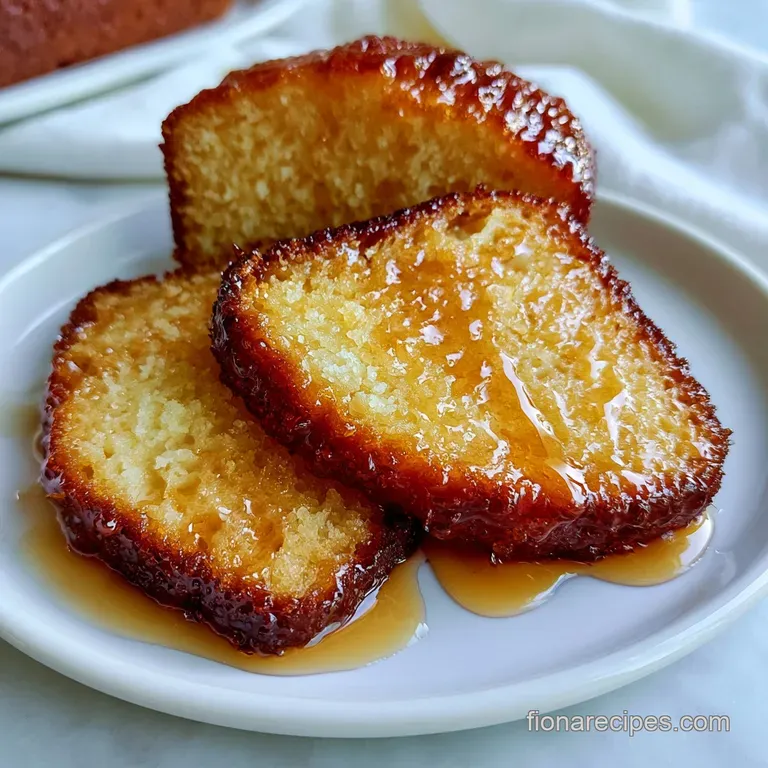
Let's crack on. Follow these steps closely, and pay attention to the textures.
Step 1: The Flavor Infusion Melt the butter in a small saucepan over low heat. Once liquid, stir in the loose tea leaves and remove from heat. Let the tea steep in the butter for 10 minutes.
Strain the butter through a fine mesh strainer into a bowl, pressing the leaves to extract every drop of oil. Note: Pressing the leaves is where the most concentrated flavor lives.
Step 2: Creating the Emulsion Whisk the room temperature honey and melted tea butter together until smooth. Add the eggs one at a time, beating vigorously after each addition until the mixture looks pale and velvety. Stir in the vanilla extract and milk.
Note: Ensure eggs are at room temp to prevent the butter from seizing.
Step 3: The Gentle Fold Sift the flour, baking powder, and salt directly over the wet ingredients. Using a spatula, fold the dry ingredients into the batter just until no streaks of flour remain. Note: Stop mixing the second the flour disappears to keep the cake tender.
Step 4: The Golden Bake Pour the batter into a parchment lined 9x5 inch loaf pan. Bake at 325°F (163°C) for 55–65 minutes until a toothpick inserted into the center comes out clean.
Note: The lower temp prevents the honey from scorching.
Step 5: The Finishing Touch While the cake cools, whisk together 2 tbsp honey, 1 tbsp lemon juice, 1/2 cup powdered sugar, and 1 tsp lemon zest. Drizzle the glaze over the cooled loaf. Note: Glazing a hot cake will cause the glaze to soak in rather than sit on top.
Fixing Common Issues
Baking with honey can be tricky. If your honey tea cake loaf didn't come out quite right, don't worry. It's usually a simple fix involving temperature or mixing.
Troubleshooting Common Issues
| Issue | Solution |
|---|---|
| Cake sinking in the middle | This usually happens because the oven door was opened too early, letting out the heat, or the cake was taken out a few minutes too soon. The structure hadn't set enough to support the weight of the ho |
| Why did the edges brown too quickly | Your oven might be running hot. Honey caramelizes faster than white sugar, so if the edges are dark but the middle is raw, you need to lower the temp by 10-15 degrees. |
| Why is the texture gummy rather than moist | This is a classic sign of overmixing. When you whisk the flour too hard, you create a gluten network that traps moisture in a way that feels "rubbery" or gummy. |
Common Mistakes Checklist
- ✓ Did you strain the tea leaves? (Leaving them in creates bitter clumps)
- ✓ Are the eggs room temperature? (Cold eggs break the butter emulsion)
- ✓ Did you use a low temperature? (325°F is key for honey cakes)
- ✓ Did you line the pan with parchment? (Honey is incredibly sticky)
- ✓ Did you stop mixing once flour streaks vanished? (Prevents toughness)
Customizing Your Loaf
Once you've nailed the base honey tea cake loaf, you can start playing with the flavors. If you want a different tea, try Earl Grey for a citrusy punch or Jasmine for a more floral note. For those who love a bit of crunch, folding in 1/2 cup of toasted slivered almonds adds a great textural contrast.
If you're in the mood for something savory as a side for tea time, these Homemade Biscuits make a great contrast to the sweet loaf. Alternatively, if you want a richer profile, you can swap the whole milk for heavy cream or even a bit of sour cream for a tangier crumb.
For a dairy-free version, you can use a vegan butter alternative and almond milk. The honey can be swapped for maple syrup, though the flavor will shift. Just keep in mind that the "fat infusion" part is still vital, even with vegan butter, to get that tea flavor concentrated.
| Variation | Change | Impact |
|---|---|---|
| Earl Grey Version | Use Earl Grey tea | Adds a distinct bergamot citrus note |
| Nutty Profile | Add toasted walnuts | Adds a savory crunch and depth |
| Maple Tea | Swap honey for maple | Shifts flavor from floral to woody |
Baking Truths
There are a few myths about honey baking that I've seen floating around. Let's set them straight.
Sifting flour always prevents lumps. Not necessarily. While sifting helps with aeration, the real secret to a smooth honey tea cake loaf is the emulsion of the wet ingredients. If your butter and honey are smooth, a few small flour clumps won't ruin the cake.
Honey cakes must be dense. People think because honey is heavy, the cake has to be. That's not true. By using baking powder and beating the eggs properly, you can get a crumb that's almost as light as a sponge cake.
You can substitute honey for sugar 1:1. This is a recipe for disaster. Honey adds significant moisture and browns much faster. If you swap 1:1 without adjusting the flour or temp, your cake will be a sticky mess. While this cake takes time, if you need a sugar hit in seconds, my Edible Cookie Dough is the way to go.
Storage and Freezing
To keep your honey tea cake loaf fresh, store it in an airtight container. At room temperature, it'll stay good for about 2-3 days. In the fridge, it can last up to a week, but I recommend letting a slice sit out for 15 minutes before eating it so the butter softens back up.
If you want to freeze it, slice the loaf first. Wrap each slice individually in parchment paper and then place them in a freezer bag. They'll stay fresh for up to 3 months. To reheat, just pop a slice in the toaster or microwave for 15-20 seconds. It tastes almost fresh baked!
For zero waste, don't throw away those tea leaves from the butter infusion. Once they've cooled, you can toss them into your compost bin. If you have leftover glaze, you can use it as a drizzle for Greek yogurt or oatmeal the next morning.
Perfect Serving Pairings
Since this is a honey tea cake loaf, the most obvious pairing is a hot cup of tea. I love it with a strong Assam or a light Oolong. The tannins in the tea cut through the sweetness of the honey beautifully.
If you're serving this for brunch, try pairing it with fresh berries. Raspberries or blackberries add a tartness that complements the lemon glaze. A dollop of clotted cream or mascarpone on the side also adds a luxurious, velvety texture that makes the meal feel special.
For a more modern twist, serve it with a drizzle of extra honey and a sprinkle of flaky sea salt. The salt makes the honey flavor "pop" and balances the floral notes of the tea. It's a simple trick, but it makes the honey tea cake loaf feel like it was made by a professional.
Recipe FAQs
How to make a tea loaf cake?
Melt butter and steep loose tea leaves for 10 minutes. Strain the liquid, whisk with honey and eggs, fold in dry ingredients, and bake at 325°F for 55 65 minutes.
Is honey cake exclusively Russian or Ukrainian?
No, this is a common misconception. While those regions have famous versions, honey cakes are enjoyed globally in many different styles, including this tea-infused loaf.
What is the secret to the intense tea flavor in this cake?
Pressing the tea leaves during straining. This ensures every drop of concentrated flavorful oil is extracted into the butter before it is mixed into the batter.
Why did my honey tea cake sink in the middle?
The oven door was likely opened too early. This releases critical heat, causing the cake to collapse before the internal structure has fully set.
Can I use cold honey in the batter?
No, use room temperature honey. Cold honey disrupts the emulsion with the melted butter; if you nailed the stable emulsion here, use the same whisking method in our vanilla cupcakes.
How to store the loaf to keep it moist?
Place it in an airtight container. It will stay fresh for 2-3 days at room temperature or up to one week in the refrigerator.
Why are the edges of my cake browning too quickly?
Your oven is likely running too hot. Honey caramelizes faster than standard white sugar, so lower your oven temperature by 10-15 degrees to prevent the edges from burning.
Honey Tea Cake Loaf