Homemade Ravioli from Scratch
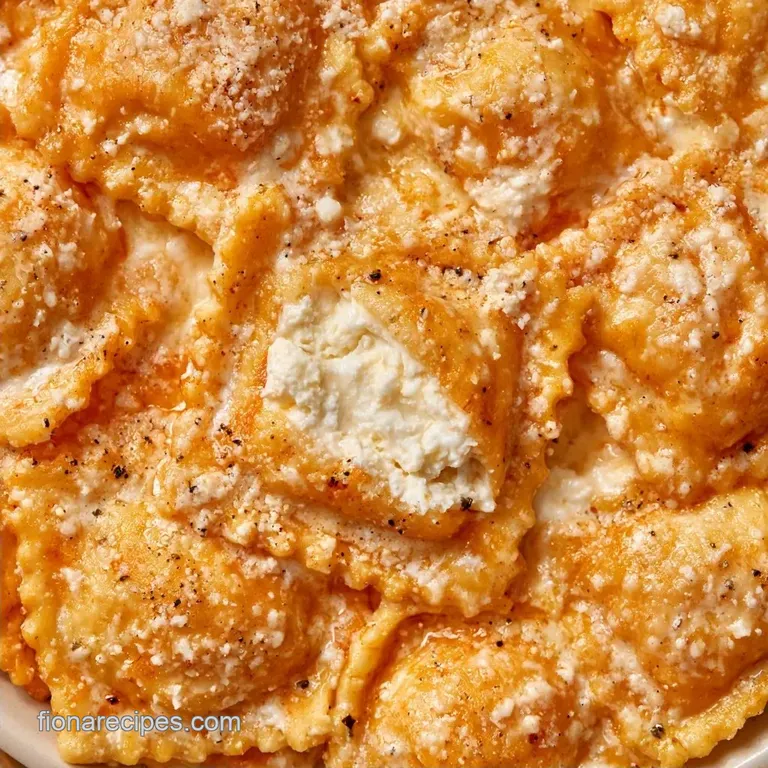
- Time: 60 minutes of work + 30 minutes for the dough to relax
- Key Feature: A velvety ricotta filling touched with nutmeg
- Best for: A traditional family Sunday meal
Whenever I smell boiling salted water and fresh basil, I'm reminded of my first try at this recipe. To be fair, it was a complete mess. I accidentally made "ravioli soup" after every pasta pocket split open, leaving me with a pot of drifting dough and ricotta swirls.
We've all had those kitchen fails. After some trial and error, I realized the problem wasn't the recipe, but the air trapped inside the pockets. Once I mastered that, this dish became my favorite way to serve an elegant meal using affordable ingredients.
You'll enjoy a hearty, satisfying dinner that far surpasses anything from a package. The magic of homemade ravioli lies in that tender, hand rolled dough and a stuffing that bursts with the flavor of genuine herbs and cheese.
Quick Recipe Specs
Right then, let's look at the basics. This recipe makes enough for a family of four. It's designed to be hearty and filling without costing a fortune.
The total time is 1 hour 40 mins, but most of that is just letting the dough chill out. You'll spend about an hour actually working with your hands.
The Texture Trick
Resting the dough: Letting the dough sit for 30 mins relaxes the gluten, so it doesn't shrink back when you roll it.
Adding egg to filling: The egg acts as a binder, keeping the ricotta from leaking out during the boil.
| Method | Time | Texture | Best For |
|---|---|---|---|
| Boiled | 4 mins | Tender, classic | Traditional dinner |
| Baked | 20 mins | Chewy, bubbly | Party appetizers |
Essential Ingredient List
All-purpose flour provides the ideal structural foundation for the dough; a generic store brand is perfectly acceptable if you're saving money. The eggs contribute a richness that gives the pasta a satisfying, hearty feel.
Whole milk ricotta is the primary component of the filling. To prevent the ravioli from becoming too watery, I recommend draining the cheese slightly. Parmesan brings a salty kick, and nutmeg introduces a subtle, sophisticated depth that gives the dish a professional quality.
Pasta Dough
- 2 cups (250g) all purpose flour Why this? Standard protein for a tender bite (Substitute: 00 flour for a softer feel)
- 3 large (150g) eggs Why this? Binds the flour and adds color (Substitute: 2 eggs + 2 tbsp water)
- 1 tsp (5g) kosher salt Why this? Enhances the flour flavor (Substitute: Table salt)
- 1 tbsp (15ml) olive oil Why this? Makes the dough more pliable (Substitute: Melted butter)
- 2 tbsp (30ml) water Why this? Adjusts hydration if dough is dry (Substitute: Milk)
Ricotta Filling
- 15 oz (425g) whole milk ricotta cheese Why this? Creamy, mild base (Substitute: Cottage cheese, blended)
- 1/2 cup (50g) Parmesan cheese Why this? Adds salt and umami (Substitute: Pecorino Romano)
- 1 large (50g) egg Why this? Prevents filling from running (Substitute: 1 tbsp cornstarch slurry)
- 1/4 cup (15g) fresh basil Why this? Bright, peppery note (Substitute: 1 tsp dried basil)
- 1/4 tsp (0.5g) ground nutmeg Why this? Classic Italian flavor profile (Substitute: a pinch of cinnamon)
- 1/2 tsp (3g) salt Why this? Balances the richness (Substitute: omit if using salty cheese)
- 1/4 tsp (1g) black pepper Why this? Subtle heat (Substitute: white pepper)
Basic Kitchen Tools
You don't need a fancy studio to make Homemade Ravioli. A clean counter and a rolling pin are your best friends here. If you don't have a rolling pin, a smooth wine bottle works in a pinch.
I suggest using a fork for the initial mixing. It keeps your hands clean until the dough is ready to be kneaded. A medium bowl for the filling and a large pot for boiling are the only other essentials.
Step-by-step Cooking Guide

Phase 1: Making the Dough
- Create a mound of flour on a clean work surface and make a wide well in the middle.
- Add the eggs, salt, and olive oil to the center. Gently whisk the eggs, gradually incorporating flour from the inner walls until a thick paste forms.
- Fold in the remaining flour and knead for 8-10 minutes until smooth and elastic. The dough should spring back when poked.
- Wrap the dough securely in plastic wrap and let it rest at room temperature for 30 minutes. Note: This keeps the dough from shrinking back while rolling.
Phase 2: Creating the Filling
- In a medium bowl, stir the drained ricotta, Parmesan, beaten egg, chopped basil, nutmeg, salt, and pepper until the mixture is uniform.
Phase 3: Rolling and Shaping
- Divide the rested dough into 4 equal portions. Roll one piece into a thin rectangle roughly 1/8 inch thick.
- Place small dollops of filling (about 1 tablespoon each) approximately 2 inches apart on the dough.
- Lightly moisten the edges around the filling with water, fold the dough over, and press firmly until air bubbles are gone before sealing.
Phase 4: The Boiling Process
- Carefully drop the pasta into a pot of boiling salted water.
- Cook for 4 mins until they float to the surface.
Pro Tips and Pitfalls
When I first started making Homemade Ravioli, I used to just press the dough down and hope for the best. That's how you get air pockets, and air pockets are what cause the pasta to burst. You have to push the air out from the center to the edges.
Another common issue is the dough being too sticky. If it clings to your counter, just dust it with a bit more flour. But be careful, too much extra flour can make the pasta tough.
Fixing Bursting Pasta
If your ravioli are opening up, it's usually because the edges weren't sealed tight or there was too much filling. Use a fork to crimp the edges for a stronger hold.
Dealing with Sticky Dough
Sticky dough happens when the humidity is high. Keep a bowl of flour nearby and dust your surface every few minutes.
Solving Tough Pasta
If the dough feels like rubber, you probably over kneaded it or didn't let it rest long enough. Give it another 15 minutes to relax.
| Problem | Root Cause | Solution |
|---|---|---|
| Bursting in pot | Trapped air or poor seal | Press air out from center to edge |
| Dough won't roll | Gluten too tight | Rest dough for 30 more mins |
| Gummy texture | Overcooked | Pull out immediately when floating |
Creative Filling Ideas
You can easily swap the ricotta for other things. For a savory twist, mix in some sautéed spinach and extra garlic. If you want something for autumn, pumpkin puree with a bit of sage is a winner.
For those who want a meaty center, ground pork or beef sautéed with onions and carrots works great. Just make sure the meat filling is cooled completely before putting it on the dough, or it will tear the pasta.
If you're looking for a different way to prep the pasta, check out my Homemade Ravioli Dough for a slightly different ratio.
[Goal]? → [exact change] - Extra tang? → fold in 1 tsp lemon zest - Firmer filling? → drain ricotta for 2 hours - More herb flavor? → double the basil
Storage and Reheating
Your homemade ravioli will remain fresh for 2 days when refrigerated. To prevent them from sticking, use a generous coating of flour or arrange them on a parchment lined baking sheet.
For more extended storage, freezing is the best option. Arrange them in a single layer on a tray first, then transfer them to a freezer bag. They will keep for approximately 3 months.
Avoid tossing any leftover dough scraps. I usually roll mine into thin ribbons for a fast batch of pappardelle, ensuring zero waste in the kitchen.
Serving and Enjoying
The simplest way to serve these is with brown butter and sage. Just melt butter in a pan until it smells nutty and brown, then toss in some fresh sage leaves until they're crisp.
If you prefer something more classic, a Creamy Tomato Sauce adds a nice acidity that cuts through the rich ricotta. A sprinkle of fresh parsley and a bit more Parmesan on top makes it look and taste like it came from a bistro.
Trust me on this, don't overcook the sauce. You want the pasta to be the star, so keep the sauce light and glossy.
The Texture Trick
The key to a great Homemade Ravioli is the balance of moisture. If the dough is too wet, it sticks. If it's too dry, it cracks. The olive oil in the dough provides a bit of lubrication that makes the rolling process much smoother.
The binding in the filling is equally important. By using an egg, we create a structure that holds the ricotta together. This prevents the filling from leaking out and turning your cooking water into a cloudy mess.
Common Pasta Myths
You need a pasta machine to get thin dough. This is a myth. A heavy rolling pin and a bit of patience get you the same result.
Adding more flour makes the dough stronger. Actually, too much flour makes the pasta dense and chewy. Stick to the measurements for the best feel.
Making ravioli from scratch is only for professional chefs. Not true. As long as you can mix and roll, you can make these at home.
Recipe FAQs
What do I need to make ravioli from scratch?
Flour, eggs, salt, and olive oil for the dough, plus ricotta, Parmesan, and basil for the filling. You will also need a clean work surface and plastic wrap to let the dough rest for 30 minutes.
Is it true that ravioli dough is different from standard pasta dough?
No, this is a common misconception. It is the same basic dough made from flour and eggs, simply rolled thin enough to seal around a filling.
Which ingredients create the filling inside the ravioli?
A blend of ricotta, Parmesan, egg, fresh basil, and nutmeg. These ingredients are stirred together until uniform before being mounded on the dough sheets.
Can I repurpose the leftover pasta dough?
Yes, roll the scraps into thin strips to make pappardelle. This ensures zero waste in the kitchen and provides an extra pasta variety.
Why do ravioli sometimes burst while boiling?
Air bubbles trapped inside the pasta expand when heated. Press firmly around the filling to remove air before sealing the edges. Serve your finished pasta with a brown butter sauce for a professional finish.
Homemade Ravioli From Scratch