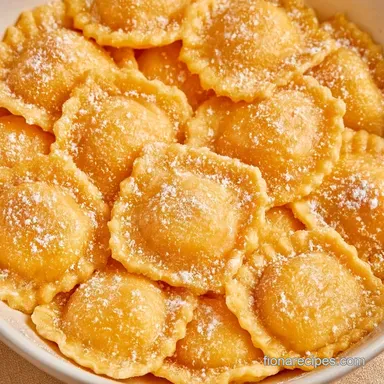
Homemade Ravioli Dough with 00 Flour
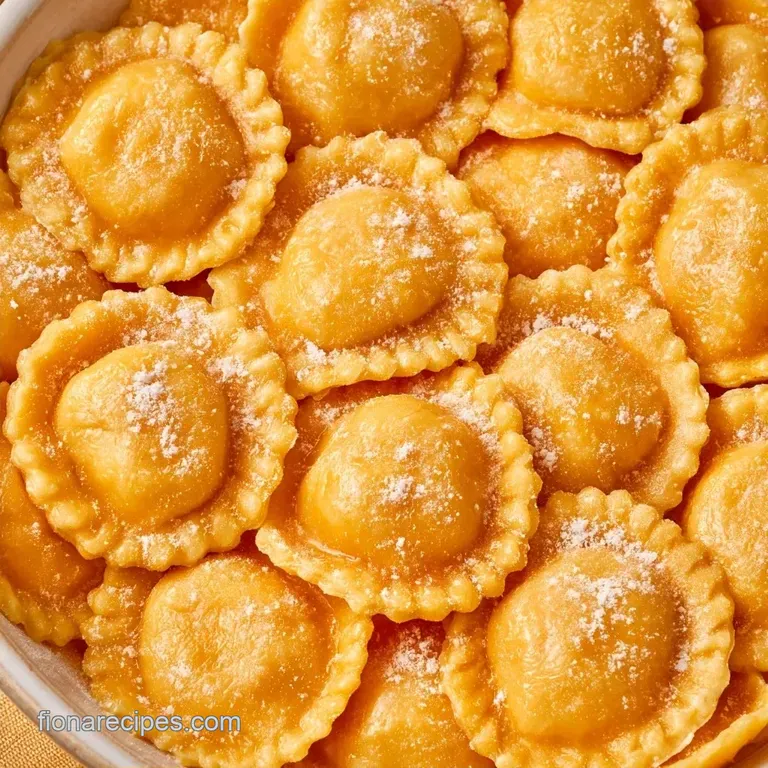
- Time: 20 min active + 30 min resting
- Flavor/Texture Hook: Silky, elastic, and gold hued
- Perfect for: Sunday family dinners or meal prep
Ever wonder why some homemade pasta tastes like a fancy restaurant while others feel like chewy rubber? For a long time, I thought it was all about expensive equipment. I spent way too much on gadgets before realizing that the real magic happens in how you handle the flour and eggs.
Making Ravioli Dough from scratch is actually a very tactile process. It's about feeling the dough change from a shaggy mess into something smooth and elastic. Once you get that feeling in your hands, you'll never go back to the store-bought stuff.
This recipe focuses on a blend of flours to get a specific texture. We're aiming for a dough that's thin enough to let the filling shine but strong enough to hold everything together. It's a simple, hearty approach that works for any filling, from ricotta to pumpkin.
Getting Your Ravioli Dough Right
Semolina Blend: Adding semolina gives the pasta a bit more "tooth" or resistance, so it doesn't get mushy.
The 30 Minute Rest: This lets the gluten relax, which means the dough won't shrink back when you roll it out. Serious Eats' testing shows that resting dough is what prevents that frustrating "spring back" effect.
Olive Oil Addition: A splash of oil makes the dough more supple and easier to roll thin without tearing.
| Method | Time | Texture | Best For |
|---|---|---|---|
| Hand Rolled | 30 mins | Rustic & Hearty | Small batches, traditional feel |
| Machine Rolled | 15 mins | Thin & Uniform | Large batches, consistent thickness |
Essential Kitchen Tools
Minimal equipment is required for this process. A large wooden board or a clean, wide countertop is ideal. If you don't have a rolling pin, a sturdy wine bottle is a great alternative.
To seal the edges while shaping, a fork or a fluted pasta cutter is helpful. For those using a machine, any standard pasta roller is sufficient. I typically use a bench scraper to clear away excess flour and keep my workspace tidy.
Shopping List Breakdown
The quality of your flour really matters here. "00" flour is finely milled and makes the pasta very smooth, while semolina provides the structure.
| Component | Purpose | Substitute Notes |
|---|---|---|
| 00 Flour | Smooth texture | All purpose flour: Works, but results in a denser bite |
| Semolina | Structural bite | Durum wheat flour: Very similar results |
| Large Eggs | Binding & Color | Extra egg yolk: Makes the dough richer and more yellow |
| Olive Oil | Elasticity | Melted butter: Adds flavor but changes the stretch |
Ingredients for Ravioli Dough
- 2 cups (250g) 00 flour Why this? Ultra fine for a smooth finish
- 1/2 cup (60g) semolina flour Why this? Adds a professional al dente chew
- 3 large eggs (approx. 150g) Why this? Provides structure and rich color
- 1 tablespoon (15ml) extra virgin olive oil Why this? Keeps the dough supple
- 1 teaspoon (6g) fine sea salt Why this? Enhances the natural wheat flavor
Recipe Specs
This batch makes enough for about 4 people. It's a great size for a standard family meal.
- Prep time:20 minutes
- Cook time:4 minutes
- Total time:54 minutes
- Yield: 4 servings
From Prep to Plate
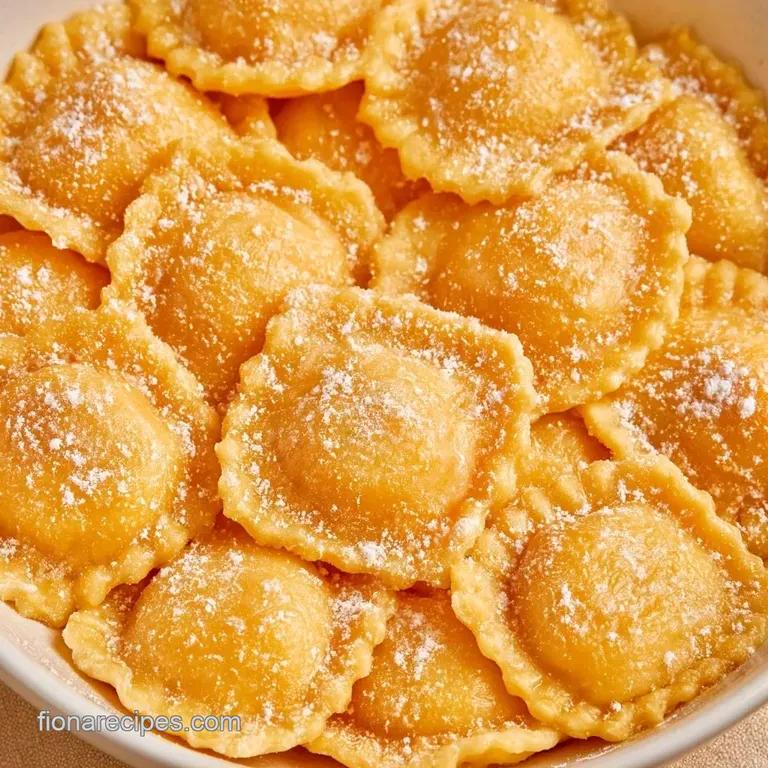
Phase 1: Creating the Flour Well
Sift the 00 flour and semolina into a mound on your workspace. Use your fingers to form a wide, deep hole in the middle for the Ravioli Dough.
Phase 2: Mixing
Add the eggs, olive oil, and salt to the center. Gently beat the eggs with a fork, slowly drawing flour from the inner edges of the crater while keeping the outer wall intact.
Phase 3: Incorporating
Once the mixture becomes a shaggy mass, use your hands to fold in the remaining flour.
Phase 4: The Knead
Knead the Ravioli Dough for 8-10 minutes. Press it away from you with the heel of your palm, fold it back, and turn. Stop once the dough is smooth and elastic, bouncing back slowly when pressed.
Phase 5: The Rest
Wrap the Ravioli Dough tightly in plastic film. Let it rest at room temperature for 30 minutes to allow the gluten to relax.
Phase 6: Rolling
On a floured surface, roll the dough until it is approximately 1/8 inch thick.
Phase 7: Filling
Place small portions of filling on the sheet, leaving about 2 inches of space between them.
Phase 8: Sealing
Fold the dough over the filling, pressing out any air pockets. Use a knife or pasta wheel to cut them.
Phase 9: Boiling
Drop the pasta into boiling salted water. Cook for 4 mins until they float to the surface.
Handling Common Issues
When you're first handling your Ravioli Dough, it might not behave. Usually, it's just a matter of humidity or egg size.
Fixing Sticky Dough
If it clings to your hands, you likely have high humidity or larger eggs. Add semolina flour one tablespoon at a time.
Fixing Dry Dough
If the dough is crumbly and won't come together, wet your hands with water and continue kneading. Don't pour water directly onto the dough or you'll get lumps.
Preventing Bursting
Ravioli often burst because of trapped air. Press firmly around the filling to push all the air out before sealing the edges.
| Problem | Fix |
|---|---|
| Dough is too sticky | Dust with semolina flour |
| Dough is too dry | Knead with damp hands |
| Ravioli burst in water | Press out all air bubbles before sealing |
Adjusting the Batch Size
If you're cooking for a crowd, doubling this is easy. Just be careful with the salt. Only increase salt to 1.5x even if you double the flour to avoid over seasoning.
For a smaller batch, half the recipe. Since you can't really use half an egg, beat one egg in a bowl first and then measure out 2 tablespoons. If you find yourself making dough often, you might like the logic behind my pizza dough for other flour based projects.
| Serving Size | Flour (Total) | Eggs |
|---|---|---|
| 1 Person | 3/4 cup | 1 large |
| 2 People | 1.5 cups | 2 large |
| 4 People | 2.5 cups | 3 large |
| 8 People | 5 cups | 6 large |
Keeping It Fresh
Store your Ravioli Dough in the refrigerator; it will last 2 days. Wrap it tightly in plastic to prevent a dry skin from forming. Let it sit at room temperature for 30 minutes before rolling.
For long term preservation, place the dough in a plastic bag and freeze it for up to 2 months. Thaw it in the refrigerator overnight. Rather than tossing leftover dough scraps, roll them into small noodles known as "maltagliati" (badly cut) and mix them into the sauce used for your ravioli.
Fresh Flavor Ideas
You can easily add color to this Ravioli Dough. For a green version, blend a handful of blanched spinach with the eggs before mixing. For a red version, use a small amount of beet puree.
If you want a vegan option, replace the eggs with a mixture of warm water and a pinch of cornstarch. It won't be as rich, but it's a great alternative.
What to Serve This With
The best way to finish your Ravioli Dough is with a simple sauce that doesn't overpower the pasta. I love a classic brown butter and sage sauce. Just melt butter until it smells nutty, add fresh sage leaves, and toss.
If you want something more traditional, pair these with a ravioli tomato sauce for a hearty meal. Serve with a side of sautéed garlic greens and plenty of grated Parmesan cheese.
Recipe FAQs
Is ravioli dough the same as pasta dough?
Yes, ravioli dough is a specific type of fresh pasta dough. It is designed to be rolled thin yet remain strong enough to hold fillings without bursting during boiling.
Is it true that pizza dough works for ravioli?
Actually, no. Pizza dough uses yeast and is meant to rise, whereas ravioli dough relies on eggs for a dense, silky structure.
Which flour blend is best for ravioli?
A combination of 00 flour and semolina is the best choice. The 00 flour provides a smooth texture, while the semolina adds a slight resistance that prevents the pasta from becoming mushy.
How do I make the dough from scratch?
Sift the flours into a mound and create a deep crater for the eggs, oil, and salt. Knead the mass for 8 to 10 minutes until elastic, then let it rest for 30 minutes.
What should I do with leftover dough?
Roll the remaining dough into small noodles or rustic shapes for another meal. If you enjoyed the process of creating a custom base here, see how we use a similar flavor building approach in our hidden veggie sauce.
Does a home pasta machine actually help?
It significantly speeds up the rolling process and ensures a perfectly uniform thickness. This consistency helps every raviolo cook evenly in the pot.
Homemade Ravioli Dough