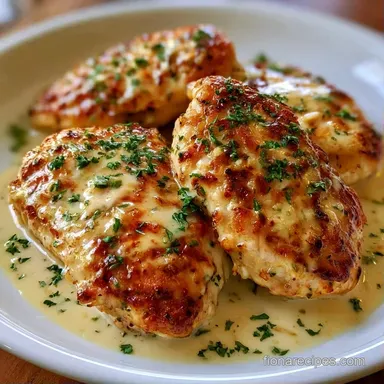
Creamy Garlic Chicken Breast in 30 Minutes
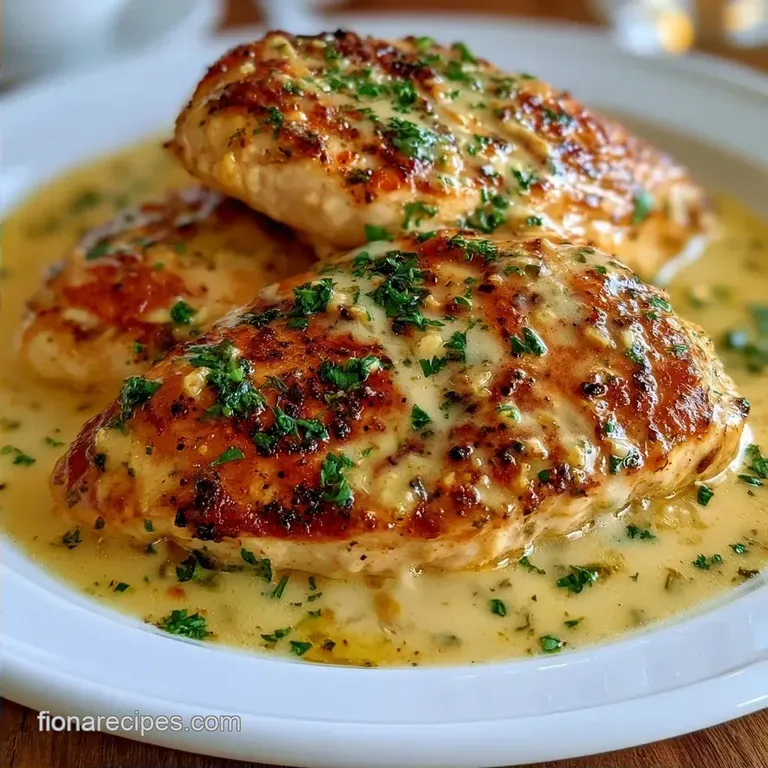
- Time: 10 min prep + 20 min cook
- Flavor/Texture Hook: Golden brown crust with a rich, garlic heavy sauce
- Perfect for: Busy weeknights or a low stress date night
- Creamy Garlic Chicken Breast
- What Makes This Texture Work
- Why These Ingredients Work
- Gathering Your Essentials
- Tools for the Job
- Steps to Cook It
- Fixing Common Issues
- Troubleshooting Common Issues
- Ways to Change It
- Scaling the Recipe
- Kitchen Truths
- Keeping and Warming Leftovers
- What to Serve With It
- High in Sodium
- Recipe FAQs
- 📝 Recipe Card
Creamy Garlic Chicken Breast
The smell of garlic hitting foaming butter in a hot pan is probably my favorite scent in the kitchen. It's that immediate signal that dinner is going to be good. I used to just throw chicken in a pan and hope for the best, but that usually ended with dry meat and a thin, watery sauce that didn't cling to anything.
The real hero here is the heavy cream. While you can use lighter options, the high fat content is what carries the garlic flavor and keeps the chicken moist. When it bubbles down and thickens, it turns a simple piece of protein into something that feels way more expensive than it actually is.
You can expect a dish that hits the balance of salty Parmesan and sharp garlic. It's hearty and comforting, but doesn't take hours to prep. If you're looking for a reliable dinner that kids and adults both love, this is the one.
What Makes This Texture Work
- Flour Dusting: A light coating of flour prevents the meat from sticking and creates a surface that browns quickly. This flour also helps thicken the sauce as it simmers.
- Pan Deglazing: Pouring broth into the hot pan lifts the caramelized bits left from searing. This adds a deep, savory base to the cream.
| Method | Time | Texture | Best For |
|---|---|---|---|
| Stovetop | 30 mins | Crispy crust, thick sauce | Quick weeknights |
| Oven | 45 mins | Evenly tender, lighter sauce | Large batches |
Why These Ingredients Work
| Ingredient | What It Does | Best Swap |
|---|---|---|
| Heavy Cream | Thickens sauce and adds richness | Full fat coconut milk |
| Parmesan | Adds salt and a nutty depth | Pecorino Romano |
| Chicken Broth | Deglazes the pan and adds moisture | White wine |
| All Purpose Flour | Creates a golden sear | Cornstarch |
Gathering Your Essentials
- 1.5 lb (680g) boneless, skinless chicken breasts Why this? Standard size for 4 servings, stays juicy if not overcooked.
- ½ cup (65g) all purpose flour Why this? Essential for the crust and sauce thickness.
- 1 tsp (5g) salt
- ½ tsp (2g) black pepper
- 2 tbsp (30ml) olive oil
- 2 tbsp (30g) unsalted butter Why this? Adds flavor and helps the flour brown.
- 4 cloves (12g) garlic, minced
- ½ cup (120ml) chicken broth Why this? Adds more depth than water.
- 1 cup (240ml) heavy cream Why this? Creates the rich, velvety consistency.
- ½ cup (50g) freshly grated Parmesan cheese Why this? Melts better than pre shredded.
- 1 tbsp (15g) fresh parsley, chopped
- 1 tsp (2g) dried oregano
| Original Ingredient | Substitute | Why It Works |
|---|---|---|
| Heavy Cream | Greek Yogurt | Similar tang. Note: Add at the end off heat to prevent curdling |
| Parmesan | Swiss Cheese | Mild and melty. Note: Less salty than Parmesan |
| Chicken Broth | Vegetable Broth | Same liquid ratio. Note: Slightly sweeter profile |
Tools for the Job
You don't need a professional kitchen for this, but a large skillet is a must. I prefer a 12 inch stainless steel or cast iron pan because they hold heat well, which is what you need for that deep mahogany crust. A whisk is also helpful for getting the lumps out of the sauce.
Steps to Cook It
- Pat the chicken breasts dry with paper towels. Note: Wet chicken steams instead of searing.
- Whisk together flour, salt, and pepper in a shallow dish. Dredge each cutlet in the mixture, shaking off any excess flour.
- Heat olive oil and butter over medium high heat until the butter foams.
- Sear chicken for 3-5 minutes per side until a deep mahogany crust forms, then move them to a plate.
- Reduce heat to medium. Sauté minced garlic for 30-60 seconds until it smells fragrant but isn't brown.
- Pour in chicken broth and whisk vigorously to deglaze the pan, scraping up the brown bits.
- Stir in the heavy cream and dried oregano. Simmer gently for 3-4 minutes until the sauce thickens and bubbles.
- Whisk in the Parmesan cheese until completely melted.
- Return the chicken and any juices on the plate to the skillet.
- Simmer for another 2-3 minutes, spooning sauce over the meat until the internal temperature reaches 165°F (74°C) according to USDA FoodData. Garnish with fresh parsley.
Fixing Common Issues
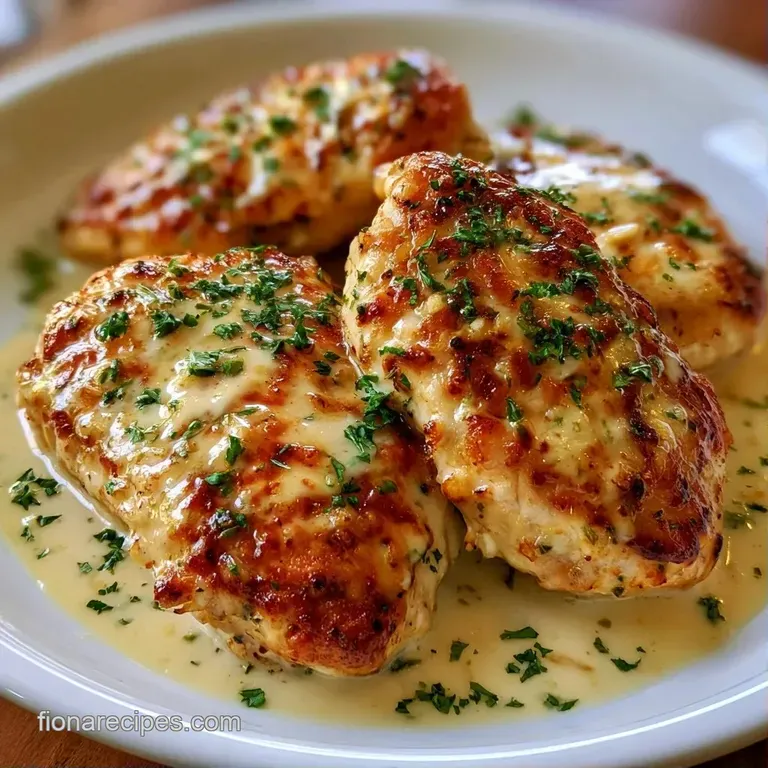
If your sauce looks more like soup than a cream sauce, you probably didn't let it simmer long enough. The cream needs those few minutes of bubbling to reduce and thicken. If you're in a rush, you can simmer it on slightly higher heat, but watch it closely so it doesn't boil over.
Troubleshooting Common Issues
| Issue | Solution |
|---|---|
| Why Your Sauce Separates | This usually happens if the heat is too high or if you used a low-fat substitute that can't handle the temperature. To fix it, whisk in a tablespoon of warm water or broth and lower the heat. |
| Why Your Chicken Is Dry | Overcooking is the main culprit. Even a few extra minutes can turn a juicy breast into cardboard. Use a meat thermometer to pull it at exactly 165°F. |
| Why Your Garlic Is Bitter | Garlic burns fast. If it turns dark brown or black, it becomes bitter and ruins the Creamy Garlic Chicken Breast. Always add garlic after the meat is removed and keep the heat at medium. |
Ways to Change It
If you're feeling fancy, you can easily tweak this recipe. I love adding a handful of sliced mushrooms during the garlic sauté step for an earthy flavor. If you want something a bit brighter, a squeeze of fresh lemon juice at the very end cuts through the richness of the cream.
For a different kind of comfort, try my homemade chicken noodle soup, which uses a similar flavor base but is much lighter. If you're looking for a variation, this works great as a Creamy Garlic Chicken Breast Pasta just toss the cooked chicken and sauce with some fettuccine.
Quick Decision Guide: If you want more veg, add baby spinach at step 8. If you want more heat, add 1/2 tsp red pepper flakes with the garlic. If you want it lighter, swap heavy cream for half and half.
Scaling the Recipe
Scaling Down (Half Batch): Use a smaller 8 inch skillet to keep the sauce from evaporating too quickly. Reduce the simmer time by about 20% since there's less liquid to reduce.
Scaling Up (Double Batch): Do not crowd the pan. If you put 3 lbs of chicken in one skillet, they will release moisture and boil rather than sear. Work in two batches for the meat, then combine everything for the sauce. Only increase the salt and oregano to 1.5x to avoid overpowering the dish.
Kitchen Truths
Myth: Searing seals in the juices. This is a common misconception. Searing doesn't create a waterproof seal; moisture is lost regardless of the crust. The browning just adds a massive amount of flavor to the meat and the sauce.
Myth: You must use heavy cream for thickness. While it's the easiest way, you can get a thick sauce using a roux (butter and flour) and milk. However, it won't have the same rich mouthfeel as the cream version.
Keeping and Warming Leftovers
Fridge: Store in an airtight container for up to 3 days. The sauce will thicken significantly in the fridge.
Freezer: I don't recommend freezing this. Dairy based sauces often separate and become grainy when thawed, which ruins the texture of the chicken.
Reheating: Heat in a skillet over low heat. Add a splash of milk or water to loosen the sauce back up. Avoid the microwave if you can, as it tends to overcook the chicken and split the cream.
Zero Waste Tip: Save the leftover flour butter bits from the pan if you have extra. You can use them as a base for a quick gravy for mashed potatoes the next day.
What to Serve With It
This dish is quite rich, so it pairs best with something that can soak up the sauce or something acidic to balance it. Steamed broccoli or sautéed asparagus are my go to choices. If you're serving it over carbs, mashed potatoes or a wide noodle like pappardelle work best.
If you're in the mood for something lighter on the side, my Classic Cobb Salad is a great contrast to the richness of the chicken. For a budget friendly side, a simple bowl of white rice keeps the focus on the sauce.
High in Sodium
810 mg 810 mg of sodium per serving (35% 35% of daily value)
The American Heart Association recommends a daily sodium limit of no more than 2,300 mg for most adults to maintain heart health.
Tips to Reduce Sodium
-
Swap the Broth-30%
Replace the standard chicken broth with low-sodium or no-salt added chicken broth to drastically lower the base sodium level.
-
Reduce Added Salt-25%
Cut the 1 tsp of salt used for dredging the chicken by half or eliminate it entirely, as the cheese and broth already contribute salt.
-
Moderate the Parmesan-15%
Reduce the amount of grated Parmesan cheese or use a smaller quantity of a higher quality, aged version for a stronger flavor with less volume.
-
Boost Aromatics and Herbs
Increase the fresh parsley and dried oregano to add more complexity and brightness to the dish without adding any sodium.
Recipe FAQs
Can I cook creamy garlic chicken breast in the oven?
No, the skillet method is recommended. Searing in a pan creates the mahogany crust and concentrated pan sauce that oven baking cannot replicate.
How to keep the chicken breasts from becoming dry?
Use a meat thermometer to pull the chicken at exactly 165°F. Overcooking by even a few minutes can turn a juicy breast into cardboard.
How to fix a sauce that separates?
Whisk in a tablespoon of warm chicken broth and lower the heat. Separation usually occurs if the heat is too high or if a low-fat substitute was used.
Is it true that I must sear the chicken for 10 minutes per side to get a crust?
No, this is a common misconception. Sear for only 3-5 minutes per side over medium high heat to achieve a deep mahogany crust without overcooking the center.
How to prevent the garlic from tasting bitter?
Sauté the minced garlic for only 30-60 seconds. Remove it from the heat as soon as it becomes fragrant but before it turns brown or black.
How to thicken the sauce if it is too thin?
Simmer the heavy cream and oregano for 3-4 minutes. This allows the sauce to reduce and thicken slightly before you whisk in the Parmesan cheese.
What sides pair best with this dish?
Serve it over pasta, rice, or steamed vegetables. If you enjoy these creamy garlic notes, you can apply a similar flavor profile to a white pizza sauce for a different meal.
Creamy Garlic Chicken Breast