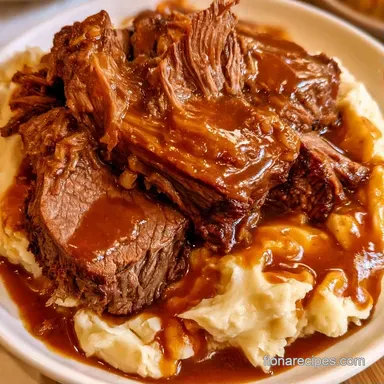
One-Pot Pot Roast with Mashed Potatoes
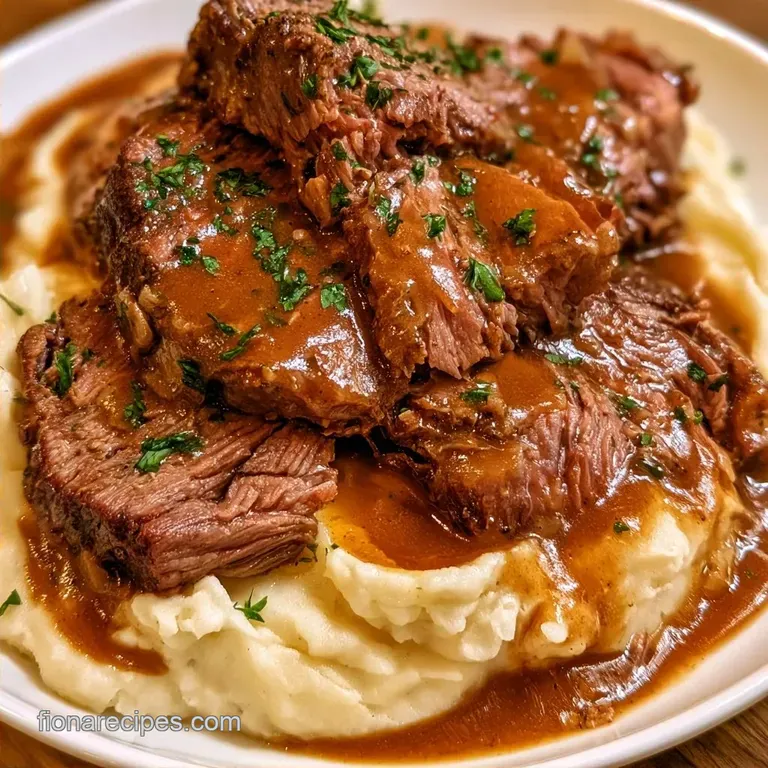
- Time: 20 min active + 3 hrs 30 min cooking
- Flavor/Texture Hook: Mahogany crust and creamy mash
- Perfect for: Family Sunday dinner
- Pot Roast with Mashed Potatoes
- Why This Dish Works
- Quick Recipe Specs
- Gathering Your Essentials
- Tools You Will Need
- The Cooking Process
- What Each Ingredient Does
- Solving Common Issues
- Making Dietary Changes
- Adjusting Recipe Size
- Common Cooking Myths
- Storage and Freshness
- Serving the Meal
- High in Sodium
- High in Sodium
- Recipe FAQs
- 📝 Recipe Card
Pot Roast with Mashed Potatoes
The loud sizzle of beef hitting a hot Dutch oven is the best sound in the kitchen. I used to think you needed a fancy slow cooker to get meat that just falls apart, but a heavy pot and some patience do the job better. The key is the chuck roast. It's a tough cut, but that's exactly why it's the star here.
If you use a leaner cut, you'll end up with a dry piece of meat that feels like a rubber ball. Chuck has just enough fat and connective tissue to stay juicy over several hours. This makes the Pot Roast with Mashed Potatoes a reliable choice for those nights when you want real comfort food without a million pans to scrub.
You can expect a meal where the beef is tender enough to break with a fork. The mashed potatoes act like a cloud to hold the rich gravy. It's simple, filling, and kids usually love it because it's soft and savory.
Why This Dish Works
Low Heat: The slow cook melts tough connective tissue into something that melts in your mouth.
The Brown Bits: Searing the meat first creates a crust that thickens the gravy naturally.
If you're curious about other methods, my Pot Roast in the Dutch Oven guide explains how the heavy lid keeps moisture locked in.
| Method | Time | Texture | Best For |
|---|---|---|---|
| Dutch Oven | 3.5 hrs | Deep crust, rich | Sunday Dinner |
| Slow Cooker | 8 hrs | Very soft, lighter | Set and forget |
| Instant Pot | 1.5 hrs | Tender, less crust | Weeknight rush |
Quick Recipe Specs
This meal is designed for a crowd, yielding 12 servings. It takes 20 minutes of prep and 3 hours 30 mins of cooking. The total time is 3 hours 50 mins.
The internal temperature of the beef should reach about 190-200°F (88-93°C) for that shreddable texture. USDA guidance puts the safe internal temperature for beef at 145°F, but for a roast, you need to go much higher to break down the collagen.
Gathering Your Essentials
For the beef: - 3 lb beef chuck roast Why this? High collagen content ensures the meat stays tender. - 2 tbsp vegetable oil Why this? High smoke point prevents burning during the sear. - 1 tsp kosher salt - ½ tsp black pepper - 1 large yellow onion,
Chunky dice - 4 cloves garlic, smashed - 3 large carrots, cut into 2 inch chunks - 2 stalks celery, cut into 2 inch chunks - 2 cups beef broth, low sodium - 1 cup dry red wine Why this? Acidity cuts through the richness of the beef. - 2 tbsp Worcestershire sauce - 2 sprigs fresh rosemary
- 3 sprigs fresh thyme - 2 bay leaves
For the mash: - 3 lb Russet potatoes, peeled and cubed Why this? High starch makes them fluffy when mashed. - ½ cup unsalted butter - 1 cup whole milk - 1 tsp salt - ½ tsp garlic powder
For the gravy: - 2 tbsp unsalted butter - 2 tbsp all purpose flour - 2 cups reserved braising liquid
| Original Ingredient | Substitute | Why It Works |
|---|---|---|
| Red Wine | Beef Broth | Same liquid volume. Note: Less acidity, milder taste |
| Russet Potatoes | Yukon Gold | Same starch. Note: Creamier, more buttery flavor |
| Whole Milk | Heavy Cream | Similar fat. Note: Makes the mash much richer |
| Beef Broth | Vegetable Broth | Liquid base. Note: Lacks the deep beefy depth |
Tools You Will Need
Special equipment isn't necessary for every part of this process. The primary piece of gear is a 6 quart Dutch oven with a tight fitting lid, which transitions seamlessly from the stovetop to the oven.
To ensure your potatoes are completely smooth, a potato ricer is ideal. However, a traditional hand masher is a perfectly good substitute. You will also need a fine mesh strainer to clarify the braising liquid before preparing the gravy.
The Cooking Process
Use paper towels to pat the beef chuck roast completely dry. Season it generously with pepper and salt. Note: Dry meat sears faster and more effectively.
In a Dutch oven, heat vegetable oil over medium high heat. Sear the meat for 5-7 minutes per side until a rich, dark crust develops. Remove the roast and set it aside.
Turn the heat down to medium. Sauté the diced onions and celery until soft. Stir in the smashed garlic for 60 seconds, then deglaze the pot with red wine, scraping the bottom.
Put the seared roast back into the pot. Pour in beef broth and Worcestershire sauce until the liquid reaches halfway up the sides of the meat. Add the bay leaves, thyme, and rosemary.
Cover with a tight fitting lid and move to a 325°F (163°C) oven. Roast for 3 hours. Add the carrot chunks around the meat for the last 45 minutes.
While the roast is resting, boil potato cubes in salted water for 15-20 minutes until they are tender when pierced with a fork. Drain and mash using a ricer or masher.
Stir in butter, warm milk, salt, and garlic powder until the mashed potatoes are fluffy.
Strain the braising liquid and discard the aromatics. In the Dutch oven, melt 2 tbsp butter over medium heat, whisk in flour for 2 minutes to create a roux, and slowly stir in 2 cups of the reserved liquid. Simmer until the sauce is thick and glossy.
What Each Ingredient Does
| Component | Purpose | Substitute Notes |
|---|---|---|
| Beef Chuck | Main protein | Brisket works but is leaner |
| Red Wine | Depth and acid | Extra broth is okay, less zing |
| Russet Potatoes | Starch base | Yukon gold for a creamier feel |
| Worcestershire | Umami boost | Soy sauce adds a similar saltiness |
Chef's Note: If you have a bit of espresso powder, add a pinch to the braising liquid. It doesn't taste like coffee, but it makes the beef color look darker and the flavor taste deeper.
Solving Common Issues
Fixing Tough Beef
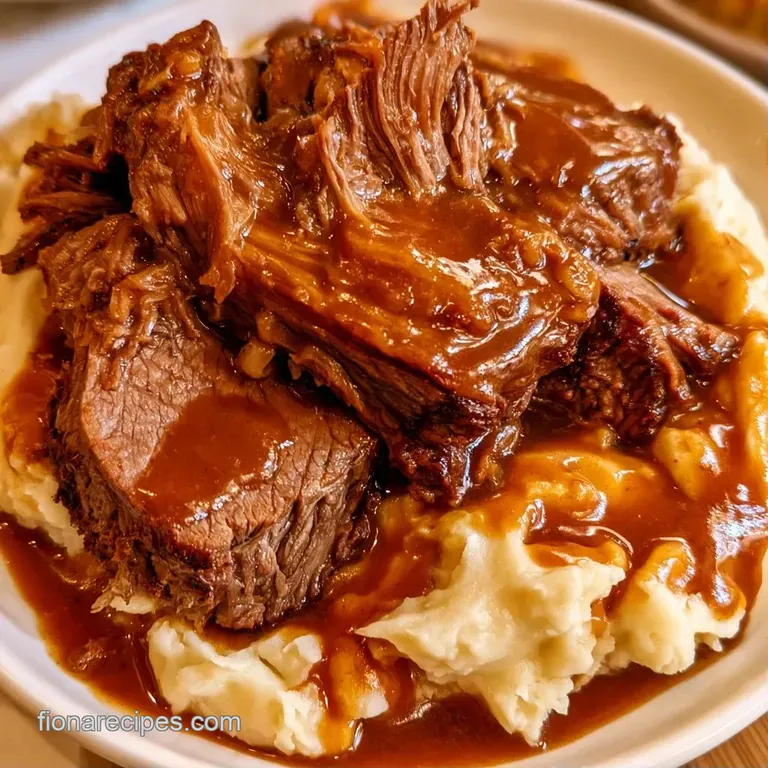
If the meat isn't shredding, it simply hasn't hit the temperature where collagen converts to gelatin. Return it to the oven for another 30-45 minutes. Do not increase the heat, as low and slow is the only way to break down these connective tissues.
Rescuing Lumpy Mash
Lumps happen if you overwork the potatoes or use a fork instead of a masher. If you see lumps, try passing the mash through a ricer or a coarse sieve. Adding warm milk instead of cold milk also helps the butter incorporate more smoothly.
Thickening Thin Gravy
If your gravy is too runny, let it simmer for another 5-10 minutes to reduce. Alternatively, mix 1 tsp of cornstarch with a splash of cold water to make a slurry, then whisk it into the boiling gravy for an instant thicken.
Making Dietary Changes
For those avoiding dairy, you can swap the butter in the potatoes for a high-quality vegan butter or olive oil. Replace the whole milk with unsweetened almond milk or a splash of the potato boiling water. It won't be as rich, but it stays creamy.
To lower the carb count, swap the potatoes for mashed cauliflower. Steam the cauliflower until very soft, then blend it with garlic and a bit of cream cheese. This pair makes the Pot Roast with Mashed Potatoes much lighter.
For a more French style, add a tablespoon of tomato paste when sautéing the garlic. This adds a subtle sweetness and a thicker texture to the braising liquid.
| Item | Premium Option | Budget Option | Impact |
|---|---|---|---|
| Wine | Cabernet Sauvignon | Dry Red Blend | Minimal flavor diff |
| Beef | Organic Grass fed | Standard Chuck | More lean in organic |
| Butter | European Style | Store Brand | Less creamy finish |
Adjusting Recipe Size
For a smaller crowd (half recipe), use a smaller 3 quart pot. Reduce the cooking time by about 20%, but always check for tenderness with a fork. Beat one egg if you're adding binders to any side dishes, then use half.
When doubling the recipe for a big party, don't double the salt or spices. Use 1.5x the amount of salt and herbs, as they can become overpowering in large volumes. You may need to sear the meat in batches to avoid crowding the pot, which would steam the meat instead of browning it.
For a larger roast, lower the oven temperature to 300°F (150°C) and extend the time by an hour to ensure the center cooks through without burning the outside.
Common Cooking Myths
Searing meat does not "seal in juices." Moisture loss happens regardless of the sear. The brown crust is purely for flavor and aroma.
You don't need to peel potatoes for them to be creamy. If you use a peeler, you lose some nutrients. Just scrub them well and mash the skins right in for a rustic feel.
Some say you must use red wine for a pot roast. While it adds a nice acidity, a splash of apple cider vinegar or lemon juice at the end can provide a similar brightness if you prefer no alcohol.
Storage and Freshness
Refrigerate any remaining portions in a closed container for 3-4 days. The beef and potatoes hold up well together, but I recommend keeping the gravy in a separate jar to prevent the mash from becoming soggy.
For freezer storage, the beef and gravy stay excellent for up to 3 months. Avoid freezing the mashed potatoes, as they often develop a grainy texture when thawed. Instead, whip up a fresh batch of mash when you reheat the meat.
To minimize waste, collect your carrot ends and onion peels in a freezer bag. Once the bag is full, simmer them with water and a bay leaf to create a basic vegetable stock.
Serving the Meal
Start with a generous scoop of mashed potatoes, forming a small indentation in the middle. Nestled on top, place a portion of beef and arrange the carrots and celery around the sides. Finish by pouring the gravy over the meal so it collects in the potato well.
This cozy comfort dish pairs beautifully with a side of steamed green beans or a crisp garden salad to balance the richness. For another filling family favorite, my Classic Meatloaf Recipe is another wonderful weeknight choice.
To elevate the presentation, garnish with a bit of fresh parsley or a dash of cracked black pepper. Serving it directly from the Dutch oven creates a warm, family style atmosphere that makes everyone feel welcome.
Now you're all set to create a fantastic Pot Roast with Mashed Potatoes. Please don't rush the searing process it's crucial. That deep mahogany crust is where the most flavor is developed. Let's dive in and start cooking!
High in Sodium
980 mg of sodium per serving (43% of the daily value)
The American Heart Association suggests limiting sodium intake to 2,300 mg per day to help lower the likelihood of hypertension and heart disease.
Ways to Lower Sodium
-
Change the Broth-30%
Use no-salt added beef broth or a homemade unsalted stock instead of low-sodium beef broth.
-
Cut the Salt-25%
Leave out the 1 tsp salt from the mashed potatoes and use half the amount of kosher salt on the beef.
-
Lessen the Sauce-20%
Use half as much Worcestershire sauce or substitute it with balsamic vinegar for a similar tangy depth.
-
Add More Herbs
Increase the fresh rosemary and thyme to amplify the savory flavor without increasing the salt.
High in Sodium
980 mg 980 mg of sodium per serving (43% 43% of daily value)
The American Heart Association recommends a daily sodium limit of no more than 2,300 mg, with an ideal limit of 1,500 mg for most adults to reduce cardiovascular risk.
Tips to Reduce Sodium
-
Switch Your Broth-30%
Replace the low sodium beef broth with no-salt added beef broth or a homemade unsalted stock to significantly cut salt content.
-
Eliminate Added Salt-25%
Omit both the kosher salt used for the roast and the salt added to the mashed potatoes.
-
Swap the Sauce-20%
Use a low-sodium version of Worcestershire sauce or substitute it with a small amount of balsamic vinegar for a similar tangy depth.
-
Limit Braising Liquid-10%
Reduce the amount of reserved braising liquid used for the final sauce and increase the flour slightly to maintain thickness.
-
Season Potatoes Differently-10%
Instead of salt, season the potatoes with extra garlic powder or a pinch of paprika for added flavor without the sodium.
-
Boost Fresh Aromatics
Increase the quantities of fresh rosemary, thyme, and garlic to enhance the natural savory profile of the dish.
Recipe FAQs
Do mashed potatoes go with pot roast?
Yes, they are the ideal accompaniment. Their creamy texture complements the savory beef and mirrors the comfort found in homemade biscuits.
What is the secret to a tender roast?
Sear the beef until a mahogany crust forms. This process develops a deep flavor profile that penetrates the meat during the slow cooking process.
Which liquid is best for braising?
A blend of beef broth and red wine. This combination provides a rich base while the wine's acidity helps tenderize the chuck roast.
When should potatoes be added?
Boil them separately while the meat rests. Cooking them on the stove ensures they remain fluffy instead of becoming waterlogged in the oven.
How to achieve the perfect tenderness?
Roast at 325°F (163°C) for 3 hours. Using a tight lid prevents moisture loss, allowing the connective tissue to melt slowly.
Is it true any potato works for mashing?
Actually, no. Russet potatoes are necessary for this recipe because their high starch content creates the best fluffy consistency.
Should carrots be added at the start?
Surprisingly, no. Adding them during the final 45 minutes of roasting prevents them from becoming overly soft.
Pot Roast With Mashed Potatoes