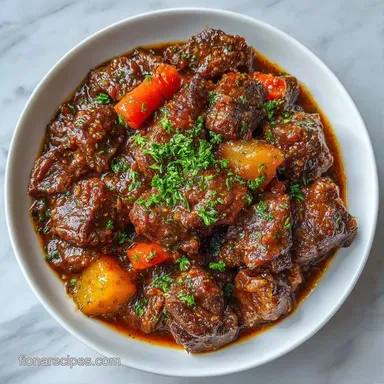
Ground Beef Casserole: Golden and Savory
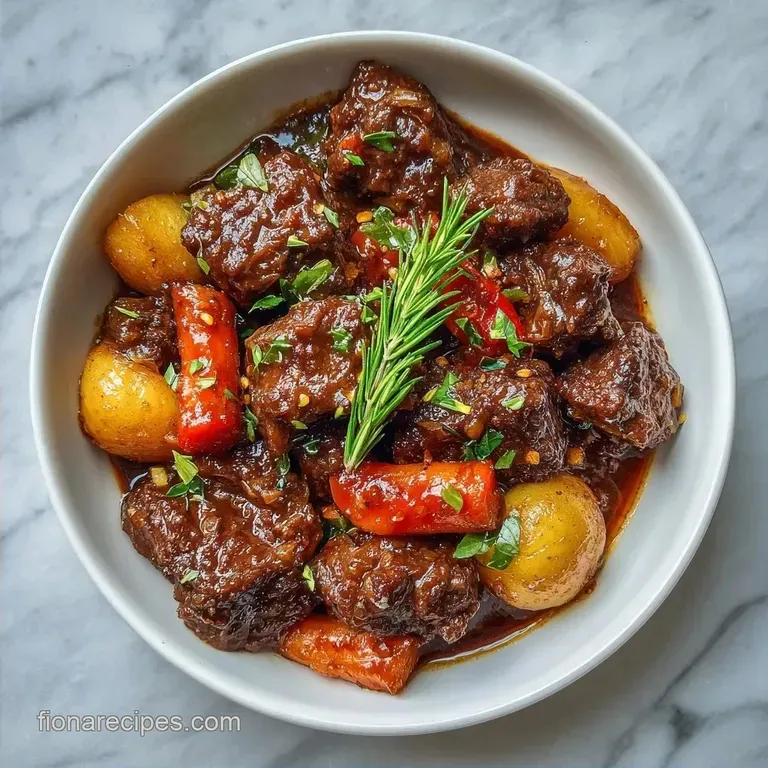
- Time: 15 min active + 30 min cook
- Flavor/Texture Hook: Velvety beef base with a golden, bubbling cheese crust
- Perfect for: Busy weeknight dinners, kid approved meals, and easy meal prep
- Easy Ground Beef Casserole Recipe
- Why the Texture Works
- The Ingredient Deep Dive
- Necessary Kitchen Tools
- Cooking Steps for Success
- Avoiding Common Mistakes
- Troubleshooting Common Issues
- Swaps and Variations
- Preservation Secrets
- Best Side Dish Pairings
- Final Thoughts on Comfort
- Recipe FAQs
- 📝 Recipe Card
The first thing you'll notice is that aggressive sizzle when the beef hits the hot pan. There is something about that sound, combined with the aroma of garlic and onions starting to soften, that just feels like home.
It is the kind of smell that makes everyone in the house wander into the kitchen asking, "What's for dinner?"
I remember one rainy Tuesday when I had zero energy and a fridge full of random staples. I threw together a version of this, but I skipped the cornstarch slurry. The result? A puddle of beefy soup at the bottom of the dish. It was edible, but it lacked that cohesive, comforting feel.
After tinkering with the thickening process, I found the exact balance that keeps it rich without being gloppy.
This Ground Beef Casserole Recipe is designed for those nights when you need a win without spending hours at the stove. It is hearty, filling, and honestly, it is the kind of real food that satisfies a craving for comfort without feeling like a chore to make.
Easy Ground Beef Casserole Recipe
When we talk about the best way to handle ground beef, it is all about the sear. You want that beef to hit a mahogany color, not just a dull grey. That is where the deep, savory flavor lives. If you just cook it until it is "no longer pink," you are missing out on a huge amount of taste.
This dish is a powerhouse because it combines everything you love about a shepherd's pie but simplifies the process. By focusing on a concentrated sauce and a textural topping, we create a meal that feels put together but only takes a few pans.
It is the kind of meal that tastes even better the next day, which makes it a dream for lunches.
If you are looking for other hearty beef options, you might like my Classic Meatloaf Recipe, which uses a similar flavor base but with a different texture. But for a one dish wonder, this is the way to go.
Why the Texture Works
Understanding why this works helps you avoid the "soggy bottom" syndrome that plagues so many home cooked bakes.
- The Slurry Effect
- Mixing cornstarch with cold water before adding it to the heat prevents clumps and creates a velvety bond between the broth and the beef.
- Panko Surface Area
- These Japanese style crumbs are larger and airier than standard breadcrumbs, allowing them to fry in the cheese fat for a shatter crisp finish.
- Fat Management
- Draining most of the beef fat prevents the sauce from separating and becoming greasy, ensuring the flavors stay integrated.
- Temperature Shock
- Baking at 375°F (190°C) is the sweet spot where the cheese bubbles and browns before the beef overcooks and dries out.
| Method | Time | Texture | Best For |
|---|---|---|---|
| Stovetop Only | 20 mins | Soft/Saucy | Quick lunches |
| Oven Baked | 45 mins | Crispy/Cohesive | Family dinners |
| Slow Cooker | 4 hours | Very Tender | Set and forget |
The Ingredient Deep Dive
Not all ingredients are created equal in a Ground Beef Casserole Recipe. The choices we make here are all about building layers of flavor.
| Ingredient | Science Role | Pro Secret |
|---|---|---|
| Lean Beef (90/10) | Protein Base | High lean percentage prevents the sauce from breaking |
| Worcestershire | Umami Booster | Adds fermented depth that mimics slow cooked stews |
| Cornstarch | Stabilizer | Creates a glossy, thick sauce that holds during reheating |
| Sharp Cheddar | Fat/Flavor | Higher aged cheeses melt more predictably and taste bolder |
The lean beef is key here. According to USDA FoodData, lean beef provides a high protein density without the excess saturated fats that can make a casserole feel heavy or "oil slicked." By using 90/10, we keep the flavor focused on the spices rather than the grease.
Necessary Kitchen Tools
You don't need a professional kitchen for this, but a few specific tools make the process a lot smoother.
First, a large skillet is non negotiable. You need enough surface area so the beef browns instead of steaming in its own juices. A stainless steel or cast iron pan is best for getting that deep mahogany crust. If you crowd the pan, the temperature drops, and you end up with grey meat.
Next, you will need a 9x9 inch baking dish. This size is crucial for the ratio of filling to topping. If the dish is too large, the layer of beef will be too thin and will dry out in the oven. If it's too small, the center might stay too loose.
Finally, a whisk or a small fork for the slurry. You cannot just dump cornstarch into a boiling pot, or you'll end up with white lumps of flour throughout your dinner. Mixing it with water first ensures it integrates seamlessly.
Cooking Steps for Success
Let's crack on with the actual process. Follow these steps closely to get that specific texture we are after.
Brown the ground beef in a skillet over medium high heat. Use your spatula to break it into small crumbles, cooking until the meat is mahogany colored and slightly crisp. Drain the excess fat, but leave about 1 tablespoon in the pan for flavor.
Note: Don't rush this; the color equals flavor.
Add the diced yellow onion and minced garlic to the skillet. Sauté for 3-5 minutes until the onions are translucent and smelling sweet.
Stir in the smoked paprika, salt, black pepper, and Worcestershire sauce. Cook for 60 seconds. Note: Toasting the paprika in the fat awakens the oils in the spice.
Pour in the tomato sauce and beef broth. Bring the mixture to a light simmer over medium heat.
Whisk the cornstarch with 1 tablespoon of water in a small bowl to create a slurry. Stir this into the beef mixture until the sauce thickens and becomes velvety.
Carefully transfer the beef mixture into your 9x9 inch baking dish, smoothing the top with a spoon.
Top the mixture with a thick, even layer of shredded sharp cheddar cheese and a sprinkle of panko breadcrumbs.
Bake at 375°F (190°C) for 15-20 minutes until the cheese is bubbling and the edges are golden brown.
Avoiding Common Mistakes
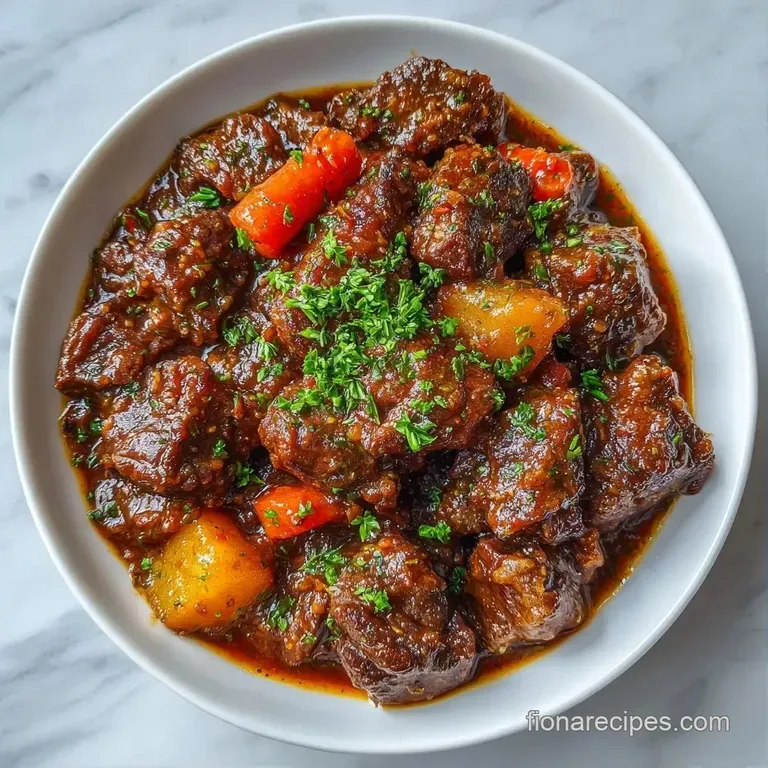
Even with a simple Ground Beef Casserole Recipe, things can go sideways if you aren't paying attention to the cues.
Troubleshooting Common Issues
| Issue | Solution |
|---|---|
| Why Your Sauce is Watery | This usually happens because the cornstarch wasn't fully activated or the beef wasn't browned enough. If the beef releases too much water during the browning phase, it dilutes the sauce. |
| Why the Cheese is Burnt | If your oven runs hot, the panko and cheese can char before the center is hot. If you notice the top browning too fast, just tent a piece of foil over the dish for the last 5 minutes. |
| Why the Beef is Dry | Overcooking the beef in the skillet before it even hits the oven is the main culprit. |
Common Mistakes Checklist
- ✓ Did you brown the beef to a mahogany color?
- ✓ Is the cornstarch mixed with water first?
- ✓ Did you use a 9x9 dish for the correct depth?
- ✓ Did you drain the excess fat before adding onions?
- ✓ Is the oven preheated to 375°F (190°C)?
Swaps and Variations
One of the best things about a Ground Beef Casserole Recipe is how easy it is to tweak based on what you have in the pantry.
If you want a Ground Beef Casserole with Potatoes, you can omit the panko and top the beef mixture with thinly sliced potato rounds or a layer of mashed potatoes. Just increase the bake time by about 10-15 minutes to ensure the potatoes are tender.
For those preferring a Ground Beef Casserole with Rice, stir in 2 cups of cooked jasmine rice into the beef mixture before transferring it to the baking dish.
For a Healthy Ground Beef Casserole, you can swap the panko for almond meal or crushed walnuts and use a low-fat mozzarella instead of sharp cheddar. If you need a Ground Beef Casserole without Pasta (which this already is), you can add diced carrots and peas to the beef base for extra nutrients.
If you're in the mood for something equally cozy, you might consider making some Homemade Biscuits and Gravy as a weekend brunch to complement your week of hearty dinners.
| Original Ingredient | Substitute | Why It Works |
|---|---|---|
| Lean Beef (1 lb) | Ground Turkey (1 lb) | Similar profile. Note: Leaner, so add 1 tbsp olive oil |
| Sharp Cheddar | Pepper Jack | Similar melt. Note: Adds a spicy kick |
| Beef Broth | Vegetable Broth | Liquid base. Note: Lighter flavor, less "meaty" |
| Panko Crumbs | Crushed Ritz Crackers | Buttery crunch. Note: Saltier than panko |
If you want a different texture, try these shortcuts: - If you want a "chewier" bite, add 1/2 cup of frozen peas and corn. - If you want a richer sauce, replace 1/2 cup of broth with heavy cream. - If you want a smoky finish, use double the smoked paprika.
Preservation Secrets
Storage is where most people mess up. If you put a hot casserole directly into the fridge, you risk creating condensation that makes the crust soggy. Let it cool for about 30 minutes first.
Fridge Storage: Keep your leftovers in an airtight container for up to 4 days. The flavors actually meld together over time, making the second day portions taste even richer.
Freezing Guidelines: This dish freezes surprisingly well. I recommend freezing it in individual portions. You can freeze the assembled but unbaked casserole for up to 2 months.
When you're ready to eat, bake it from frozen at 350°F (175°C) for about 40-45 minutes.
Reheating Tips: To keep that shatter crisp top, avoid the microwave if possible. Heat leftovers in a toaster oven or a conventional oven at 325°F (160°C) until bubbling.
If you must use a microwave, place a damp paper towel over the dish to keep the beef from drying out.
Zero Waste Idea: If you have leftover beef broth from the can, don't toss it. Freeze it in ice cube trays and pop them into your next soup or risotto for a quick flavor boost.
Best Side Dish Pairings
Because this Ground Beef Casserole Recipe is so rich and savory, you need sides that cut through that heaviness.
The Fresh Balance: A crisp, acidic salad is the perfect partner. I love a simple arugula salad with a lemon olive oil vinaigrette. The bitterness of the greens and the zing of the lemon balance the creamy cheddar and salty beef.
The Classic Side: Steamed broccoli or roasted asparagus works wonders here. The snap of a fresh green vegetable prevents the meal from feeling too "one note" in terms of texture. If you want something more filling, a side of garlic sauteed spinach is a great way to sneak in more greens.
Avoid serving this with other heavy starches like mac and cheese or heavy mashed potatoes unless you are preparing for a food coma. Stick to things that are light, bright, and fresh to make the meal feel balanced.
Final Thoughts on Comfort
At the end of the day, a Ground Beef Casserole Recipe is all about reliability. It is the kind of meal that doesn't demand your full attention but delivers a high reward. By focusing on the browning of the meat and the stability of the sauce, you move from a basic "hamburger bake" to something truly satisfying.
Trust your senses. Listen for the sizzle, look for the mahogany color, and smell the toastiness of the paprika. That is how you know you are on the right track. Whether you are feeding a crowd or just prepping for the week, this dish is a staple for a reason.
Once you've mastered this, you'll find yourself tweaking it with different cheeses and vegetables, making it your own. But the foundation, the sear, the slurry, and the panko, will always be the secret to that velvety, crispy result. Happy cooking!
Recipe FAQs
Can I use 80/20 ground beef instead of 90/10?
Yes, but you must drain the fat thoroughly. Excessive grease can make the sauce oily and prevent the cornstarch from thickening properly.
How to fix a watery sauce?
Whisk cornstarch with water to create a slurry. Stir this mixture into the simmering beef until the sauce becomes velvety and thick.
Why is the cheese burning before the casserole is heated through?
Your oven likely runs hot. Tent a piece of foil over the dish for the final 5 minutes of baking to protect the panko and cheese from charring.
How to prevent the beef from becoming dry?
Brown the meat only until mahogany-colored. Overcooking the beef in the skillet before it reaches the oven removes too much internal moisture.
Is it true that I should stop browning the beef as soon as it turns grey?
No, this is a common misconception. Searing the beef until it is mahogany-colored and slightly crisp is essential for developing a deep, savory flavor.
What side dish pairs best with this meal?
A fresh, crisp salad balances the richness. If you enjoyed the flavor balance here, see how we use fresh ingredients in our Classic Cobb Salad.
Can I use a baking dish larger than 9x9 inches?
Yes, but the cooking time will decrease. A larger pan spreads the ingredients thinner, so check for bubbling cheese and golden edges earlier than 15 minutes.
Ground Beef Casserole Recipe: Golden