Vegetable Stir Fry with Noodles
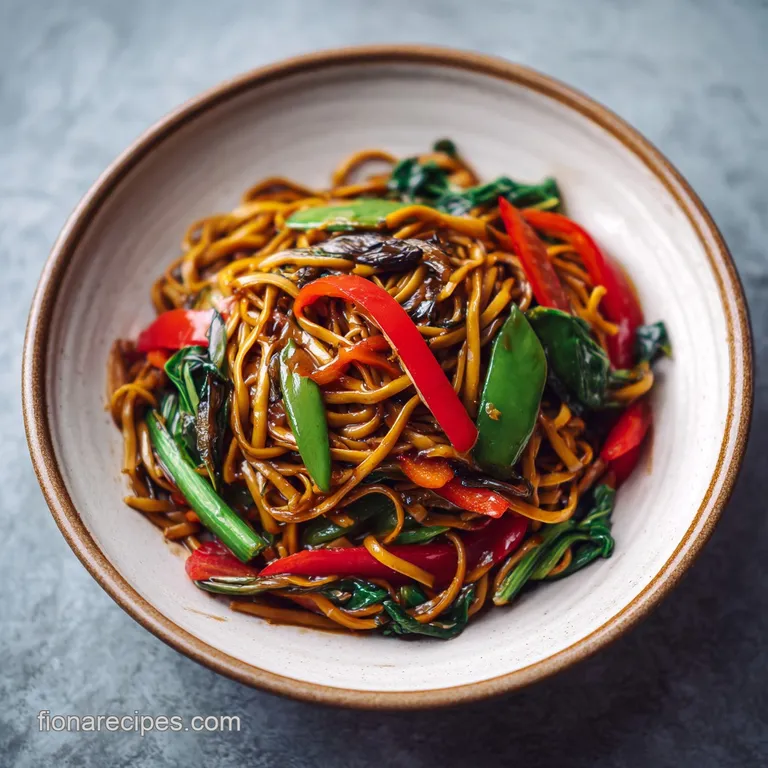
- Time: Active 10 minutes, Passive 5 minutes, Total 15 minutes
- Flavor/Texture Hook: Silky noodles with a shatter crisp vegetable crunch
- Perfect for: Weeknight exhaustion, fridge clearing, and beginner friendly meal prep
- Vital Statistics for This Meal
- Primary Components for Best Results
- Essential Minimalist Kitchen Tools
- Detailed Stir Fry Cooking Steps
- Overcoming Common Cooking Roadblocks
- Simple Dietary Adjustment Options
- Myths About Noodle Stir Frying
- Storage and Repurposing Guide
- Ideal Pairings for This Meal
- Very High in Sodium
- Recipe FAQs
- 📝 Recipe Card
The kitchen fills with the sharp, spicy scent of fresh ginger hitting hot oil, followed immediately by that unmistakable, aggressive sizzle that tells you the pan is finally hot enough.
There is something incredibly therapeutic about the rhythmic "clack clack" of tongs tossing noodles against a hot skillet while the dark soy sauce caramelizes into something rich and complex.
It's a sensory overload in the best way possible, especially after a long day when the thought of a complex meal feels like too much.
I remember my first attempt at this dish years ago; I crowded the pan with too many wet vegetables and ended up with a soggy, grey mess that looked more like a soup than a stir fry. I learned the hard way that the secret isn't in fancy sauces, but in the physics of the heat and the timing of the toss.
We’re aiming for vegetables that still have a vibrant "snap" when you bite into them, not something that wilts into the background.
We've all been there standing in front of the fridge at 6:00 PM with a handful of random peppers and a half empty bag of noodles. This vegetable stir fry with noodles is your blueprint for turning those humble ingredients into a meal that feels intentional and vibrant.
We are going to skip the takeout containers tonight and make something faster, fresher, and honestly, way more satisfying. Trust me, once you see how the sauce clings to those noodles, you'll never look back.
Vital Statistics for This Meal
Before we get the oil shimmering, let's look at the logistics of this dish. This is a high speed operation, so having your weights and measures ready is the difference between a glassy sauce and a burnt garlic disaster.
The Physics of the Flash Fry: High heat causes rapid evaporation of surface moisture, which prevents the vegetables from steaming in their own juices. This allows the Maillard reaction to occur on the vegetable edges while keeping the interior structurally intact and crunchy.
| Method | Time | Texture | Best For |
|---|---|---|---|
| High Heat Stovetop | 5 minutes | Shatter crisp veg, smoky edges | Traditional texture and speed |
| Medium Heat Sauté | 10 minutes | Soft, tender vegetables | People sensitive to over high heat smoke |
| Cold Noodle Toss | 7 minutes | Chewier noodle, less sauce soak | Meal prep and leftovers |
If you are looking for a meal that matches this speed but offers a different flavor profile, you might enjoy my Garlic Parmesan Chicken recipe for those nights when you want creamy comfort instead of savory stir fry. Both are champions of the under-20 minute dinner category.
Primary Components for Best Results
The magic of a great vegetable stir fry with noodles lives in the chemistry of the sauce and the quality of the aromatics. We aren't just adding liquid; we are building a glaze.
| Ingredient | Science Role | Pro Secret |
|---|---|---|
| Cornstarch | Emulsifier and thickener | Mix with cold liquid first to prevent "clumping" |
| Dark Soy Sauce | Caramelization agent | Provides the deep mahogany color and molasses notes |
| Toasted Sesame Oil | Aromatic fat | Add at the end or in small amounts to avoid a bitter burnt taste |
| Fresh Ginger | Enzyme tenderizer | Grate it frozen for a finer paste that melts into the sauce |
The interaction between the sugar and the soy sauce is vital. As the water evaporates in the hot pan, the brown sugar begins to reach a light caramel stage, which helps the sauce "grip" the smooth surface of the lo mein noodles. Without that sugar and starch duo, the sauce would just puddle at the bottom of your bowl.
Essential Minimalist Kitchen Tools
You don't need a professional kitchen or a high BTU burner to make this work. In fact, keeping your tools simple often leads to better results because you can focus on the movement of the food.
- Large Non Stick Skillet or Wok: You need surface area. If the food is piled deep, it steams; if it's spread out, it sears.
- Microplane or Grater: For the ginger and garlic. We want them almost liquid so they coat the noodles rather than leaving big, spicy chunks.
- Long Tongs: Better than a spatula for untangling and tossing long noodles without breaking them.
Chef's Tip: If you don't have a wok, use your largest flat bottomed skillet. Heat it until a drop of water flicked onto the surface dances and evaporates instantly. That’s your signal that the "flash fry" environment is ready.
Detailed Stir Fry Cooking Steps
Let's get into the flow. Remember, once the heat is on, things move fast. Have your sliced peppers and julienned carrots in a bowl right next to the stove.
- Whisk the sauce. Combine 3 tbsp soy sauce, 1 tbsp dark soy sauce, 1 tbsp toasted sesame oil, 1 tbsp brown sugar, 1 tsp cornstarch, 1 tsp grated ginger, and 2 minced garlic cloves. Note: Whisking the cornstarch now ensures a smooth, lump free glaze later.
- Boil the noodles. Cook 6 oz dried lo mein noodles according to package directions, but drain them 1 minute early. Note: They will finish cooking in the sauce, preventing them from becoming mushy.
- Prepare the skillet. Heat 1 tbsp neutral oil over high heat until a light wisp of smoke appears.
- Sear the broccoli. Add 1 cup broccoli florets first as they take the longest. Cook for 2 minutes until bright green and slightly charred.
- Flash fry the aromatics. Add the 1 medium julienned carrot, 1 thinly sliced red bell pepper, and 1 cup snap peas.
- Toss the medley. Stir constantly for 2 minutes until the peppers look glossy and slightly softened but still firm.
- Integrate the noodles. Add the drained noodles to the pan, using tongs to pull the vegetables through the strands.
- The Final Glaze. Give the sauce a quick re whisk and pour it over the noodles.
- Thicken and coat. Toss for 1 minute until the sauce turns from a watery liquid into a thick, velvety glaze that clings to everything.
- Garnish. Remove from heat and toss in 2 sliced green onions before serving.
| Original Ingredient | Substitute | Why It Works |
|---|---|---|
| Lo Mein Noodles | Spaghetti | Similar wheat base. Why this? It's a pantry staple that mimics the texture. |
| Dark Soy Sauce | Extra regular soy + pinch of molasses | Mimics the color and thickness. Why this? Dark soy is mainly for color/depth. |
| Snap Peas | Frozen Green Peas | Adds sweetness. Why this? They provide a similar pop of color and sugar. |
| Neutral Oil | Grapeseed or Canola | High smoke points. Why this? Prevents the oil from burning at high heat. |
Overcoming Common Cooking Roadblocks
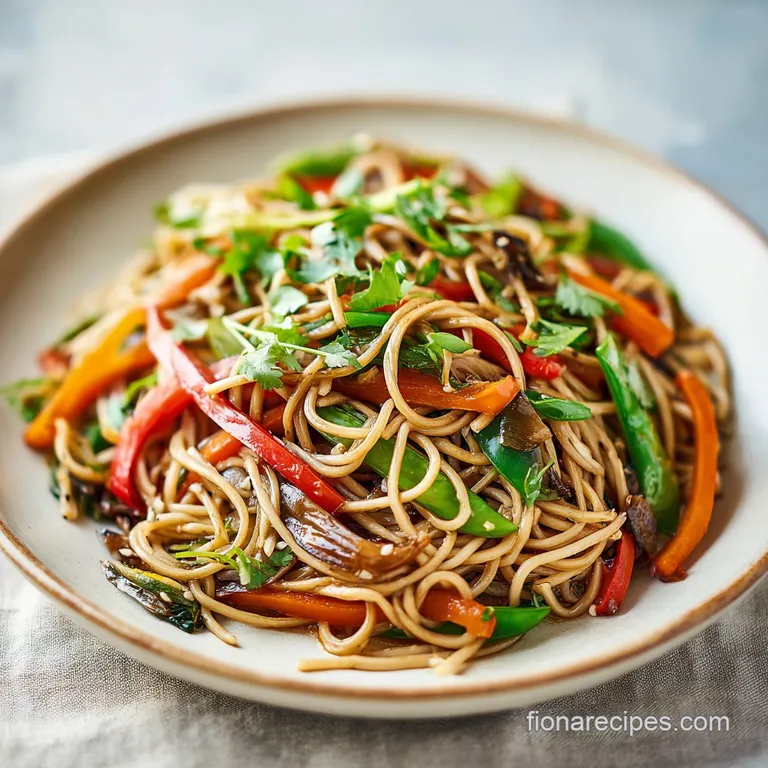
The most common frustration with a vegetable stir fry with noodles is the texture either the vegetables are too soft or the noodles are a tangled, gummy ball.
Preventing Soggy Vegetables
If your vegetables are swimming in liquid, your pan wasn't hot enough or you put too many in at once. When the temperature drops, the cell walls of the vegetables collapse and release water before the outside can sear. Work in two batches if your pan is small!
Rescuing Clumpy Noodles
Dried noodles release starch as they sit. If you boil them and let them sit in the colander while you chop, they will stick together.
| Problem | Root Cause | Solution |
|---|---|---|
| Burnt Garlic | Added too early | Add aromatics after the hard vegetables like broccoli |
| Thin, Watery Sauce | Cornstarch didn't activate | The sauce must reach a simmer (bubbling) to thicken |
| Sticky Noodles | Excess surface starch | Rinse cooked noodles under cold water to stop cooking and remove starch |
Common Mistakes Checklist
- ✓ Always prep the "aromatic base" (ginger/garlic) before turning on the heat.
- ✓ Don't skip the dark soy sauce if you want that deep restaurant color.
- ✓ Pat your vegetables dry after washing; water is the enemy of a good sear.
- ✓ Use a "neutral" oil like canola or peanut; olive oil has too low a smoke point for this.
- ✓ Let the pan reheat for 30 seconds between vegetable batches.
Simple Dietary Adjustment Options
This recipe is naturally vegetarian, but it's incredibly flexible. If you want to add more heartiness, you can easily tweak the base without changing the fundamental cook times.
- Topping it off: For a different protein profile, this dish pairs excellently with a side of Baked Salmon in recipe if you want to keep the meal light but filling.
- gluten-free Version: Swap the soy sauces for Tamari and use wide rice noodles. Rice noodles don't need boiling just soak them in hot water for 8 minutes before stir frying.
- Boosting the Protein: Press a block of firm tofu, cube it, and sear it in the oil before you add the broccoli. Set the tofu aside and add it back in with the noodles at the end.
If you are cooking for a crowd, keep these scaling rules in mind: Doubling (4 Servings): Use two pans or cook in two complete batches. If you double the ingredients in one standard skillet, the "stir fry" will turn into a "braise" because the heat can't recover fast enough.
Halving (1 Serving): Reduce the sauce to 1.5x rather than exactly half to account for the evaporation that happens more quickly in a mostly empty pan.
Myths About Noodle Stir Frying
You must have a high powered wok burner for "Wok Hei." While a professional burner helps, you can achieve a similar "breath of the wok" flavor at home by letting your cast iron or heavy skillet get incredibly hot and not stirring the vegetables for the first 30 seconds.
That char is where the flavor lives.
Fresh noodles are always better than dried. Honestly, don't even bother hunting for fresh lo mein if you have a good quality dried version. Dried noodles often have a better "al dente" snap that holds up to the aggressive tossing and high heat of a vegetable stir fry with noodles.
Fresh noodles can sometimes turn into a paste if they are slightly over processed.
Storage and Repurposing Guide
Storage: This keeps beautifully in the fridge for up to 3 days. In fact, the flavors of the ginger and garlic often penetrate deeper into the noodles overnight. Keep it in an airtight glass container to prevent the noodles from drying out.
Freezing: I don't recommend freezing this specific dish. The cellular structure of the bell peppers and snap peas breaks down when frozen, resulting in a very mushy texture once thawed.
Reheating: Avoid the microwave if possible, as it makes the noodles rubbery. Instead, heat a teaspoon of oil in a pan, add a splash of water to the leftovers, and toss over medium heat for 3 minutes.
The water creates steam that "unlocks" the cold starch in the noodles, making them velvety again.
Zero Waste Tip: Don't throw away those broccoli stalks! Peel the woody outer layer, slice the tender interior into matchsticks, and throw them in with the carrots. They have a wonderful sweetness and add an extra layer of crunch to your vegetable stir fry.
Ideal Pairings for This Meal
This dish is a complete meal on its own, but if you're looking to build a larger spread, it works as a fantastic base. The savory, salty notes of the soy sauce are balanced well by acidic or crunchy side dishes.
- A Crisp Salad: A simple cucumber salad with rice vinegar and chili flakes cuts through the richness of the sesame oil.
- Added Crunch: Top with toasted peanuts or cashews right before serving to add a fatty, savory crunch that complements the snap peas.
- Spicy Kick: Drizzle with crispy chili oil or Sriracha if you prefer a lingering heat.
Whether you're making this as a quick Monday dinner or a way to use up the last of the garden harvest, the key is the heat. Keep the pan hot, the noodles moving, and the sauce glossy. It's a simple joy that proves real food doesn't have to be complicated to be absolutely satisfying.
Let's crack on and get that skillet shimmering!
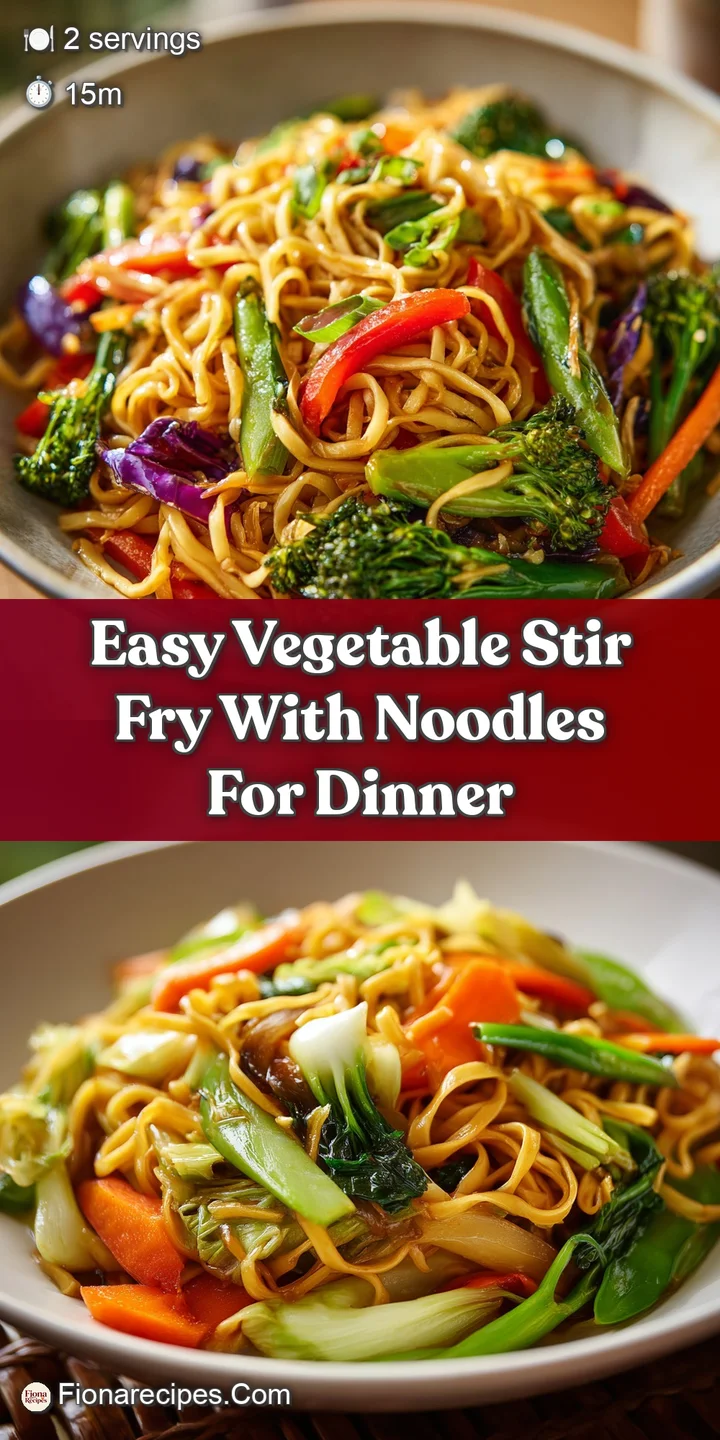
Very High in Sodium
1785 mg mg of sodium per serving (78% of daily value)
The American Heart Association recommends limiting sodium intake to 2,300mg per day for optimal health.
Sodium Reduction Tips for Your Lo Mein Recipe:
-
Low-Sodium Soy Sauce-30%
Replace regular soy sauce with low-sodium soy sauce. This simple swap can significantly reduce sodium intake, with minimal impact on flavor.
-
Reduce Dark Soy Sauce-20%
Dark soy sauce contains even more sodium than regular soy sauce. Reduce the amount used by half or eliminate it entirely for a substantial reduction.
-
Skip the Salt-15%
Avoid adding any additional salt during cooking. The soy sauces already contribute a significant amount of sodium to the dish.
-
Increase Aromatics-10%
Enhance the flavor by using more fresh ginger and garlic. These aromatics will boost the taste profile without adding sodium.
-
Spice It Up
Use sodium free spices and herbs like black pepper, red pepper flakes, or dried herbs to add flavor. Experiment with different spice combinations to create unique taste profiles.
Recipe FAQs
How to make vegetable stir fry with noodles?
Heat oil until it just begins to smoke, then flash fry hard vegetables like broccoli for two minutes. Toss in softer vegetables, cook for two more minutes, then add pre-cooked noodles and immediately pour over a cornstarch thickened sauce to glaze everything.
Do you add noodles or vegetables first in stir fry?
Vegetables go first. Harder vegetables must be seared first to cook them down slightly and achieve that desired crisp tender texture before the noodles are added to receive the sauce.
Can I use noodles for stir fry?
Yes, noodles are excellent for stir fry. Lo mein or similar wheat noodles provide the necessary starchy surface for the cornstarch thickened sauce to properly cling to and form a glossy glaze.
Do you need to boil noodles before stir frying?
Yes, partially boil the noodles first. Cook dried noodles until they are about one minute shy of al dente, drain them well, and then finish cooking them directly in the hot sauce mixture in the pan.
What is the primary goal when stir frying vegetables for this dish?
The primary goal is searing, not steaming. High heat evaporates surface moisture instantly, allowing the Maillard reaction to occur and keep the vegetables crisp rather than becoming soggy.
How do I prevent my sauce from being watery?
Ensure the cornstarch is fully mixed with cold liquid before adding it to the hot pan. The sauce must then be brought up to a rolling simmer while tossing for the thickening agents to fully activate into a glaze.
Should I add the sesame oil at the beginning of the cooking process?
No, add toasted sesame oil at the very end. Sesame oil has a low smoke point and its delicate flavor compounds will burn off and turn bitter if exposed to the high heat required for searing the vegetables.
Vegetable Stir Fry Noodles
Ingredients:
Instructions:
Nutrition Facts:
| Calories | 538 kcal |
|---|---|
| Protein | 15.5 g |
| Fat | 15.8 g |
| Carbs | 84.5 g |
| Fiber | 7.2 g |
| Sugar | 11.4 g |
| Sodium | 1785 mg |
