Slow Cooker Beef Stew: Tender & Rich
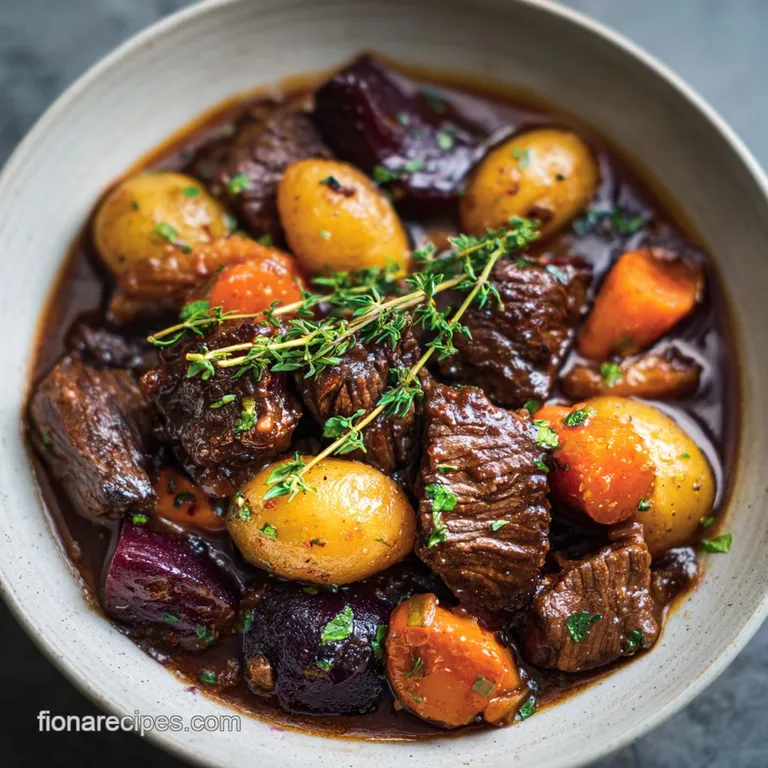
- Time: Active 25 minutes, Passive 8 hours, Total 8 hours 25 mins
- Flavor/Texture Hook: Silky, melt in-your mouth beef and tender gold potatoes
- Perfect for: Cozy family Sundays or hands off weeknight meal prep
- Master the Best Slow Cooker Beef Stew
- Crucial Specs for Success
- Component Analysis and Selection
- Core Ingredients and Substitutions
- Essential Minimal Tool Kit
- Step-by-Step Cooking Process
- Troubleshooting Common Stew Issues
- Scaling for Different Crowds
- Alternative Cooking Method Comparison
- Myths About Slow Cooking
- Storage and Zero Waste Tips
- Presentation and Serving Ideas
- High in Sodium ⚠️
- Recipe FAQs
- 📝 Recipe Card
Master the Best Slow Cooker Beef Stew
The kitchen is currently filled with the scent of toasted thyme and seared beef, and honestly, it’s the only way to survive a rainy Tuesday. I remember the first time I tried making a slow cooker beef stew; I just tossed everything in raw, hit "low," and went to work.
I came home to a grey, watery puddle that tasted more like boiled sadness than actual food. It was a total disaster, but it taught me the one rule I never break: you cannot skip the sear if you want real flavor.
Now, I treat the browning process like a sacred ritual because that crusty brown bit on the bottom of the pan is where the magic lives. We’re going for that deep, mahogany color that makes the gravy look like it came from a high end bistro rather than a ceramic pot on your counter.
This version is all about building layers wine for acidity, bone broth for body, and just enough Worcestershire to make people ask what your secret is. It’s simple, honest food that actually rewards you for being patient.
Crucial Specs for Success
The beauty of this method lies in the slow breakdown of tough fibers, but you need a few hard numbers to keep things on track. We are targeting a specific window where the beef transitions from "chewy" to "yielding" without becoming "mushy."
The Magic of Collagen
Collagen Breakdown: Tough connective tissue in chuck roast melts into gelatin at sustained temperatures between 160°F and 180°F. This creates that silky mouthfeel and prevents the meat from tasting dry even though it's cooked for hours.
The Maillard Reaction: Searing the beef at high heat creates new flavor compounds that a slow cooker cannot produce on its own. These complex sugars dissolve into the broth, giving the sauce its characteristic dark color and savory depth.
Precise Beef Doneness Cues
| Beef Thickness | Internal Temp | Rest Time | Visual/Texture Cue |
|---|---|---|---|
| 1.5 inch cubes | 195°F - 205°F | 10 minutes | Fibers separate easily with a fork |
| 2 inch chunks | 195°F - 205°F | 15 minutes | Meat "shreds" rather than "slices" |
| 1 inch cubes | 190°F - 195°F | 5 minutes | Firm but gives way under light pressure |
Choosing the right cut is just as important as the temperature. If you use a lean cut like top round, it will turn into shoe leather because there isn't enough fat or connective tissue to lubricate the muscle fibers during the long simmer.
Stick with the chuck roast for this slow cooker beef stew; it's the undisputed king of the crockpot for a reason.
Component Analysis and Selection
| Ingredient | Science Role | Pro Secret |
|---|---|---|
| Beef Chuck | Fat/Gelatin Source | Look for "choice" grade with heavy white marbling for maximum tenderness. |
| Red Wine | Acid/Tannin Balance | Use a dry Cabernet; the tannins help break down protein while adding fruit notes. |
| Yukon Golds | Starch Stability | These hold their shape better than Russets and add a buttery texture to the bowl. |
| Tomato Paste | Umami Catalyst | Sauté it with the garlic to caramelize the sugars and remove the metallic "tin" taste. |
Core Ingredients and Substitutions
You'll need a few heavy hitters from the pantry to get this right. I always suggest using the best bone broth you can find, or even a Creamy Beef Stroganoff recipe base if you have leftovers, to really boost the nutrient density and flavor profile.
- 2.5 lbs Beef Chuck Roast: Trimmed and cut into 1.5 inch cubes. Why this? High collagen content ensures the meat stays succulent after eight hours.
- Substitute: Beef Shin or Oxtail. Both are rich in gelatin but may require longer trimming.
- 2 tsp Kosher Salt & 1 tsp Cracked Black Pepper: Essential seasoning.
- Substitute: Sea salt works, but use 1.5 tsp as it’s finer than Kosher.
- 2 tbsp Avocado or Grapeseed oil: High smoke point for searing.
- Substitute: Vegetable oil or Ghee. Avoid extra virgin olive oil for the over high heat sear.
- 3 tbsp All purpose flour: Used to dredge the beef.
- Substitute: Cornstarch (use 1.5 tbsp) for a gluten-free thickener added at the end.
- 1 large Yellow Onion & 4 cloves Garlic: The aromatic foundation.
- Substitute: Shallots and garlic powder (1 tsp) if you’re in a massive rush.
- 1 cup Dry Red Wine: Cabernet Sauvignon or Pinot Noir.
- Substitute: Extra beef broth with 1 tbsp balsamic vinegar for that missing acidity.
- 2 cups Beef Bone Broth: The liquid base.
- Substitute: Standard beef stock, though it will have a thinner mouthfeel.
- 2 tbsp Worcestershire sauce: Adds fermented depth.
- Substitute: Soy sauce or Coconut Aminos for a similar salty umami hit.
- 1 tbsp Tomato paste: For color and body.
- 2 tsp Dried Thyme & 1 sprig Fresh Rosemary: Earthy herb notes.
- 2 Dried Bay Leaves: Adds a subtle floral background.
- 1.5 lbs Yukon Gold Potatoes: Cut into 1 inch chunks.
- Substitute: Red potatoes also work well. Avoid starchy Russets as they disintegrate.
- 4 large Carrots & 2 stalks Celery: The classic mirepoix.
- 1 cup Frozen Peas: Added at the very end.
- 2 tbsp Fresh Parsley: For a bright, herbaceous finish.
Essential Minimal Tool Kit
You don't need a kitchen full of gadgets for a great stew. I prefer a heavy bottomed stainless steel or cast iron skillet for the searing phase. While some slow cookers have a "brown" function, they rarely get hot enough to create a true crust.
A sharp chef's knife is non negotiable for those potatoes and carrots. If you’re looking for other easy meals that use similar tools, our Ground Beef Tacos recipe is a great way to use that same skillet. Keep a wooden spoon handy to scrape up the "fond" (those browned bits) after deglazing with the wine that’s liquid gold you don't want to leave behind in the sink.
step-by-step Cooking Process
- Prep the beef. Season the 2.5 lbs of beef chuck cubes with 2 tsp salt and 1 tsp pepper. Toss them in the 3 tbsp of flour until lightly coated. Note: The flour helps create a crust and naturally thickens the stew later.
- Sizzle the meat. Heat 2 tbsp oil in a large skillet over medium high heat. Sear the beef in batches until a deep brown crust forms on all sides. Do not overcrowd the pan or the meat will steam instead of brown.
- Sauté aromatics. Remove beef and add the diced yellow onion to the same pan. Cook for 3 minutes until translucent and softened.
- Aromatics part two. Stir in the 4 cloves of minced garlic and 1 tbsp tomato paste. Cook for 1 minute until fragrant and the paste turns brick red.
- Deglaze the skillet. Pour in the 1 cup of red wine. Use a wooden spoon to scrape the bottom of the pan until all browned bits are dissolved into the liquid.
- Load the cooker. Place the 1.5 lbs potatoes, 4 carrots, and 2 stalks of celery in the bottom of the slow cooker. Top with the seared beef.
- Add liquids. Pour the wine mixture and 2 cups of bone broth over the meat. Stir in the 2 tbsp Worcestershire, 2 tsp thyme, rosemary sprig, and 2 bay leaves.
- The long simmer. Cover and cook on LOW for 8 hours or HIGH for 4 hours until the beef is fork tender.
- The final touch. Stir in the 1 cup of frozen peas 15 minutes before serving. Note: This keeps them bright green and "pop y" rather than mushy.
- Garnish. Remove the rosemary stem and bay leaves. Stir in the 2 tbsp fresh parsley and serve.
Troubleshooting Common Stew Issues

The Reason Beef Stays Tough
If your beef feels like rubber after several hours, it usually means the temperature hasn't stayed high enough long enough to melt the collagen. Conversely, if it’s dry and stringy, it might have been cooked at too high a heat for too long, squeezing out all the moisture.
Fixing a Thin Sauce
Slow cookers trap steam, which means the liquid doesn't reduce like it does on a stovetop. If your stew looks more like a soup, don't panic. You can whisk a little cornstarch with cold water and stir it in for the last 30 minutes to tighten things up.
| Problem | Root Cause | Solution |
|---|---|---|
| Thin/Watery Gravy | Steam condensation inside the lid | Remove lid and cook on HIGH for 30 mins, or add a cornstarch slurry. |
| Bland Flavor | Lack of salt or acidity | Add a splash of balsamic vinegar or an extra teaspoon of Worcestershire. |
| Mushy Vegetables | Veggies cut too small | Ensure potatoes are at least 1 inch and carrots are thick rounds. |
Common Success Checklist
- ✓ Pat the beef dry with paper towels before flouring (moisture is the enemy of a good sear).
- ✓ Give the skillet at least 2 minutes to get hot before adding the oil and meat.
- ✓ Resist the urge to peek; opening the lid adds 15-20 minutes to the cook time.
- ✓ Use Yukon Gold potatoes to avoid a grainy, starchy texture in the gravy.
- ✓ Add the frozen peas at the very end to preserve their sweet flavor and snap.
Scaling for Different Crowds
When cutting this recipe in half, use a smaller 3 quart slow cooker. If you use a massive 6 quart pot for a half batch, the liquid will spread too thin and evaporate or burn the edges. Reduce the cooking time by about 20% and check the beef at the 6 hour mark on low.
For doubling the batch, you’ll likely need two separate slow cookers unless you have an 8 quart monster. Don't double the dried herbs or salt immediately; start at 1.5x and taste at the end.
Liquids also shouldn't be strictly doubled; increase the broth by about 75% to avoid drowning the ingredients, as less evaporation happens in a crowded pot.
Alternative Cooking Method Comparison
| Method | Time | Texture | Best For |
|---|---|---|---|
| Slow Cooker | 8 hours | Ultra tender, integrated flavors | Hands off weeknight ease |
| Dutch Oven (300°F) | 3 hours | Richer reduction, slightly firmer meat | Weekend entertaining |
| Stovetop Simmer | 2.5 hours | Most control over liquid thickness | Quick turnaround comfort |
Myths About Slow Cooking
There's a common belief that you can't overcook meat in a slow cooker. This is false. While it's harder to do than on a grill, eventually the muscle fibers will give up all their moisture and become "mushy dry." Eight to nine hours on low is the sweet spot for a 1.5 inch cube.
Another myth is that you must submerge the meat entirely in liquid. In a slow cooker beef stew, the vegetables release a lot of water as they cook. You only need the liquid to come about halfway up the pile of ingredients; the steam will do the rest of the work.
Storage and Zero Waste Tips
This stew actually tastes better on day two. Store leftovers in an airtight container in the fridge for up to 4 days. When reheating, do it gently on the stove over medium low heat. Adding a tiny splash of water or broth helps loosen the gravy back to its original silky state.
For the freezer, this recipe holds up for about 3 months. Just be aware that potatoes can sometimes get a slightly grainy texture after thawing. To avoid waste, save your onion skins, celery ends, and carrot peels in a bag in the freezer.
When the bag is full, boil them with some water to make your own vegetable scrap broth for next time.
Presentation and Serving Ideas
Serve this in wide, shallow bowls to show off the chunks of beef and vibrant carrots. A massive hunk of crusty sourdough bread is mandatory for swiping up every last drop of the gravy. If you want to get fancy, a tiny dollop of horseradish cream on top adds a sharp, cold contrast to the deep, warm flavors of the beef.
If you have leftovers but not enough for a full meal, toss the remaining stew with some cooked egg noodles. It turns it into a rustic pasta dish that feels entirely new. You can also top small individual portions with a circle of store-bought puff pastry and bake at 400°F for 15 minutes to create "instant" pot pies. If you enjoy the hands off nature of this, check out my Crockpot Pot Roast recipe for another set it and forget it winner.

High in Sodium ⚠️
945 mg 945mg of sodium per serving (41% 41% of daily value)
The American Heart Association recommends limiting sodium intake to about 2,300mg per day.
Tips to Reduce Sodium in Your Beef Stew
-
Low-Sodium Broth-30%
Replace regular beef bone broth with a low-sodium or no-salt added version. This is a major source of sodium in the recipe.
-
Reduce Added Salt-25%
Reduce the amount of kosher salt added during the initial seasoning of the beef. Try using only 1 tsp instead of 2 tsp, or eliminate it entirely and salt to taste at the end.
-
Limit Worcestershire Sauce-20%
Worcestershire sauce contributes a significant amount of sodium. Reduce the amount to 1 tbsp or less, or consider substituting with a blend of balsamic vinegar and a pinch of brown sugar for a similar depth of flavor.
-
No-Salt Tomato Paste-15%
Use no-salt added tomato paste. Alternatively, use fresh tomatoes simmered into a paste instead of the store-bought version.
-
Salt Free Seasoning
Enhance the flavor with herbs and spices! Use more of the dried thyme and fresh rosemary, and add other flavorful options like garlic powder, onion powder, or smoked paprika to compensate for less salt.
Recipe FAQs
Can you put raw beef in a slow cooker for stew?
No, you should sear it first. Tossing raw beef into the slow cooker results in a grey, underdeveloped flavor because the crucial Maillard reaction cannot occur in the low-moisture environment.
What liquid do you put in a slow cooker for beef?
Use a combination of flavorful broth and an acidic component. Start with beef bone broth to build body, supplemented by about one cup of dry red wine or balsamic vinegar to aid tenderization.
Is it better to cook beef stew in crockpot on high or low?
Low is almost always superior for texture and flavor development. Cooking on LOW for 8 hours allows the connective tissue (collagen) to melt slowly into gelatin, creating that desired silky mouthfeel.
What common mistakes ruin slow cooker beef stew?
The biggest mistake is skipping the initial sear on the beef cubes. Additionally, adding potatoes too early causes them to disintegrate into the sauce, resulting in a grainy texture rather than distinct chunks.
How do you thicken beef stew if the sauce is too watery?
Whisk a slurry of cornstarch and cold water, then stir it in near the end. Add this mixture during the last 30 minutes of cooking on HIGH to allow the starch to activate and thicken the gravy.
Must I always use beef chuck for stew?
No, but chuck is the ideal standard for texture. If you want a softer, more falling apart texture, you can use beef shin, which is rich in collagen, similar to the principles used when preparing a traditional Shepherds Pie Recipe.
Why does my stew taste bland even after hours of cooking?
The flavor profile is likely lacking acid or salt saturation. Always finish by tasting and adding a final splash of acid (like balsamic vinegar) or more salt to wake up the deep, slow cooked flavors.
Tender Slow Cooker Beef Stew

Ingredients:
Instructions:
Nutrition Facts:
| Calories | 548 kcal |
|---|---|
| Protein | 37.5g |
| Fat | 28.4g |
| Carbs | 33.8g |
| Fiber | 5.2g |
| Sugar | 5.8g |
| Sodium | 945mg |
