Stovetop Mac and Cheese: Creamy and Simple
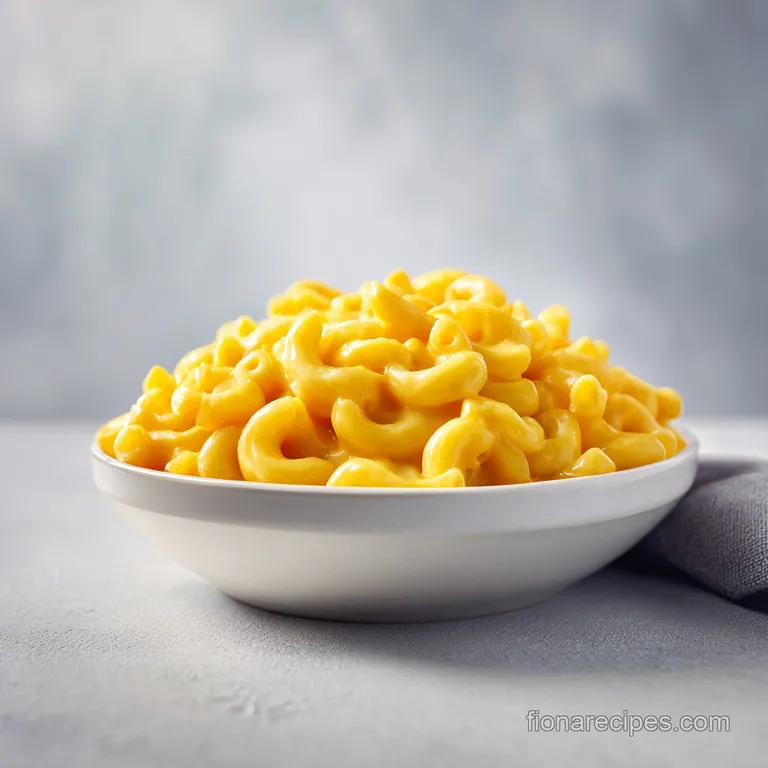
- Time: Active 5 minutes, Passive 15 minutes, Total 20 minutes
- Flavor/Texture Hook: Tangy, velvety cheese sauce that clings to al dente elbows
- Perfect for: Busy weeknights, budget conscious families, and kid approved comfort
- The Honest Story Behind My Favorite Stovetop Mac and Cheese
- The Secret to Making Ultra Rich Stovetop Mac and Cheese
- Numeric Checkpoints for Your Best Ever Pan of Macaroni
- The Budget Friendly Pantry Staples for a Velvety Cheese Sauce
- Essential Kitchen Tools for a Smooth Sauce
- Step by Step Guide to Cheesy Greatness
- Troubleshooting Your Sauce for a Flawless Finish
- Adjusting the Recipe for Large or Small Crowds
- Common Myths About Stovetop Pasta Dishes
- Smart Storage and Reducing Kitchen Waste
- Very High in Sodium
- Recipe FAQs
- 📝 Recipe Card
The Honest Story Behind My Favorite Stovetop Mac and Cheese
There is a specific sound that happens when you stir a wooden spoon through a pot of truly velvety cheese sauce, a soft, rhythmic squelch that tells you the emulsion is exactly right.
I remember one rainy Tuesday when the fridge was basically empty except for a half used block of white cheddar and a dusty can of evaporated milk. I was tired, the kids were hungry, and I just wanted something that felt like a hug in a bowl.
I started whisking, praying the milk wouldn't curdle, and when that first ribbon of melted cheese pulled away from the side of the pot, I knew I had stumbled onto something better than the boxed stuff.
The kitchen smelled like sharp, aged cheddar and toasted garlic, a far cry from the neon orange powder we usually settled for. I realized then that you don't need a fancy roux or expensive Gruyère to make something that feels gourmet. It is about the chemistry of the ingredients you already have.
This version is my "emergency" meal that became the most requested dinner in our house. It is fast, it is cheap, and it is honestly better than the versions I've spent hours baking in the oven.
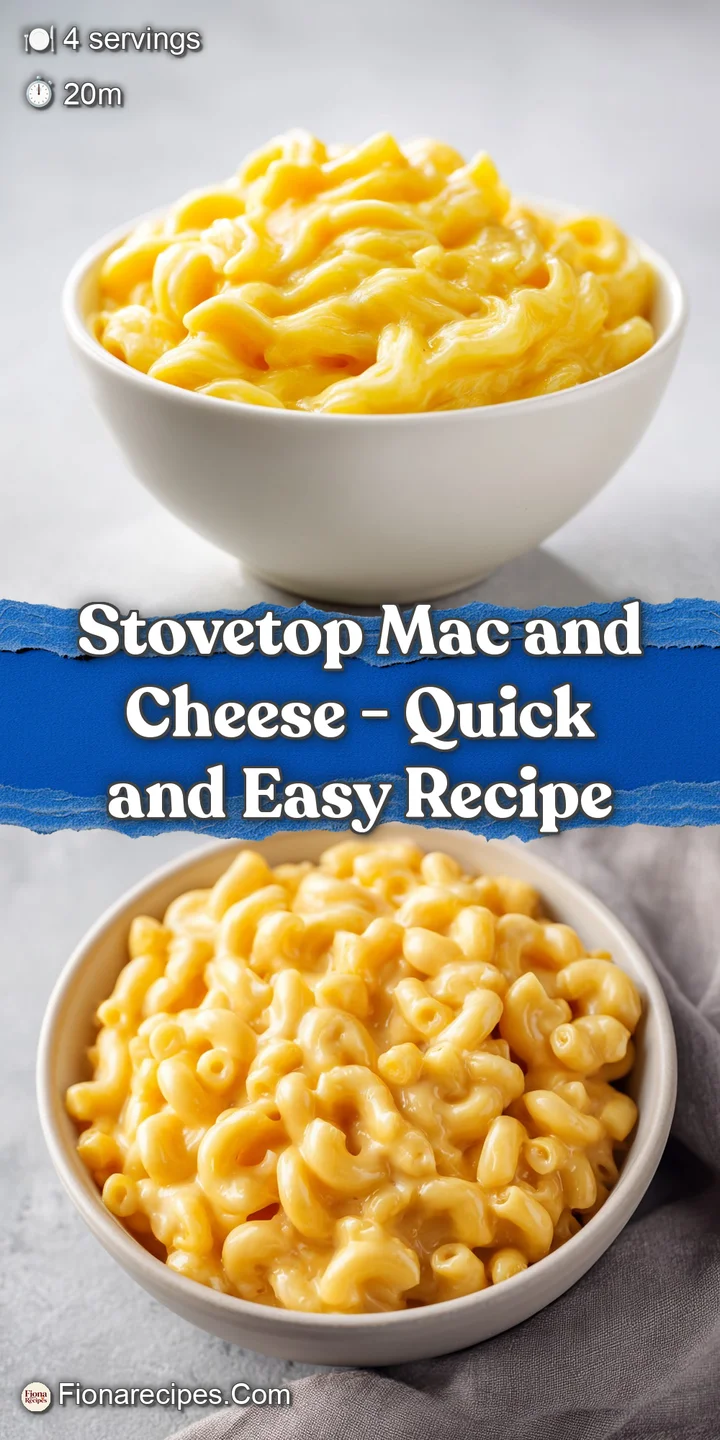
We are going for that specific texture where the sauce is thick enough to fill the holes of the macaroni but fluid enough to pool slightly at the bottom of the bowl. No dry, sticky noodles here. Just pure, unadulterated comfort that comes together in less time than it takes to find a delivery app on your phone.
Let's get into how we make this happen without breaking the bank or your patience.
The Secret to Making Ultra Rich Stovetop Mac and Cheese
- Concentrated Proteins: Evaporated milk has about 60% of its water removed, which means it has a much higher concentration of protein and fat than regular milk. This helps create a stable, creamy base that won't "break" or become oily when you add the cheese.
- Acidic Balance: The Greek yogurt provides a subtle tang that cuts through the heavy fat of the cheddar, much like lemon juice brightens a rich sauce. It also adds a velvety body without needing a flour thickened roux.
- Starch Preservation: By cooking the pasta in salted water and then adding it directly to the sauce, we utilize the residual starch on the noodles to help the cheese sauce cling to every curve.
- Emulsion Control: Whisking the cheese in over low heat prevents the proteins in the cheddar from tightening up too quickly, which is what usually causes that grainy, gritty texture most home cooks hate.
| Method | Time | Texture | Best For |
|---|---|---|---|
| Stovetop | 20 minutes | Silky, fluid, and glossy | Quick weeknight dinners |
| Oven Baked | 45 minutes | Set, scoopable, with crispy top | Potlucks and holidays |
| Instant Pot | 15 minutes | Soft, highly integrated | Hands off prep |
If you enjoy recipes that use simple ingredients to create massive flavor, you might also like this Creamy Potato Soup recipe which uses a similar technique with cream cheese for body.
Numeric Checkpoints for Your Best Ever Pan of Macaroni
| Ingredient | Science Role | Pro Secret |
|---|---|---|
| Evaporated Milk | Emulsifier | Use full fat for the most stable, glossy sauce. |
| Sharp White Cheddar | Primary Flavor | Grate it yourself to avoid the cellulose in pre shredded bags. |
| Dry Mustard | Flavor Enhancer | It doesn't taste like mustard; it just makes the cheese taste "cheesier." |
This recipe relies on basic pantry items that most of us keep on hand. The evaporated milk is the real workhorse here, acting as a shelf stable substitute for heavy cream that actually performs better under heat. Because we are using sharp white cheddar, the flavor is punchy and sophisticated even though the cost is low. If you have extra Greek yogurt left over, it actually works brilliantly in other budget friendly meals like these Cottage Cheese Pancakes for a high protein breakfast.
The Budget Friendly Pantry Staples for a Velvety Cheese Sauce
- 8 oz elbow macaroni: The classic shape. Why this? The hollow center traps the sauce perfectly for a better bite.
- Substitute: Shells or cavatappi work just as well.
- 1 tsp salt: For the pasta water. Why this? This is your only chance to season the actual noodle.
- Substitute: Sea salt or kosher salt.
- 6 oz evaporated milk: The creamy base. Why this? More concentrated than regular milk for a thicker sauce.
- Substitute: Whole milk with a teaspoon of cornstarch mixed in.
- 1.5 cups sharp white cheddar, freshly grated: The star. Why this? White cheddar feels more "real food" than processed yellow versions.
- Substitute: Any sharp cheddar or even a mild Monterey Jack.
- 1/4 cup plain non fat Greek yogurt: The tangy thickener. Why this? Adds creaminess and protein without extra butter.
- Substitute: Sour cream or full fat Greek yogurt.
- 1/2 tsp dry mustard powder: The secret weapon. Why this? Acts as a bridge between the fat and the liquid.
- Substitute: 1 tsp of Dijon mustard.
- 1/4 tsp garlic powder: Savory depth. Why this? Blends into the sauce better than fresh minced garlic.
- Substitute: Onion powder or a pinch of celery salt.
- 1/8 tsp fresh cracked black pepper: The finish. Why this? Adds a tiny bite to contrast the richness.
- Substitute: White pepper for a cleaner look.
Essential Kitchen Tools for a Smooth Sauce
You really only need a few basic things to get this done. I recommend a heavy bottomed pot, like a Dutch oven or a thick stainless steel saucepan, because thin pots can have "hot spots" that scorch the milk. A sturdy whisk is also non negotiable for getting that Greek yogurt and cheese fully integrated.
- A Medium Saucepan (2-3 quarts): Big enough to boil the pasta and then hold the finished sauce.
- A Box Grater: Please, for the love of all things cheesy, grate your own block. Pre shredded cheese is coated in potato starch to keep it from clumping in the bag, but that starch will make your stovetop mac and cheese grainy.
step-by-step Guide to Cheesy Greatness
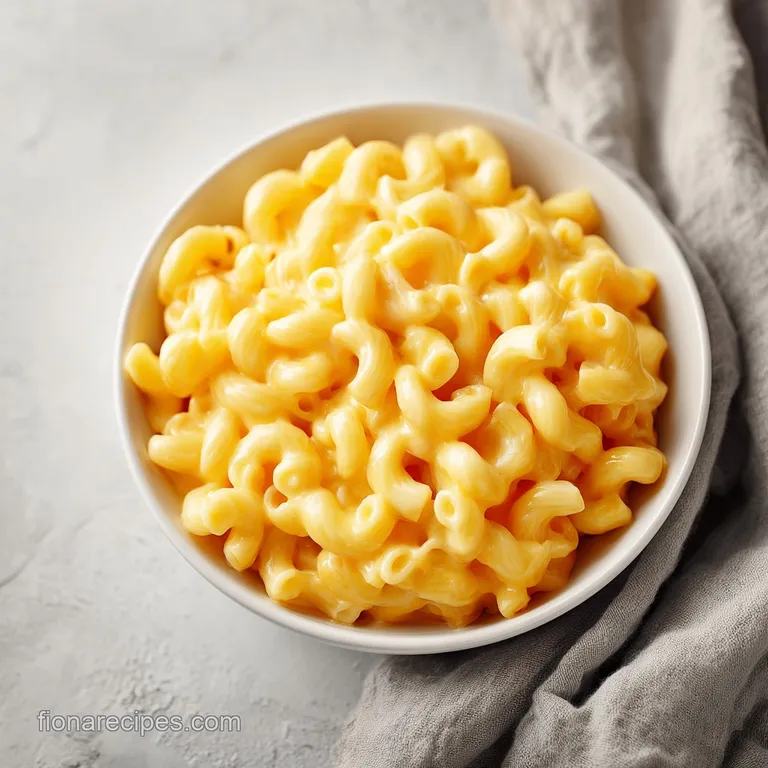
- Boil the macaroni. Use a large pot of salted water and cook until just under al dente. This usually takes about 7 minutes, or 1-2 minutes less than the box says. Note: The pasta will finish softening in the hot cheese sauce later.
- Drain well. Get all that water out so it doesn't thin your beautiful sauce. Set the pasta aside in a bowl.
- Whisk the liquids. In that same warm pot, pour in the 6 oz of evaporated milk, the dry mustard, and the garlic powder.
- Heat the base. Turn the heat to medium low and whisk until small bubbles form around the edges. Do not let it reach a full, rolling boil or the milk might scorch.
- Lower the heat. Switch the burner to low. This is the "safe zone" for melting cheese without breaking the proteins.
- Incorporate the cheese. Gradually whisk in the 1.5 cups of grated white cheddar and the 1/4 cup of Greek yogurt.
- Emulsify the sauce. Keep whisking until the sauce is smooth and glossy. If it looks a little thin, don't worry, it thickens up fast.
- Combine. Fold the cooked macaroni back into the pot.
- The final thicken. Stir gently over the low heat until the noodles are fully coated and the sauce clings to them. This usually takes about 60 seconds.
- Season. Add the fresh cracked black pepper and a pinch more salt if you think it needs it.
Troubleshooting Your Sauce for a Flawless Finish
Why Your Macaroni is Grainy or Gritty
This is the most common heartbreak in the world of stovetop mac and cheese. Usually, it happens because the heat was too high when the cheese went in, or you used pre shredded cheese from a bag.
When cheese gets too hot, the proteins tighten up and squeeze out the fat, leaving you with little clumps of rubbery protein and a pool of oil.
To fix this, make sure your heat is on the lowest setting before the cheese touches the pot. If it's already grainy, sometimes adding a tiny splash of extra milk and whisking vigorously off the heat can bring it back to life, but prevention is much easier than the cure.
| Problem | Root Cause | Solution |
|---|---|---|
| Thin, watery sauce | Not enough cheese or milk too cold | Simmer for 1 extra minute on low to reduce slightly. |
| Clumpy cheese | Heat was too high | Take off heat and whisk in a splash of warm milk. |
| Mushy noodles | Pasta was overcooked | Boil 2 minutes less than the package instructions next time. |
Common Mistakes Checklist
- ✓ Grate your own cheese from a block (it melts 100% better).
- ✓ Ensure the milk doesn't reach a rolling boil.
- ✓ Use "under al dente" pasta so it can absorb sauce without falling apart.
- ✓ Add the Greek yogurt at the very end to keep its creamy structure.
- ✓ Let the pasta rest for 2 minutes after mixing; the sauce will "set" and stick better.
Adjusting the Recipe for Large or Small Crowds
If you are cooking for a solo movie night, you can easily halve this recipe. Since a can of evaporated milk is usually 12 oz, you'll have exactly half a can left over. Just use 4 oz of pasta and a slightly smaller pot.
The cook times remain basically the same, though the milk will come to a simmer faster, so keep a close eye on it.
Scaling up for a big family dinner is just as simple. You can double every ingredient perfectly. Just keep in mind that a larger volume of milk takes longer to heat up. I recommend only increasing the spices (mustard and garlic) by 1.5x instead of doubling them completely, then tasting at the end to see if you want more.
This prevents the spices from overpowering the delicate creaminess of the sauce.
Common Myths About Stovetop Pasta Dishes
Myth 1: You need a flour roux for a thick sauce. Many people think you have to start with butter and flour (a roux) to get a thick macaroni sauce. While that works, it can often lead to a "pasty" flavor if the flour isn't cooked long enough.
Using evaporated milk and Greek yogurt provides all the thickness you need with a much cleaner cheese flavor and less effort.
Myth 2: Rinsing pasta helps the sauce stick. Never rinse your pasta! The starch on the outside of the noodles is like "glue" for the cheese sauce. When you rinse it, you're washing away the very thing that helps the sauce create that velvety bond with the macaroni.
Just drain it and get it into the sauce as soon as possible.
Smart Storage and Reducing Kitchen Waste
Storage Guidelines This mac and cheese will stay good in an airtight container in the fridge for up to 4 days. Because there is no flour in the sauce, it might look a little "stiff" once it gets cold. When you want to eat it again, don't just microwave it on high.
Add a splash of milk or even a teaspoon of water, cover it, and heat it on medium power, stirring halfway through. This helps the sauce "relax" back into its creamy state. I don't recommend freezing this dish, as the Greek yogurt and evaporated milk can change texture and become slightly grainy when thawed.
Zero Waste Tips If you have a tiny bit of cheese left that isn't enough for a full batch, toss it in anyway! This recipe is very forgiving with "fridge sweep" cheeses. Even a bit of leftover parmesan or mozzarella can add a nice stretch.
If you find yourself with leftover sauce but no noodles, it actually makes a fantastic dip for steamed broccoli or a topping for a baked potato the next day. Don't let that liquid gold go to waste.
Very High in Sodium
845 mg 845 mg of sodium per serving (37% 37% of daily value)
The American Heart Association recommends limiting sodium intake to no more than 2,300mg per day, with an ideal limit of about 1,500mg per day for most adults.
Tips to Reduce Sodium
-
Opt for Lower Sodium Cheese-15%
Replace sharp white cheddar with a reduced sodium variety. This can significantly cut down on the cheese's contribution to sodium.
-
Halve the Added Salt-12%
Reduce the added 1 tsp salt by half. You can always add a pinch more at the table if needed, but this is a simple way to cut sodium.
-
Use Reduced Sodium Evaporated Milk-5%
If available, switch to a reduced sodium evaporated milk. While not always easy to find, it offers a direct sodium saving.
-
Boost Flavor with Herbs and Spices
Amplify the taste by adding more fresh cracked black pepper, dry mustard powder, and garlic powder. Consider adding fresh herbs like chives or parsley for added zest without sodium.
Recipe FAQs
Is it true I must use a roux to make the sauce thick?
No, this is a common misconception. The combination of evaporated milk and Greek yogurt provides a rich, creamy consistency without needing a flour based roux.
How to achieve the perfect noodle texture?
Boil the macaroni for 1-2 minutes less than the package instructions. Stopping the boil just before the pasta reaches al dente ensures the noodles maintain their structure while finishing in the hot cheese sauce.
How to prevent the cheese from becoming grainy?
Whisk in the cheese over low heat only after the milk mixture is warm. Adding the cheese gradually while the heat is low prevents the proteins from tightening and separating, which is the same emulsification technique we use to keep cream based sauces smooth.
Is pre-shredded cheese okay to use?
No, stick with fresh. Pre-shredded bags contain anti caking agents like cellulose that prevent the cheese from melting into a smooth, emulsified sauce.
How to store leftovers?
Place the mac and cheese in an airtight container in the refrigerator for up to three days. Reheat gently over low heat on the stovetop, adding a splash of water or milk to loosen the sauce if it has thickened too much.
Should I bring the milk to a rolling boil before adding cheese?
No, avoid a rolling boil. Keep the heat at a gentle simmer until small bubbles form around the edges, as high heat can cause the milk to scald or the emulsion to break prematurely.
How to serve this dish?
Serve immediately while the sauce is at its peak emulsified state. The flavor and texture are best enjoyed straight from the pot once the noodles are fully coated and seasoned with fresh black pepper.
Stovetop Mac And Cheese
Ingredients:
Instructions:
Nutrition Facts:
| Calories | 451 kcal |
|---|---|
| Protein | 21.6 g |
| Fat | 18.4 g |
| Carbs | 48.6 g |
| Fiber | 1.9 g |
| Sugar | 6.2 g |
| Sodium | 845 mg |
