Spinach Quiche Recipe: Silky Custard
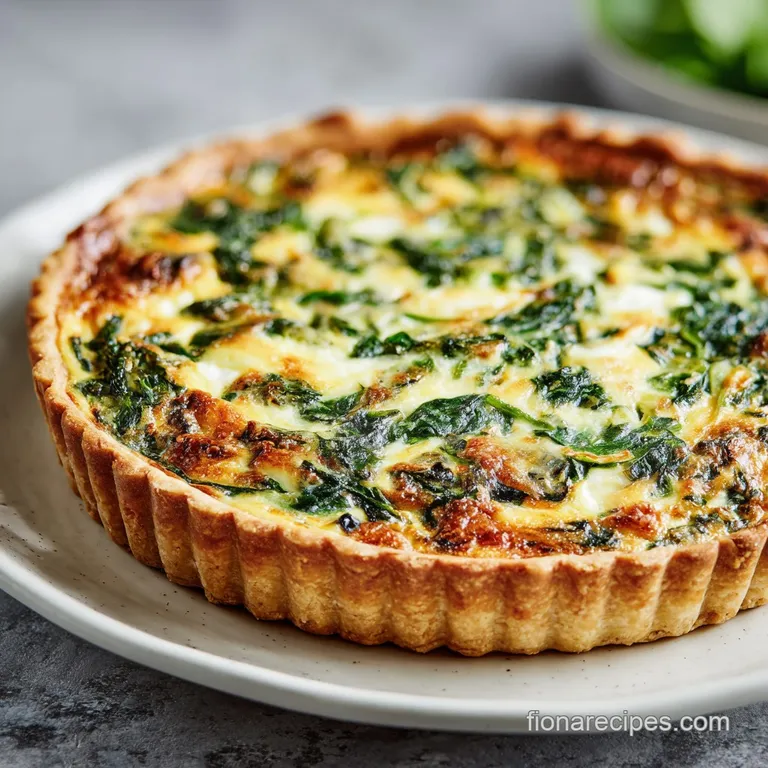
- Time: Active 15 minutes, Passive 45 minutes, Total 1 hours
- Flavor/Texture Hook: Silky egg custard with a shatteringly flaky crust
- Perfect for: Lazy Sunday brunch or a reliable "breakfast for-dinner" night
- Why This Spinach Quiche Recipe Is a Family Dinner Hero
- The Secret to a Set Custard Without the Weeping
- Everything You Need to Know Before Preheating Your Oven
- Selecting Fresh Ingredients for a Hearty Family Style Breakfast
- Essential Kitchen Tools for a Stress Free Quiche Experience
- Simple Step by Step Path to a Flaky Golden Result
- Avoiding the Weeping Crust and Other Common Baking Pitfalls
- Easy Ingredient Swaps to Suit Every Family Members Taste
- Storing and Reviving Your Leftover Quiche for Future Meals
- Adding the Final Flourish to Your Beautiful Homemade Creation
- Spinach Quiche Recipe FAQs
- 📝 Recipe Card
Why This Spinach Quiche Recipe Is a Family Dinner Hero
The first time I attempted a quiche, it was a total disaster. I remember pulling the pan out of the oven, expecting that beautiful, puffed golden top, but instead, I found a soggy, grey mess swimming in a pool of green water.
I’d forgotten to squeeze the spinach, and honestly, the crust looked more like wet cardboard than pastry. My kids took one look at it and asked if we could just have cereal instead. It was a humbling moment for a home cook who usually prides herself on simple, real food.
But I didn't give up. I spent the next few weeks playing with ratios, swapping heavy creams for lighter options, and figuring out how to keep that bottom crust from turning into mush. What I discovered was a total game changer: Greek yogurt.
It adds this incredible tang and structure that you just don't get with milk alone. Now, the sizzle of the shallots hitting the butter in the pan is a sound my family loves because they know a solid, comforting meal is on the way.
This spinach quiche recipe is now my go to when the fridge is looking a bit empty but I still want something that feels special. It's forgiving, it’s filling, and it actually tastes like a real meal rather than a fancy snack.
We’ve had it for Christmas morning, busy Tuesday nights, and even cold for lunch the next day. Trust me, once you nail the moisture control, you’ll never go back to those store-bought, rubbery versions again.
The Secret to a Set Custard Without the Weeping
Protein Scaffolding: The combination of eggs and Greek yogurt creates a dense network of proteins that trap moisture more effectively than milk alone, preventing "weeping" after the quiche is sliced.
The Fat Barrier: Pre-sautéing the spinach in butter not only adds flavor but coats the leaves in a thin layer of fat, which helps prevent them from releasing excess water directly into the egg mixture during the bake.
Starch Gelatinization: Blind baking the frozen crust ensures the starches are fully cooked and set before the wet filling is added, creating a waterproof seal that stays crispy.
| Crust Choice | Prep Time | Texture | Reliability |
|---|---|---|---|
| Frozen store-bought | 0 mins | Consistently flaky | High - minimal effort |
| Fresh Homemade | 20 mins | Buttery and rich | Medium - needs chilling |
| Crustless | 2 mins | Soft and eggy | High - gluten-free friendly |
Choosing the right crust method depends entirely on your schedule. I usually grab a high-quality frozen crust on a Tuesday because it shaves off twenty minutes of work without sacrificing that satisfying crunch.
Everything You Need to Know Before Preheating Your Oven
Before we get into the mixing bowl, let's talk about the logistics of this dish. This is designed for a standard 23 cm (9 inch) pie plate. If you use a deep dish pan, you might find the filling looks a bit shallow, so stick to the classic size if you can.
The timing here is pretty straightforward, but don't rush the cooling process. A quiche needs at least ten minutes to "set" once it leaves the heat. If you cut into it immediately, the custard will be a bit loose. For a heartier weekend morning, I often alternate this with my Sausage Breakfast Casserole recipe which uses similar pantry staples but offers a different flavor profile.
Precision Checkpoints for Success
- Spinach Weight: You need exactly 280 grams of fresh spinach; it looks like a mountain at first, but it wilts down to almost nothing.
- Oven Temperature: 180°C (350°F) is the sweet spot. Any hotter and the eggs will puff up too fast and then collapse into a rubbery texture.
- Internal Doneness: The center should have a slight jiggle (like jelly), but not a ripple (like water) when you gently shake the pan.
Selecting Fresh Ingredients for a Hearty Family Style Breakfast
| Component | Science Role | Pro Secret |
|---|---|---|
| Plain Greek Yogurt | Acid & Fat | Use full fat for the creamiest mouthfeel and best stability. |
| Sharp Cheddar | Flavor & Oil | Grate it yourself; pre shredded cheese is coated in starch that alters the texture. |
| Ground Nutmeg | Flavor Catalyst | A tiny pinch acts as a bridge between the earthy spinach and the rich eggs. |
Using the right ingredients makes a massive difference in how this quiche sets up. I always recommend using room temperature eggs because they emulsify much better with the milk and yogurt, leading to a smoother finish.
- 1 (23 cm) frozen pie crust: Look for one made with real butter if possible.
- 14 grams unsalted butter: For sautéing the aromatics.
- 280 grams fresh spinach: Roughly chopped to make it easier to eat. Why this? Fresh leaves have a better texture than frozen blocks in this specific bake.
- 4 large eggs: Room temperature.
- 240 ml whole milk: Provides the base for the custard.
- 120 grams plain Greek yogurt: The secret weapon for structure.
- 115 grams sharp cheddar cheese: Shredded. Why this? Adds a necessary punch to balance the mild eggs.
- 75 grams feta cheese: Crumbled.
- 2 cloves garlic: Minced.
- 1/4 cup shallots: Finely diced for a sweeter, milder onion flavor.
- 1/2 teaspoon sea salt: Adjust to taste.
- 1/4 teaspoon freshly cracked black pepper: Essential for depth.
- 1/8 teaspoon ground nutmeg: Don't skip this!
If you find yourself with leftover shallots or garlic, they work great in a Vegetable Stir Fry recipe the next night. It's a great way to make sure nothing in the crisper drawer goes to waste.
Essential Kitchen Tools for a Stress Free Quiche Experience
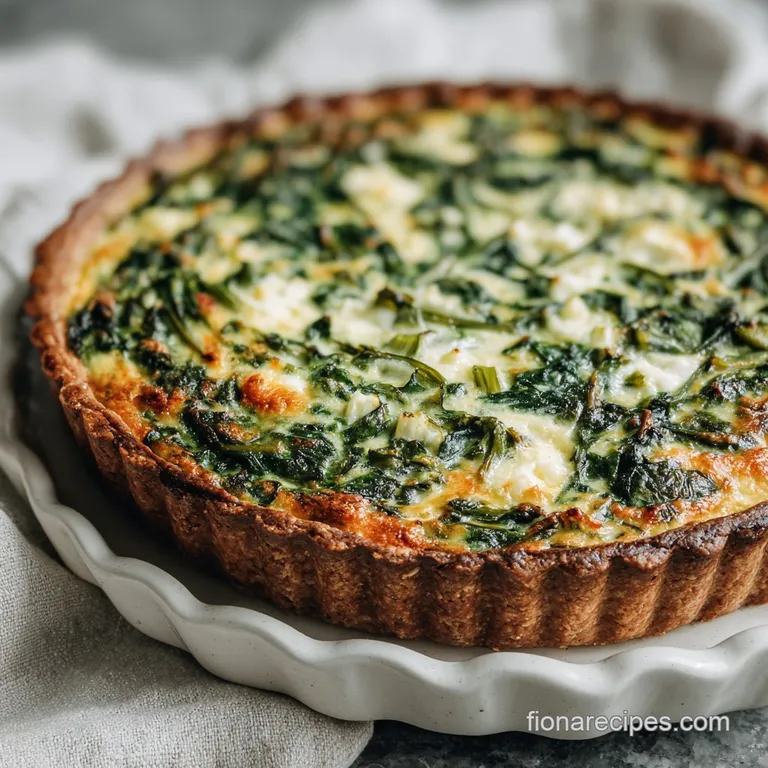
You don't need a lot of fancy gear to make this work, but a few specific items will make your life much easier. A good heavy bottomed skillet is key for wilting the spinach without burning it. I use a standard 30 cm pan so the spinach has room to breathe as it cooks.
Chef's Tip: Freeze your butter for 10 minutes before grating it if you're making a crust from scratch. If using a frozen crust, keep it in the freezer until the exact second you are ready to blind bake it to prevent the edges from slumping.
You'll also need a large whisk and a mixing bowl that's bigger than you think you need. Whisking eggs and yogurt can get messy if the bowl is too shallow. Finally,, a simple baking sheet to place under the pie plate is a lifesaver.
It catches any drips and makes it much easier to move the quiche in and out of the oven without cracking the crust.
Simple step-by-step Path to a Flaky Golden Result
- Preheat and Prep. Set your oven to 180°C. Place your frozen crust on a baking sheet. Note: This makes it easier to handle.
- Blind Bake. Bake the empty crust for 10 minutes until it looks dry and pale golden.
- Sauté Aromatics. Melt 14 grams of butter in a pan and add shallots and garlic. Note: Cook until translucent and fragrant.
- Wilt Spinach. Toss in 280 grams of chopped spinach. Cook for 3-4 minutes until completely wilted and reduced.
- Drain Well. Transfer the spinach to a colander and press with a spoon to remove every drop of liquid. Note: This prevents a soggy bottom.
- Whisk Custard. In a large bowl, beat 4 eggs with 240 ml milk, 120 grams yogurt, salt, pepper, and nutmeg. Whisk until no yogurt lumps remain.
- Layer Ingredients. Spread the sautéed spinach, cheddar, and feta evenly across the bottom of the warm crust.
- Pour and Fill. Gently pour the egg mixture over the fillings. Use a fork to poke any large air bubbles.
- The Final Bake. Slide into the oven for 40-45 minutes until the edges are set and the top is golden brown.
- Rest. Remove from oven and let sit for 10-15 minutes until the center finishes setting.
Avoiding the Weeping Crust and Other Common Baking Pitfalls
The most common issue people have with a spinach quiche recipe is the "weeping" effect, where water pools at the bottom. This is almost always due to the spinach. Even if it looks dry in the pan, spinach holds onto a surprising amount of water.
I actually like to roll mine in a clean kitchen towel and squeeze it like I’m trying to wring out a wet shirt. It’s an extra step, but it’s the difference between a velvety slice and a soggy mess.
Why Your Quiche Might Be Struggling
| Problem | Root Cause | Solution |
|---|---|---|
| Soggy Bottom | Undercooked crust or wet spinach | Blind bake the crust and squeeze spinach in a towel. |
| Rubbery Texture | Overcooked eggs | Pull from oven while the center still has a slight jiggle. |
| Curdled Filling | High heat / poor mixing | Whisk yogurt and eggs thoroughly; don't exceed 180°C. |
Common Mistakes Checklist
- ✓ Always squeeze your spinach in a towel until no more green liquid comes out.
- ✓ Don't skip the blind bake; the crust needs a head start to stay crispy.
- ✓ Use full fat dairy for the best structure and a velvety mouthfeel.
- ✓ Allow the quiche to rest for at least 10 minutes before slicing.
- ✓ Avoid over whisking the eggs; too much air can cause the quiche to puff and then sink.
Easy Ingredient Swaps to Suit Every Family Members Taste
If you want to change things up, this recipe is incredibly flexible. I've made this with Swiss cheese instead of cheddar for a more "grown up" flavor, and it was a hit. The feta provides a nice salty bite, but if your kids find it too strong, you can easily swap it for mild mozzarella or even some extra cheddar.
| Original Ingredient | Substitute | Why It Works |
|---|---|---|
| Whole Milk | Heavy Cream | Creates a much richer, almost dessert like custard density. |
| Sharp Cheddar | Gruyère | Adds a nutty, sophisticated flavor. Note: Melts very smoothly. |
| Greek Yogurt | Sour Cream | Similar acidity and fat content. Note: Slightly less protein rich. |
If you want a spicy kick, add a pinch of cayenne or red pepper flakes to the egg mix. If you want a lighter version, you can use 2% milk, but I’d suggest keeping the full fat yogurt to maintain the creamy texture.
If you want a sharper bite, swap the cheddar for an extra aged Gouda or even a bit of Parmesan on top for a salty crust.
Storing and Reviving Your Leftover Quiche for Future Meals
This dish is actually a meal prep dream. I often make two at once because it keeps so well. You can store the cooked quiche in the fridge for up to 4 days. Just make sure it's completely cool before you wrap it in foil or plastic wrap to avoid condensation forming inside the package.
For long term storage, quiche freezes surprisingly well. I recommend freezing individual slices on a parchment lined tray first, then transferring them to a freezer safe bag. They'll stay fresh for up to 2 months. To reheat, skip the microwave it makes the crust gummy.
Instead, pop a slice into a 175°C oven for about 12-15 minutes. It’ll bring back that "shatter" in the crust that we all love.
Don't throw away those spinach stems! If you have extra bits of veg or cheese scraps, toss them into a container in the freezer. They are perfect for starting a soup base or adding to a Sausage Breakfast Casserole recipe later in the week.
Adding the Final Flourish to Your Beautiful Homemade Creation
Presentation is everything when you're serving this to guests (or just trying to make a Tuesday feel less like a Tuesday). I love to save a little bit of the feta to sprinkle on top halfway through the baking time. It gets slightly browned and looks much more professional than just a flat yellow surface.
A handful of fresh micro greens or a dusting of chopped chives right before serving adds a pop of bright green that makes the whole dish look fresh. If you’re feeling a bit "rustic," let the crust edges get a little darker than you normally would that deep golden brown suggests a deeper, toasted flavor.
Serve it with a simple side salad of arugula and a lemon vinaigrette to cut through the richness of the custard.
The Truth About Searing and Setting
Many people think you need to brown the top of the quiche under the broiler to get it "done." This is a myth. The custard sets from the outside in, and the carryover heat during the resting period is what finishes the center.
If you broil it, you risk toughening the delicate egg proteins, turning a velvety quiche into something closer to an omelet.
Another common misconception is that "fresh is always better" for the crust. While a homemade lard or butter crust is lovely, a high-quality frozen crust often contains less moisture and more stabilizers that actually help it stay crispy under a heavy spinach filling. Don't feel guilty about taking that shortcut!

Spinach Quiche Recipe FAQs
Should you cook spinach before adding it to quiche?
Yes, always cook and thoroughly drain it first. Raw spinach releases significant water when heated, which guarantees a soggy crust and watery custard. Sauté it until fully wilted, then press out all excess moisture using a towel.
What cheeses work best in quiche?
A combination of sharp cheddar and a soft, salty cheese like feta or Gruyère works best. The cheddar provides deep flavor while the feta adds necessary tanginess to balance the richness of the eggs. Always grate hard cheeses yourself for better melting.
What are common quiche mistakes to avoid?
The two biggest mistakes are adding wet spinach and skipping the blind bake. A wet filling guarantees a soggy bottom crust, and skipping the pre-bake means the liquid filling cooks the pastry dough raw.
If you mastered crust control here, you can apply that texture logic to our [Classic Meatloaf Recipe: Tender, Moist, 1 Hour] for perfectly crisp edges on that dish too.
What is the secret to the fluffy quiche?
Use full fat Greek yogurt in the custard mixture. The yogurt adds protein and structure that helps the custard set firmly without becoming rubbery, mimicking a lift without using heavy cream. Whisk gently to avoid incorporating too much air, which causes sinking.
How do I stop my quiche from weeping liquid after it cools?
Wring out the cooked spinach using a clean kitchen towel until no more water releases. This physical step is non-negotiable for a firm set. Also, ensure you use room temperature eggs as they emulsify better, creating a more stable protein network in the final bake.
Is it true I must use heavy cream instead of milk for a good set?
No, this is a common misconception, especially when using yogurt. While heavy cream provides richness, whole milk works perfectly fine if you incorporate Greek yogurt; the yogurt provides the necessary body and tang that milk alone lacks.
How long should I blind bake the crust and at what temperature?
Blind bake the crust for 10 minutes at 180°C (350°F) until just dry and slightly pale. You are aiming to seal the bottom pastry layer. If you're looking for other quick dinner solutions that save time, consider checking out the [Chicken Piccata Recipe with 10-Min Prep] where speed is key.
Spinach Quiche Recipe
Ingredients:
Instructions:
Nutrition Facts:
| Calories | 268 kcal |
|---|---|
| Protein | 11.6 g |
| Fat | 18.2 g |
| Carbs | 14.4 g |
| Fiber | 1.2 g |
| Sugar | 2.8 g |
| Sodium | 485 mg |
