Shatteringly Crispy Sourdough Discard Crackers
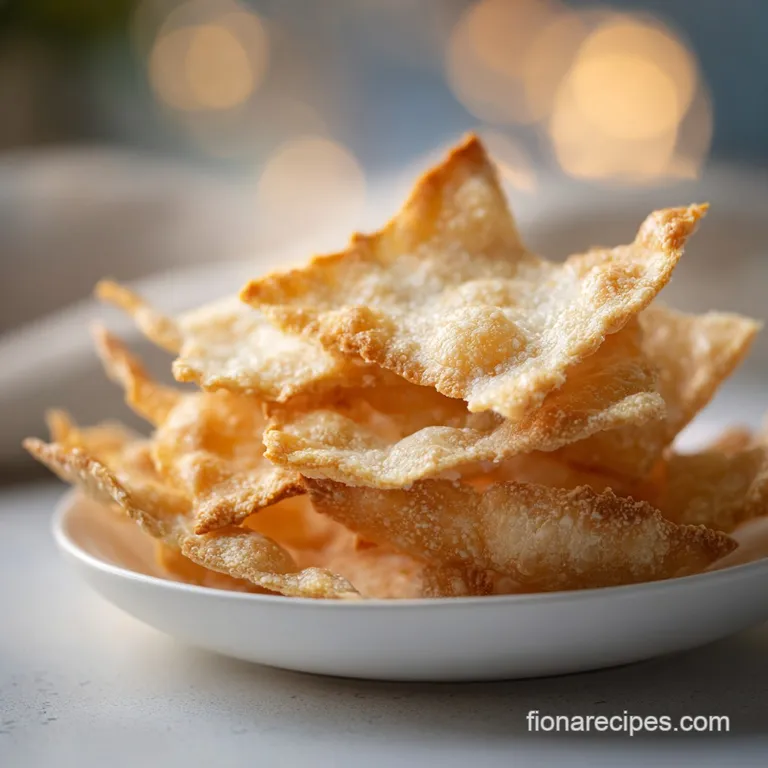
- Time: Active 15 minutes, Passive 50 minutes, Total 65 minutes
- Flavor/Texture Hook: A shatter crisp texture with a tangy, cultured finish.
- Perfect for: Zero waste kitchen prep or an impressive charcuterie board addition.
- The Ultimate Guide to Sourdough Discard Crackers
- The Science of the Snap
- Precision Measurements and Specs
- The Essential Components
- Required Tools for Success
- Step-by-Step Production Process
- Resolving Common Structural Flaws
- Customizing Your Cracker Formula
- Storage and Thermal Recovery
- Serving and Pairing Suggestions
- Myths Regarding Discard Baking
- Recipe FAQs
- 📝 Recipe Card
The Ultimate Guide to Sourdough Discard Crackers
We've all encountered the frustration of a "bendy" cracker. You pull a tray of homemade snacks from the oven, they look golden and promising, but the moment you take a bite, they have the structural integrity of a damp napkin. It's disappointing, especially when you’ve spent time managing your starter.
The primary culprit is usually residual moisture trapped in a dough that was rolled too thick or rushed into the oven without a proper hydration rest.
I used to think that just mixing flour and discard was enough to get that boxed cracker crunch. I was wrong. My early attempts were often tough, chewy, or strangely bread like in the center.
Through systematic testing, I found that the moisture in the starter needs time to distribute evenly among the dry flour particles, and the fat needs to be precisely integrated to create those micro layers of crispness.
This recipe is the targeted fix for soggy, lackluster discard snacks. We are going to focus on the science of rolling and the necessity of a cold rest to ensure that your Sourdough Discard Crackers come out of the oven with a professional, sharp snap.
It is a foolproof method that turns "waste" into the most requested snack in the house.
The Science of the Snap
Understanding the "why" behind the technique transforms a good cook into a great baker. When we work with sourdough discard, we are dealing with a fermented ingredient that has a lower pH than standard dough. This acidity plays a critical role in the final texture of our Discard Crackers.
- Acid Mediated Tenderness: The natural acids in the starter weaken the gluten proteins, preventing the crackers from becoming overly bready or tough.
- Hydration Equilibrium: Allowing the dough to rest for 30 minutes ensures every starch granule in the flour is fully saturated, leading to a more uniform evaporation of water during baking.
- Vapor Induced Flakiness: As the water in the butter and starter hits the high heat of the oven, it converts to steam, pushing the thin layers of dough apart to create a microscopic, flaky structure.
- Starch Gelatinization: High initial heat locks the structure of the rolled dough before the sugars can burn, resulting in a crispness that lasts for days.
If you are already in the baking groove and want to experiment with hydration levels, my Homemade Pizza Dough recipe is another fantastic way to see gluten in action.
| Method | Total Time | Texture | Best For |
|---|---|---|---|
| Cold Rest (This Recipe) | 65 minutes | Shatter crisp | Long term storage and dipping |
| Direct Bake | 35 minutes | Slightly chewy | Immediate snacking only |
| High Fat/Shortbread Style | 45 minutes | Crumbly/Buttery | Cheese pairings |
The cold rest is non negotiable for those seeking the perfect snap. It allows the butter to solidify, which helps maintain the integrity of the dough during the thin rolling phase. Without it, the dough often becomes elastic and snaps back, preventing you from reaching that necessary translucent thickness.
Precision Measurements and Specs
To achieve consistent results, we must look at the components of our Discard Crackers through the lens of weight rather than volume. A "cup" of starter can vary wildly depending on how much it has deflated. Using a digital scale is the only way to guarantee your crackers aren't too wet or too dry.
| Component | Science Role | Pro Secret |
|---|---|---|
| Sourdough Discard | Provides acidity and hydration | Use cold discard directly from the fridge for better dough handling. |
| All Purpose Flour | Structural framework | Avoid bread flour; the lower protein in AP flour ensures a more delicate crunch. |
| Unsalted Butter | Moisture barrier | Melt and cool it; this ensures even distribution without prematurely melting the flour's starches. |
By keeping these metrics precise, you ensure the fat to flour ratio remains stable. This stability is what allows the crackers to bake through completely without the edges burning before the center is dry.
The Essential Components
Choosing high-quality ingredients for your Sourdough Discard Crackers will yield a much more complex flavor profile. Since the ingredient list is short, each element is prominent.
- 200g sourdough starter discard: Use unfed discard at 100% hydration. Why this? The tanginess provides the base flavor without needing artificial additives.
- 125g all purpose flour: Provides the necessary structure. Why this? It strikes the balance between strength and tenderness.
- 60g unsalted butter: Melted and cooled to room temperature. Why this? Fat coats the flour, inhibiting excessive gluten development.
- 2g fine sea salt: To season the dough internally.
- 1 tbsp dried herbs: Such as rosemary or thyme.
- 1 tbsp everything bagel seasoning: For a savory, textured crust.
- 2 tsp olive oil: For brushing the surface.
- 0.5 tsp flaky sea salt: For the final finish and crunch.
For a substitution, if you don't have butter, you can use 50g of neutral oil, though the flavor will be less rich and the texture slightly more "fried." If you're out of all purpose flour, white whole wheat flour works as a 1:1 swap, but it will result in a denser, nuttier cracker that requires a slightly longer bake.
Required Tools for Success
You don't need a lab, but a few specific tools make the process of making Sourdough Discard Crackers much more efficient. Precision is our friend here.
First, a heavy rolling pin is essential. Lightweight pins require you to press down with your own body weight, which can lead to uneven thickness. A heavy marble or wooden pin does the work for you. Second, parchment paper is mandatory.
You cannot roll this dough on a counter and expect to move it to a tray; it is too thin and fragile. You must roll it directly on the paper that will go into the oven.
Finally, a pizza cutter or a pastry wheel is the most efficient way to score the dough. Using a knife can drag the dough and ruin the clean edges we want for our homemade sourdough crackers.
step-by-step Production Process
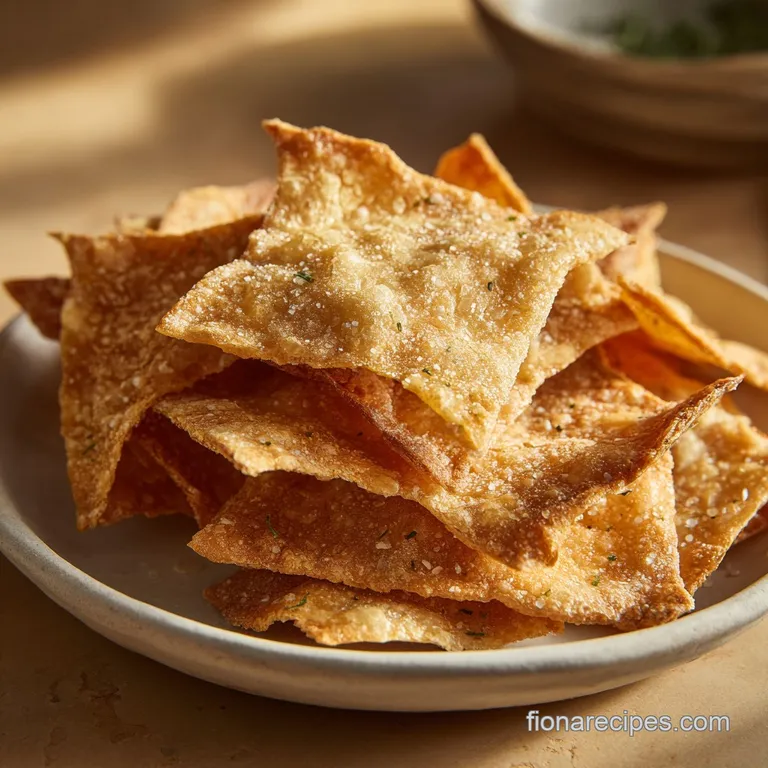
- Combine the 200g sourdough starter discard and 60g cooled melted butter in a medium bowl until silky.
- Gradually fold in the 125g all purpose flour and 2g fine sea salt. Note: Stop as soon as the flour disappears to prevent overworking the gluten.
- Shape the dough into a shaggy ball, wrap it tightly in plastic, and refrigerate for 30 minutes.
- Preheat your oven to 350°F (175°C) and prepare a large baking sheet.
- Place the chilled dough onto a sheet of parchment paper.
- Roll the dough outward from the center until it is nearly translucent and covers the entire sheet.
- Brush the surface lightly with 2 tsp olive oil to help the toppings adhere.
- Sprinkle with herbs, everything seasoning, and 0.5 tsp flaky sea salt.
- Score the dough into squares with a pizza cutter until you hear the cutter hit the paper.
- Bake for 20 minutes until the crackers are golden brown and snap easily when touched.
Resolving Common Structural Flaws
Even with a foolproof recipe, the environment of your kitchen can change the outcome. Humidity, oven hot spots, and even the age of your starter can play a role in how your Sourdough Discard Crackers behave.
Why are my crackers chewy instead of crispy?
This is almost always a result of under baking or rolling the dough too thick. If the moisture isn't fully driven out of the center of the cracker, it will remain flexible.
What if my dough is too sticky to roll?
Stickiness occurs if your starter was particularly "bubbly" or high hydration. A quick 10 minute stint in the freezer can firm up the butter and make the dough much easier to handle without adding extra flour, which would toughen the cracker.
| Problem | Root Cause | Solution |
|---|---|---|
| Soggy Centers | Uneven rolling thickness | Roll until the dough is paper thin and translucent. |
| Burnt Edges | Oven hot spots | Rotate the baking sheet 180 degrees halfway through the bake. |
| Toppings Falling Off | Lack of adhesive | Ensure you brush with enough olive oil before seasoning. |
Common Mistakes Checklist
- ✓ Skipping the 30 minute fridge rest (leads to "snap back" dough).
- ✓ Using a dark, non stick pan without parchment (burns the bottom too quickly).
- ✓ Over mixing the dough (results in a tough, "hard" bite instead of a "crisp" one).
- ✓ Scoring too lightly (the crackers won't separate cleanly after baking).
- ✓ Forgetting to rotate the pan (most home ovens have uneven heat distribution).
Customizing Your Cracker Formula
Once you have the base method down for these quick sourdough discard crackers, the variations are endless. The beauty of this dough is its neutrality; it takes on flavors beautifully.
Cheesy Discard Crackers
To create a version reminiscent of a famous boxed cheese snack, fold in 50g of finely grated sharp cheddar or parmesan into the dry flour before mixing. You may need to reduce the butter by 5g to account for the extra fat in the cheese.
Seeded Snack Options
For a nutty, high fiber version, add 2 tablespoons of flax seeds, sesame seeds, or poppy seeds directly into the dough. This adds structural interest and a delightful crunch that complements the tang of the sourdough.
For those who enjoy the science of cold fats and how they interact with flour, you might want to compare this method to my Tall Fluffy Homemade Biscuits.
Vegan Ingredient Swaps
If you want to avoid dairy, you can replace the butter with a high-quality vegan butter stick. Avoid soft tub margarines, as they have a higher water content which can lead to a soggy cracker. Coconut oil is also an option, though it will impart a slight tropical flavor.
Storage and Thermal Recovery
Proper storage is the only way to maintain that hard earned snap in your homemade sourdough crackers. Because these are low moisture items, they are highly susceptible to humidity in the air.
- Storage: Keep the cooled crackers in an airtight glass jar or a high-quality plastic container. They will stay fresh at room temperature for up to 7 days.
- Freezing: You can freeze the raw dough for up to 3 months. Thaw it in the fridge overnight before rolling. I do not recommend freezing the baked crackers, as they lose their texture upon thawing.
- Zero Waste: Don't throw away the "ugly" edge pieces that don't make perfect squares. Crush them up and use them as a crunchy topping for salads or as a replacement for breadcrumbs in your next gratin.
If your crackers do happen to lose their crispness due to a humid day, you can perform a "thermal recovery." Simply pop them back into a 300°F (150°C) oven for 3-5 minutes. This drives out any absorbed atmospheric moisture and restores the original shatter.
Serving and Pairing Suggestions
These crackers are sturdy enough to handle heavy dips but delicate enough to eat on their own. I find they pair exceptionally well with creamy elements that balance the sourdough acidity.
- The Cheese Board: Serve with a soft brie, a sharp goat cheese, and some honey soaked walnuts.
- The Dip Duo: They are the perfect vessel for hummus or a thick spinach and artichoke dip.
- The Soup Topper: Instead of standard saltines, float a few of these on top of a hot bowl of tomato basil soup.
If you want X, do Y If you want a richer flavor, use brown butter instead of just melted butter. If you want a spicier kick, add 0.5 tsp of cayenne pepper to the flour mix.
If you want a sweeter snack, swap the herbs for cinnamon sugar and omit the everything seasoning.
Myths Regarding Discard Baking
One common misconception is that you must use "fresh" discard from a starter that was fed within the last 24 hours. In reality, older discard (up to a week old) actually provides a more pronounced sourdough tang that works beautifully in a savory cracker.
Another myth is that you need a pasta machine to get the dough thin enough. While a pasta machine is a great tool, a standard rolling pin and a bit of patience can achieve the same translucent result. The secret isn't the tool; it’s the gluten relaxation that happens during the rest.
Finally, many people believe that docking (poking holes in) the dough is only for aesthetics. Actually, docking prevents the crackers from puffing up like pita bread. It allows steam to escape uniformly, ensuring the crackers stay flat and crisp across the entire surface.
Without those small vents, you’ll end up with large air bubbles that shatter into a mess when you try to spread cheese on them.
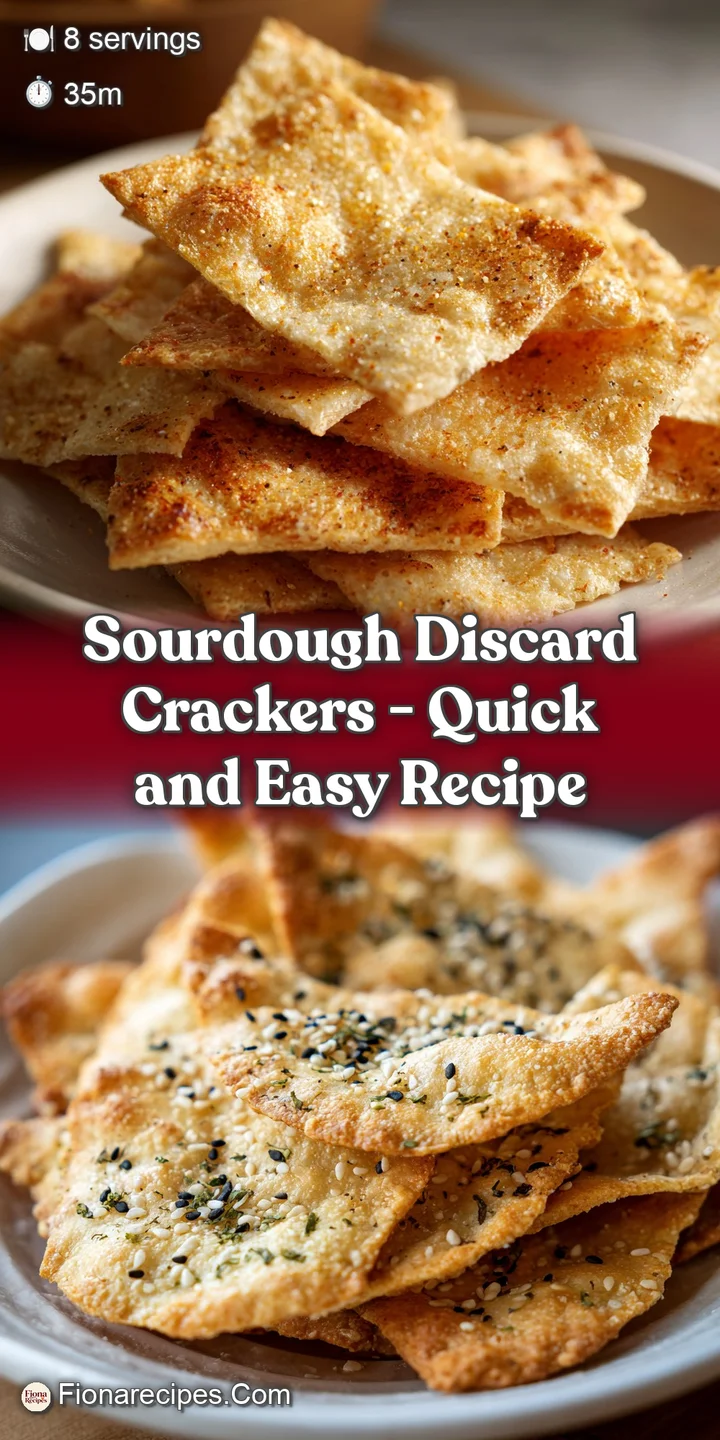
Recipe FAQs
Do I need to feed my sourdough starter before using it for discard crackers?
No, you should use unfed discard. The acidity of unfed starter provides the best flavor and texture for these crackers, so there is no need to wake it up or feed it beforehand.
How to ensure my crackers stay crispy after baking?
Store them in an airtight container once completely cooled. Because these crackers are low in moisture, they will quickly absorb humidity from the air and lose their snap if left uncovered on the counter.
Is it true that I can skip the 30-minute refrigeration step?
No, this is a common misconception. Resting the dough in the refrigerator is essential for allowing the flour to hydrate and the gluten to relax, which makes rolling the dough into a translucent sheet much easier.
How to roll the dough thin enough for a crispy texture?
Roll the dough outward from the center while it is placed on parchment paper. Keep rolling until the dough is nearly translucent and covers the entire baking sheet to ensure an even, crunchy result.
Can I freeze the crackers after they are baked?
No, freezing baked crackers is not recommended. They lose their structural integrity and crispness during the thawing process, though you can safely freeze the raw dough for up to three months.
How to troubleshoot dough that is too difficult to roll out?
Return the dough to the refrigerator for an additional 15 minutes. If the dough feels too elastic or shrinks back, it means the gluten needs more time to relax; if you enjoy mastering precise dough handling, this patience is the key to perfect results.
How to tell when the crackers are perfectly done?
Look for a golden brown color throughout the entire sheet. Bake them for 20 minutes at 350°F (175°C), ensuring they look crisp and lightly toasted before removing them from the oven.
Sourdough Discard Crackers
Ingredients:
Instructions:
Nutrition Facts:
| Calories | 174 kcal |
|---|---|
| Protein | 3.1 g |
| Fat | 8.0 g |
| Carbs | 22.1 g |
| Fiber | 1.0 g |
| Sugar | 0.1 g |
| Sodium | 275 mg |
