Soft Chocolate Chip Cookies with Cornstarch
- Time: Active 20 mins, Passive 2 hours 10 mins, Total 2 hours 30 mins
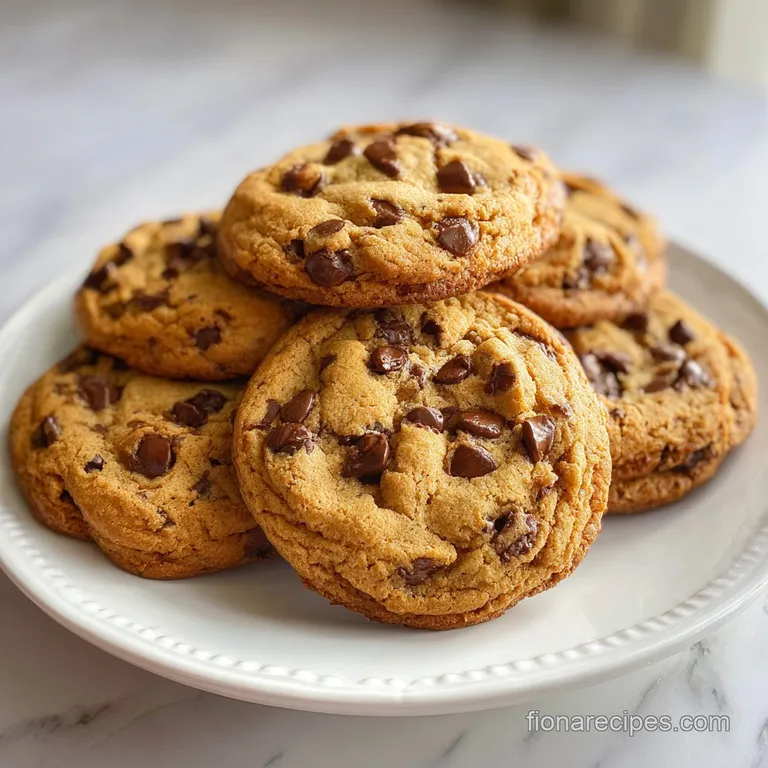
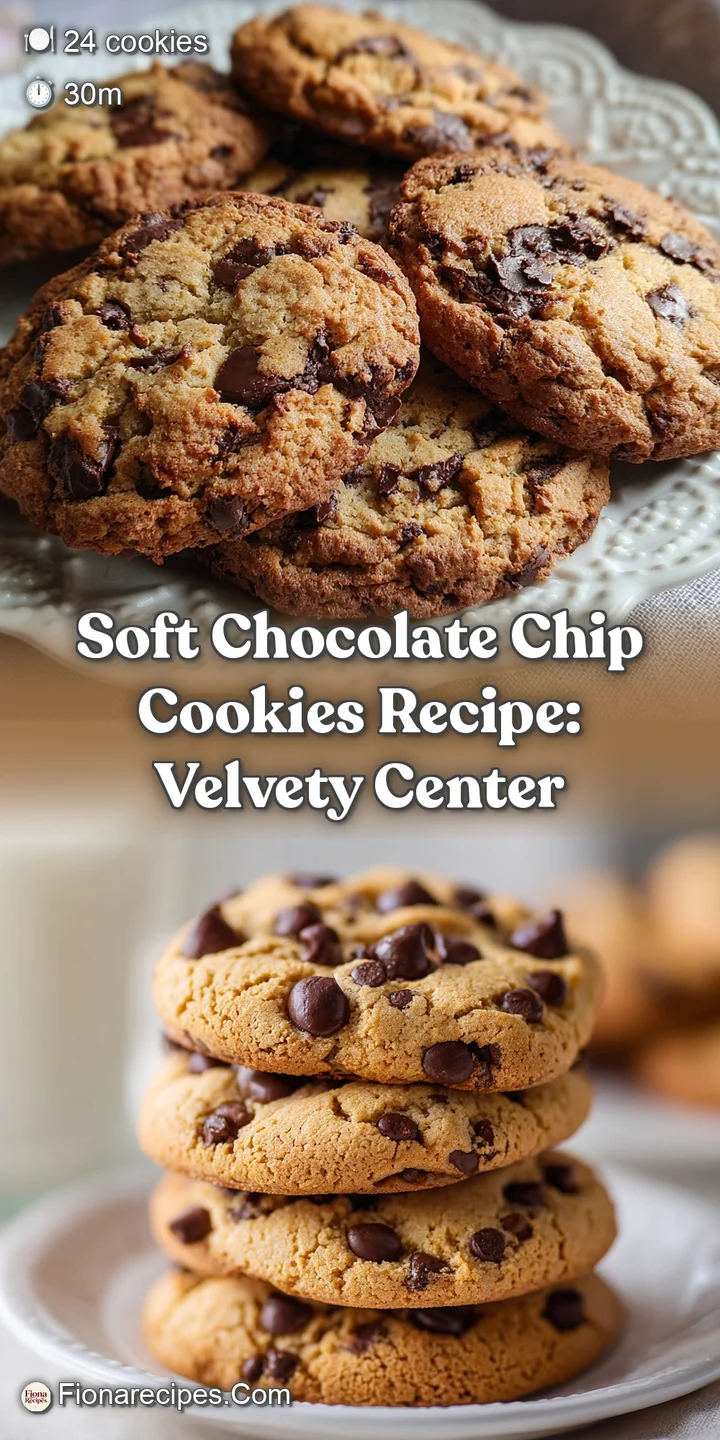
- Flavor/Texture Hook: Velvety center with buttery, caramelized edges
- Perfect for: Weekend baking, gift boxes, or a rainy afternoon treat
- Essential Ratios for Consistent Baking Results
- Components of a Pillowy Cookie Crumb
- Precise Ingredients and Smart Substitutions
- Tools for Professional Grade Homemade Cookies
- Step-by-Step Method for Foolproof Consistency
- Solving Texture Issues for Flawless Rounds
- Modifying the Formula for Dietary Needs
- Maintaining Freshness and Maximizing Longevity
- Visual Finishing Touches for Artisanal Aesthetics
- Recipe FAQs
- 📝 Recipe Card
Essential Ratios for Consistent Baking Results
Precision is our best friend in the kitchen. To get that specific "soft" result every single time, we need to focus on the thermodynamics of the oven and the internal temperature of our ingredients. If your butter is too hot, the cookies will puddle into a greasy mess.
If the egg is cold, it won't emulsify with the fat properly. We are aiming for a cohesive emulsion that traps air and moisture perfectly.
- Thermal Stability: Softened butter must be precisely 65°F (18°C) to hold air during the creaming process without melting.
- Starch Gelatinization: The inclusion of cornstarch lowers the overall protein percentage of the flour, which prevents excess gluten from making the cookies tough.
- Hygroscopic Balance: Using more brown sugar than white sugar works because brown sugar contains molasses, which actively pulls moisture from the air to keep the crumb soft.
- Carryover Cooking: We pull these out when they look slightly underdone because the internal residual heat continues to set the starches for 5-10 minutes on the tray.
| Method | Time | Texture | Best For |
|---|---|---|---|
| Standard Oven | 10 minutes | Uniformly soft with crisp edges | Traditional batches |
| Stovetop (Skillet) | 15 minutes | Extra gooey, molten center | Sharing dessert |
| Air Fryer | 7 minutes | Rapid browning, very soft middle | Small servings |
The table above illustrates how the heat source changes the final structure. While the oven provides the most consistent air circulation for a classic Soft Chocolate Chip Cookies recipe, a cast iron skillet on the stovetop creates a concentrated bottom heat that results in a much fudgier, denser base.
Components of a Pillowy Cookie Crumb
The interaction between fat and sugar determines the final "lift" of your cookie. In this specific formula, we use a combination of light brown sugar and granulated sugar to balance flavor and structure.
The light brown sugar provides that deep, toffee like note while the granulated sugar helps the edges get that tiny bit of golden color we love.
| Ingredient | Science Role | Pro Secret |
|---|---|---|
| Cornstarch | Interferes with gluten | Sift it with flour to prevent "starchy" pockets |
| Egg Yolk | Adds fat and lecithin | Use room temp yolks to ensure a silky emulsion |
| Light Brown Sugar | Retains moisture | Pack it tight to ensure accurate volume/weight |
We have to be very careful with the flour measurement here. Even an extra 20 grams of flour can turn a soft cookie into a bready one. I always recommend using a digital scale to hit that 350g mark exactly. It is the most common mistake I see people make, and it is the easiest one to fix.
Precise Ingredients and Smart Substitutions
Before you start, make sure all your refrigerated items have been sitting on the counter for at least an hour. We want everything at a similar temperature to prevent the batter from "breaking" or curdling during the mixing phase.
- 350g all purpose flour: The structural base.
- Substitute: 1:1 gluten-free baking blend. Why this? Provides the necessary protein structure without being too heavy.
- 15g cornstarch: The secret to the "soft" texture.
- Substitute: Arrowroot powder. Why this? Effectively softens the flour's protein for a tender bite.
- 5g baking soda: For lift and browning.
- Substitute: 15g baking powder. Why this? Reacts with the acidic brown sugar to create carbon dioxide bubbles.
- 4g sea salt: To balance the intense sweetness.
- Substitute: Kosher salt. Why this? Enhances the chocolate and vanilla notes significantly.
- 170g unsalted butter (65°F): The fat source.
- Substitute: Vegan butter sticks. Why this? Provides the richness and allows for proper aeration during creaming.
- 165g light brown sugar: For moisture and chew.
- Substitute: Dark brown sugar. Why this? The molasses keeps the cookies soft and adds caramel flavor.
- 100g granulated sugar: For crisp edges.
- Substitute: Coconut sugar. Why this? Provides sweetness and helps the cookie spread slightly.
- 1 large egg + 1 yolk: Binding and richness.
- Substitute: 1/4 cup applesauce + 1 tsp oil. Why this? The extra yolk adds fat for a more velvety mouthfeel.
- 10ml pure vanilla extract: For aroma.
- Substitute: Vanilla bean paste. Why this? Essential for that classic bakery style scent and flavor.
- 340g semi sweet chocolate chips: The main inclusion.
- Substitute: Chopped dark chocolate bars. Why this? high-quality chips hold their shape while providing pockets of sweetness.
Tools for Professional Grade Homemade Cookies
You don't need a professional bakery kitchen, but a few specific tools will make your life much easier and your results more consistent. I personally swear by a heavy duty stand mixer because it creams the butter and sugar far more effectively than I ever could by hand.
Chef's Tip: Use a spring loaded cookie scoop (about 2 tablespoons size). This ensures every cookie is exactly the same weight, which means they will all finish baking at the exact same second. No more burnt small cookies and raw large ones.
If you don't have a stand mixer, a hand mixer works perfectly fine. Just be sure to scrape the sides of the bowl frequently with a silicone spatula. You also want heavy gauge baking sheets. Thin, cheap trays often warp in the heat and cause the bottoms of the cookies to scorch before the centers are set.
step-by-step Method for Foolproof Consistency
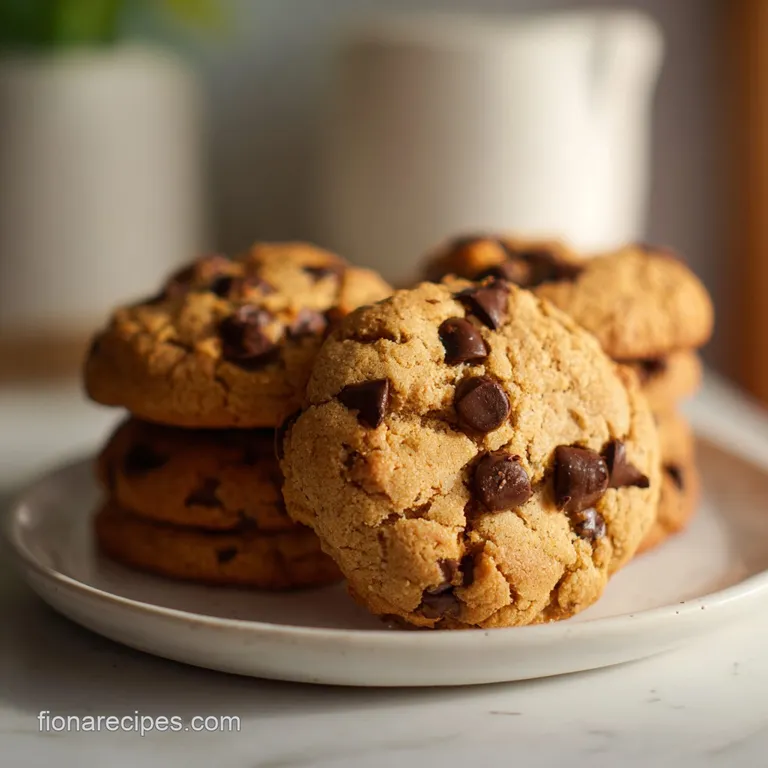
- Whisk the dry base. Combine the 350g flour, 15g cornstarch, 5g baking soda, and 4g salt in a bowl. Note: This ensures the leavening agents are evenly distributed to avoid bitter clumps.
- Cream the fats and sugars. Beat the 170g butter with both sugars for 3 full minutes. until the mixture looks pale and fluffy.
- Emulsify the liquids. Add the egg, extra yolk, and 10ml vanilla. Note: The extra yolk is the secret to that velvety, rich texture we are chasing.
- Integrate the foundation. Turn the mixer to low and slowly add the flour mixture. until just a few streaks of white remain.
- Fold the inclusions. Stir in the 340g chocolate chips by hand using a spatula. Note: Hand folding prevents over working the dough at this late stage.
- Chill the dough. Cover the bowl and refrigerate for at least 2 hours. until the dough feels firm and cold.
- Portion the rounds. Scoop 2 tablespoon mounds and place them on a lined tray. Note: Don't flatten them; keep them as tall mounds for a thicker center.
- Bake with precision. Place in a preheated 350°F (175°C) oven for exactly 10 minutes. until the edges are barely golden.
- Rest on the tray. Leave the cookies on the hot baking sheet for 5 minutes. Note: This allows the centers to finish setting via carryover heat.
- Cool completely. Transfer to a wire rack to stop the cooking process entirely.
Solving Texture Issues for Flawless Rounds
Baking is chemistry, and sometimes the environment interferes with our results. If your kitchen is very humid, your flour might have absorbed extra moisture before you even started. Or perhaps your oven runs 10 degrees hotter than the dial says. These little variables can change the outcome, but they are all fixable.
Fixing Excessively Flat Cookies
If your cookies spread into thin puddles, the most likely culprit is the temperature of the fat. If the butter was too soft or the dough wasn't chilled long enough, the fat melts before the flour structure can set. Next time, ensure the dough is cold to the touch before it hits the oven.
Preventing a Bready or Dry Texture
This usually happens from over measuring flour or over mixing. When you mix flour with liquid, gluten begins to develop. If you beat the dough too long after adding the flour, you're essentially making bread. Mix until the flour just disappears, then stop.
| Problem | Root Cause | Solution |
|---|---|---|
| Cookies are hard/crunchy | Overbaked or too much white sugar | Reduce bake time by 2 mins; check sugar ratios |
| Greasy bottoms | Butter was too warm during creaming | Chill dough for 4+ hours before baking |
| No browning | Oven temp too low | Use an oven thermometer to verify 350°F |
Common Mistakes Checklist
- ✓ Never use melted butter unless the recipe specifically calls for it (it ruins the aeration).
- ✓ Do not skip the chilling step; it hydrates the flour and prevents excessive spreading.
- ✓ Avoid over greasing the baking sheet; use parchment paper or a silicone mat instead.
- ✓ Don't check the oven every 2 minutes; opening the door drops the temperature significantly.
- ✓ Always use large eggs; smaller eggs won't provide enough moisture for the 350g of flour.
Modifying the Formula for Dietary Needs
If you are cooking for a crowd with different needs, you can still achieve a fantastic Soft Chocolate Chip Cookies experience with a few tweaks. The main goal is to maintain that fat to moisture balance.
For a gluten-free Alternative Use a high-quality gluten-free flour blend that contains xanthan gum. You might need to let the dough rest in the fridge for an extra hour to allow the rice flours to hydrate, which prevents a "gritty" mouthfeel.
The cornstarch is already naturally gluten-free, so keep that in for the softness!
Crafting a dairy-free Version Replace the butter with vegan butter sticks (not the tub kind, which has too much water). Ensure the chocolate chips are dairy-free. Since vegan butter often has a lower melting point, I recommend chilling the dough balls in the freezer for 15 minutes right before they go into the oven to help them keep their shape.
Maintaining Freshness and Maximizing Longevity
Storage is where most people lose the "soft" factor. If you leave these out on a plate, the air will wick away the moisture within 12 hours. To keep them velvety, you need to be proactive about how you house them.
- Room Temperature: Store in an airtight container for up to 5 days.
- The Bread Trick: Place a single slice of white bread in the container with the cookies. The cookies will actually pull the moisture out of the bread, staying soft while the bread turns hard.
- Freezing: You can freeze baked cookies for up to 3 months. Just thaw them at room temp or give them a 10 second zap in the microwave.
- Zero Waste: If you do end up with a few dry ones, crush them up and use them as a topping for vanilla ice cream or fold them into a cheesecake crust. Never throw away a cookie!
Visual Finishing Touches for Artisanal Aesthetics
We eat with our eyes first. To get that "Instagram perfect" look, there are two easy tricks. First, as soon as the cookies come out of the oven, use a large circular cookie cutter or a glass to "scoot" the cookies.
Place the cutter over the cookie and move it in a circular motion; this pulls in any stray edges and creates a perfect, uniform circle.
Second, press a few extra chocolate chips into the tops of the warm cookies immediately after they come out of the oven. This makes the inclusions visible and inviting. A tiny sprinkle of flaky sea salt (like Maldon) provides a beautiful visual contrast and cuts through the richness of the semi sweet chocolate.
It makes the whole experience feel much more intentional and professional.
If you follow these precision steps the 65°F butter, the extra egg yolk, and the mandatory chill time you are going to end up with the most consistent, soft, and satisfying cookies you've ever made. Let's get baking!
Recipe FAQs
What is the secret to soft cookies?
Use more brown sugar than white sugar and include cornstarch. Brown sugar is hygroscopic, meaning it actively draws in moisture, while cornstarch lowers the overall protein ratio, preventing the cookie from developing too much hardening gluten.
What happens if I add an extra egg to my chocolate chip cookie dough?
It usually increases chewiness and richness, but be careful. The extra egg adds more liquid and protein, which can lead to puffier cookies, but too much liquid without extra flour can make them set too slowly and spread more.
What is the #1 cookie in the world?
Chocolate Chip Cookies are consistently ranked as the most popular globally. Their combination of buttery flavor, textural contrast, and chocolate payoff is nearly unmatched in baking.
How to turn cookies soft?
Ensure your butter is 65°F and chill the dough for at least two hours. The right fat temperature allows for proper aeration, and chilling hydrates the flour, which locks in moisture and prevents excessive spreading in the oven.
Must I chill the dough for soft cookies?
Yes, chilling is mandatory for optimal texture. Chilling solidifies the fat, ensuring the cookie spreads less and bakes thicker; cold dough also allows the flour to fully absorb the liquids, resulting in a chewier center.
Is it true that using only white sugar results in crispier cookies?
Yes, this is scientifically accurate. Granulated white sugar melts cleanly and doesn't retain moisture like brown sugar, leading to thinner, crispier edges and a less chewy final texture.
How to prevent cookies from becoming hard after baking?
Store the baked cookies with a slice of white bread in an airtight container. The cookies will absorb moisture from the bread, keeping them soft for days longer than if stored alone.
Soft Chocolate Chip Cookies
Ingredients:
Instructions:
Nutrition Facts:
| Calories | 223 kcal |
|---|---|
| Protein | 2.5 g |
| Fat | 10.5 g |
| Carbs | 31.4 g |
| Fiber | 0.4 g |
| Sugar | 18.4 g |
| Sodium | 98 mg |
