Shrimp Scampi Pasta: Quick & Silky
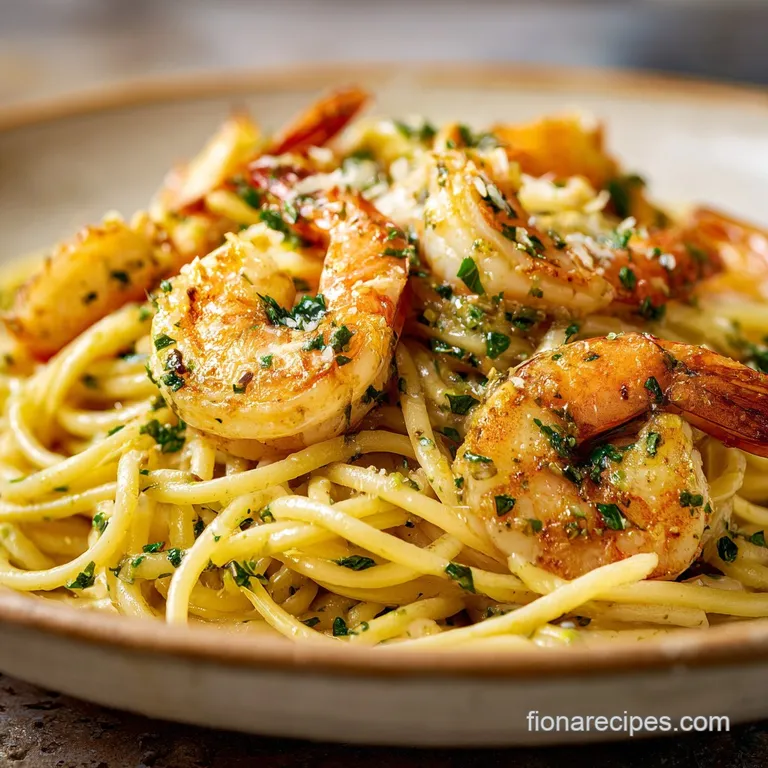
- Time: Active 10 minutes, Passive 10 minutes, Total 20 minutes
- Flavor/Texture Hook: Vibrant citrus notes with a velvety, garlicky finish
- Perfect for: Busy weeknights, date nights, or beginner friendly entertaining
- Why This Vibrant Shrimp Scampi Pasta Wins Every Time
- Essential Science and Technical Specs for Scampi Success
- Component Analysis of the Traditional Scampi Pasta Elements
- Necessary Kitchen Equipment for a Quick Seafood Dinner
- Comprehensive Step by Step Cooking Instructions for Success
- Fixing Texture and Flavor Problems in Your Scampi
- Budget Friendly Swaps and Flavor Adaptations for Families
- Guidelines for Storing Leftovers and Minimizing Kitchen Waste
- Flavor Pairings and Common Kitchen Myths
- Recipe FAQs
- 📝 Recipe Card
Why This Vibrant Shrimp Scampi Pasta Wins Every Time
You know that frantic Tuesday feeling where you want something fancy but have exactly zero energy? I've been there, staring into the fridge hoping a five star meal would just manifest. That is exactly how this Shrimp Scampi Pasta became a permanent resident on my weekly rotation.
The first time I made this, I was so worried about overcooking the shrimp that I pulled them too early, resulting in a soggy mess. But after a few trials (and some very rubbery errors), I found the secret to that snap you get at high end bistros.
There is nothing quite like the sizzle of garlic hitting warm olive oil. It is a sensory trigger that tells your brain "comfort is coming." When you toss the linguine into that shimmering, lemony butter sauce, it creates a coating that is purely decadent without feeling heavy.
It is the kind of dish that makes you feel like a pro even if you're still wearing your work clothes and haven't finished your first cup of coffee.
We are focusing on real food here, nothing fancy or "gourmet" that requires a specialty grocery run. We're talking about frozen shrimp from the back of the freezer, a box of pasta, and those lemons sitting in the fruit bowl.
Trust me, once you see how the sauce clings to the noodles, you'll never go back to the jarred stuff. This is about making a family dinner that feels special but fits into your actual life.
Essential Science and Technical Specs for Scampi Success
Understanding the "why" behind the sizzle makes you a better cook instantly. We aren't just heating things up; we are managing proteins and starches to get that silky finish we all crave.
- Alkaline Texture: Baking soda raises the pH of the shrimp, which helps them stay plump and "snappy" rather than mushy when they hit the heat.
- Starch Emulsification: The reserved pasta water contains gluten and starch that acts as a bridge between the fat (butter) and the liquid (wine), creating a cohesive sauce.
- Maillard Management: Slicing half the garlic allows it to brown slowly for a nutty flavor, while mincing the rest provides an immediate aromatic punch.
- Carryover Control: Removing the shrimp while they are still slightly translucent in the center ensures they finish cooking in the residual heat of the pasta, preventing that "rubbery" texture.
| Shrimp Thickness | Internal Temp | Rest Time | Visual Cue |
|---|---|---|---|
| Small (51/60) | 145°F (63°C) | 1 minute | Opaque white throughout |
| Medium (31/40) | 145°F (63°C) | 2 minutes | C shape with pink edges |
| Large (16/20) | 145°F (63°C) | 3 minutes | Firm to touch, no grey spots |
Getting the temperature right is the difference between a meal you enjoy and one you just chew through. If you've ever struggled with similar sauce consistency, you might notice techniques here that remind you of the creamy base in a Garlic Parmesan Chicken recipe. Both rely on that starch water magic to keep things from separating.
Component Analysis of the Traditional Scampi Pasta Elements
Let's look at what actually goes into the pan. Using the right ingredients in the right way is the smartest way to cook on a budget.
| Ingredient | Science Role | Pro Secret |
|---|---|---|
| Large Shrimp | Lean Protein | Pat them bone dry with paper towels before seasoning to ensure they sear instead of steam. |
| Baking Soda | pH Regulator | Just a tiny pinch changes the cellular structure to keep the shrimp juicy and firm. |
| Dry White Wine | Acid & Flavor | Use a crisp Pinot Grigio; the acidity cuts through the butter and brightens the seafood. |
| Cold Butter | Fat/Emulsifier | Adding the final butter while it is cold helps it emulsify slowly into a thick, glossy sauce. |
1. The Baking Soda Secret
Most people skip this, but it’s a game changer. A 10 minute "dry brine" with a bit of salt and baking soda alters the protein strands. This means even if you accidentally leave them in the pan for 30 seconds too long, they stay tender.
2. The Cold Butter Technique
We use 4 tablespoons of butter in total. The first half is for sautéing, but the second half goes in at the very end. By whisking in cold butter cubes, you’re creating a mounting sauce (beurre monté) that stays velvety rather than turning into a puddle of oil.
3. Layered Garlic Infusion
Six cloves sounds like a lot, but we’re splitting them. Sliced garlic browns and gets sweet, while minced garlic dissolves into the sauce for that sharp, classic "scampi" bite. It's a dual flavor profile that makes the dish taste way more complex than it is.
Necessary Kitchen Equipment for a Quick Seafood Dinner
You don't need a kitchen full of gadgets, but a few specific items make this move faster.
- Large Skillet: A 12 inch stainless steel or cast iron pan provides enough surface area so the shrimp don't crowd and steam.
- Pasta Pot: A standard 6 quart pot to give the linguine plenty of room to dance.
- Microplane: For the lemon zest. You want the yellow part only, as the white pith is bitter.
- Tongs: The best tool for tossing the pasta and ensuring every strand is coated in the garlic butter.
Comprehensive step-by-step Cooking Instructions for Success
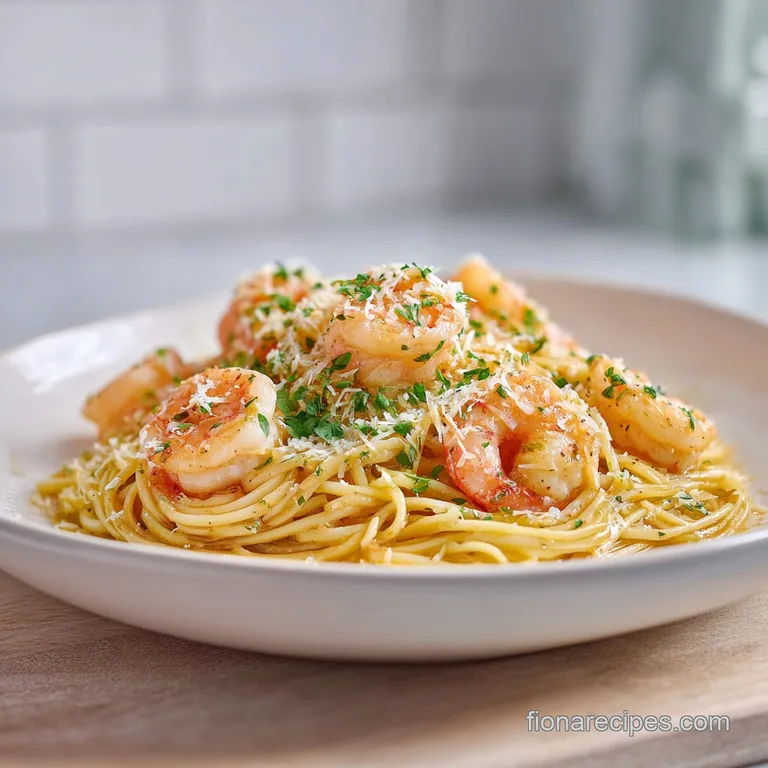
- Prep the shrimp. Toss the 1 lb large shrimp with 1/4 tsp baking soda and 1/2 tsp kosher salt. Note: This creates the "snap" texture we talked about.
- Boil the pasta. Cook 12 oz linguine in salted water until just shy of al dente. Wait until the water is a rolling boil before adding noodles.
- Save the liquid. Scoop out 1/2 cup of starchy pasta water before draining. Note: This is the liquid gold for your sauce.
- Sear the shrimp. Heat 2 tbsp olive oil and 2 tbsp butter in your skillet. Add shrimp in a single layer and cook 1 minute per side until pink and barely opaque. Remove from pan.
- Bloom the aromatics. In the same pan, add the 3 sliced and 3 minced garlic cloves along with 1/2 tsp red pepper flakes. Sauté 30 seconds until fragrant and golden.
- Deglaze the pan. Pour in 1/2 cup dry white wine. Scrape the bottom of the pan to release those browned bits.
- Reduce the sauce. Simmer the wine for 2-3 minutes until the liquid reduces by half.
- Emulsify the butter. Turn heat to low. Whisk in the remaining 2 tbsp of cold butter and the lemon juice.
- Combine everything. Return the shrimp to the pan along with the cooked linguine and 1/4 cup pasta water.
- The final toss. Add the lemon zest and 1/4 cup parsley. Toss vigorously until the sauce turns silky and clings to the pasta.
Fixing Texture and Flavor Problems in Your Scampi
Even the best of us hit a snag sometimes. Usually, it's a matter of heat control or timing. If things look off, don't panic; most scampi issues are fixable in under a minute.
The Sauce is Too Thin
If your pasta looks like it’s sitting in a soup, you likely have too much pasta water or the butter didn't emulsify. Keep the heat on medium and toss the pasta constantly. The friction and the starch will eventually bind the fat and liquid.
Rubbery Shrimp
This usually happens from overcooking. If they've curled into tight little "O" shapes, they’re overdone. Next time, pull them when they are "C" shaped. To save them now, ensure they are thoroughly coated in the sauce to add moisture back.
The Garlic is Bitter
If the garlic turned dark brown or black, it’s burnt. There is no fixing this it will ruin the whole dish. If this happens, wipe the pan out and start the garlic step over. It only takes a minute and saves the meal.
| Problem | Root Cause | Solution |
|---|---|---|
| Broken Sauce | Heat too high when adding butter | Remove from heat, add 1 tbsp pasta water, and whisk rapidly. |
| Dry Pasta | Not enough reserved water | Add more pasta water 1 tbsp at a time until glossy. |
| Bland Flavor | Not enough acidity | Add an extra squeeze of lemon or a pinch of salt. |
Common Mistakes Checklist
- ✓ Pat the shrimp dry before cooking; moisture is the enemy of a good sear.
- ✓ Don't overcook the pasta in the water; it will finish cooking in the sauce.
- ✓ Never skip the pasta water; plain tap water won't thicken the sauce.
- ✓ Use cold butter for the finish; melted butter will just turn oily.
- ✓ Add the lemon zest at the very end to keep the oils bright and fresh.
Budget Friendly Swaps and Flavor Adaptations for Families
We all want a great meal without breaking the bank. If you don't have white wine or fresh herbs, you can still make an incredible Shrimp Scampi Pasta. For instance, if you're looking for a completely different profile but want to keep it fast, you might enjoy a Vegetable Stir Fry recipe which uses similar quick cooking logic.
| Original Ingredient | Substitute | Why It Works |
|---|---|---|
| Dry White Wine (1/2 cup) | Chicken Broth + 1 tsp Vinegar | Provides acidity and depth without the cost of alcohol. |
| Fresh Parsley (1/4 cup) | Dried Parsley (1 tbsp) | Adds color. Note: Soak in 1 tsp water first to revive the flavor. |
| Large Fresh Shrimp | Frozen Pre Cooked Shrimp | Saves money. Note: Add at the very end just to warm through. |
Scaling for the Whole Crew
- To halve the recipe: Use a smaller 10 inch skillet. Keep the garlic amount the same (we love garlic!) and reduce the wine to 1/4 cup.
- To double the recipe: Cook the shrimp in two separate batches so the pan stays hot. Use the full amount of pasta water and increase spices to 1.5x rather than doubling to avoid over seasoning.
If you want X, do Y
- If you want it extra creamy, whisk in 2 tablespoons of heavy cream at the very end.
- If you want it spicier, double the red pepper flakes and add them to the oil early to infuse.
- If you want it healthier, swap the linguine for zoodles (zucchini noodles) or spaghetti squash.
Guidelines for Storing Leftovers and Minimizing Kitchen Waste
Seafood is best eaten fresh, but you can definitely save this for lunch the next day. The key is preventing the shrimp from becoming little rubber balls during reheating.
Storage: Keep in an airtight container in the fridge for up to 2 days. I don't recommend freezing this dish once it's fully assembled, as the pasta will get mushy and the sauce will break upon thawing.
Zero Waste Tip: Don't throw away those lemon halves after squeezing them! Toss them into a jar of white vinegar to make a natural kitchen cleaner, or put them through the garbage disposal to freshen it up.
If you have leftover shrimp shells, boil them with a bit of water and onion scraps to make a quick seafood stock for your next soup.
Reheating: Avoid the microwave if possible. Instead, put the pasta in a skillet with a splash of water or broth over medium low heat. Cover it for 2 minutes to let the steam revive the noodles, then toss until warm.
Flavor Pairings and Common Kitchen Myths
There are a lot of "rules" in the kitchen that people follow blindly. Let's clear some of those up so you can cook with confidence.
Myth: You must use fresh shrimp for it to be good. Actually, most "fresh" shrimp at the grocery counter was previously frozen and thawed. Buying high-quality frozen shrimp (IQF - Individually Quick Frozen) is often fresher because it was frozen right on the boat. Plus, it's usually cheaper!
Myth: Cheese has no place on seafood pasta. While traditionalists might gasp, a light dusting of Pecorino Romano or Parmesan can add a lovely salty depth. If your family loves cheese, go for it. We're about real food that tastes good to you.
Myth: Searing shrimp "seals in" the juices. Searing is for the Maillard reaction it creates flavor through browning. The juices stay in based on the internal temperature, not a "seal." This is why we pull them off the heat early.
Perfect Pairings: This dish is quite rich, so I usually serve it with something crisp. A simple green salad with a sharp vinaigrette or some roasted broccoli works perfectly. If you have some crusty bread, it's mandatory for mopping up that leftover garlic butter sauce at the bottom of the bowl. You spent 20 minutes making that sauce don't let a single drop go to waste! For a different take on weeknight comfort, you could also look at a Chicken Burrito Bowl recipe for your next meal prep session.
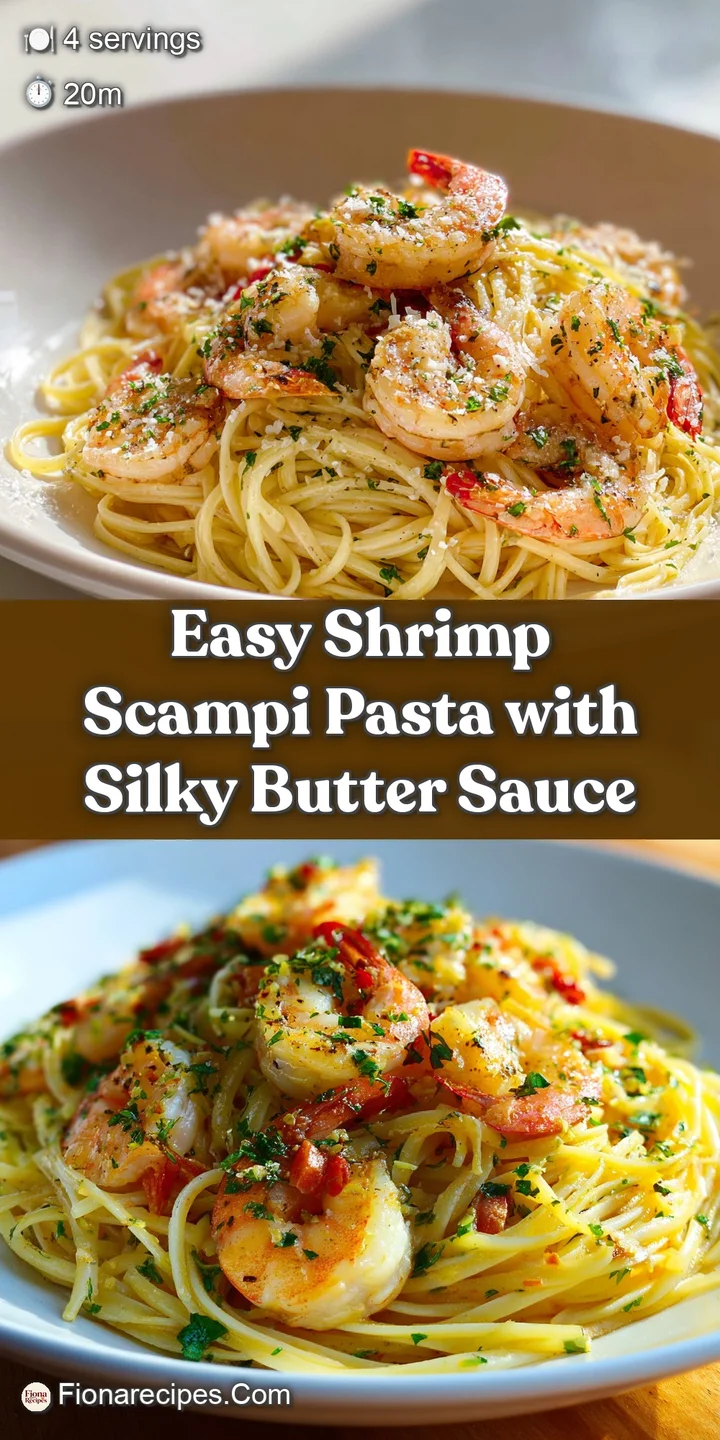
Recipe FAQs
What type of pasta goes with shrimp scampi?
Linguine or spaghetti is the classic choice. Their long, thin shape perfectly catches the thin, buttery sauce and coats evenly. Fettuccine also works well if you prefer a slightly wider noodle.
What sauce is used in shrimp scampi?
A simple emulsion of butter, olive oil, garlic, white wine, and lemon juice. The key to the silky texture is reserving starchy pasta water to help bind the fat and liquid together.
What kind of pasta is good with shrimp?
Long, thin pastas are best for scampi style sauces. Avoid very thick shapes like penne or rigatoni, as they tend to separate from the delicate, wine based sauce. If you master the emulsification here, you'll find the same skill useful when making sauces for recipes like our Creamy Beef Stroganoff recipe.
Do you cook shrimp before or after pasta?
Cook the shrimp first, then set them aside. Sear the shrimp quickly until just pink, remove them from the hot pan, and then build your sauce base using the residual flavor left in the pan.
Is it true you must use fresh lemon juice instead of bottled?
Yes, fresh lemon juice is highly recommended for this recipe. Bottled juice often contains preservatives that dull the bright, acidic flavor required to cut through the richness of the butter. Fresh zest used at the end keeps the aroma vibrant.
How do I prevent my shrimp from becoming rubbery?
Cook the shrimp quickly until they are just opaque and C-shaped. They should be slightly underdone when you remove them from the heat, as they will finish cooking in the residual heat of the sauce and pasta. Mastering this temperature control is crucial; apply this sensory assessment to the Air Fryer Chicken recipe for similar precision.
Can I substitute butter with oil completely?
No, you should use a combination of both fat sources. Olive oil is necessary for sautéing the aromatics at a higher temperature, but the cold butter added at the end is essential for creating the rich, stable emulsion that defines a true scampi sauce.
Shrimp Scampi Pasta In 20
Ingredients:
Instructions:
Nutrition Facts:
| Calories | 602 calories |
|---|---|
| Protein | 33.8g |
| Fat | 18.7g |
| Carbs | 66g |
| Fiber | 3.1g |
| Sugar | 1.2g |
| Sodium | 515mg |
