Breakfast Egg Muffins: Silky and Protein Dense

- Time: Active 15 minutes, Passive 25 minutes, Total 40 minutes
- Flavor/Texture Hook: Silky, savory, and protein dense
- Perfect for: Busy weekday mornings and high protein meal prep
- Bake Better Breakfast Egg Muffins with This High Protein Secret
- Essential Accuracy and Precision Checkpoints
- Selecting the Best Components for Success
- Minimal Tools for Maximum Efficiency
- Mastering the High Protein Egg Base
- Troubleshooting Your Breakfast Egg Muffins
- Scaling for Large Groups or Solo Meals
- Debunking Common Egg Muffin Myths
- Storage and Zero Waste Tips
- Serving Suggestions for a Complete Meal
- Recipe FAQs
- 📝 Recipe Card
Bake Better Breakfast Egg Muffins with This High Protein Secret
Forget everything you have heard about needing heavy cream or half and half to make the ultimate morning egg dish. Most people think the secret to a light and fluffy egg bake is adding liquid dairy, but that actually often leads to a "weeping" muffin that leaves a puddle on your plate.
I spent years whisking eggs by hand until my wrist ached, only to end up with dense, rubbery pucks that tasted more like sponges than breakfast. The real breakthrough came when I tossed 10 large pasture raised eggs into a blender with a cup of full fat cottage cheese.
The aroma in your kitchen when the 0.5 lb of breakfast sausage starts to sizzle in the skillet is the first sign of a great morning. You want that meat to get truly brown and crispy, creating those little savory nuggets that provide a "shatter" of flavor against the soft egg.
When you add the 4 strips of thick cut bacon, the smell of rendered fat and smoke fills the air, promising a meal that actually fuels your body for the day. This isn't just another boring egg recipe; it is a texture driven experience that fixes every common mistake people make with "muffin tin eggs."
The myth that you need baking powder for lift is one of the biggest lies in the kitchen. True lift comes from the aeration of the eggs themselves. When we blend the egg base for 20 seconds, we are folding millions of tiny air bubbles into the mixture.
Those bubbles expand in the 350°F (175°C) heat of the oven, causing the muffins to rise like mini soufflés. The cottage cheese provides the structural fat needed to keep those bubbles from collapsing the second they hit cold air.
It is a simple trick that changes the entire game.
Essential Accuracy and Precision Checkpoints
Before we get into the nitty gritty of the stovetop work, we need to talk about the numbers. Consistency is the difference between a "good" cook and a "reliable" cook. I have found that sticking to these three numeric checkpoints ensures success every single time, regardless of what brand of muffin tin you are using.
- Checkpoint 1: Blending Duration. Run your blender for exactly 20 seconds on a low to medium setting. Going longer can over process the proteins, leading to a "tough" bite, while shorter times leave curds of cottage cheese un emulsified.
- Checkpoint 2: Oven Temperature. Ensure your oven is fully preheated to 350°F (175°C). Using an oven thermometer is a great way to verify this, as many home ovens run 10-15 degrees off.
- Checkpoint 3: The Rest Period. Never pull these out of the tin immediately. Give them exactly 5 minutes of rest. This allows the internal steam to settle, which helps the muffin "release" from the sides of the pan without tearing.
| Thickness | Internal Temp | Rest Time | Visual Cue |
|---|---|---|---|
| Standard 12 cup Tin | 165°F | 5 minutes | Slight jiggle in the dead center |
| Jumbo Muffin Tin | 165°F | 8 minutes | Edges visibly pull away from the metal |
| Mini Muffin Tin | 160°F | 3 minutes | Top feels springy like a sponge cake |
The rest period is particularly vital for those using older non stick pans. Even with a good coating of grease, the proteins in the 10 eggs are like tiny hooks that want to grab onto any imperfection in the metal.
As the muffins cool slightly during those 5 minutes, they contract just enough to break that bond, making your life much easier when it comes time to clean up.
Selecting the Best Components for Success
When you are looking for the best results, the quality of your ingredients dictates the final texture and nutritional profile. I always reach for pasture raised eggs because the yolks are richer and provide a deeper golden color to the finished Breakfast Egg Muffins.
The 1 cup of full fat cottage cheese is your "fat engine" don't be tempted to use fat free here. The fat is what coats the egg proteins, preventing them from bonding too tightly and becoming rubbery.
The 0.5 lb of breakfast sausage and 4 strips of thick cut bacon provide the salt and umami base. If you can, get your sausage from a local butcher; it usually has less water and more seasoning. For the greens, the 2 cups of fresh baby spinach might look like a lot when it is raw, but it wilts down significantly.
The 1 red bell pepper adds a much needed sweetness and crunch that balances the saltiness of the sharp cheddar cheese.
| Ingredient | Science Role | Pro Secret |
|---|---|---|
| 10 Large Eggs | Structural Base | Use room temperature eggs for better aeration in the blender |
| 1 cup Cottage Cheese | Fat & Moisture | The curds vanish during blending, leaving a velvety, creamy finish |
| 1 cup Sharp Cheddar | Flavor & Binding | Hand grated cheese melts better than the bagged stuff with cellulose |
| Red Bell Pepper | Texture & Color | Sautéing first removes "weeping" water that makes muffins soggy |
There is a huge difference between using fresh off-the block cheese and the pre shredded variety. If you have the extra two minutes, grate that 1 cup of sharp cheddar yourself. The pre shredded bags are coated in potato starch or cellulose to keep them from clumping in the bag, but that same coating prevents the cheese from melting into a silky pool inside your Breakfast Egg Muffins.
Minimal Tools for Maximum Efficiency
You don't need a kitchen full of gadgets to pull this off. In fact, a minimalist approach usually leads to less cleanup and a faster path to eating. The most important tool here is a high speed blender or a large bowl paired with an immersion blender. This is what creates that signature texture.
If you try to whisk 10 eggs and a cup of cottage cheese by hand, you will likely end up with little white chunks of cheese in your muffins. While they will still taste fine, they won't have that "velvety" mouthfeel we are aiming for.
A solid 10 inch or 12 inch skillet (I love a seasoned cast iron or a heavy stainless steel pan) is necessary for browning the meat and softening the vegetables. You want something with enough surface area so that the 2 cups of spinach can wilt quickly without steaming the 0.5 lb of sausage.
Finally, a standard 12 cup non stick muffin tin is the vessel of choice. Even if it says non stick, a light coating of grease or a quick spray is insurance you'll be glad you took.
| Feature | Fresh Skillet Prep | Microwave "Shortcut" Prep |
|---|---|---|
| Browning | Deep Maillard crust on meat | Gray, steamed meat with less flavor |
| Moisture | Water evaporates from veggies | Veggies stay wet and make eggs runny |
| Overall Texture | Crispy edges and firm bites | Soft, mushy, and often watery |
Using a skillet might seem like an extra step, but it is the "moisture management" phase of the recipe. If you put raw bell pepper and raw spinach directly into the egg mixture, they will release all their cellular water as they bake.
That water has nowhere to go except into the egg base, which is how you end up with soggy muffins. Sautéing them for 3-4 minutes until the moisture evaporates is the single best thing you can do for the structural integrity of this dish.
Mastering the High Protein Egg Base
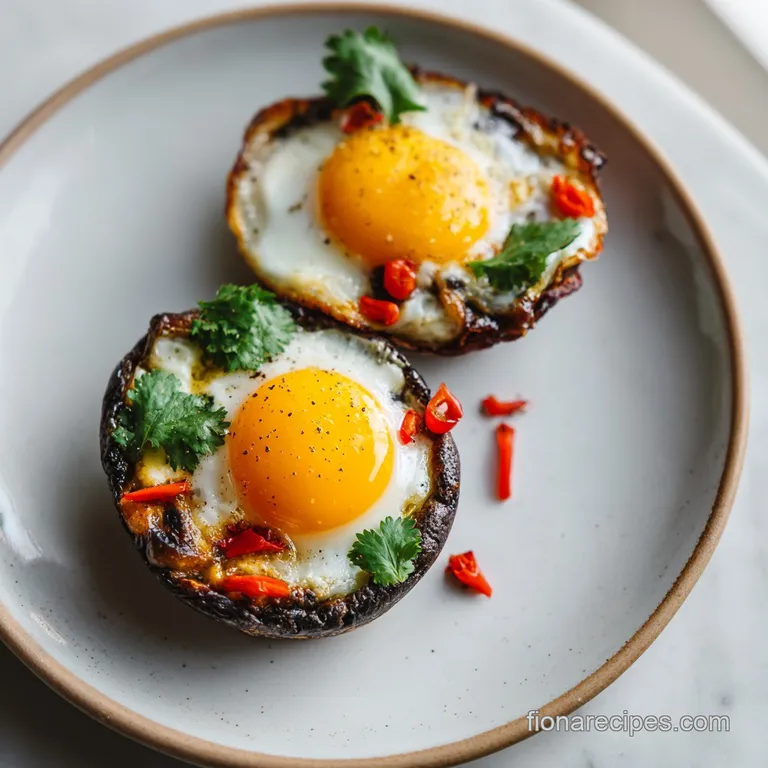
The process of making these Breakfast Egg Muffins is all about layering flavors and managing moisture. We start with the heavy hitters the meat and work our way down to the delicate greens. It is a sequence that ensures every bite is perfectly seasoned and texturally balanced. If you're looking for a great side, these pair beautifully with a Casserole with Hash Browns recipe if you are hosting a larger brunch.
Sautéing the Savory Fillings
Set a skillet over medium heat. Brown the 0.5 lb of breakfast sausage and the 4 strips of chopped bacon until they are crisp and golden. Remove them to a paper towel lined plate. This is vital because excess grease will prevent the eggs from setting properly.
In that same skillet, using just a teaspoon of the leftover fat, sauté the diced red bell pepper and the 2 cups of spinach.
Watch for the spinach to wilt and the pepper to soften. This usually takes about 3-4 minutes. You are looking for the "sizzle" to slow down, which indicates that the surface water from the vegetables has evaporated. Once they are ready, set them aside to cool slightly while you handle the eggs.
Blending the High Protein Base
Preheat your oven to 350°F (175°C). In your blender, combine the 10 large eggs, 1 cup of cottage cheese, 0.5 tsp sea salt, 0.5 tsp freshly cracked black pepper, and 0.5 tsp garlic powder. Blend on low for exactly 20 seconds.
You will see the mixture turn a pale, creamy yellow and develop a layer of foam on top. That foam is the air we talked about earlier it is your "secret weapon" for fluffiness. Don't let the mixture sit too long after blending, or the air bubbles will begin to pop and dissipate.
Assembling and Baking
Lightly grease your 12 cup muffin tin. Distribute the cooked sausage, bacon, sautéed vegetables, and the sliced green onions evenly across the cups. You want each cup to have a little bit of everything. Top each one with a generous pinch of the shredded sharp cheddar cheese.
Slowly pour the blended egg and cottage cheese mixture into each cup. Fill them about 3/4 of the way. If you fill them to the brim, they will mushroom over the top and stick to the top surface of the pan. Bake for 20-25 minutes.
You are looking for the edges to be golden brown and the centers to have just a slight jiggle when you gently shake the pan.
Troubleshooting Your Breakfast Egg Muffins
Even the most seasoned home cooks can run into trouble with eggs. They are temperamental proteins that react quickly to heat and moisture. If your muffins aren't coming out perfectly, don't worry most issues have a very simple fix that involves slightly adjusting your prep or your oven time.
Why Your Muffins Are Watery
The most common complaint with egg muffins is that they are "wet" or "watery" at the bottom. This is almost always caused by one of two things: under sautéing the vegetables or using a low-fat cottage cheese. When vegetables like bell peppers and spinach cook, they release a surprising amount of liquid.
If that liquid isn't cooked off in the skillet first, it gets trapped under the egg protein, creating a soggy base.
Why the Eggs Stick to the Pan
If you find yourself scrubbing your muffin tin for twenty minutes, you've experienced the "sticking" problem. Eggs are high in protein and act like a natural glue. Even non stick pans lose their effectiveness over time.
The solution is twofold: use a high-quality oil spray (like avocado oil) and ensure you allow for that 5 minute rest period. The rest allows the steam to release the muffin from the pan's surface.
| Problem | Root Cause | Solution |
|---|---|---|
| Muffins deflate instantly | Over blended or under baked | Blend for 20 seconds; ensure center reaches 165°F |
| Rubbery texture | Too much heat or over baking | Check oven calibration; pull when edges are golden |
| Bland flavor | Lack of salt/acid balance | Don't skip the sea salt; add a dash of hot sauce later |
Common Mistakes Checklist
To ensure your Breakfast Egg Muffins come out "velvety" every time, keep this quick checklist in mind before you start:
- ✓ Pat meat dry: If your sausage or bacon is excessively greasy, it will separate the egg mixture.
- ✓ Preheat the pan: Adding veggies to a cold skillet makes them steam rather than sauté.
- ✓ Don't skip the rest: The 5 minute cooldown is structural, not just for temperature.
- ✓ Check your tin: If your muffin tin is scratched, consider using silicone liners for a "shatter free" release.
Scaling for Large Groups or Solo Meals
One of the best things about this recipe is how easily it scales. Whether you are meal prepping for yourself or feeding a house full of guests, the ratios stay fairly consistent. However, you can't just double everything and expect the exact same result without a few minor tweaks to your process.
If you are scaling down to a half batch (6 muffins), you can still use the blender, but you might need to stop and scrape the sides to ensure the 0.5 cup of cottage cheese is fully incorporated with the 5 eggs. For a double batch (24 muffins), I recommend blending the eggs in two separate cycles.
Overcrowding a standard blender can lead to uneven aeration, meaning some of your muffins will be fluffier than others.
When doubling the recipe, you don't actually need to double the salt and spices perfectly. I usually suggest using 1.5x the amount of salt and pepper to avoid over seasoning. The 1 lb of sausage and 8 strips of bacon for a double batch will also require a much larger skillet or browning the meat in two separate batches to ensure you get that "sizzle" rather than just boiling the meat in its own juices.
Debunking Common Egg Muffin Myths
There are a lot of "old wives' tales" in the cooking world, and Breakfast Egg Muffins seem to have more than their fair share. Let's clear the air on a few things that might be holding your breakfast game back.
Myth: You need to add flour or cornstarch for stability. This is a common misconception. While some recipes use starches to prevent deflating, the protein in the eggs and the cottage cheese provides all the structure you need.
Adding flour often leads to a dense, cake like texture that ruins the "silky" mouthfeel of the eggs.
Myth: Whisking by hand is just as good as blending. While you can whisk them by hand, you will never achieve the same level of emulsification. The blender breaks down the curds of the cottage cheese and creates a uniform protein matrix that traps air much more efficiently.
It is the difference between a rustic omelet and a refined custard.
Myth: Egg muffins are always dry when reheated. Dryness during reheating is usually a result of over baking in the first place. If you pull them out of the oven when the center still has a slight jiggle, they will retain enough moisture to stay "velvety" even after a 30 second zap in the microwave the next day.
Storage and Zero Waste Tips
Managing your leftovers is the key to a successful week of healthy eating. These Breakfast Egg Muffins stay fresh in the fridge for up to 4 days. I recommend storing them in an airtight container with a piece of paper towel at the bottom. The paper towel absorbs any minor moisture that might release as they cool, keeping the bottoms from getting soft. For those who love a variety of morning options, you might also like these Freezer Breakfast Burritos for those extra busy days.
When it comes to the freezer, these are absolute champions. Wrap each muffin individually in plastic wrap and then place them in a freezer bag. They will stay good for up to 2 months. To reheat, just unwrap and microwave for 45-60 seconds. It is the ultimate "grab and-go" fuel.
Zero Waste Tip: Don't throw away those green onion roots or the stems from your spinach! You can place the onion roots in a small jar of water on your windowsill, and they will regrow in a week.
As for the spinach stems, they contain a lot of fiber and flavor chop them up finely and sauté them right along with the leaves. Even the bell pepper "innards" (the white ribs) are perfectly edible; they just have a milder flavor.
Chop them up and toss them in the skillet to ensure you are using every bit of the produce you paid for.
Serving Suggestions for a Complete Meal
While these muffins are a powerhouse on their own, how you serve them can turn a "quick bite" into a satisfying meal. I love to top mine with a spoonful of fresh salsa or a few slices of avocado to add some healthy fats and a bit of "tang" to the savory base.
The acidity of a good hot sauce also cuts through the richness of the 1 cup of sharp cheddar and the 1 cup of cottage cheese.
If you are serving these for a weekend brunch, try placing them on a bed of lightly dressed arugula. The peppery bite of the greens balances the salty bacon and sausage perfectly. You can even use them as the "patty" for a low carb breakfast sandwich just slice a muffin in half and place it between two pieces of toasted sourdough or a gluten-free English muffin.
The beauty of the Breakfast Egg Muffins is their versatility. They are just as good at room temperature as they are warm, making them the perfect addition to a hiking pack or a school lunchbox.
No matter how you choose to enjoy them, the combination of the airy, blended egg base and the crispy, sautéed fillings is a winning formula for starting your day on the right foot.

Recipe FAQs
How to prevent the muffins from sticking to the tin?
Grease the muffin tin thoroughly with non-stick spray or butter before adding ingredients. Ensuring every crevice is coated is the best way to guarantee clean removal after the 25-minute bake time.
Why do my muffins deflate after removing them from the oven?
Cooling too rapidly causes eggs to contract. Leave your muffins in the pan for 5 minutes after removing them from the 350°F oven; this allows the structure to set slightly before you move them to a wire rack.
How to make the egg base extra light and fluffy?
Blend your eggs and cottage cheese for exactly 20 seconds. Using a blender incorporates air into the proteins, creating a structure similar to a silky custard base when baked.
Can I use frozen spinach instead of fresh?
No, fresh spinach is required for this recipe. Frozen spinach contains too much trapped water, which will prevent the muffins from setting correctly and make them soggy.
How long can these stay fresh in the refrigerator?
Store them for up to 4 days in an airtight container. Place a paper towel at the bottom of the container to absorb excess moisture, which keeps the texture perfect until you are ready to reheat.
Why is my center still liquid after 25 minutes?
Check that your oven is calibrated to 350°F. If the center still has more than a slight jiggle, add 2 3 minutes to the bake time, but ensure the edges haven't become over browned.
How to ensure the vegetables don't make the muffins watery?
Sauté the bell peppers and spinach for 3 4 minutes until all visible liquid evaporates. Removing moisture during this step is the secret to a firm, consistent texture in the final muffin.
Protein Packed Egg Muffins

Ingredients:
Instructions:
Nutrition Facts:
| Calories | 177 kcal |
|---|---|
| Protein | 14.5 g |
| Fat | 12.0 g |
| Carbs | 2.5 g |
| Fiber | 0.4 g |
| Sugar | 0.9 g |
| Sodium | 448 mg |
