Philly Cheesesteak Sandwich Recipe
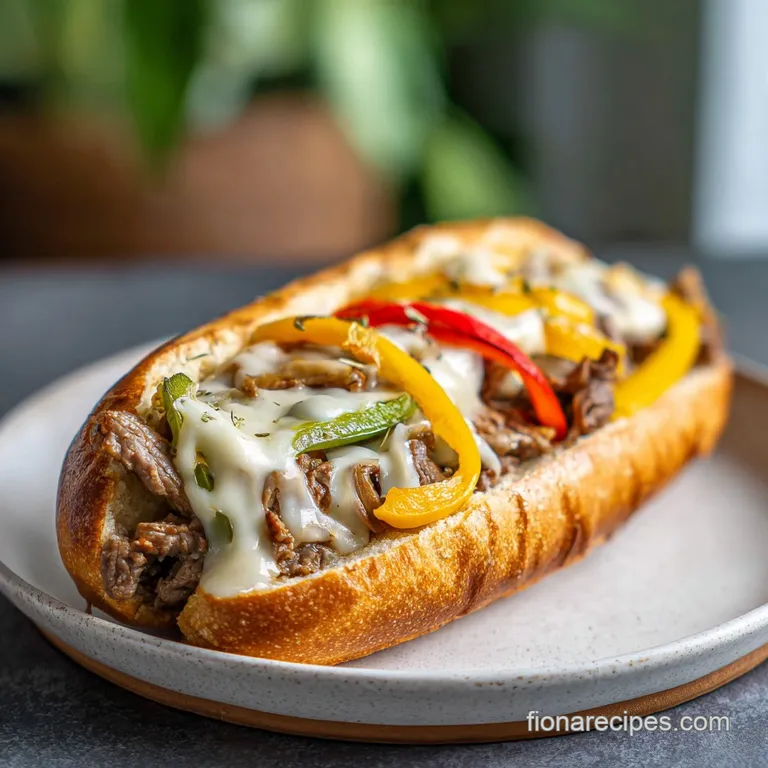
- Time: Active 15 minutes, Passive 10 minutes, Total 25 minutes
- Flavor/Texture Hook: Savory, thinly shaved ribeye paired with a velvety, melted provolone blanket
- Perfect for: Stress free family dinners and quick weeknight comfort cravings
- Master the Perfect Philly Cheesesteak Sandwich
- Essential Cooking Stats for Fast Meals
- Selecting Best Ingredients for Great Flavor
- Basic Tools Needed for Quick Success
- Reliable Steps for Juicy Beef Results
- Professional Tips and Common Mistake Fixes
- Simple Substitutions for Every Family Home
- Storage Secrets and Zero Waste
- Great Sides for Your Family Dinner
- CRITICAL
- Recipe FAQs
- 📝 Recipe Card
Master the Perfect Philly Cheesesteak Sandwich
I still remember the first time I tried to make this at home. I threw thick slabs of steak into a lukewarm pan and wondered why it turned out like rubber. The smell of that "failure" lingered in my kitchen for days it was just greasy, chewy beef that didn't resemble anything you'd find on a street corner in Philadelphia.
I realized that the magic isn't in fancy equipment; it's in the sizzle of the meat hitting the steel and that specific, sharp aroma of onions softening in beef fat.
Since then, I've learned that the secret is all about the prep. You want that meat so thin it practically shatters when you bite into the sandwich. It’s about creating layers of flavor the bite of the green peppers, the sweetness of the yellow onions, and that garlic butter barrier that keeps your roll from turning into a soggy sponge.
We’re aiming for a sandwich that feels like a hug on a plate, messy in the best way possible, and hearty enough to satisfy the hungriest kid at the table.
Essential Cooking Stats for Fast Meals
The Physics of the Thin Slice: Chilling the meat for exactly 20 minutes (about 0.7 kg of beef) firms the fat and muscle fibers. This allows your knife to glide through for paper thin ribbons that cook in seconds rather than minutes.
- Lipid Emulsification: As the provolone melts over the hot beef, the fats from the cheese and the ribeye marbling combine. This creates a natural "sauce" that coats the fibers without needing extra condiments.
- Maillard Reaction: Using grapeseed oil (with its high smoke point) allows us to hit 200°C quickly. This browns the meat surface, creating complex savory notes that you simply can't get at lower temperatures.
- Vapor Control: By diced the onions finely, we increase the surface area. This helps the water evaporate faster, leading to a quicker caramelization that adds sweetness to the salty beef.
| Thickness of Meat | Internal Temp | Rest Time | Visual Cue |
|---|---|---|---|
| Shaved (1-2mm) | 145°F (63°C) | 1 min | Edges turn dark brown |
| Thin Slice (5mm) | 145°F (63°C) | 2 mins | Center is barely pink |
| Hand Sliced (1cm) | 145°F (63°C) | 3 mins | Surface is deeply crusted |
Choosing the right cut is the biggest hurdle for most home cooks. While some people swear by flank or sirloin, they often lack the fat needed to keep things juicy during a over high heat sear.
Ribeye is our gold standard here because the intramuscular fat (the white marbling) melts during the process, essentially self basting the meat as it hits the pan.
Selecting Best Ingredients for Great Flavor
| Ingredient | Science Role | Pro Secret |
|---|---|---|
| Ribeye Steak (680g) | Fat provides moisture and carryover heat | Chill it until firm but not frozen for the thinnest possible slices. |
| Provolone Cheese | Acts as a binder and adds creamy saltiness | Use sharp provolone for a bigger punch against the rich beef. |
| Hoagie Rolls | Provides the structural "vessel" for the filling | Toasting with garlic butter creates a hydrophobic barrier against juices. |
Choosing the right bread is just as vital as the beef. You need something with a soft interior but a sturdy crust. If the bread is too soft, the whole thing falls apart; if it's too hard, the filling squirts out the back when you take a bite.
It's a delicate balance that makes or breaks the Philly Cheesesteak Sandwich experience.
For the base of this meal, you'll need 1.5 lbs of ribeye steak, chilled for 20 minutes to make slicing easier. For the cooking process, have 2 tbsp of grapeseed oil ready, along with 1 tsp coarse sea salt and 0.5 tsp cracked black pepper.
For the aromatics, gather 1 large yellow onion (finely diced) and 1 large green bell pepper (thinly sliced). You'll also need 8 slices of provolone cheese, 4 hoagie rolls, 3 tbsp of softened unsalted butter, and 1 minced clove of garlic.
If you don't have ribeye, flank steak works but might be a bit leaner. You can also swap provolone for American cheese if you want that classic "melty" texture, or even pepper jack if your family likes a bit of heat. For the bread, any long sub roll will do in a pinch, though the hoagie is traditional. This recipe is quite similar to the quick assembly style of a Classic Tuna Melt recipe, where the bread prep is just as important as the filling.
Basic Tools Needed for Quick Success
You don't need a professional kitchen to pull this off. A large cast iron skillet or a heavy bottomed stainless steel pan is your best friend because it holds heat beautifully. You'll also need a very sharp chef's knife for that steak and a sturdy metal spatula for flipping and "chopping" the meat as it cooks.
Chef's Tip: Freeze your butter for 10 minutes before mixing it with the minced garlic. This makes it easier to spread a thin, even layer on the rolls without tearing the soft bread.
| Method | Time | Texture | Best For |
|---|---|---|---|
| Stovetop Skillet | 10 mins | Crispy, charred edges | Maximum flavor and authentic crust |
| Oven Broiled | 15 mins | Evenly melted and soft | Feeding a large crowd all at once |
| Blackstone Griddle | 8 mins | Smokey and very fast | Authentic street food style results |
While the oven is great for making a big batch of sliders, nothing beats the stovetop for a true cheesesteak. The direct contact with the hot metal creates those little crispy bits of beef that are the highlight of the meal. If you're looking for another quick lunch that uses simple tools, my Classic Egg Salad recipe is another great one to keep in your rotation for busy days.
Reliable Steps for Juicy Beef Results
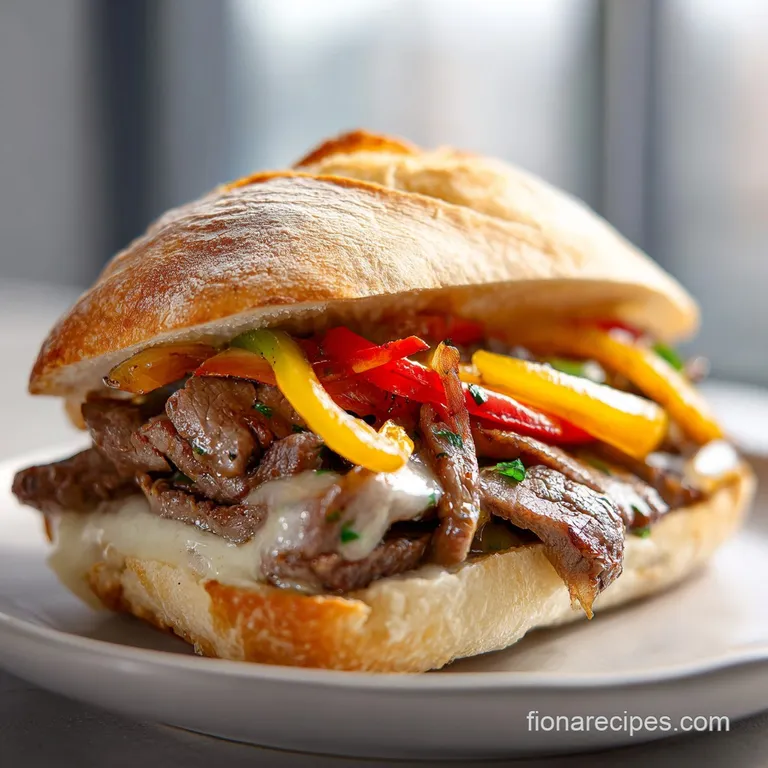
1. Freezer Prep for Thin Slices
Place your 1.5 lbs of ribeye in the freezer for 20 mins. Note: This firms the muscle fibers so you can shave it into paper thin slices without the meat "sliding" under your knife.
2. Shaving the Ribeye
Slice the chilled beef against the grain into the thinnest ribbons possible. Cook until no large pink pieces remain, which usually takes about 4 minutes after hitting the pan.
3. Prepping the Garlic Barrier
Mix 3 tbsp softened butter with 1 minced garlic clove and spread onto the inside of the 4 hoagie rolls. Note: This creates a flavorful seal that prevents the meat juices from soaking into the bread.
4. Sautéing the Vegetables
Heat 1 tbsp grapeseed oil in the skillet and add the diced onion and sliced bell pepper. Sauté for 5 mins until the onions are translucent and slightly golden.
5. Searing the Beef
Remove veggies, add the remaining oil, and crank the heat to high before adding the beef in a single layer. Season with 1 tsp salt and 0.5 tsp pepper until the meat develops a brown, crispy crust.
6. Incorporating the Aromatics
Toss the cooked vegetables back into the pan with the beef and mix thoroughly. Note: This allows the onion juices to mingle with the rendered beef fat for a deeper flavor.
7. Creating the Portion Mounds
Divide the meat and veggie mixture into four long strips in the pan, roughly the length of your hoagie rolls. Wait until you hear a consistent sizzle before moving to the next step.
8. The Cheese Blanket Technique
Place 2 slices of provolone over each meat mound and turn off the heat. Note: The residual heat from the pan and the steak will melt the cheese without overcooking the meat.
9. Assembling the Sandwich
Place the open, buttered rolls face down over the cheese covered meat mounds. Use your spatula to scoop the entire pile into the roll until the cheese is velvety and stretching.
10. Finishing the Toast
Give the sandwich a final 30 seconds in the pan to toast the outside of the bread. Serve immediately while the cheese is at peak meltiness.
Professional Tips and Common Mistake Fixes
The biggest mistake I see is people being afraid of the heat. If your pan isn't screaming hot when that beef hits, you'll end up steaming the meat in its own juices instead of searing it. You want to hear that aggressive crackle the moment the beef touches the oil. Also, don't over work the meat!
Let it sit for a minute to get that crust before you start tossing it around.
Fixing Tough and Chewy Meat
If the beef feels like rubber, it's usually because it was sliced with the grain or it was a lower quality cut without enough marbling. When you slice against the grain, you're shortening the muscle fibers, making them much easier to chew.
Preventing a Greasy Sandwich
A greasy roll usually happens if you don't toast the bread enough or if you don't drain the excess fat after browning the meat. Using the garlic butter barrier is your best defense here.
| Problem | Root Cause | Solution |
|---|---|---|
| Dry Meat | Overcooked or too lean | Use ribeye and pull from heat as soon as it's brown. |
| Soggy Bread | Too much steam or no barrier | Toast rolls with butter and don't wrap in foil too tightly. |
| Bland Flavor | Lack of seasoning | Be generous with the sea salt and cracked pepper during searing. |
Common Mistakes Checklist
- ✓ Always pat the steak dry with paper towels before slicing (moisture prevents browning).
- ✓ Don't overcrowd the pan; work in two batches if your skillet is smaller than 12 inches.
- ✓ Let the onions reach a golden brown color before adding the meat back in.
- ✓ Use a metal spatula to "chop" the meat into smaller bits while it sears.
- ✓ Ensure the cheese is fully melted before you try to scoop the meat into the roll.
Simple Substitutions for Every Family Home
If you're cooking for a crowd with different tastes, this recipe is surprisingly flexible. For a "Chicken Philly," replace the ribeye with 1.5 lbs of thinly sliced chicken breast or thighs just add a splash of Worcestershire sauce to mimic that savory beef depth.
If you're watching carbs, skip the roll entirely and serve the meat and cheese over a bed of sautéed zucchini noodles or in a large bell pepper "boat."
| Original Ingredient | Substitute | Why It Works |
|---|---|---|
| Ribeye Steak | Flank Steak | Leaner option; slice very thin against the grain. Note: Less fat, so add 1 tsp butter. |
| Provolone | Swiss Cheese | Similar melting point and mild flavor profile. |
| Grapeseed Oil | Avocado Oil | High smoke point prevents burning at high heat. |
When scaling this recipe down for a solo lunch, just use a smaller skillet and reduce the ingredients by half. If you're doubling it for a party, it's best to cook the meat in batches of 1.5 lbs to maintain the pan temperature.
For the spices, only increase the salt and pepper by 1.5x when doubling the meat to avoid over seasoning.
Storage Secrets and Zero Waste
Leftover Philly Cheesesteak filling is actually a gold mine for breakfast the next day. I love tossing the cold meat and peppers into a hot pan with some diced potatoes to make a "Cheesesteak Hash." If you have extra hoagie rolls that are starting to go stale, turn them into croutons or garlic bread for a soup night later in the week.
- Fridge: Store the meat and veggie mixture in an airtight container for up to 3 days. Keep the bread separate so it doesn't get soggy.
- Freezer: You can freeze the cooked meat for up to 2 months. Thaw it overnight in the fridge before reheating.
- Reheating: Avoid the microwave if you can. Reheat the meat in a skillet with a tiny splash of beef broth to restore the moisture, then add fresh cheese at the end.
Great Sides for Your Family Dinner
Since this is such a hearty, savory sandwich, I usually pair it with something bright and acidic to cut through the richness. A simple vinegar based coleslaw or some crispy dill pickles are my go to choices. If you want to keep it "pub style," a side of seasoned fries or onion rings is always a winner with the kids.
- If you want crunch, serve with kettle cooked potato chips.
- If you want healthy, a crisp arugula salad with lemon vinaigrette works wonders.
- If you want traditional, go for a side of pickled cherry peppers for a spicy kick.
Trust me, once you get that sear right and feel the crunch of the toasted garlic roll, you'll never look at a takeout menu again. This is real food, made fast, that actually tastes like the effort you put into it. Right then, let's get that skillet hot!
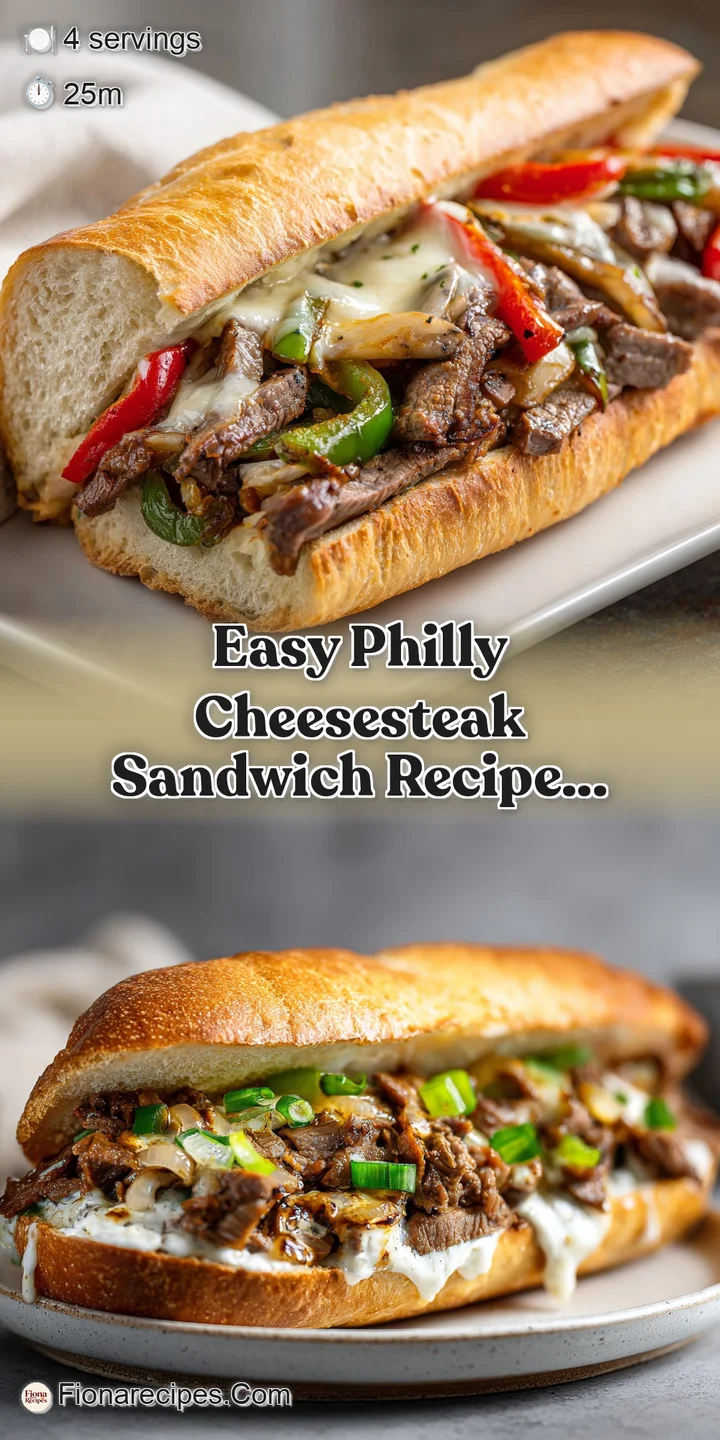
CRITICAL
1336 mg mg of sodium per serving (58% % of daily value)
The American Heart Association recommends limiting sodium intake to about 2,300mg per day for most adults. This recipe significantly exceeds that limit.
Tips to Reduce Sodium in Your Ribeye Cheesesteak
-
Reduce Provolone-15%
Provolone cheese is a significant source of sodium. Use half the amount of cheese (4 slices instead of 8) or substitute with a low-sodium mozzarella.
-
Reduce Added Salt-25%
Eliminate or drastically reduce the coarse sea salt. Try using only a pinch of salt or none at all, as the other ingredients already contribute sodium.
-
Choose Low-Sodium Rolls-20%
Hoagie rolls can contain a surprising amount of sodium. Opt for low-sodium bread options or homemade rolls with no added salt. Check the nutrition label carefully.
-
Spice it Up!
Enhance the flavor with sodium free herbs and spices like onion powder, garlic powder (instead of garlic salt), smoked paprika, or red pepper flakes. Experiment to find your favorite flavor combinations. Fresh herbs are best!
Recipe FAQs
What goes on a Philly steak sandwich?
Thinly sliced ribeye steak, cheese, and onions are essential components. Traditionally, it includes steak and cheese (like provolone or Cheez Whiz) cooked on a griddle with onions, all served on a long hoagie roll.
What is the secret ingredient in Philly cheesesteak?
The high heat sear on the ribeye is the key flavor creator. This process causes the marbling fat to melt and the Maillard reaction to occur, creating complex savory notes.
What cheese is usually put on a Philly cheesesteak sandwich?
Provolone or Cheez Whiz are the most common choices. Provolone provides a sharp, velvety melt that binds the meat, whereas Cheez Whiz offers the classic, gooier street food texture.
What kind of sauce is on a Philly cheesesteak sandwich?
Usually, there is no traditional separate sauce applied. The "sauce" is the natural emulsification of rendered beef fat, melted cheese, and moisture released from the cooked onions.
How do I get the meat thin enough for an authentic cheesesteak?
Chill the ribeye for 20 minutes until firm before slicing. This slightly frozen state allows you to shave the meat against the grain into paper thin ribbons that cook rapidly.
Is it true that you must use a specific type of oil for cooking?
No, but a high smoke point oil is highly recommended. Grapeseed or avocado oil allows you to hit the necessary high searing temperature (around 200°C) without the oil burning.
How should I prepare the bread to prevent sogginess?
Toast the inside of the hoagie roll with garlic butter first. This creates a flavorful, hydrophobic barrier that seals the bread against the moisture from the hot meat and cheese filling.
Philly Cheesesteak Sandwich Recipe
Ingredients:
Instructions:
Nutrition Facts:
| Calories | 996 kcal |
|---|---|
| Protein | 48.2 g |
| Fat | 60.5 g |
| Carbs | 46.3 g |
| Fiber | 2.8 g |
| Sugar | 4.1 g |
| Sodium | 1336 mg |
