Pan Seared Steak Recipe: Buttery Crust
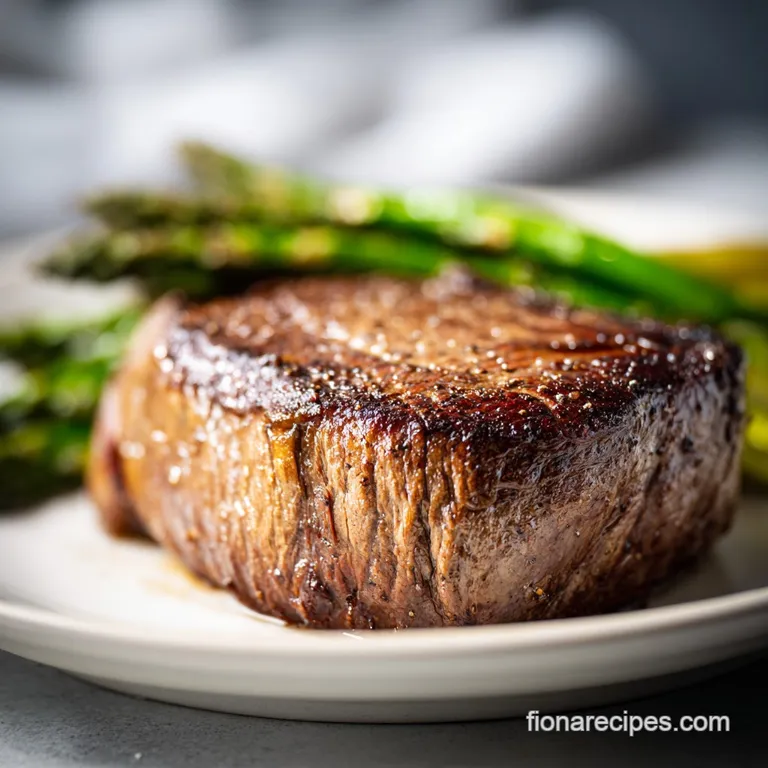
- Time: Active 10 minutes, Passive 10 minutes, Total 20 minutes
- Flavor/Texture Hook: Buttery, salty crust with a velvety center
- Perfect for: Quick weeknight rewards or a stress free date night
- Why This Family Meal Works
- Understanding Your Key Ingredients
- Best Tools for Fast Cooking
- Simple Steps for Best Results
- How to Avoid Kitchen Disasters
- Easy Ingredient Swaps and Twists
- Scaling the Recipe
- The Truth About Searing
- Storing and Reusing Your Steak
- Simple Ways to Plate Steak
- Critically High in Sodium
- Recipe FAQs
- 📝 Recipe Card
The sound is what gets me every time. That initial, aggressive hiss when the cold meat hits the hot grapeseed oil is the signal that something wonderful is happening. Last Tuesday, the house was a total circus, kids were fighting over Legos, and I had exactly twenty minutes to get food on the table before the evening meltdown.
I pulled two sirloins out of the fridge, and within minutes, the kitchen smelled like a high end steakhouse.
There is a real sense of pride in serving a meal that looks this good without spending four hours in the kitchen. We often think of steak as a "special occasion" food that requires a grill or a fancy chef, but honestly, I prefer this pan seared steak recipe over any restaurant version.
You get to control the salt, the garlic, and exactly how long that butter foam bathes the meat.
It is all about confidence and a very hot pan. Once you realize that a little bit of smoke and a lot of sizzle are your friends, you'll never look at a plain piece of beef the same way again. This is real food for real, busy lives, and I am so excited to show you how we do it in my kitchen without any of the fuss.
Why This Family Meal Works
The Physics of the Crust: High heat triggers the Maillard reaction, a chemical bonding between amino acids and sugars that creates hundreds of flavor compounds. This transforms the surface of the meat into a savory, brown crust that provides a textural contrast to the soft interior.
- Thermal Mass: Using a heavy pan like cast iron retains heat better, meaning the temperature won't drop when you add the cold meat.
- Fat Conductivity: Oil acts as a heat bridge, filling the microscopic gaps between the meat and the pan for an even, golden sear.
- Butter Emulsion: Basting with butter at the end coats the steak in milk solids, adding a nutty richness that oil alone cannot provide.
- Protein Relaxation: Resting the meat allows the tightened muscle fibers to relax, which redistributes the internal juices so they stay in the steak rather than on your plate.
| Thickness | Internal Temp | Rest Time | Visual Cue |
|---|---|---|---|
| 1 inch | 135°F (Medium Rare) | 5 mins | Warm red center |
| 1.5 inches | 145°F (Medium) | 8 mins | Pink throughout |
| 2 inches | 155°F (Medium Well) | 10 mins | Slight hint of pink |
Choosing between starting with a fresh cut or using a shortcut like a pre marinated frozen steak changes the outcome of your crust. Fresh meat is almost always better for searing because moisture is the enemy of a good crust.
| Approach | Texture Outcome | Flavor Profile |
|---|---|---|
| Fresh Sirloin | Shatter crisp crust | Pure, beefy, and buttery |
| Frozen/Marinated | Softer, steamed exterior | Acidic or salty from brine |
Understanding Your Key Ingredients
We keep the ingredient list short because we want the beef to be the star of the show. Using a 1.5 inch thick cut is my biggest secret for a successful pan seared steak recipe medium rare finish. If the meat is too thin, it overcooks before you can even get a decent color on the outside.
| Ingredient | Science Role | Pro Secret |
|---|---|---|
| Sirloin Steak | Structural protein | Bring to room temp for 30 mins to ensure even cooking. |
| Kosher Salt | Moisture draw | Use coarse grains to create a "salt crust" that adds crunch. |
| Grapeseed Oil | Heat carrier | High smoke point prevents the oil from tasting bitter at high temps. |
| Unsalted Butter | Flavor finisher | Add at the very end so the milk solids toast but don't burn. |
- 2 (12 oz) sirloin steaks
- Look for 1.5 inches of thickness for the best results. Why this? Thick cuts allow for a deep sear without overcooking the center.
- 1.5 tsp coarse Kosher salt
- I prefer the flaky texture over fine table salt.
- 1 tsp freshly cracked black pepper
- The spice is much more vibrant when it is freshly ground.
- 2 tbsp grapeseed or avocado oil
- You need an oil that can handle the heat. Why this? Both have high smoke points, meaning they won't burn easily.
- 3 tbsp unsalted butter
- This provides the "basting" liquid.
- 4 cloves garlic
- Keep them smashed but whole to infuse the fat without burning.
- 3 sprigs fresh thyme or rosemary
- These aromatics make the house smell like a dream.
- 1 shallot
- Halve this and throw it in with the garlic for a subtle sweetness.
If you find yourself missing an ingredient, don't panic. For a different but equally comforting weeknight vibe, you might enjoy my Stuffed Pasta Shells recipe which also uses simple pantry aromatics.
| Original Ingredient | Substitute | Why It Works |
|---|---|---|
| Grapeseed Oil | Beef Tallow | Incredible flavor and handles extreme heat perfectly. |
| Unsalted Butter | Ghee | Higher smoke point but still offers that rich, nutty taste. |
| Fresh Thyme | Dried Thyme (1/2 tsp) | Use less as it is more concentrated. Note: Adds flavor but lacks the visual appeal. |
Best Tools for Fast Cooking
I am a big believer in minimal tools for busy cooks. You don't need a cabinet full of gadgets to make a great steak. A heavy bottomed skillet is your most important ally here. I almost always reach for my cast iron because it holds onto heat like a champ, but a high-quality stainless steel pan works too.
Just stay away from non stick pans for this one. They simply cannot handle the high temperatures required to get that "shatter" texture on the crust, and you risk damaging the coating. You'll also need a pair of sturdy tongs.
Avoid using a fork to turn the meat, as piercing the surface lets those precious juices escape.
Finally,, a simple meat thermometer is a lifesaver. It takes all the guesswork out of the process, which is especially helpful when you're multitasking with kids in the kitchen. Knowing the exact internal temperature means you'll never have to cut into a steak to "check" it, which is the fastest way to lose moisture.
Simple Steps for Best Results
Chef Tip: Pat the steaks with paper towels until they are bone dry before seasoning. Any surface moisture will turn to steam, which prevents that beautiful crust from forming.
1. Prepping for the Ultimate Sear
Remove the 2 (12 oz) sirloin steaks from the fridge 30 minutes before you plan to cook. Note: This takes the chill off and ensures the center reaches temperature at the same time as the exterior.
2. Seasoning the Meat
Generously coat both sides of the steaks with 1.5 tsp coarse Kosher salt and 1 tsp freshly cracked black pepper. Press the seasoning into the meat with your palms so it sticks.
3. Getting the Pan Ready
Heat 2 tbsp grapeseed or avocado oil in a large cast iron skillet over high heat. Wait until the oil is shimmering and just starting to send up a tiny wisp of smoke.
4. Creating a Golden Crust
Carefully place the steaks in the pan, laying them away from you to avoid oil splashes. Cook for 3 to 4 minutes without moving them until a deep, dark brown crust has formed.
5. Flipping the Steak
Use tongs to flip the steaks. Cook for another 3 minutes on the second side. Note: At this stage, you are building the foundation of flavor.
6. Adding the Aromatics
Lower the heat to medium. Toss in 3 tbsp unsalted butter, 4 smashed garlic cloves, 3 sprigs of fresh thyme, and the halved shallot.
7. The Final Butter Baste
Tilt the pan slightly so the melting butter pools at the bottom with the herbs. Use a large spoon to continuously pour the bubbling butter over the steaks for 2 to 3 minutes.
8. Checking for Doneness
Insert a thermometer into the thickest part of the meat. Aim for 135°F for a perfect medium rare result.
9. Letting the Meat Rest
Transfer the steaks to a warm plate or cutting board. Pour the remaining pan juices over them and let them sit for at least 5 to 8 minutes.
10. Slicing and Serving
Slice the meat against the grain into thick strips. This ensures every bite is as tender as possible for the family.
How to Avoid Kitchen Disasters
Sometimes things go wrong, but most steak mistakes are easy to fix. The most common issue I see is the "grey band," which is that thick layer of overcooked meat between the crust and the pink center. It usually happens when the pan isn't hot enough or the meat was too cold when it started.
Eliminating the Grey Band
If you notice the meat is browning slowly, your pan temperature is too low. The goal is to sear fast and hot. If the outside is perfect but the inside is still cold, finish the steak in a 400°F (200°C) oven for two minutes rather than leaving it in the pan to toughen up.
Fixing a Burnt Crust
If your garlic or herbs start to look black and smell bitter, pull them out immediately. You can wipe out the pan (carefully!) and add a fresh knob of butter to finish the basting. It’s better to restart the butter phase than to serve a bitter steak.
| Problem | Root Cause | Solution |
|---|---|---|
| Steaming, not searing | Surface was wet | Pat dry with paper towels next time. |
| Tough, chewy meat | No resting time | Let it sit for 5-10 minutes before slicing. |
| Butter smoke/burning | Heat was too high | Add butter only after flipping and lowering the heat. |
Common Mistakes Checklist
- ✓ Never use a cold pan; let it preheat for 3 to 5 minutes.
- ✓ Don't crowd the pan; if the steaks are huge, cook them one at a time.
- ✓ Avoid flipping the meat constantly; let it sit to build that crust.
- ✓ Use a thermometer rather than the "finger poke" test which can be unreliable.
- ✓ Always slice against the grain to break up tough muscle fibers.
Easy Ingredient Swaps and Twists
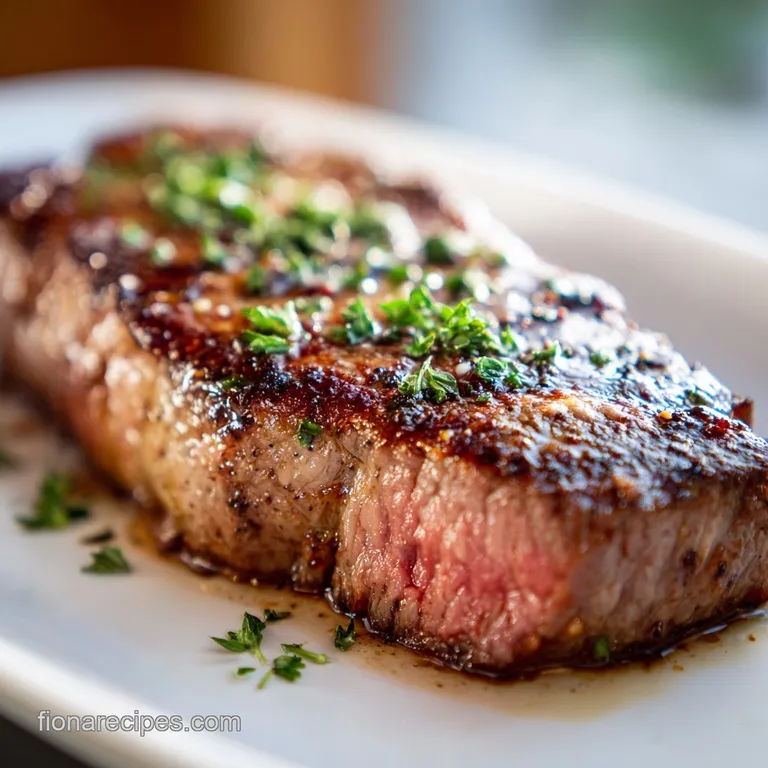
If you want to change the flavor profile of this easy pan seared steak recipe, it’s as simple as swapping your aromatics. While garlic and thyme are the gold standard, I sometimes use a "shortcut" rub of smoked paprika and onion powder if I’m out of fresh herbs.
For a completely different texture, you can try my Crockpot Pot Roast recipe which uses low and slow heat for a fall apart finish. But if you're sticking with the pan, here are some fun variations.
Trying New Herb Blends
Instead of thyme, try fresh sage and rosemary for an earthier, winter inspired flavor. You can even add a splash of soy sauce to the butter at the very end for a hit of umami that kids usually love.
Making it dairy-free
If you are avoiding dairy, swap the butter for a high-quality vegan butter or simply stick with the oil. To get that rich flavor, add a teaspoon of white miso paste to the oil during the last two minutes of cooking. It mimics the savory depth of toasted milk solids beautifully.
Scaling the Recipe
Cooking for One (1/2 size): Using just one steak is easy. Use a smaller 8 inch skillet so the butter doesn't spread out too thin and burn during the basting phase. You can keep the same amount of garlic and herbs because they provide the base flavor.
Cooking for a Crowd (2x or 4x size): When doubling this garlic butter pan seared steak, do not try to fit four steaks in one pan. They will steam and turn grey. Work in batches of two.
Keep the first batch warm in a 200°F (95°C) oven on a wire rack while you finish the rest. You only need to increase the salt and pepper linearly, but you can usually get away with 1.5x the butter and aromatics.
The Truth About Searing
A common myth is that searing meat "seals in the juices." In reality, moisture is lost during the searing process because the heat causes the muscle fibers to contract and squeeze out liquid. The real reason we sear is for the Maillard reaction, which creates the flavor and texture we crave.
Another misconception is that you should only flip a steak once. While my instructions suggest flipping once for simplicity, many professional cooks flip every 30 seconds to ensure the meat cooks more evenly from both sides. For a home cook, flipping once is much easier to manage while keeping the crust intact.
Storing and Reusing Your Steak
Fridge Life: Leftover steak is a gift. Store it in an airtight container for up to 3 days. To reheat without making it rubbery, do it gently in a pan with a splash of water and a lid, or slice it thin and eat it cold on a salad.
Freezer Tips: You can freeze cooked steak for up to 2 months. Wrap it tightly in plastic wrap and then foil to prevent freezer burn. Thaw it in the fridge overnight before using it in stir fries or steak sandwiches.
Zero Waste Idea: Don't throw away that flavorful fat left in the pan! I love to toss in some leftover boiled potatoes or a handful of spinach right after taking the steak out. They soak up all that garlic and beef flavor, making a built in side dish with zero extra effort.
Simple Ways to Plate Steak
Presentation doesn't have to be fancy to be effective. For a family style meal, I like to slice the steak on a large wooden board and pour the remaining butter and herb juices right over the top. It looks rustic and inviting.
If you want to plate individually, place the steak slightly off center and garnish with the fried garlic cloves and a fresh sprig of thyme. The contrast of the dark crust against a white plate makes the meal look like it cost twice as much as it actually did.
Serve it alongside some simple steamed greens or a pile of mashed potatoes to soak up that glorious garlic butter. This pan seared sirloin steak recipe is proof that you don't need a lot of time to make a meal that feels truly special.
Critically High in Sodium
1745 mg mg of sodium per serving (76% of daily value)
The American Heart Association recommends limiting sodium intake to no more than 2,300mg per day for overall health.
Tips to Reduce Sodium in Your Steak Recipe
-
Reduce Salt-25%
The coarse Kosher salt contributes a significant amount of sodium. Reduce the amount used from 1.5 tsp (9g) to 0.75 tsp (4.5g) or less. You can always add more to taste after cooking.
-
Skip Salting Altogether-20%
Try searing the steak without any added salt initially. The natural flavors of the steak, combined with the herbs and garlic, may be sufficient. You can then add a pinch of salt after cooking, if needed.
-
Use Unsalted Butter-5%
Ensure you are using truly unsalted butter, as even some 'unsalted' varieties can contain trace amounts of sodium. Double check the label. This recipe already specifies unsalted butter, so confirming its sodium content is crucial.
-
Flavor with Herbs
Enhance the flavor with fresh herbs and spices. The thyme, rosemary, and garlic add depth without any sodium. Experiment with other herbs like oregano or different types of pepper for added complexity.
Recipe FAQs
What is the 3-3-3 rule for steaks?
No, this is not a standard cooking rule for pan searing. The 3-3-3 rule usually refers to a general seasoning or resting guideline, but the key technique here relies on visual and thermal cues, not rigid timing.
How do you pan sear a steak perfectly?
Heat a heavy pan until the oil shimmers, then sear undisturbed for 3-4 minutes per side. After flipping, reduce heat, add butter, garlic, and herbs, and continuously baste the steak until the desired internal temperature is reached.
What is the 3 3 2 2 rule?
No, the 3-3-2-2 rule is not universally applied to this searing technique. For perfectly cooked medium rare meat, focus on achieving an internal temperature of 135°F after an 8-minute rest, rather than strict time segments.
What is the 4 4 4 rule for steak?
No, this is not a recognized standard for achieving the best crust. A proper crust requires high heat (like the 3-4 minutes per side used here) to promote the Maillard reaction, not just equal timing for all sides.
Is it true that searing seals in the juices?
No, this is a common misconception. Searing actually causes muscle fibers to contract, forcing some moisture out; however, the high heat is crucial for developing the intensely savory flavor of the crust.
Can I use a thin steak for this pan sear method?
No, thin steaks are difficult to manage with this high heat method. Thinner cuts overcook internally before a deep crust can form, leading to a grey band; aim for cuts at least 1.5 inches thick for balance.
What is the most important step to ensure a crispy crust?
Pat the steak completely dry before seasoning and placing it in a smoking hot pan. Surface moisture will turn to steam, preventing the necessary high temperature browning; this same focus on dry, high heat contact is essential when making our Chicken Burrito Bowl recipe for crisp toppings.
Pan Seared Steak Recipe
Ingredients:
Instructions:
Nutrition Facts:
| Calories | 967 kcal |
|---|---|
| Protein | 71.2 g |
| Fat | 71.4 g |
| Carbs | 1.8 g |
| Fiber | 0.4 g |
| Sugar | 0.2 g |
| Sodium | 1745 mg |
