Mini Rolo Cheesecakes Recipe: Molten Caramel Core
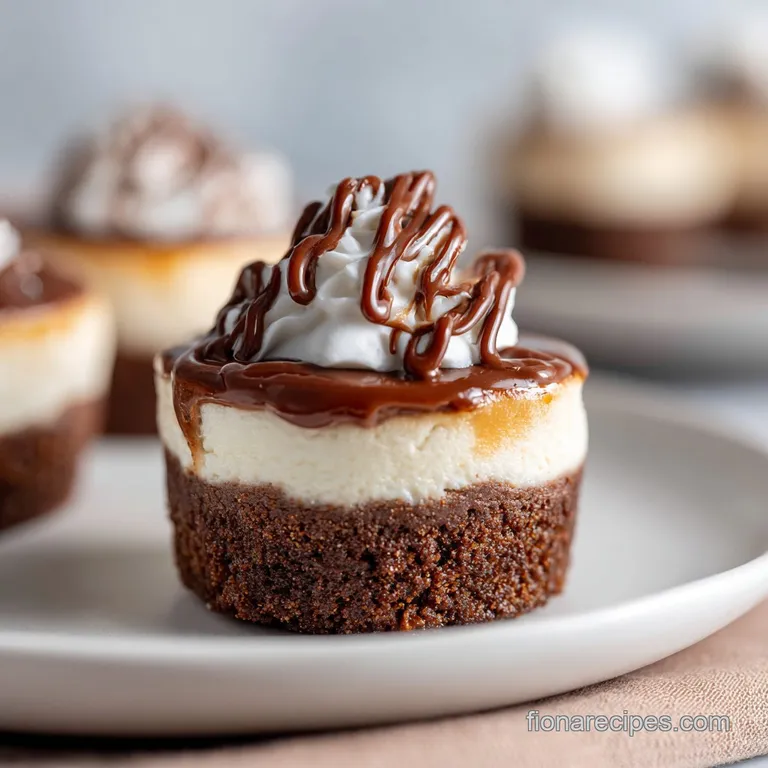
- Time: Active 20 minutes, Passive 18 minutes, Total 38 minutes
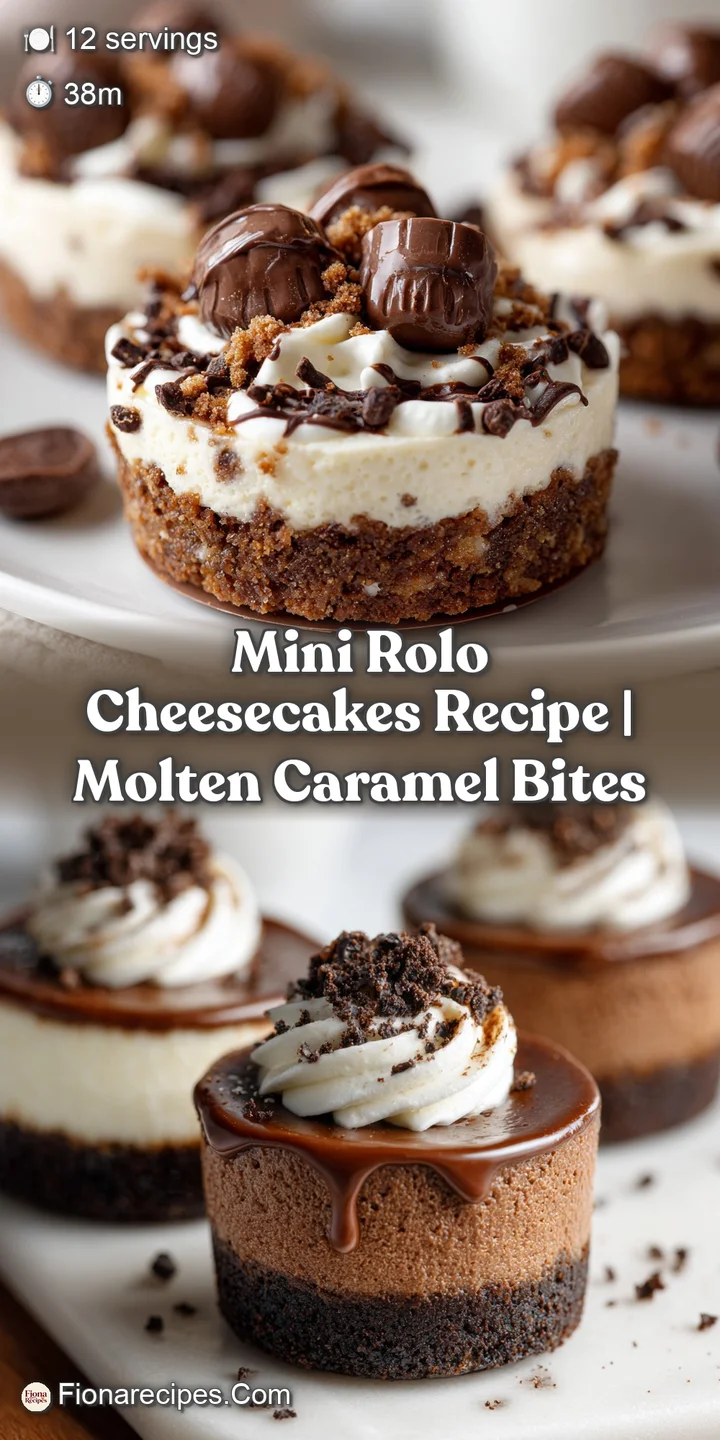
- Flavor/Texture Hook: Shatter crisp chocolate crust with a molten caramel core
- Perfect for: Elegant dinner parties or individual holiday treats
- Why This Mini Rolo Cheesecakes Recipe Works
- Selecting the Best Component Materials
- Essential Tools for Precision Baking
- Steps to Achieve Velvety Texture
- Correcting Common Baking Obstacles
- Adjusting Ratios for Any Occasion
- Debunking Popular Baking Assumptions
- Storage and Zero Waste Strategies
- Optimal Pairings for Dessert Service
- Recipe FAQs
- 📝 Recipe Card
Why This Mini Rolo Cheesecakes Recipe Works
Have you ever bitten into a dessert and felt that sudden, unexpected hit of gooey caramel hidden beneath a silky layer of cream? That was the exact moment I realized why this specific mini rolo cheesecakes recipe is a technical triumph.
It isn't just about throwing candy into batter; it is about the physics of how that caramel reacts to heat while the surrounding proteins in the cream cheese begin to set. I remember my first attempt where I used cold ingredients, and the result was a lumpy mess that cracked like a dry desert floor.
Now, I prioritize precision to ensure every bite is uniform.
The magic happens in the contrast between the bitterness of the Dutch process cocoa and the sugar heavy Rolo. Most people reach for standard cocoa, but the Dutch process has been neutralized, giving it a darker color and a smoother, more earthy flavor that makes the caramel pop.
We are building layers of flavor here, not just stacking sugar. When you pull these out of the oven, they look modest, but the first person to break that surface with a fork will see the "lava" effect we are aiming for.
We are focusing on stability and mouthfeel. Using full fat ingredients isn't just a suggestion; it is a requirement for the structural integrity of a mini cheesecake. low-fat versions contain more water, which turns into steam in the oven, leading to those unsightly bubbles and a rubbery texture.
Stick with me, and we will avoid all those common pitfalls that plague home bakers.
- Protein Coagulation: The egg acts as a binder, setting at a lower temperature than the caramel to lock the Rolo in place.
- Fat Emulsification: Room temperature cream cheese bonds with sugar molecules to create a smooth, non gritty matrix.
- Starch Gelatinization: Cocoa powder absorbs excess moisture from the sour cream, providing a tighter crumb in the base.
- Thermal Lag: Placing the Rolo in the center protects it from direct heat, keeping the caramel soft rather than burnt.
| Cooking Method | Prep Time | Texture Result | Best Use Case |
|---|---|---|---|
| Oven Bake | 20 minutes | Dense, silky, traditional custard | Dinner parties and gifting |
| Stovetop Steam | 25 minutes | Ultra moist, almost mousse like | When the oven is busy |
| Air Fryer | 15 minutes | Slightly firmer edges, fast set | Quick individual cravings |
The oven remains the gold standard for this dish because it provides dry, even heat that helps the chocolate crust achieve a distinct "shatter" when bitten. Stovetop steaming is a fascinating alternative, often used in professional kitchens for "flan style" cheesecakes, as it prevents any surface browning, but you lose that slight toasted note in the cocoa.
Selecting the Best Component Materials
Success in baking is 90% about what you put in the bowl before you even turn on the mixer. When selecting your cream cheese, look for the blocks, not the spreadable tubs, as the tubs contain added air and stabilizers that will ruin our density.
For the crust, I always recommend a high-quality butter with at least 82% fat content; this ensures the graham cracker crumbs stay crisp rather than greasy.
| Ingredient | Science Role | Pro Secret |
|---|---|---|
| Cream Cheese | Structural base | Must be 20°C to avoid lumps |
| Large Egg | Emulsifier/Binder | Provides the "lift" without baking powder |
| Sour Cream | Acidic softener | Breaks down protein strands for creaminess |
| Dutch Cocoa | Flavor depth | Sift it twice to prevent bitter clumps |
If you find yourself missing an ingredient, don't panic. You can often pivot without losing the essence of the dish. For instance, if you are out of sour cream, a thick Greek yogurt works well, though it adds a slightly more aggressive tang. Much like the technique used in our Cheesecake Recipe for 12 servings, the key is maintaining the fat to acid ratio.
| Original Ingredient | Substitute | Why It Works |
|---|---|---|
| Graham Cracker Crumbs | Digestive Biscuits | Similar dry texture; slightly less sweet |
| Sour Cream | Full fat Greek Yogurt | Same acidity level to tenderize the fats |
| Dutch process Cocoa | Natural Cocoa Powder | Works, but add a pinch of baking soda |
| Salted Caramel Sauce | Dulce de Leche | Thicker consistency; remains stable when chilled |
Always remember that swapping ingredients can slightly alter the final bake time. If using a moisture heavy substitute like yogurt, you might need an extra 2 minutes in the oven to ensure the center isn't too wobbly.
Essential Tools for Precision Baking
You don't need a professional laboratory, but a few specific tools make this process foolproof. A standard 12 cup mini muffin pan is your primary vehicle here. I strongly advise against using a regular sized muffin tin unless you plan to adjust the bake time significantly, as the Rolo center will be "lost" in a larger volume of batter.
A silicone spatula is better than a whisk for the filling. We want to incorporate the ingredients without whipping in too much air. Excess air leads to the cheesecakes rising like soufflés and then collapsing, which creates deep cracks on the surface. If you have a kitchen scale, use it.
Measuring by weight is the only way to ensure your 1.5 cups of crumbs are the same as mine.
Precision is the difference between a "good" dessert and one that looks like it came from a high end patisserie. Just as a Strawberry Shortcake Recipe relies on the coldness of the butter, this recipe relies on the uniformity of the muffin liners. I prefer foil liners for these because they peel away cleanly without taking half the crust with them.
Steps to Achieve Velvety Texture
For the Chocolate Crust
- Preheat your oven to 180°C (350°F). Note: This ensures the crust sets immediately.
- Combine 1.5 cups graham cracker crumbs, 3 tbsp cocoa powder, and 0.25 cup sugar.
- Incorporate 5 tbsp melted butter into the dry mix until it resembles wet sand.
- Press 1 tablespoon of mixture into each liner until firmly packed and level.
- Bake for 5 minutes until fragrant and slightly darkened.
For the Silky Rolo Filling
- Beat 12 oz cream cheese and 0.5 cup sugar until no visible lumps remain.
- Mix in 1 large egg and 1 tsp vanilla until just combined and glossy.
- Fold in 2 tbsp sour cream using a spatula. Note: Over mixing here adds unwanted air.
- Place one Rolo candy in the center of each pre baked crust.
- Spoon the batter over the candy until the liner is 3/4 full.
- Bake for 18 minutes until the edges are set but the center jiggles slightly.
- Chill for at least 2 hours until the structure is firm and cold.
For the Professional Garnish
- Melt 0.25 cup chocolate chips in 15 second bursts in the microwave.
- Drizzle chocolate and 2 tbsp caramel sauce over the cooled cakes.
- Sprinkle a pinch of flaky sea salt until the caramel looks highlighted.
Correcting Common Baking Obstacles
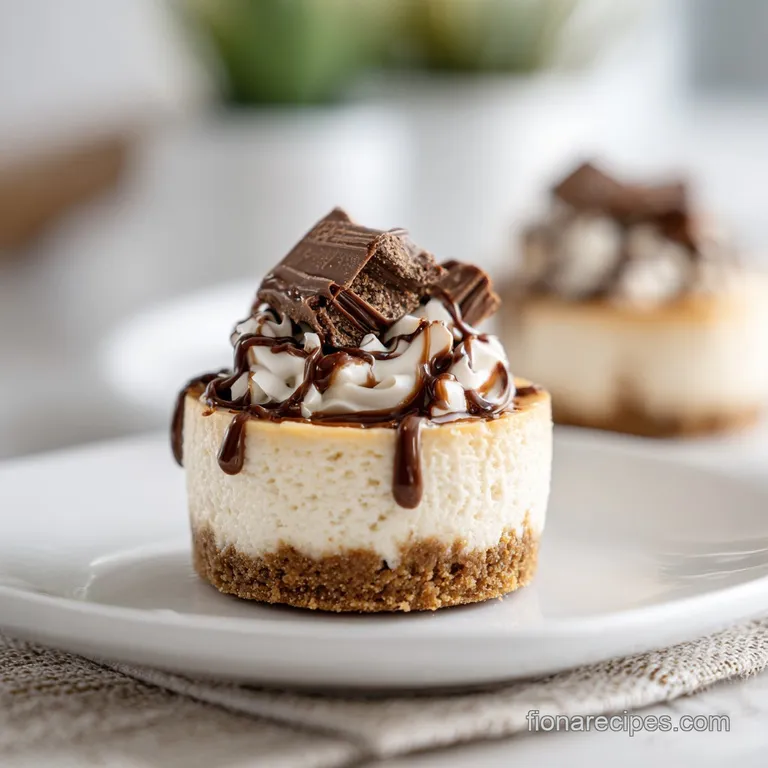
The most frustrating part of cheesecake is the dreaded crack. This usually happens because of a sudden temperature change or over beating the egg. If your cakes do crack, don't worry the chocolate drizzle and caramel sauce are the perfect "makeup" to hide any surface imperfections.
Why Your Cheesecake Cracked
Cracking is almost always a symptom of moisture loss or structural stress. When the cheesecake cools too fast, it shrinks. If it's stuck to the sides of the liner, it can't shrink inward, so it pulls apart in the middle.
| Problem | Root Cause | Solution |
|---|---|---|
| Surface Cracks | Over baking or cooling too fast | Turn off oven and leave door ajar for 10 mins |
| Lumpy Batter | Cold cream cheese | Microwave cheese for 10 seconds before mixing |
| Soggy Crust | Butter leaked through liner | Ensure crumbs are pressed firmly into the base |
Common Mistakes Checklist
- ✓ Never use "light" or "spreadable" cream cheese (it won't set).
- ✓ Tap the filled muffin tin on the counter 5 times before baking to pop air bubbles.
- ✓ Ensure the egg is at room temperature to prevent the fat in the cheese from curdling.
- ✓ Wait until the cheesecakes are completely cold before removing the liners.
- ✓ Do not skip the "jiggle test" - the center should move like Jell O, not liquid.
If you are looking for something with a different flavor profile but the same individual serving appeal, you might enjoy a Key Lime Pie recipe which uses a similar press in crust technique but a very different acid set filling.
Adjusting Ratios for Any Occasion
Scaling Down (Small Batch)
To make a half batch (7 servings), use 6 oz of cream cheese and half an egg. To get half an egg, crack it into a bowl, whisk it, and measure out 25 grams. Use a smaller baking dish or just fill half your muffin tin. Reduce the bake time by about 3 minutes as the thermal mass in the oven will be lower.
Scaling Up (Crowd Size)
For a double batch (28 servings), you can simply double everything. However, be careful with the spices and salt; I recommend only 1.5x the salt and vanilla to avoid overpowering the delicate cheese flavor.
You may need to rotate your pans halfway through the 18 minute bake to ensure even heat distribution if using two racks.
| If you want... | Then do this... |
|---|---|
| A molten center | Freeze the Rolos for 20 minutes before placing in batter |
| A crunchier base | Add 2 tbsp of finely chopped pecans to the crust mix |
| Extra coffee notes | Add 1/2 tsp of espresso powder to the cocoa crust |
Debunking Popular Baking Assumptions
Many people believe you must use a water bath for all cheesecakes. This is false for "mini" versions. Because the volume is so small, the heat penetrates the center quickly enough that the edges don't overcook before the middle is done.
The liners also act as a protective barrier, mimicking the gentle heat of a water bath.
Another myth is that you can't over mix cheesecake batter. In reality, over mixing is the primary cause of "souffléing." If you incorporate too much air, the cheesecakes will puff up like balloons in the oven and then sink into a sad crater as they cool. Mix only until the ingredients are combined.
Storage and Zero Waste Strategies
Storage: These must be kept in the refrigerator. They will stay fresh and velvety for up to 5 days if stored in an airtight container. The chocolate drizzle may "sweat" slightly in the fridge, but it won't affect the flavor.
Freezing: These freeze beautifully. Wrap individual cheesecakes (without the drizzle) in plastic wrap and store in a freezer bag for up to 3 months. To serve, thaw in the fridge overnight. Add the caramel and salt fresh before serving for the best texture.
Zero Waste: If you have leftover graham cracker crumbs, toss them with a little melted butter and cinnamon to use as a yogurt topper. Leftover egg (if scaling down) can be added to your morning scramble.
Even the foil from the Rolos can be recycled in many areas if balled up to at least the size of a tennis ball!
Optimal Pairings for Dessert Service
To truly provide a "coffee house" experience, serve these with a bitter beverage to cut through the richness of the caramel. A dark roast espresso or a smoky Earl Grey tea provides a beautiful aromatic balance.
If you are serving these at a dinner party, a small glass of Tawny Port or a chilled Sherry complements the toasted notes in the Dutch cocoa.
For a fruit focused contrast, a few fresh raspberries on the side add a necessary acidity that cleanses the palate between bites of the dense cheesecake. The vibrant red also makes the dark chocolate crust and golden caramel drizzle look absolutely stunning on a white dessert plate.
Precision Checkpoints
- Oven Temperature: Exactly 180°C (350°F) for the crust, maintain for filling.
- Ingredient Temperature: Cream cheese and egg must be between 20°C and 22°C.
- Cooling Window:30 minutes on the counter, then 2 hours in the fridge.
Recipe FAQs
Can I use cream cheese straight from the refrigerator for the filling?
No, this will cause lumps. Cream cheese must be softened to approximately 20°C so the fat incorporates smoothly with the sugar, preventing a gritty final texture.
What is the most important step to prevent the cheesecake surface from cracking?
Avoid incorporating excess air while mixing the batter. Over beating the egg whips in air, causing the cheesecake to rise too quickly in the oven and then sink and crack as it cools.
How to determine if the mini cheesecakes are fully baked?
Look for set edges with a slight center jiggle. The center should still wobble like soft Jell-O when gently nudged; they will finish setting during the cooling process.
How to achieve the perfect molten Rolo center without burning the caramel?
Place the Rolo directly onto the pre-baked crust before pouring batter over it. This shields the candy from direct heat exposure, allowing the surrounding cheesecake structure to set first.
Is it necessary to use a water bath when baking mini cheesecakes?
No, a water bath is generally unnecessary for mini versions. The small volume cooks quickly and evenly; the paper liners provide enough insulation to prevent scorching the bottoms.
How long must these cheesecakes chill before they are ready to serve?
Chill for a minimum of 2 hours in the refrigerator. This time allows the proteins to fully set, achieving the dense, velvety texture characteristic of this dessert.
How can I ensure the chocolate crust stays crisp and doesn't become soggy?
Bake the crust separately for 5 minutes before adding the filling. Make sure the melted butter is thoroughly mixed into the crumbs; if you enjoy this high fat crust technique, you will appreciate the stable base in our Homemade Biscuits and recipe.
Mini Rolo Cheesecakes Recipe
Ingredients:
Instructions:
Nutrition Facts:
| Calories | 263 kcal |
|---|---|
| Protein | 2.8 g |
| Fat | 16.7 g |
| Carbs | 27.1 g |
| Fiber | 0.8 g |
| Sugar | 19.8 g |
| Sodium | 134 mg |
