Louisiana Crab Cakes Recipe
- Time: Active 15 minutes, Passive 50 minutes, Total 1 hours 5 mins
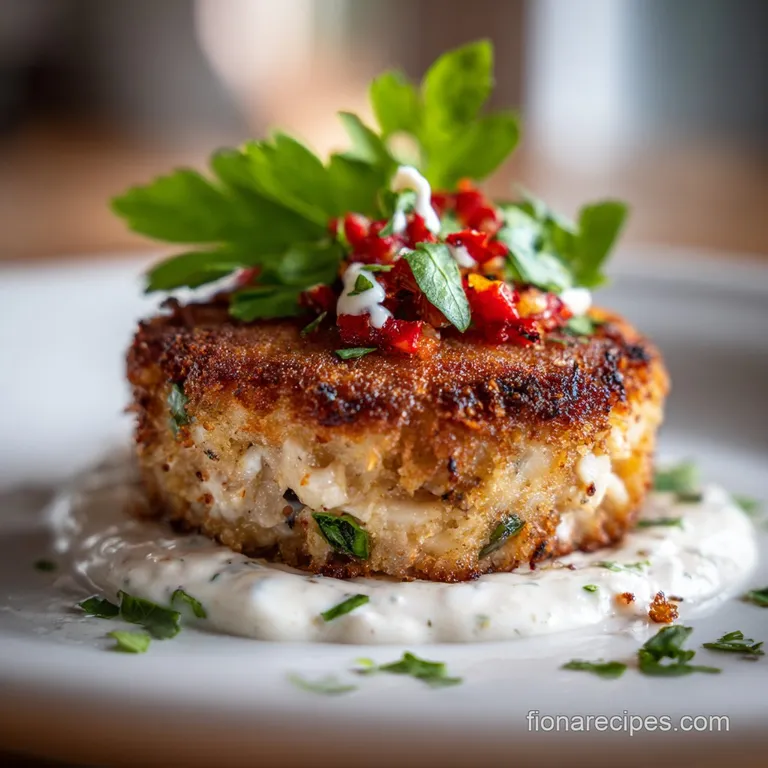
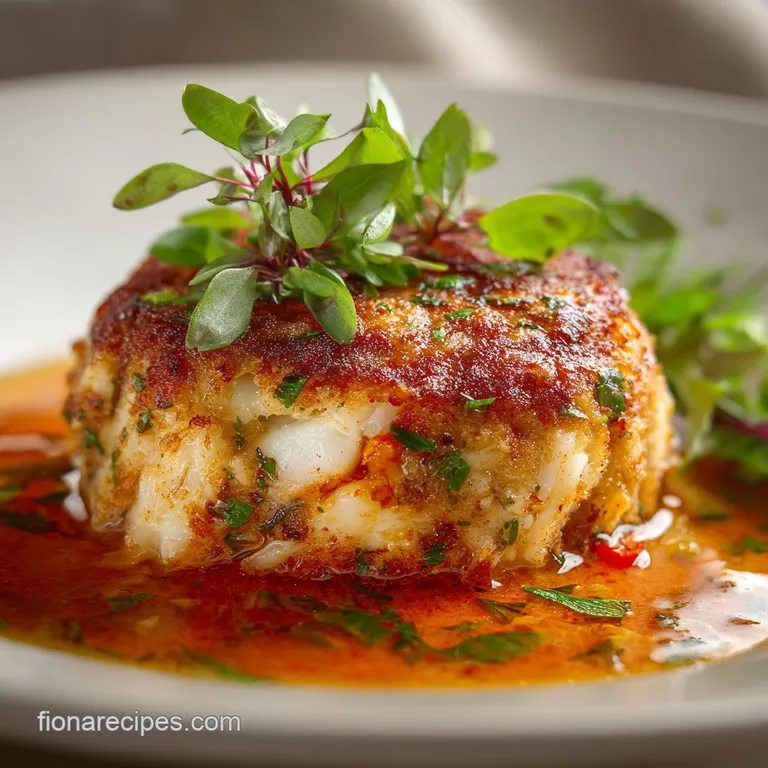
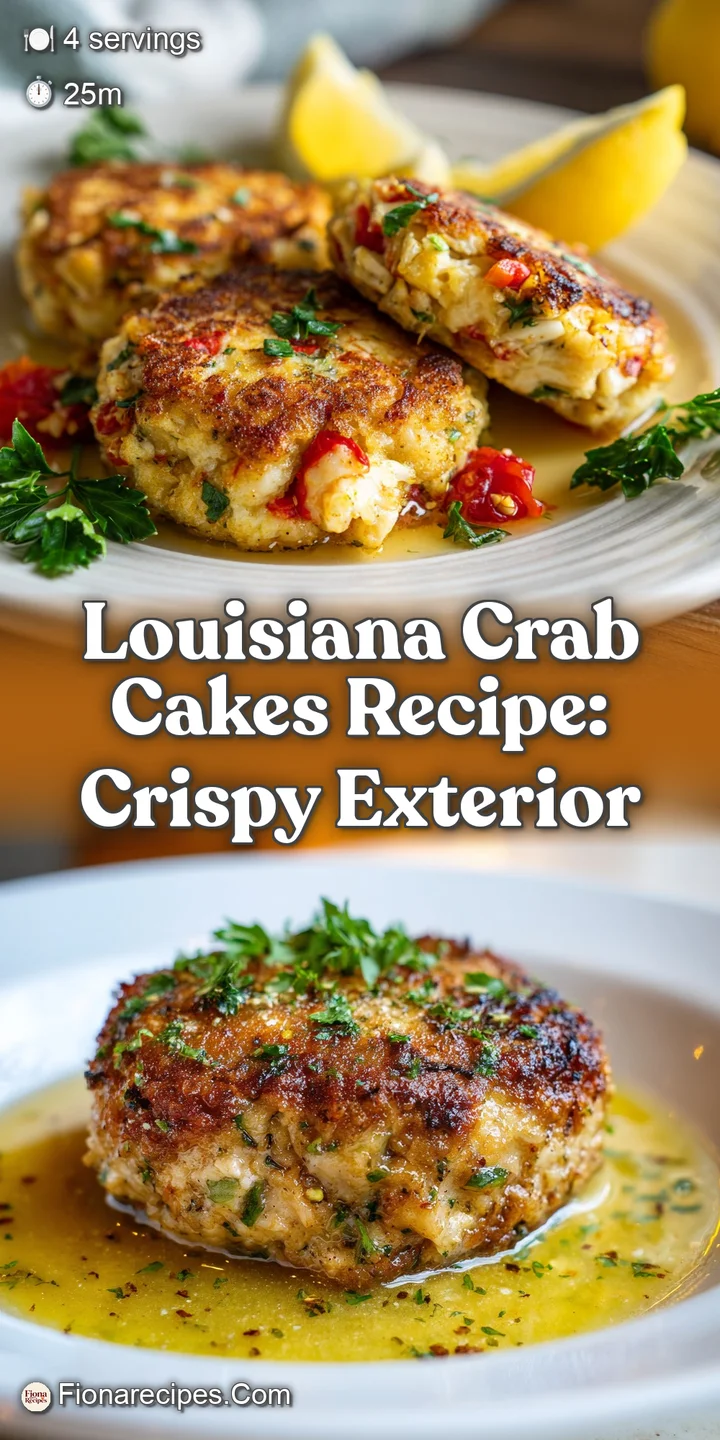
- Flavor/Texture Hook: Shatter crisp exterior with a velvety, jumbo lump interior
- Perfect for: Impressive family Sunday dinners or a hearty weeknight treat
- Master the Ultimate Louisiana Crab Cakes
- The Molecular Bond of the Perfect Binder
- Component Analysis and Ingredient Deep Dive
- The Essential Elements for Authentic Flavor
- Simple Kitchen Tools for Big Results
- Detailed Steps for Crispy Success
- Managing Common Cooking Obstacles
- Adjusting the Recipe Size
- Debunking Louisiana Cooking Myths
- Preservation and Waste Reduction
- Suggestions for a Complete Meal
- High in Sodium ⚠️
- Recipe FAQs
- 📝 Recipe Card
Master the Ultimate Louisiana Crab Cakes
Picture this: You’re standing in a humid kitchen in the heart of the South, the air smelling faintly of salt and swamp water. You drop a hand formed patty into a hot skillet, and that immediate sizzle fills the room while the aroma of celery, bell pepper, and spicy Creole seasoning hits your nose.
That's the magic of making Louisiana Crab Cakes. I remember the first time I tried to make these at home, I was so worried about them falling apart that I added way too much breading. It was a mistake I only made once. Real Louisiana style cakes are all about the crab, not the filler.
We’re going for that classic "Holy Trinity" flavor base but kept very fine so it doesn't distract from the jumbo lumps. This isn't a complex gourmet project that requires a culinary degree. It’s a reliable, kid approved comfort meal that feels fancy but plays by simple rules.
You want big, sweet chunks of crab meat that practically melt in your mouth, held together by just enough mayo and egg to keep things interesting. Trust me on this, once you nail the chilling step, you’ll never go back to those frozen, bready pucks again.
We've all been there, staring at a bowl of expensive crab meat and praying it doesn't turn into a scrambled mess in the pan. I’ve tested the shortcuts and the long ways around, and I’ve distilled it down to what actually works for a busy home cook. We're going to use minimal tools - just a bowl and a skillet - to get the job done. If you're looking to round out a big weekend spread, these pair beautifully with a light salad, or you could even serve them alongside a sweet stack using my Fluffy Pancakes From Scratch recipe for the ultimate savory meets sweet brunch.
The Molecular Bond of the Perfect Binder
Starch Hydration: The Panko breadcrumbs act like tiny sponges, soaking up the moisture from the egg and mayonnaise to create a cohesive structure. This prevents the cakes from feeling soggy while ensuring they stay juicy on the inside.
Protein Denaturation: As the egg proteins heat up in the skillet, they uncoil and link together, forming a firm "net" that traps the large lumps of crab meat. This transition from liquid to solid is what gives the cake its structural integrity without needing excessive flour.
The Maillard Reaction: By combining unsalted butter with neutral oil, we achieve a high enough temperature to brown the exterior proteins and sugars. This creates that characteristic "shatter" crust and a complex, toasted flavor profile that oil alone cannot provide.
| Patty Thickness | Internal Temp | Rest Time | Visual Cue |
|---|---|---|---|
| 1 inch | 145°F (63°C) | 3 minutes | Golden brown crust with steam escaping |
| 1.5 inches | 145°F (63°C) | 5 minutes | Deep bronze color and firm to the touch |
| 0.5 inch (sliders) | 145°F (63°C) | 2 minutes | Sizzling edges and opaque throughout |
Getting the temperature right is the difference between a greasy mess and a masterpiece. Always use a heavy bottomed skillet to ensure the heat is even across the entire surface. If you don't have a meat thermometer, look for the edges to turn a deep, dark gold before you even think about flipping them.
Component Analysis and Ingredient Deep Dive
| Ingredient | Science Role | Pro Secret |
|---|---|---|
| Jumbo Lump Crab | Primary Protein | Pick through it twice for shells but don't break the lumps. |
| Blue Plate Mayo | Fat & Emulsifier | This brand is a Southern staple because it's extra creamy. |
| Large Egg | Primary Binder | Lightly beat it first so it distributes without over mixing the crab. |
| Panko Crumbs | Structural Support | Use Panko over traditional crumbs for a lighter, crunchier finish. |
The choice of crab meat is where you should spend your money. While backfin or claw meat works in a pinch, jumbo lump provides those "wow" bites that make this dish feel special. Just be gentle with it. Every time you stir the bowl, you risk breaking those beautiful lumps into mush.
The Essential Elements for Authentic Flavor
- - 1 lb Fresh Jumbo Lump Crab Meat
- The star of the show. Why this? Provides the best texture and sweet, clean flavor profile.
- - 0.5 cup Panko breadcrumbs
- Our structural hero. Why this? Creates a lighter, airier texture than regular breadcrumbs.
- - 0.25 cup Blue Plate Mayonnaise
- The creamy binder. Why this? Essential for that authentic Louisiana mouthfeel and tang.
- - 1 large Egg
- The glue. Why this? Sets the mixture during cooking to prevent crumbling.
- - 1 tbsp Dijon mustard
- A sharp contrast.
- - 1 tsp Worcestershire sauce
- Adds a savory, umami depth.
- - 1.5 tbsp Creole Seasoning
- The soul of the dish.
- - 2 tbsp Finely minced green bell pepper
- Part of the "Holy Trinity."
- - 2 tbsp Finely minced celery
- Adds a subtle crunch and earthiness.
- - 2 tbsp Finely minced green onions
- For a fresh, sharp bite.
- - 0.5 tsp Garlic powder
- Enhances the savory notes.
- - 2 tbsp Unsalted butter
- For that rich, toasted flavor during searing.
- - 1 tbsp Neutral oil
- Raises the smoke point so the butter doesn't burn.
- - 0.5 cup Mayonnaise
- The base of our sauce.
- - 1 tbsp Whole grain mustard
- Adds texture and a vinegary punch.
- - 1 tbsp Prepared horseradish
- For that signature nasal clearing heat.
- - 1 tsp Smoked paprika
- Adds color and a hint of woodsmoke.
- - 1 tsp Hot sauce
- Use a Louisiana style sauce like Crystal or Tabasco.
- - 1 tsp Lemon juice
- Brightens the entire flavor profile.
| Original Ingredient | Substitute | Why It Works |
|---|---|---|
| Jumbo Lump Crab | Claw Meat | More affordable. Note: Stronger flavor, less "lumpy" texture. |
| Panko Breadcrumbs | Crushed Saltines | Traditional Southern swap. Adds a salty, buttery finish. |
| Creole Seasoning | Old Bay | Similar herb profile. Note: Less spicy, more celery salt forward. |
Simple Kitchen Tools for Big Results
You don't need a kitchen full of gadgets for this. A large mixing bowl is essential for combining your ingredients without feeling cramped. Use a flexible fish spatula if you have one, as its thin edge slides easily under the delicate patties without breaking the crust.
A heavy 12 inch cast iron or stainless steel skillet is the best choice for achieving that even, golden brown sear.
Chef's Tip: Freeze your butter for 10 minutes before adding it to the pan. This slows down the browning process, giving you a wider window to get the crab cakes perfectly crispy without the milk solids in the butter burning too quickly.
Detailed Steps for Crispy Success
1. Sauté the Aromatics
Mince your green bell pepper, celery, and green onions as finely as possible. Sauté them in a small pan with a tiny bit of butter for 3-4 minutes until soft and fragrant. Note: Raw veggies release too much moisture inside the cake, which can make them fall apart.
2. Prepare the Binder
In your large mixing bowl, whisk together the mayonnaise, beaten egg, Dijon mustard, Worcestershire sauce, Creole seasoning, and garlic powder until completely smooth and creamy.
3. The Gentle Fold
Add the 1 lb of crab meat and 0.5 cup of Panko to the wet mixture. Use a silicone spatula to gently fold the ingredients together until the crab is just coated. Note: Do not over mix or you'll destroy the jumbo lumps.
4. Shaping the Patties
Divide the mixture into 4 equal portions and shape them into thick disks about 1 inch thick. Place them on a parchment lined plate until they feel firm to the touch.
5. The Critical Chill
Place the patties in the refrigerator for at least 30 minutes. Note: This is the most important step; it allows the Panko to hydrate and the proteins to "set" so they don't disintegrate in the pan.
6. Make the Remoulade
While the cakes chill, whisk the 0.5 cup mayo, whole grain mustard, horseradish, paprika, hot sauce, and lemon juice in a small bowl until the sauce is pale orange and speckled.
7. Heat the Pan
Add the 2 tbsp butter and 1 tbsp neutral oil to your skillet over medium heat. Wait until the butter foam subsides and begins to shimmer.
8. The Searing Phase
Carefully place the chilled patties into the hot skillet. Cook for 4-5 minutes until the bottom is deeply bronzed and a crust has formed.
9. The Gentle Flip
Carefully flip the cakes using your fish spatula. Cook the other side for another 4 minutes until the cakes are heated through and the exterior is shatter crisp.
10. The Final Rest
Remove the cakes from the pan and let them rest on a wire rack or paper towel lined plate for 3 minutes. This keeps the bottom from getting soggy while the heat evens out.
Managing Common Cooking Obstacles
Why Your Crab Cakes Fall Apart
This is the most common heartache in the kitchen. Usually, it's caused by one of two things: either the mixture was too wet or you skipped the chilling time. If your mixture feels like it won't hold a shape, add another tablespoon of Panko, but let it sit for 5 minutes to absorb the liquid before adding more.
Why Your Crust Is Greasy
If the oil isn't hot enough when the crab cake hits the pan, the breadcrumbs will soak up the fat like a sponge instead of searing. Make sure you hear a distinct "hiss" when the patty touches the metal. Also, avoid overcrowding the pan, as this drops the temperature too quickly.
| Problem | Root Cause | Solution |
|---|---|---|
| Falling apart | Lack of chilling time | Chill for at least 30-45 minutes before frying. |
| Soggy bottom | Resting on a flat plate | Rest on a wire rack to allow steam to escape. |
| Burnt exterior | Heat is too high | Lower heat to medium and use a butter/oil mix. |
Common Mistakes Checklist - ✓ Pat the crab meat dry with a paper towel before mixing to remove excess brine. - ✓ Avoid over handling the meat; keep those lumps as whole as possible for the best texture.
- ✓ Don't press down on the cakes with your spatula while they fry; it squeezes out the juices. - ✓ Always use a neutral oil with the butter to prevent the pan from smoking. - ✓ Ensure your "Holy Trinity" (pepper, celery, onions) is minced very fine so the cakes stay tight.
Adjusting the Recipe Size
Downsizing for Two
If you're only cooking for two, simply halve the ingredients. For the egg, beat it in a small bowl and use about half of it. You can still use a large skillet, just be careful not to let the butter burn in the empty spaces.
Scaling Up for a Crowd
When doubling or tripling this recipe for a party, work in batches. Never try to cram 8 crab cakes into one skillet. You'll end up steaming them instead of searing them. Keep the first batch warm in a 200°F (95°C) oven on a wire rack while you finish the rest.
For the spices, only increase the Creole seasoning to 1.5x the original amount for a double batch, then taste and adjust; spices can become overwhelming quickly.
| Servings | Crab Amount | Pan Size | Total Cook Time |
|---|---|---|---|
| 2 People | 0.5 lb | 10 inch Skillet | 10 minutes |
| 4 People | 1 lb | 12 inch Skillet | 10 minutes |
| 8 People | 2 lb | Two 12 inch Skillets | 20 minutes (batches) |
If you're looking for a different sweet treat to balance out the savory spices of a large brunch, try serving these alongside my Fluffy Blueberry Pancakes recipe. The burst of berries is a fantastic palate cleanser.
Debunking Louisiana Cooking Myths
A huge misconception is that you need a lot of flour to bind a crab cake. In reality, flour makes the cakes heavy and gummy. Panko or crushed crackers provide a much lighter "lift." Another myth is that you must deep fry them.
Pan searing in a mixture of butter and oil actually provides a better flavor and a more controlled "shatter" crust without the greasiness of a deep fryer. Finally,, some people think the "Holy Trinity" must be raw for crunch, but sautéing them briefly ensures they meld into the binder and don't create "weak spots" that cause the cake to split.
Preservation and Waste Reduction
Storage: Keep leftover crab cakes in an airtight container in the fridge for up to 2 days. To reheat, avoid the microwave at all costs it will turn the crab rubbery and the crust soggy. Instead, pop them in a toaster oven or a dry skillet over medium heat until warmed through.
Freezing: You can freeze the formed, uncooked patties for up to 2 months. Wrap each one tightly in plastic wrap and store in a freezer bag. Thaw them completely in the fridge before frying to ensure the center gets hot.
Zero Waste: If you have leftover crab meat that didn't make it into a patty, stir it into a morning omelet or use it as a topping for a baked potato. Leftover remoulade sauce is incredible as a dip for fries or a spread for a fried fish sandwich.
Suggestions for a Complete Meal
These Louisiana Crab Cakes are the star of the show, but they love company. Serve them over a bed of dressed arugula to cut through the richness of the mayo. For a true Southern experience, pair them with a side of corn maque choux or cheesy grits.
If you're serving these as an appetizer, go for a "slider" style on small brioche buns with a heap of the remoulade and a single pickle slice. The contrast between the soft bun and the crispy crab is brilliant. No matter how you serve them, make sure there are plenty of lemon wedges on the table. A final squeeze of fresh citrus right before that first bite "wakes up" all those savory Creole spices and makes the crab flavor sing. For another family favorite that uses similar comforting flavors, you might enjoy my Fluffy Blueberry Pancakes recipe for a late night breakfast for-dinner treat.
High in Sodium ⚠️
875 mg mg of sodium per serving (38% % of daily value)
The American Heart Association recommends limiting sodium intake to about 2,300mg per day for most adults.
Sodium Reduction Tips for this Crab Cake Recipe
-
Reduce Creole Seasoning-20%
Creole seasoning is a significant source of sodium. Reduce the amount by half or use a low-sodium blend, or make your own.
-
Skip the Worcestershire Sauce-15%
Worcestershire sauce can be very high in sodium. Try to eliminate it entirely or use a very small amount. Try lemon juice instead.
-
Low-Sodium Mayonnaise-15%
Opt for a low-sodium mayonnaise to reduce the overall sodium content, both in the crab cakes and the sauce. Look for brands that clearly state 'low sodium' on the label.
-
Fresh Herbs & Spices
Enhance flavor with fresh herbs like parsley, thyme, or cilantro. Spices such as black pepper, smoked paprika (careful with added salt), or cayenne pepper will help to reduce the dependence on sodium for flavor. Ensure your smoked paprika is sodium free.
-
Omit Garlic Powder-5%
Although it seems negligible, every little bit helps. Instead of Garlic powder, use 1-2 cloves of fresh, minced garlic to give the crab cakes a nice flavour.
Recipe FAQs
What is the difference between Louisiana and Maryland crab cakes?
Louisiana cakes use more seasoning and aromatics. Maryland style relies almost purely on lump crab meat with minimal binder, Old Bay, and sometimes Dijon. Louisiana incorporates the "Holy Trinity" (onion, celery, bell pepper) and heavier Creole seasoning for a bolder flavor base.
What is the secret to good crab cakes?
Chill the formed patties for at least 30 minutes before cooking. This critical step allows the minimal binder to hydrate and set, ensuring the cakes hold their shape without excessive filler.
Do they eat crab in Louisiana?
Yes, Louisiana is famous for seafood, especially Gulf varieties. While the region is perhaps most famous for crawfish, blue crab is abundant, and dishes like crab cakes here feature strong local seasoning profiles.
How do I ensure my Louisiana crab cakes don't fall apart while searing?
Use the least amount of binder necessary and thoroughly chill the patties. Ensure your searing fat (butter/oil mix) is shimmering hot before placing the cakes in the pan, creating an immediate, firm crust.
Who is famous for crab cakes?
Maryland is widely credited with perfecting the classic, simple crab cake. However, restaurants throughout the Gulf Coast, including those in Louisiana, feature their own distinct, heavily seasoned regional versions of the dish.
Is it true I must use fresh lump crab meat for the best results?
Yes, fresh lump meat is highly recommended over frozen or canned. Fresh crab retains the best structure and sweetest flavor; canned meat often comes packed in water, which adds unwanted moisture to your binder mixture.
How do I achieve a shatter crisp exterior without burning the butter?
Sear in a combination of neutral oil and unsalted butter over medium heat. The oil raises the smoke point, allowing the butter to brown for flavor while preventing the milk solids from scorching instantly.
Louisiana Crab Cakes From Scratch
Ingredients:
Instructions:
Nutrition Facts:
| Calories | 440 calories |
|---|---|
| Protein | 24 g |
| Fat | 32 g |
| Carbs | 13 g |
| Fiber | 1 g |
| Sugar | 1 g |
| Sodium | 875 mg |
