Kool Aid Grapes Recipe: Tart Candy Coating
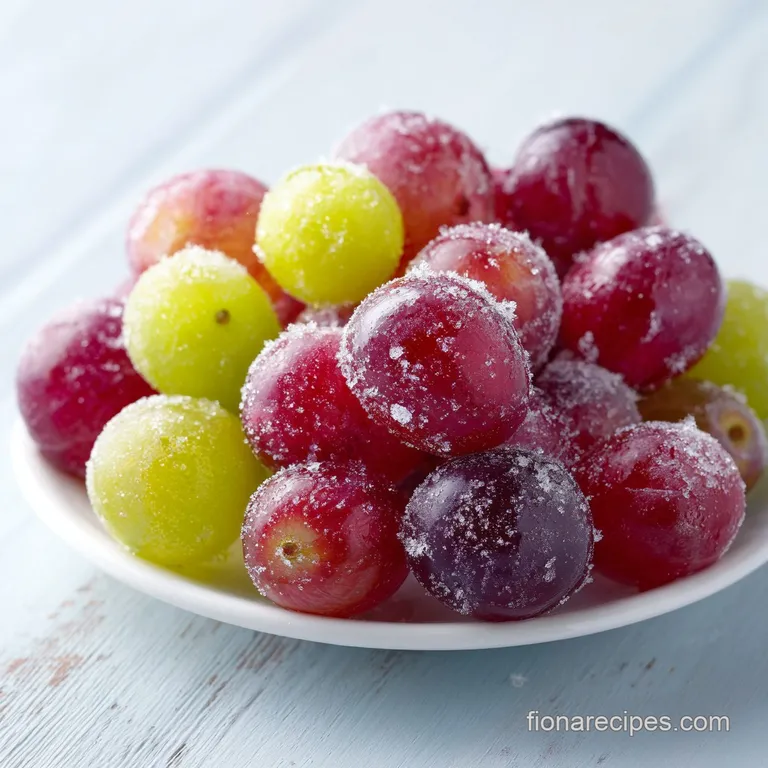
- Time: Active 15 minutes, Passive 2 hours, Total 2 hours 15 mins
- Flavor/Texture Hook: Snappy frozen skin with a tart, powdery coating
- Perfect for: Summer afternoons, kid approved snacks, or low effort party treats
- Making the Best Kool Aid Grapes
- Science Behind the Frozen Crunch
- Deep Dive into Component Roles
- Essential Tools for Easy Prep
- Step-by-Step Coating and Freezing
- Fixing Common Coating Problems
- Adjusting for Any Group Size
- Flavor Variations and Tasty Swaps
- Debunking Popular Fruit Snack Myths
- Storage and Reducing Fruit Waste
- Serving Ideas for Maximum Fun
- Recipe FAQs
- 📝 Recipe Card
Making the Best Kool Aid Grapes
That first bite of a frozen grape always catches me off guard. You get that initial icy resistance, then the skin gives way and you hit a center that feels almost like a natural sorbet.
I remember the first time I made these for a neighborhood barbecue; I walked out with a bowl of green grapes coated in bright blue powder, and the kids looked at me like I’d just performed a magic trick.
By the time the sun went down, that bowl was polished clean, and I was being asked for the secret by three different parents.
The beauty of this recipe is how it solves the boring fruit problem. Sometimes you want something that feels like candy but isn't a bag of processed sweets. This method uses the natural moisture of the fruit to grab onto that electric flavor of the drink mix, creating a crust that's both puckeringly sour and satisfyingly sweet.
It is a total lifesaver on those humid days when you can't even think about standing near a stove.
We've all had those kitchen moments where a "simple" snack turns into a sticky disaster. I've definitely made the mistake of trying to coat grapes that were dripping wet, only to end up with a purple sludge at the bottom of the bowl. But once you nail the balance of moisture and powder, it's smooth sailing.
Trust me, once you try these, you'll never look at a plain bowl of fruit the same way again.
Science Behind the Frozen Crunch
Osmotic Adhesion: The fine sugar and citric acid in the powder draw out a tiny amount of surface juice, creating a natural glue that binds the coating to the skin.
Cellular Expansion: Freezing the fruit causes the water inside the cells to expand and form micro crystals, which gives the grape its unique "shatter" texture when bitten.
Acidic Contrast: The high concentration of citric acid in the drink mix triggers a sensory response that makes the natural sugars in the fruit taste even more intense.
| Method | Prep Time | Final Texture | Best For |
|---|---|---|---|
| Freezer Method | 15 minutes | Icy, sorbet like center | Hot summer days |
| Fridge Method | 10 minutes | Firm, juicy, and wet | Immediate snacking |
| Room Temp | 5 minutes | Soft and very tart | Quick candy fix |
While the fridge method keeps the fruit juicy, the freezer is the real winner here. The way the cold locks the powder into a crust makes the experience feel much more like actual candy. It also prevents the coating from dissolving into a syrup as quickly.
Deep Dive into Component Roles
| Ingredient | Science Role | Pro Secret |
|---|---|---|
| Grapes | Structural base providing moisture | Use green grapes for higher acidity and a better sour "pop" |
| Kool Aid Powder | Flavor concentrate and acid source | Mix two flavors like cherry and lime for a complex profile |
| Granulated Sugar | Sweetness balancer and grit | Sift the sugar first to ensure no clumps interfere with the coating |
Surface Tension and Moisture Adhesion
The secret to getting that thick, even coating lies in how you handle the water. If the fruit is too dry, the powder just falls to the bottom. If it's too wet, it turns into a runny mess. You want just enough surface tension to hold the powder without it sliding off.
The Cryogenic Texture Shift
When you move these from the counter to the freezer, you aren't just making them cold. You are fundamentally changing the fruit's interior density. A room temperature grape is liquid heavy, but a frozen one has a velvety, dense crumb that mimics high end gelato.
Essential Tools for Easy Prep
You really don't need much to get this done, which is why it's my favorite lazy day project. Grab a large colander for a thorough wash. You’ll also need a large mixing bowl (glass or stainless steel is best to avoid staining) and a slotted spoon.
I’ve found that a standard gallon sized zip top bag is the most efficient way to get an even coat without getting your hands dyed bright red.
If you don't want to use a bag, a shallow tupperware container works too, but you’ll have to be more careful when shaking it. For the freezing part, a simple rimmed baking sheet lined with parchment paper prevents the fruit from sticking to the metal.
This setup ensures you don't end up with a giant frozen fruit brick that you have to chip away at later.
step-by-step Coating and Freezing
- Wash 1 lb green or red seedless grapes. Remove them from the stems and place them in a colander. Note: Keeping them on the stem makes coating impossible.
- Drain the water. Let them sit for 2 minutes until mostly dry but still slightly tacky.
- Combine 2 packets unsweetened Kool Aid powder. Pour the powder and 1/4 cup granulated white sugar into a large zip top bag.
- Shake the bag. Mix the dry ingredients until the color is uniform.
- Add the damp grapes. Place them into the bag and seal it tightly.
- Toss vigorously. Shake the bag for 60 seconds until every grape is opaque and colored.
- Prepare the tray. Line a flat pan with parchment paper.
- Transfer the fruit. Use a slotted spoon to lift the fruit out, leaving excess powder behind.
- Spread them out. Ensure they aren't touching to prevent them from freezing together.
- Freeze for 2 hours. Leave them in the back of the freezer until the coating is hard and the fruit is firm.
Fixing Common Coating Problems
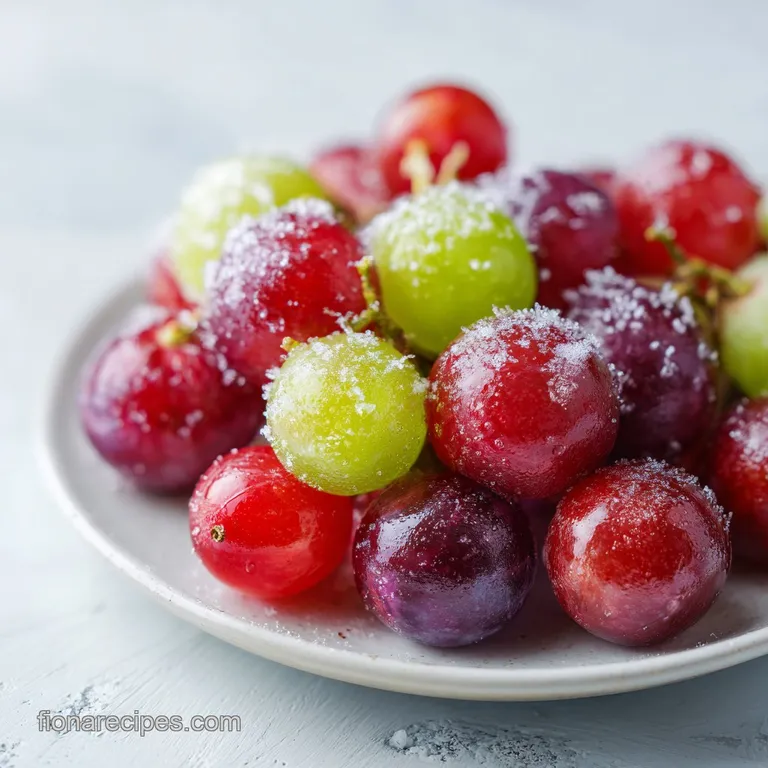
The Coating is Wet and Syrupy
This usually happens if the fruit was soaking wet when it hit the powder. The sugar dissolves instantly into the water, creating a syrup rather than a crust. It also happens if you let the grapes sit at room temperature for too long after coating but before freezing.
The Powder Won't Stick
If your fruit is too dry, the powder has nothing to grab onto. This often happens if you wash the fruit, get distracted, and come back 20 minutes later. A quick mist of water or a fast dunk back in the colander will fix the surface tension issues immediately.
| Problem | Root Cause | Solution |
|---|---|---|
| Clumpy Powder | Humidity in the sugar | Sift sugar and powder together before adding fruit |
| Soggy Bottoms | Grapes sitting in excess liquid | Use a slotted spoon to transfer to the baking sheet |
| Stained Hands | Direct contact with dye | Use a bag or gloves during the shaking process |
Common Mistakes Checklist ✓ Pat the grapes with a paper towel if they are dripping (aim for "damp," not "wet"). ✓ Shake the bag thoroughly to break up any Kool Aid clumps before adding fruit. ✓ Don't dump the whole bag onto the tray; the extra powder will create a messy sludge.
✓ Use a flat tray so the grapes stay in a single layer for even freezing. ✓ Wait the full 2 hours; pulling them out early results in a mushy center.
Adjusting for Any Group Size
If you are making this for a big birthday party, it's easy to scale up, but don't just dump 4 pounds of grapes into one bag. The weight of the fruit will crush the ones at the bottom and create too much moisture. Work in 1 pound batches to keep the coating light and airy.
When doubling the recipe, you actually don't need to double the sugar; 1.5x the sugar is usually plenty for 2 pounds of grapes.
For a smaller snack, you can easily halve this. Use a single packet of powder and 2 tablespoons of sugar. Since you're using less volume, a small quart sized bag is much better for getting that "tumble" effect that ensures every nook and cranny is covered.
| Servings | Grapes | Powder Packets | Sugar Amount |
|---|---|---|---|
| 2 People | 1/2 lb | 1 packet | 2 tbsp |
| 5 People | 1 lb | 2 packets | 1/4 cup |
| 10 People | 2 lbs | 3 packets | 1/3 cup |
Flavor Variations and Tasty Swaps
The Sour Patch Twist
If you want these to be extra tart, add a half teaspoon of citric acid to the sugar mix. This mimics the "extreme" sour candies found in stores. It’s a favorite for teenagers who think the standard recipe is too sweet.
The Creamy Creamsicle Swap
Try using an orange flavored powder and swapping the granulated sugar for powdered sugar. The cornstarch in the powdered sugar creates a softer, more velvety finish that tastes remarkably like an orange cream bar once frozen.
| Original Ingredient | Substitute | Why It Works |
|---|---|---|
| White Sugar (1/4 cup) | Monk fruit sweetener (1/4 cup) | Similar crystal structure. Note: Provides a cooling sensation on the tongue |
| Kool Aid Powder | sugar-free Jell O mix | Adds a gelatinous texture. Note: Coating will be thicker and less tart |
| Green Grapes | Fresh blueberries | Small size means higher surface area for powder |
Debunking Popular Fruit Snack Myths
One big misconception is that you need to use "wet" grapes to make the powder stick. If you use grapes that are dripping, you'll just get a neon colored soup. The fruit only needs a microscopic layer of moisture to bond with the sugar crystals.
Another myth is that any fruit works; while you can use strawberries or blueberries, grapes are the gold standard because their tight skin prevents the juice from leaking out and ruining the powder.
I've also heard people say that you have to use the "pre sweetened" drink mix. Honestly, don't even bother with those. They have a different chemical makeup that doesn't crust as well as the tiny, unsweetened packets mixed with your own granulated sugar.
The control you get from adding your own sugar is what makes the texture so snappy.
Storage and Reducing Fruit Waste
These are definitely best eaten within the first 24 to 48 hours. After that, the sugar starts to pull too much moisture from the grape, and the coating can get a bit gummy. Keep them in an airtight container in the back of the freezer, which is usually the coldest spot.
If you try to keep them in the fridge, the coating will melt into a syrup within about 4 hours.
Zero Waste Tip: If you have grapes that are starting to get a little soft or wrinkled (the ones the kids refuse to touch), this is the perfect way to save them. The freezing process hides any loss of firmness, and the intense flavor mask any dullness in the fruit.
Also, if you have leftover flavored sugar in the bag, don't toss it! Stir it into a pitcher of lemonade or use it to rim a glass for a fun summer mocktail.
Serving Ideas for Maximum Fun
When you're ready to serve, don't just put them in a boring bowl. I love using small cupcake liners to portion them out for kids. It keeps the sticky fingers to a minimum and makes it look like a fancy boutique treat.
If you're hosting an adult gathering, these actually make incredible ice cubes for a fruit punch or a crisp white wine. They chill the drink without watering it down and release a hint of flavor as they thaw.
For a real "wow" factor, mix three different colors of grapes red, blue, and purple in a clear glass bowl. The vibrant colors are stunning and it lets people pick and choose their favorite "candy" flavors.
Just remember to serve them immediately from the freezer, as they lose their signature shatter crunch once they warm up to room temperature.
Recipe FAQs
What does grape 🍇 mean in this context?
It signifies the fruit used. The context refers to making Kool Aid coating on actual seedless grapes, not a digital emoji meaning.
Are moondrop grapes healthy for you when coated this way?
No, they are not significantly healthier. While grapes themselves offer benefits, the added sugar and drink mix powder turn this into a candy like treat.
How do they get the Cotton Candy taste in grapes?
This recipe does not achieve a Cotton Candy flavor. You must use a specific flavor packet, like a specialized grape or berry mix, instead of the standard Kool Aid powder.
What color is grape Kool Aid typically used for this recipe?
Grape Kool Aid is usually a vibrant purple or deep blue. However, many users prefer using cherry or green apple packets for a brighter contrast against the grapes.
Is it true that the grapes must be completely dry before coating?
No, this is a common misconception. The grapes need to be slightly tacky or damp so the dry sugar and powder have surface tension to adhere.
How do I prevent the coated grapes from freezing into one large clump?
Spread them onto a parchment lined, rimmed baking sheet immediately. Ensure that no pieces are touching each other while they transfer from the mixing bag to the freezer tray.
How long can I store these Kool Aid grapes before the texture degrades?
Eat them within 48 hours for the best texture. After two days, the sugar coating begins pulling too much moisture, causing the crust to become gummy.
Kool Aid Grapes Recipe
Ingredients:
Instructions:
Nutrition Facts:
| Calories | 102 calories |
|---|---|
| Protein | 0.6 g |
| Fat | 0.2 g |
| Carbs | 26 g |
| Fiber | 0.8 g |
| Sugar | 24 g |
| Sodium | 6 mg |
