Italian Lemon Cookies: Soft and Zesty
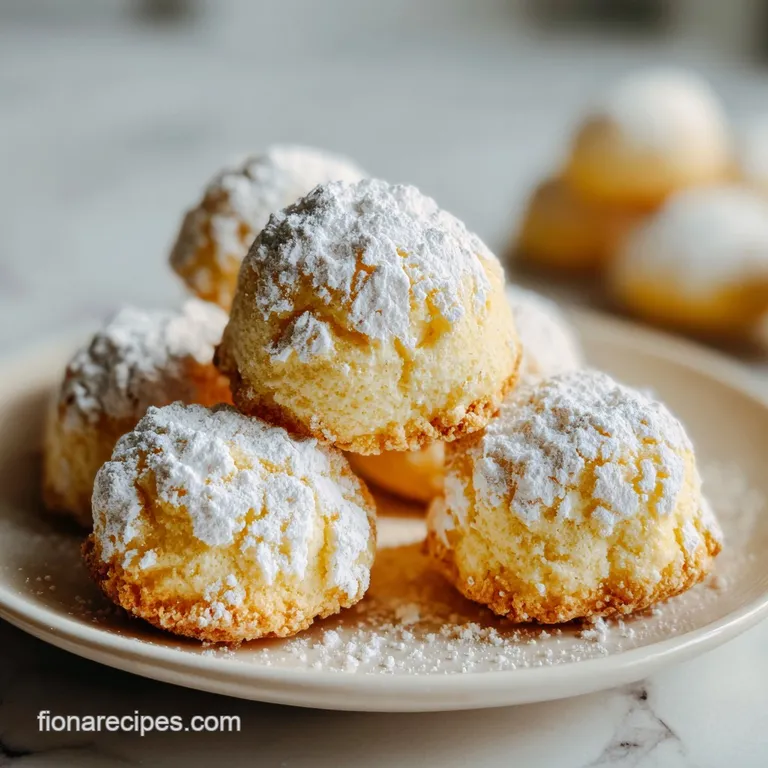
- Time: Active 20 minutes, Passive 12 minutes, Total 32 minutes
- Flavor/Texture Hook: Zesty, soft baked crumb with a shattering sugar glaze
- Perfect for: Holiday cookie platters, afternoon tea, or beginner bakers seeking foolproof results
- Making the Italian Cookie Recipe with Lemon youll crave all year
- Precise Mechanics of a Soft Citrus Crumb
- Component Analysis and Ingredient Roles
- Sourcing Elements for Foolproof Lemon Cookies
- Essential Tools for Consistent Baking Results
- Executing the Multi Stage Infusion Method
- Rectifying Common Density and Texture Errors
- Calculating Volume for Large Batch Baking
- Debunking Cookie Myths
- Preserving Texture and Glaze Structural Integrity
- Optimal Pairings for Bright Citrus Flavors
- Recipe FAQs
- 📝 Recipe Card
Making the Italian Cookie Recipe with Lemon youll crave all year
There is nothing quite as frustrating as biting into what looks like a soft, cloud like Italian cookie only to find it has the structural integrity of a dry sponge. We’ve all been there the cookies look beautiful with their white glaze and colorful sprinkles, but the texture is crumbly, flavorless, and leaves you reaching for a glass of water just to swallow a single bite.
This article shares one delightful Italian cookie recipe with lemon that you'll crave all year.
The problem usually stems from two specific mechanical failures in the kitchen: overworking the gluten and failing to properly extract the lemon oils. Most bakers simply toss lemon zest into the batter at the end, but by then, the fats have already coated the flour, and the flavor stays trapped inside the zest instead of permeating the dough.
We are going to fix that today by using a physical abrasion method that changes the very chemistry of your sugar.
When you get this right, the result is a cookie that feels like a cross between a muffin and a shortbread. It’s light, airy, and carries a citrus punch that isn't just a hint it’s the main event.
You will notice the difference the moment you pull these out of the oven; the aroma of warm citrus will fill your kitchen, and the bottoms will have that specific golden brown ring that signals a perfectly baked base.
Precise Mechanics of a Soft Citrus Crumb
Understanding the "why" behind your baking is what separates a lucky batch from a consistently successful one. In this recipe, we aren't just mixing ingredients; we are managing moisture and air.
- Essential Oil Extraction: Rubbing the lemon zest into the granulated sugar uses the abrasive edges of the sugar crystals to rupture the zest's oil sacs. This releases limonene and citral directly into the sugar, ensuring every molecule of the dough carries the flavor.
- Double Acting Leavening: Using 1 tablespoon of baking powder provides a dual phase lift. The first occurs when the dough is mixed (liquid activation), and the second happens in the oven (heat activation), creating that signature domed shape.
- Fat Emulsification: Beating softened butter with room temperature eggs creates a stable matrix of fat and water. If your eggs are cold, they will cause the butter to seize, leading to an uneven, greasy crumb.
- Starch Hydration: The addition of whole milk provides the necessary liquid to hydrate the flour’s starches without adding too much protein, keeping the cookies soft rather than chewy.
| Thickness | Internal Temp | Rest Time | Visual Cue |
|---|---|---|---|
| 2.5 cm ball | 195°F (90°C) | 5 mins | Bottom edges are light amber |
| 3.0 cm ball | 195°F (90°C) | 7 mins | Surface loses its wet sheen |
| 4.0 cm ball | 200°F (93°C) | 10 mins | Top feels set but remains pale |
Using a thermometer is the most scientific way to ensure doneness, but the visual cues are equally important. You want to avoid any browning on the tops of these cookies. If the top turns golden, the internal moisture has evaporated, and you will lose that sought after velvety texture.
Component Analysis and Ingredient Roles
The synergy between these specific measurements is what creates the "Anginetti" style cookie. We use metric weights here because volume measurements for flour can vary by as much as 20% depending on how tightly you pack the measuring cup.
| Ingredient | Science Role | Pro Secret |
|---|---|---|
| 450g AP Flour | Structural Framework | Sift after weighing to prevent clumps |
| 115g Unsalted Butter | Tenderness & Flavor | Must be 65°F (18°C) for optimal creaming |
| 3 Large Eggs | Emulsifier & Structure | Room temp eggs prevent batter curdling |
| 1 tbsp Baking Powder | Chemical Aeration | Ensure it is less than 6 months old |
Each of these components plays a vital role in the final architecture of the cookie. If you swap the butter for oil, you lose the air pockets created during the creaming stage. If you omit the salt, the lemon flavor will taste flat and one dimensional.
Sourcing Elements for Foolproof Lemon Cookies
To execute this Italian Cookie Recipe with Lemon youll crave all year, you need to be precise with your inventory. I always recommend using organic lemons if possible, as the zest is the star of the show and you want to avoid any wax coatings often found on conventional citrus.
- 450g all purpose flour: Why this? Provides enough protein for structure without the toughness of bread flour.
- 150g granulated sugar: Why this? Acts as the abrasive agent for the lemon zest during the infusion phase.
- 1 tablespoon baking powder: Why this? The primary driver for the cookie's height and airy internal texture.
- 0.5 teaspoon salt: Why this? Essential for balancing the sweetness and sharpening the citrus notes.
- 115g unsalted butter, softened: Why this? Creates the fat sugar air matrix that defines the cookie’s crumb.
- 3 large eggs, room temperature: Why this? Provides moisture and protein for the dough to hold its shape.
- 60ml whole milk: Why this? Adds just enough hydration to keep the dough soft and workable.
- 2 tablespoons fresh lemon zest: Why this? The source of natural oils for a deep, authentic flavor.
- 1 teaspoon pure lemon extract: Why this? Reinforces the citrus profile, ensuring it survives the baking process.
- 240g confectioners' sugar, sifted: Why this? Forms the base of the smooth, opaque glaze.
- 3 tablespoons fresh lemon juice: Why this? The acid component that thins the glaze and adds tartness.
- 1 teaspoon lemon zest (for glaze): Why this? Visual appeal and a final punch of fresh aroma.
- 1 tablespoon nonpareils: Why this? The traditional finishing touch for authentic Italian presentation.
While it might be tempting to use bottled lemon juice, I strongly advise against it. Freshly squeezed juice contains volatile compounds that provide a bright acidity that bottled versions simply cannot replicate. The same goes for the zest fresh is non negotiable for that "crave all year" quality.
Essential Tools for Consistent Baking Results
Having the right equipment ensures that your heat distribution and measurements are exact. For this recipe, a heavy duty stand mixer (such as a KitchenAid) is beneficial but not strictly necessary if you have a strong arm and a whisk. However, the cookie scoop is a game changer for even baking.
- Digital Scale: This is the only way to guarantee you are using exactly 450g of flour.
- Fine Microplane: Essential for getting just the yellow flavedo of the lemon without the bitter white pith.
- 1 Tablespoon Cookie Scoop: Ensures every cookie is the same size, so they all finish baking at the exact same 12 minute mark.
- Parchment Paper: Prevents the bottoms from browning too quickly and ensures an easy release.
- Wire Cooling Rack: Crucial for airflow so the bottoms don't get soggy from trapped steam.
| Fresh Ingredient | Shortcut / Swap | Outcome Note |
|---|---|---|
| Fresh Lemon Zest | Lemon Extract (extra) | Lacks the complex oils; flavor is one note |
| Softened Butter | Margarine | Cookies will spread more and lack rich flavor |
| Whole Milk | Water | Result is less tender; crumb is slightly tougher |
Using a shortcut like pre zested dried lemon peel is a common mistake. Dried peel has lost almost all its volatile oils, leaving you with a gritty texture and a metallic aftertaste. Stick to the fresh citrus for the best results.
Executing the Multi Stage Infusion Method
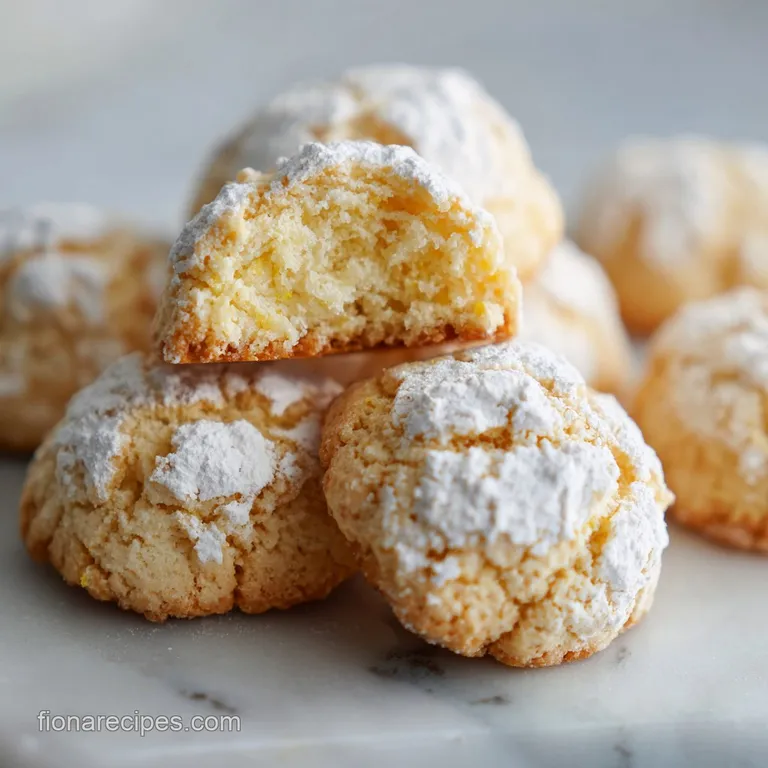
Follow these steps with precision. The timing and temperature of your ingredients are just as important as the ingredients themselves. We are aiming for a total bake time of exactly 12 minutes to keep them soft.
- Infuse the sugar: In a large bowl, rub 2 tablespoons of lemon zest into the 150g of granulated sugar with your fingertips. Note: You’ll know it’s ready when the sugar looks like damp sand and smells incredibly potent.
- Cream the fats: Add the 115g of softened unsalted butter to your lemon infused sugar. Beat on medium high for 3 minutes until light, fluffy, and noticeably paler.
- Add wet ingredients: Incorporate the 3 room temperature eggs one-by-one, beating well after each addition. Pour in the 60ml of milk and 1 teaspoon of lemon extract. Note: The mixture may look slightly curdled; this is normal until the flour is added.
- Incorporate dry ingredients: In a separate bowl, whisk the 450g flour, baking powder, and salt. Gradually add this to the wet mixture on low speed until a soft, sticky dough forms.
- Preheat and Prep: Set your oven to 350°F (175°C) and line two large baking sheets with parchment paper.
- Shape and Bake: Use your 1 tablespoon scoop to drop rounded balls of dough onto the sheets, spaced 2 inches apart. Bake for 10-12 minutes until the bottoms are lightly golden but the tops remain pale and set.
- Prepare the glaze: While the cookies bake, whisk the 240g sifted confectioners' sugar with 3 tablespoons of lemon juice and the remaining zest until it flows like thick honey.
- Initial Cooling: Let the cookies sit on the hot pan for 5 minutes before moving them to a wire rack. Note: This carryover cooking finishes the center without drying out the edges.
- Glaze: While the cookies are still slightly warm to the touch, dip the top of each into the glaze, allowing the excess to drip off.
- Decorate: Immediately add the nonpareils before the glaze "skins over." Let them sit for 30 minutes until the glaze is firm and matte.
The "slightly warm" glazing technique is a trick I learned the hard way. If the cookies are ice cold, the glaze sits on top like a hat. If they are slightly warm, the glaze bonds with the surface, creating a seamless, satiny finish that won't flake off when you take a bite.
Rectifying Common Density and Texture Errors
Even the most experienced bakers run into issues with these cookies because they are so sensitive to temperature and handling. If your cookies aren't looking like the ones in the photos, it’s usually a simple fix.
Why Your Cookies Are Dense
If your cookies feel more like rocks than clouds, you likely overmixed the dough. Once the flour hits the wet ingredients, gluten starts to develop. For a cake like cookie, we want minimal gluten. Only mix until the last streak of flour disappears.
Another culprit could be old baking powder; if it doesn't fizz when you drop a pinch into hot water, throw it out and buy a new tin.
Why Your Cookies Spread Too Much
Flattened cookies are usually the result of butter that was too warm or an oven that wasn't properly preheated. If your kitchen is hot, the butter can lose its structure before it even hits the oven. If this happens, chill the dough balls for 15 minutes before baking.
This allows the fat to solidify, ensuring the cookie "sets" its height before the fat melts completely.
| Problem | Root Cause | Solution |
|---|---|---|
| Flat Cookies | Butter too soft or room too warm | Chill dough balls for 15 mins before baking |
| Dry/Crumbly Texture | Too much flour or over baking | Use a scale for flour; pull at 12 mins exactly |
| Glaze is Translucent | Too much lemon juice in glaze | Whisk in more sifted confectioners' sugar |
Common Mistakes Checklist
- ✓ Always use room temperature eggs to maintain the butter's emulsion.
- ✓ Never skip the "zest rubbing" step; it’s where 80% of the flavor lives.
- ✓ Don't over bake! The tops should look almost "undone" when you pull them out.
- ✓ Sift your confectioners' sugar or you'll have tiny white lumps in your glaze.
- ✓ Wait 5 minutes before moving cookies to a rack to prevent them from breaking.
Calculating Volume for Large Batch Baking
If you are making these for a wedding or a large holiday party, you'll need to scale up. Because this is a chemical leavening recipe, you can't just double everything blindly and expect the same result.
For a double batch (72 cookies), you can double the flour, sugar, butter, and eggs exactly. However, I recommend using 1.75 tablespoons of baking powder instead of a full 2 tablespoons. Too much leavening in a large batch can cause the cookies to rise and then collapse, leading to a wrinkled surface.
Always bake in batches; don't try to crowd three trays into the oven at once, as the airflow will be restricted and the cookies won't rise properly.
If you are making a half batch, the hardest part is the egg. Beat one egg in a small bowl and use exactly half of it by weight (about 25g) to ensure the moisture balance remains perfect. Use a smaller bowl for mixing to ensure the beaters can properly aerate the smaller amount of butter and sugar.
| Goal | Preparation | Temperature | Timing |
|---|---|---|---|
| Soft & Cakey | Room temp ingredients | 175°C (350°F) | 11-12 minutes |
| Crisper Edge | Cold butter (cubed) | 190°C (375°F) | 9-10 minutes |
| Extra Zesty | Double zest + 1/2 tsp citric acid | 175°C (350°F) | 12 minutes |
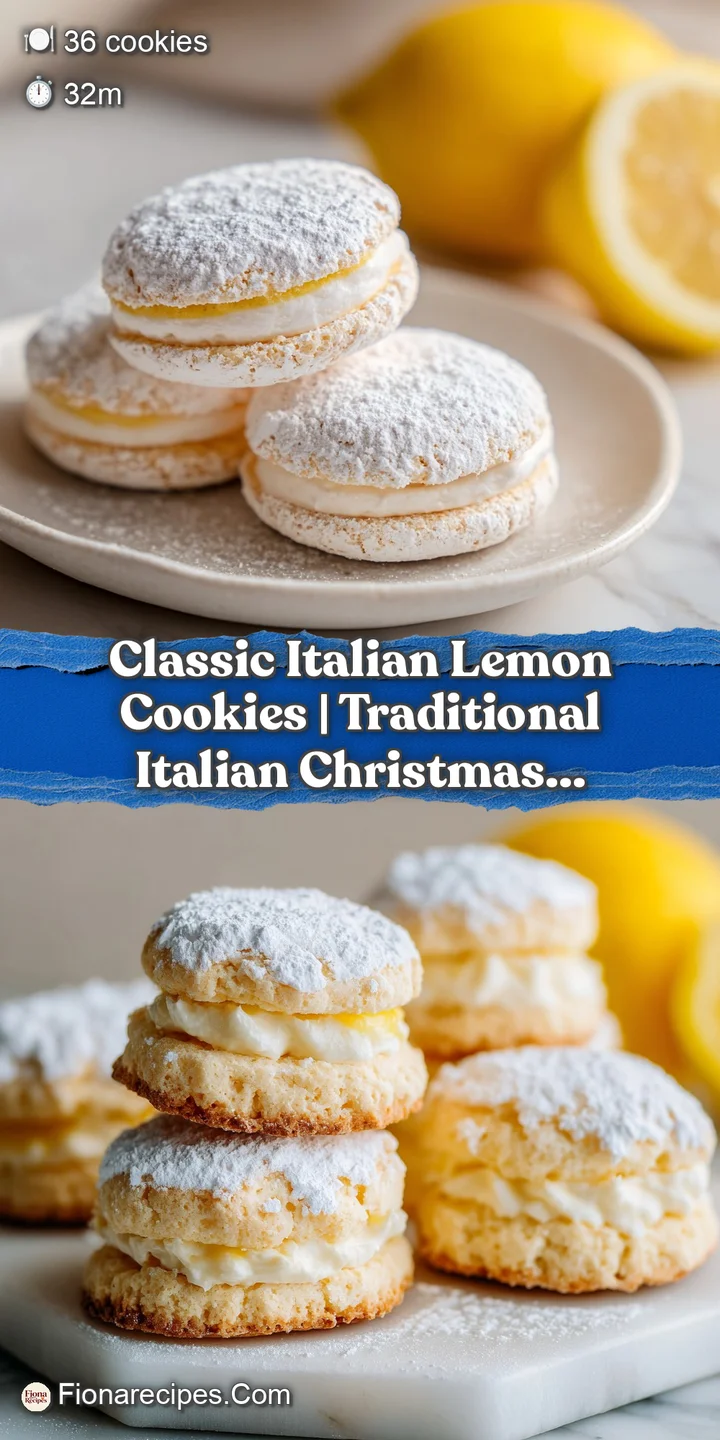
If you love the flavor profile of these but want a different texture, you might enjoy my Easy Meringue Cookies Recipe. While the Italian lemon cookies are dense and cake like, meringues offer that airy, shatter crisp experience that pairs beautifully on a dessert platter.
Debunking Cookie Myths
One common myth is that you must use "00" flour for authentic Italian cookies. While "00" is great for pasta and pizza, it’s actually too fine for these cookies and can result in a gummy texture. Standard all purpose flour has the right protein content to give these cookies their signature bite.
Another misconception is that the glaze is just for looks. In reality, the glaze acts as a moisture seal. Because these cookies have a sponge like interior, they can dry out quickly. The thick lemon glaze creates a barrier that keeps the internal moisture locked in, which is why they stay fresh for up to a week.
Preserving Texture and Glaze Structural Integrity
Proper storage is the difference between a cookie you crave all year and one that ends up in the bin after two days.
Storage: Keep these in an airtight container at room temperature for up to 5 days. Do not refrigerate them! The humidity in the fridge will cause the glaze to become sticky and eventually dissolve into the cookie.
If you live in a very humid climate, place a piece of parchment paper between the layers to prevent them from sticking together.
Freezing: You can freeze the unglazed cookies for up to 3 months. To serve, thaw them at room temperature and then apply the fresh glaze. I don't recommend freezing glazed cookies, as the icing can become "pitted" and lose its shine during the thawing process.
Zero Waste Tip: Don't throw away your spent lemon halves! After zesting and juicing, toss the rinds into a jar of white vinegar. After two weeks, you'll have a natural, lemon scented cleaning spray that smells better than anything you can buy at the store.
Optimal Pairings for Bright Citrus Flavors
These cookies are a staple for a reason they play well with so many other flavors. In an Italian household, you’ll often see these served alongside a bitter espresso. The sharp, dark notes of the coffee cut through the sweet glaze and highlight the floral notes of the lemon zest.
If you're serving these at a summer brunch, they pair beautifully with a chilled Prosecco or even a tart lemon curd. For a more decadent dessert spread, try serving them with my Southern Banana Pudding. The creaminess of the pudding provides a lovely textural contrast to the soft baked cookie and the crunch of the nonpareils.
For a holiday twist, you can swap the lemon for orange zest and add a pinch of cinnamon to the dough. The method remains exactly the same, but the flavor profile shifts to something warm and wintry. No matter how you serve them, the key is the texture.
As long as you follow the 12 minute rule and the sugar rubbing technique, you'll have a cookie that people will be asking for at every single gathering.
Recipe FAQs
What is the most famous Italian cookie?
The lemon glazed riccioli or lemon drop cookie is incredibly iconic. While many varieties exist, this bright, soft lemon version is a staple in Italian bakeries year round.
What are lemon Italian cookies called?
They are often referred to as lemon knots or Italian lemon drops. These specific cookies are cherished for their tender crumb and vibrant citrus glaze.
Is it true Taylor Swift has a secret cookie recipe for lemon cookies?
No, this is a common misconception. There is no official record of a specific Taylor Swift lemon cookie recipe, though these traditional lemon zest cookies often become a "crave worthy" favorite in any home kitchen.
What is the secret to soft Italian cookies?
The secret is avoiding over baking and ensuring a proper fat-to-liquid emulsion. By pulling them at 10-12 minutes while the tops are still pale, you ensure a cake like interior. If you mastered the importance of fat emulsification here, you can apply that same structural logic to our creamy pasta sauce to prevent breaking.
How to keep these cookies from becoming dry?
Allow the cookies to rest for 5 minutes on the baking sheet before transferring to a wire rack. Moving them too quickly can cause them to crumble, and letting them cool slowly helps lock in the moisture from the milk and butter.
How to get the most lemon flavor in the dough?
Rub the lemon zest directly into the granulated sugar with your fingertips. This mechanical action releases the essential oils from the zest into the sugar, ensuring the citrus flavor permeates the entire cookie rather than just sitting on the surface.
How to achieve a smooth, lump free glaze?
Sift the confectioners' sugar before whisking it with the lemon juice. This simple step eliminates tiny sugar clumps, resulting in a professional, glossy finish that sets beautifully on your cookies.
Italian Lemon Cookies
Ingredients:
Instructions:
Nutrition Facts:
| Calories | 117 kcal |
|---|---|
| Protein | 1.9 g |
| Fat | 3.2 g |
| Carbs | 20.5 g |
| Fiber | 0.3 g |
| Sugar | 10.8 g |
| Sodium | 45 mg |
