Homemade Chicken Noodle Soup: 45-Minute Comfort
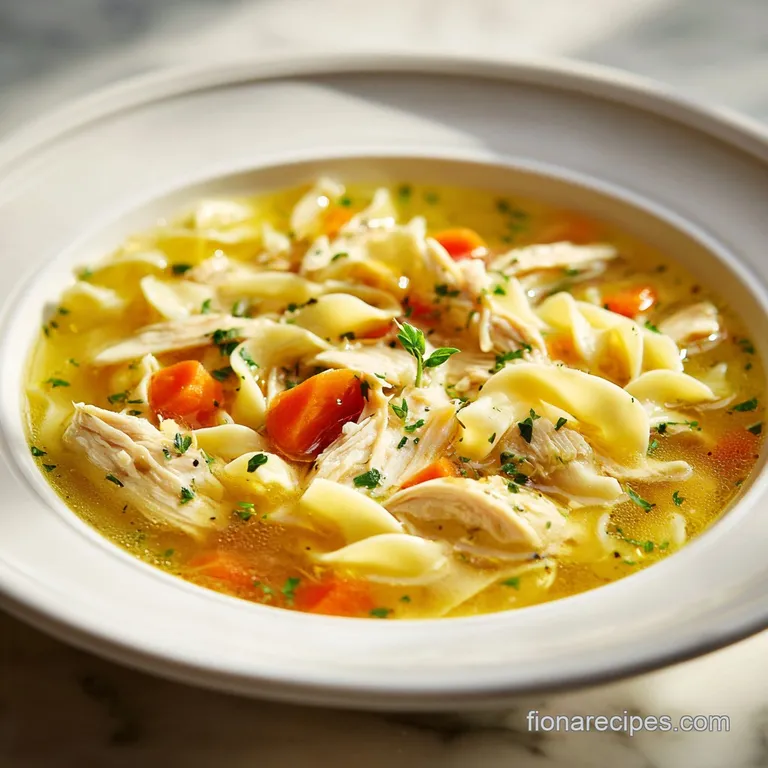
- Time: Active 15 mins, Passive 30 mins, Total 45 mins
- Flavor/Texture Hook: Savory broth with velvety noodles and bright citrus
- Perfect for: Quick weeknight dinners and soothing cold weather comfort
- The Secret to Making Best Homemade Chicken Noodle Soup
- Essential Stats for the Ultimate Comfort Meal
- Analyzing the Components of a Perfect Broth
- The Necessary Tools for a Seamless Cook
- Ingredient Deep Dive and Smart Substitutions
- Executing the Perfect Simmer and Noodle Finish
- Preventing Kitchen Mishaps for Clearer Broth
- Cooking for a Crowd or Two
- Debunking Traditional Soup Folklore
- Maximizing Shelf Life and Reducing Kitchen Waste
- Complementing the Soup with Savory Side Dishes
- High in Sodium
- Recipe FAQs
- 📝 Recipe Card
The Secret to Making Best Homemade Chicken Noodle Soup
The sound of butter hitting a hot heavy bottomed pot is the universal signal that something good is happening. I remember one Tuesday when the rain wouldn't stop and the whole house felt damp and gray.
I pulled out a leftover rotisserie chicken and started dicing carrots, and within ten minutes, the kitchen smelled like my grandmother's house that specific, sweet aroma of onions and celery softening in fat.
We often think that a truly comforting bowl requires a whole day of hovering over a simmering stockpot, but I've found that's just not true. This homemade chicken noodle soup relies on a few "cheats" that don't actually taste like shortcuts.
We use high-quality store-bought broth but fortify it with fresh aromatics and a final hit of lemon that wakes everything up. It is the culinary equivalent of turning on the lights in a dark room.
You'll find that the real magic happens in those first few minutes of sautéing. Getting the "mirepoix" that's just the fancy name for onions, carrots, and celery to the point where they are translucent and sweet sets the stage for everything else.
We're not looking for a hard sear or dark brown bits here; we want a gentle sizzle that coaxes the sugars out of the vegetables without burning the butter.
Essential Stats for the Ultimate Comfort Meal
Before we get our hands messy, let's look at how this dish stacks up. This soup is designed for efficiency without sacrificing that "simmered all day" feel. We are aiming for a clear, shimmering broth and noodles that still have a bit of bite.
| Cook Method | Time | Texture | Best For |
|---|---|---|---|
| Stovetop | 45 mins | Classic, firm noodles | Standard weeknight dinner |
| Crockpot | 4 hours | Very tender vegetables | Hands off weekend prep |
| Instant Pot | 35 mins | Deeply infused broth | Last minute meal emergencies |
The stovetop remains my absolute favorite because you have total control over the noodle texture. There is nothing worse than a noodle that has turned to mush because it sat in a slow cooker for ten minutes too long. By controlling the heat ourselves, we ensure every spoonful has a distinct, velvety texture.
Chef's Tip: To keep your broth crystal clear, never let it reach a violent, rolling boil. A gentle simmer where just a few bubbles break the surface every second prevents the fat and proteins from emulsifying, which is what usually makes soup look cloudy or "muddy."
Analyzing the Components of a Perfect Broth
The Physics of the Golden Shimmer
The secret to a rich mouthfeel in a quick soup is the interaction between the butter and the vegetable starches. Starch Gelatinization occurs when the small amount of starch from the vegetables and the noodles slightly thickens the broth, while the butter provides a "fat in-water" emulsion that carries flavor across your palate more effectively than water alone.
| Component | Science Role | Pro Secret |
|---|---|---|
| Unsalted Butter | Flavor Carrier | Sautéing aromatics in fat unlocks fat soluble flavor compounds |
| Fresh Lemon Juice | Acid Balance | Brightens heavy fats and cuts through the saltiness |
| Wide Egg Noodles | Starch Release | Adds body to the broth as they release surface starch |
When you add that splash of lemon juice at the very end, you aren't just adding "sourness." The acid actually interacts with your taste buds to make them more sensitive to the savory "umami" flavors in the chicken and broth. It’s like turning up the volume on the whole dish.
The Necessary Tools for a Seamless Cook
You don't need a kitchen full of gadgets for this, but a few specific items make the process much smoother. A heavy bottomed Dutch oven (like a Le Creuset or Lodge) is the gold standard here because it distributes heat evenly, preventing the onions from scorching in the corners.
For the vegetables, a sharp chef's knife is non negotiable. You want the carrots and celery to be roughly the same size so they cook at the same rate. I also highly recommend using a fine mesh strainer if you decide to go the extra mile and strain your broth, though for this rustic version, we keep all those lovely herb bits right in the bowl.
Ingredient Deep Dive and Smart Substitutions
This recipe uses simple ingredients, so quality matters. If you can find a "low sodium" broth, take it. It gives you the "steering wheel" for the salt levels, so you don't end up with a salt bomb by the time the liquid reduces slightly.
- 8 cups low sodium chicken broth: Why this? Provides the foundational savory base without over salting the final dish.
- 1 cup water: Why this? Accounts for evaporation during the simmer to keep the volume consistent.
- 2 cloves garlic, smashed: Why this? Smashed cloves infuse flavor gently without the risk of burning minced bits.
- 2 sprigs fresh thyme & 1 bay leaf: Why this? Adds earthy, floral notes that distinguish homemade from canned versions.
- 2 tbsp unsalted butter: Why this? Offers a richer, more velvety mouthfeel than olive oil in soups.
- 1 large yellow onion: Why this? Provides the essential sulfurous sweetness needed for a classic mirepoix.
- 3 large carrots & 2 stalks celery: Why this? The "holy trinity" of soup aromatics for texture and color.
- 4 cups shredded rotisserie chicken: Why this? A massive time saver that ensures the meat is perfectly tender.
- 6 oz (170g) wide egg noodles: Why this? These hold up better to reheating than thinner pasta shapes.
- 1 tbsp fresh lemon juice & 1/4 cup parsley: Why this? The "finishing touch" that adds visual pop and brightness.
| Original Ingredient | Substitute | Why It Works |
|---|---|---|
| Unsalted Butter | Olive Oil | Lighter flavor profile; dairy-free option. |
| Rotisserie Chicken | Leftover Roast Turkey | Similar texture; excellent for post holiday meals. |
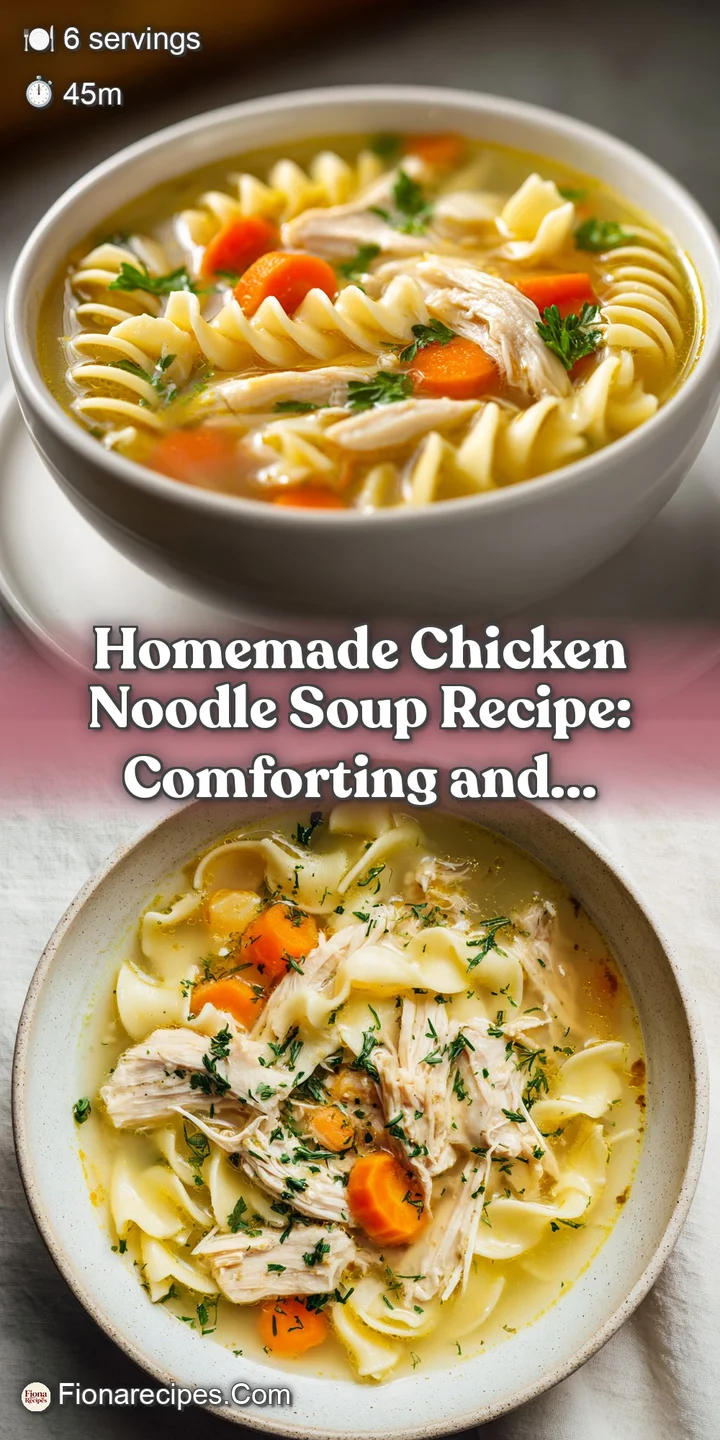
| Wide Egg Noodles | Dried Fusilli | Holds onto the broth well. Note: Needs 2-3 extra mins. |
If you find yourself missing the noodles entirely, this soup pairs perfectly with a side of hearty grains, much like the technique used in our Vegetable Stir Fry recipe.
Executing the Perfect Simmer and Noodle Finish
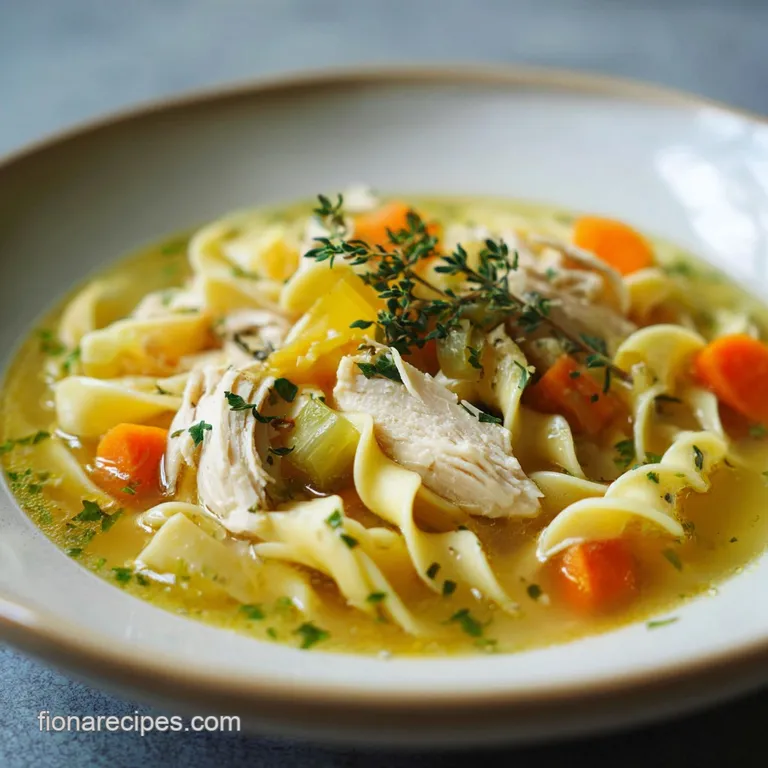
1. Building the Flavor Foundation
Melt the 2 tbsp unsalted butter in a large pot over medium heat. Add the diced yellow onion, carrots, and celery crescents. Sauté for about 6-8 minutes until the onions are translucent and the carrots slightly softened.
Note: Don't brown the vegetables; we want them sweet and tender, not caramelized.
2. Fortifying the Liquid Gold
Stir in the 2 smashed garlic cloves and cook for 1 minute until fragrant. Pour in the 8 cups of chicken broth and 1 cup of water. Add the thyme sprigs and the bay leaf.
3. Simmering for Depth
Bring the mixture to a gentle boil, then immediately reduce the heat to low. Cover the pot and simmer for 20 minutes. The aroma should be rich and herbaceous.
4. Seasoning Checkpoint
Stir in 1 tsp kosher salt and 1/2 tsp black pepper. Taste the broth now; it should taste seasoned but will deepen once the chicken is added.
5. Incorporating the Protein
Add the 4 cups of shredded rotisserie chicken to the pot. Stir gently to combine and let the chicken warm through for about 2 minutes.
6. Managing Noodle Integrity
Increase the heat slightly to a medium simmer and add the 6 oz (170g) of wide egg noodles. Cook for 7-9 minutes until the noodles are tender but still have a slight bite (al dente).
7. Refining the Finish
Remove the thyme sprigs and the bay leaf. Turn off the heat. This prevents the noodles from overcooking while you finish the seasoning.
8. The Final Brightness
Stir in the 1 tbsp of fresh lemon juice and the 1/4 cup of chopped parsley. The green color should pop against the golden broth.
9. Resting the Soup
Let the soup sit for 3 minutes before serving. This allows the flavors to settle and the noodles to absorb just a touch more of the savory liquid.
10. Serving
Ladle into deep bowls, ensuring everyone gets plenty of chicken and carrots. Serve immediately while the steam is still rising.
Preventing Kitchen Mishaps for Clearer Broth
Why Your Noodles Are Mushy
Pasta continues to cook as long as it is in hot liquid. If you leave the noodles in the pot for an hour after cooking, they will absorb the broth and turn into a thick, paste like consistency.
| Problem | Root Cause | Solution |
|---|---|---|
| Bloated Noodles | Left in pot too long | Cook noodles separately if not serving immediately. |
| Cloudy Broth | Boiling too hard | Keep the heat at a low simmer, never a rolling boil. |
| Bland Flavor | Lack of acidity | Add an extra teaspoon of lemon juice or a dash of vinegar. |
Common Mistakes Checklist
- ✓ Never skip the sauté step; raw onions in broth taste sharp and unpleasant.
- ✓ Don't add the lemon juice too early; boiling citrus can make the broth taste bitter.
- ✓ Avoid over salting at the start; the broth concentrates as it simmers.
- ✓ Keep your vegetable cuts uniform so you don't end up with crunchy carrots and mushy celery.
- ✓ Use a rotisserie chicken that hasn't been heavily seasoned with BBQ or lemon pepper rubs to keep the flavor "classic."
Cooking for a Crowd or Two
Adjusting this homemade chicken noodle soup is quite simple, but pasta behavior changes when you scale.
Scaling Down (1/2 Batch): Use a smaller 3 liter pot. You can still use one whole egg noodle bag but only use half of it (3 oz). Reduce the simmering time by about 5 minutes as the smaller volume heats up and cooks through faster.
Scaling Up (Double Batch): You'll need a very large stockpot (8-10 liters). When doubling, only increase the salt and pepper to 1.5x initially, then taste. Large volumes of liquid don't always need a 1:1 salt increase.
Be sure to cook the noodles in batches or ensure the pot is large enough that the temperature doesn't drop too much when they are added.
If you find yourself with extra chicken and want a different vibe for tomorrow’s dinner, you might love the creamy texture of our Chicken Pot Pie Recipe.
Debunking Traditional Soup Folklore
"You must boil the chicken bones for 12 hours for health benefits." While long simmered bone broth is nutritious, a 30 minute simmer with fresh aromatics and quality store-bought broth provides plenty of minerals and comfort. You don't need to lose a whole day to get a "healthy" soup.
"Adding salt to the water makes the noodles cook faster." Salt is for flavor, not for speed. It would take a massive, unpalatable amount of salt to significantly raise the boiling point of water. Season your broth because it tastes better, not because you're in a rush.
"The noodles must be cooked in the broth." While cooking them in the broth adds flavor to the pasta, it also adds starch to the liquid. If you prefer a very clear, thin broth, cook the noodles in a separate pot of salted water and add them to the bowls just before serving.
Maximizing Shelf Life and Reducing Kitchen Waste
Storage Guidelines: Store leftovers in an airtight container in the fridge for up to 3-4 days. Note that the noodles will continue to soak up the broth. When reheating, you will likely need to add a splash of water or extra broth to return it to a "soupy" consistency.
Freezing: If you plan to freeze this, do it without the noodles. Freeze the broth, chicken, and vegetable mixture for up to 3 months. When you're ready to eat, thaw the soup, bring it to a simmer, and drop in fresh noodles.
Zero Waste Tip: Don't throw away those parsley stems or the onion skins! Keep a "scrap bag" in your freezer. When it's full, boil everything with water for an hour to make your own free vegetable base for future recipes.
You can even save the carcass from your rotisserie chicken to make a bone broth for the next time you crave this dish.
Complementing the Soup with Savory Side Dishes
While this is a meal on its own, a little something on the side never hurts. A crusty piece of sourdough is the classic choice for mopping up every last drop of that golden liquid. If you want something a bit fresher to balance the warmth, a crisp salad is the way to go.
For a Mediterranean twist, this soup pairs beautifully with the tangy flavors found in a Greek Salad with recipe. The feta and olives offer a sharp contrast to the mild, savory chicken. Alternatively, if you're serving a larger group, a side of cheesy bread or even a small portion of pasta, like the ones in this Stuffed Pasta Shells recipe, can turn a light lunch into a feast.
High in Sodium
1133 mg mg of sodium per serving (49% % of daily value)
The American Heart Association recommends limiting sodium intake to about 2,300mg per day for optimal health.
Sodium Reduction Tips for Chicken Noodle Soup
-
Broth Replacement-30%
Even 'low-sodium' broths can be high in sodium. Make your own sodium free broth, or use water with a touch of unsalted chicken bouillon for flavor.
-
Reduce Added Salt-25%
Eliminate or significantly reduce the added kosher salt. Taste the soup before adding any salt, as the rotisserie chicken and broth already contain sodium.
-
Control Chicken Sodium-25%
Rotisserie chicken is often high in sodium. Consider using homemade cooked chicken with no added salt or pre-seasoning to control the sodium levels.
-
Acid Boost-10%
Enhance the flavor with an extra squeeze of fresh lemon juice. Acidity brightens the flavors and can reduce the need for salt.
-
Spice It Up
Experiment with fresh herbs like rosemary, oregano, or marjoram, and spices like garlic powder, onion powder, or smoked paprika to boost flavor without adding sodium.
Recipe FAQs
What ingredients are essential for a deeply flavored homemade chicken noodle soup?
Aromatics, quality broth, and fresh acid. You need the mirepoix (onion, carrot, celery) sautéed in butter to build the flavor foundation, supplemented by good quality, low-sodium store-bought broth, and finished with fresh lemon juice for brightness.
What are common mistakes when making quick chicken soup that lead to blandness or poor texture?
No, you must avoid harsh boiling and late seasoning. Boiling too hard creates a cloudy broth by emulsifying fats, and adding acid (like lemon) too early makes the flavor bitter.
What is the secret ingredient that elevates simple chicken noodle soup from good to great?
Fresh lemon juice is the key brightener. It cuts through the richness of the broth and fat, waking up the savory umami flavors, similar to how acid balances the heavy cream in a rich sauce like our Marry Me Chicken recipe.
How to make your own soup from scratch using a rotisserie chicken for maximum efficiency?
Sauté aromatics, then combine broth, chicken, and simmer gently for 20 minutes. Use the rotisserie chicken shredded directly into the broth just before adding the noodles to ensure the meat stays tender and doesn't dry out during extended cooking.
How do I prevent the egg noodles from turning mushy if I plan to eat leftovers later?
Cook the noodles separately and add them only to individual bowls. Noodles absorb liquid rapidly; if you store them in the broth, they will swell and break down. If you must store them together, add extra liquid when reheating.
Should I skip browning the vegetables since I am using pre-cooked chicken?
No, do not skip the initial sauté of the mirepoix. This step softens the vegetables and coaxes out their natural sugars, providing a necessary aromatic base that pre-cooked chicken cannot replicate.
If I want a clearer broth, should I rinse the egg noodles before adding them to the simmering base?
No, do not rinse the noodles if you want body. Rinsing removes the surface starch which is vital for creating the velvety mouthfeel in the broth; a gentle simmer prevents cloudiness, not removing the starch.
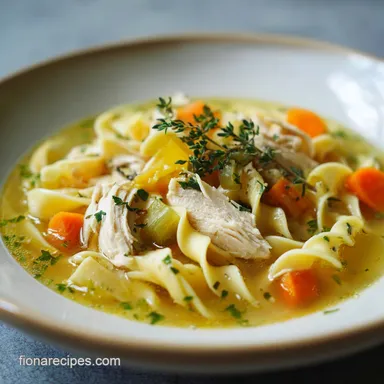
Homemade Chicken Noodle Soup
Ingredients:
Instructions:
Nutrition Facts:
| Calories | 327 kcal |
|---|---|
| Protein | 32 g |
| Fat | 9 g |
| Carbs | 25 g |
| Fiber | 3 g |
| Sugar | 5 g |
| Sodium | 1133 mg |
