Greek Roasted Potatoes: Crispy and Golden
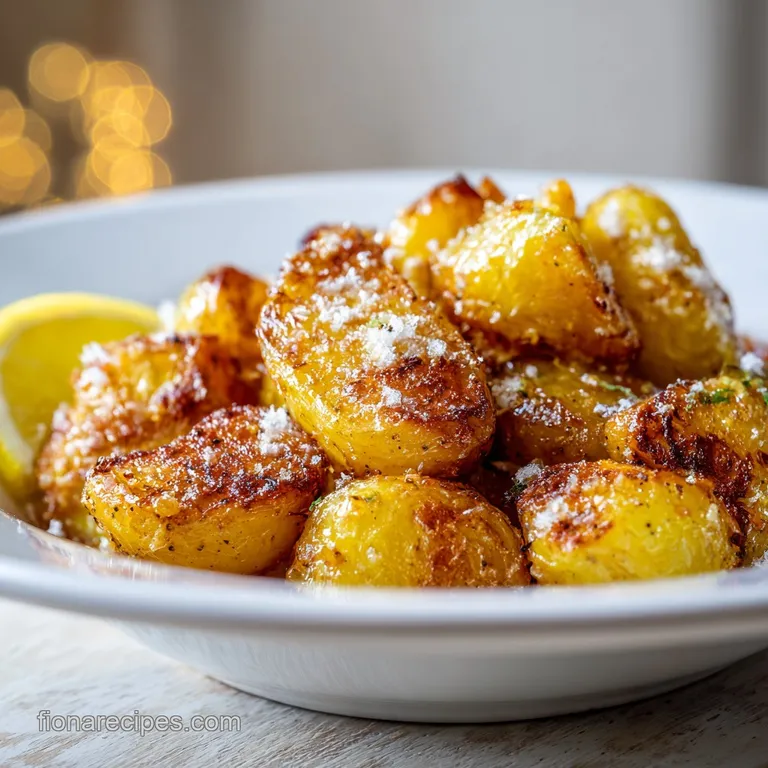
- Time: Active 15 minutes, Passive 50 minutes, Total 65 minutes
- Flavor/Texture Hook: Shatter crispy edges with a buttery, citrus soaked center
- Perfect for: Stress free family Sunday roasts or weeknight Mediterranean dinners
- Master the Ultimate Greek Roasted Potatoes
- How These Stay Creamy and Crispy
- Component Analysis and Ingredient Deep Dive
- The Best Essential Ingredients
- Required Kitchen Tools and Gear
- Step by Step Cooking Guide
- Fixing Common Roasting Mistakes
- How to Scale the Recipe
- Easy Dietary and Flavor Swaps
- Debunking Common Roasted Potato Myths
- Storage and Best Reheating Methods
- Serving and Garnish Ideas
- Recipe FAQs
- 📝 Recipe Card
Master the Ultimate Greek Roasted Potatoes
There is a specific sound that happens when you pull a pan of Greek Roasted Potatoes out of a hot oven. It’s not just a sizzle; it’s a rhythmic, aggressive crackling as the last of the lemon infused olive oil bubbles around the edges of the Yukon Golds.
The first time I made these, the aroma of toasted oregano and roasted garlic filled my entire apartment, and I knew I could never go back to plain old spuds. My kids, who usually pick at their vegetables, actually fought over the "crunchy bits" at the bottom of the pan.
That was the moment this dish became a permanent resident on our weekly rotation.
We’ve all had those dry, dusty roasted potatoes that feel like a chore to eat. These are the complete opposite. Because they sit in a bath of chicken stock and lemon juice while they cook, they essentially steam themselves into a state of creamy perfection before the heat of the oven fries the skins.
It is a total "set it and forget it" situation that delivers a result so good it feels like you spent hours hovering over the stove. Honestly, the hardest part is waiting the full 50 minutes for that liquid to disappear and the mahogany crust to form.
In this guide, we are going to walk through exactly how to get that restaurant style finish without any complex footwork. I’ve made every mistake possible from using the wrong potato to overcrowding the pan so you don't have to.
We are keeping it simple, hearty, and focused on real food that your family will actually ask for seconds of. Grab your vegetable peeler, and let’s get these in the oven.
How These Stay Creamy and Crispy
Dual Phase Cooking: The stock and lemon juice create a steam braise environment that softens the starches into a velvety texture before the liquid evaporates.
Liquid Absorption: As the potatoes cook, they act like sponges, pulling the salt, garlic, and acidity into their core rather than just having it sit on the surface.
Surface Starch Caramelization: Once the liquid is gone, the residual olive oil and potato starches fry against the hot pan to create that distinctive shatter crispy edge.
| Cooking Method | Total Time | Texture Result | Best For |
|---|---|---|---|
| Oven Roast | 65 minutes | Crispy exterior, creamy core | Classic Sunday dinners |
| Air Fryer | 35 minutes | Ultra crunchy, less infused | Quick weeknight snacks |
| Stovetop | 30 minutes | Soft and browned, less deep flavor | Small side portions |
Choosing the right method depends on how much time you have. While the air fryer is fast, the oven method is the only way to get that deep, braised flavor that makes Greek Roasted Potatoes so famous. The long roast allows the garlic to mellow and the lemon to concentrate into something truly special.
Component Analysis and Ingredient Deep Dive
| Ingredient | Science Role | Pro Secret |
|---|---|---|
| Yukon Gold Potatoes | High starch but holds shape | Peel them to allow the braising liquid to penetrate the flesh faster |
| Chicken Stock | Provides moisture for braising | Use a low sodium version so you can control the final saltiness yourself |
| Lemon Juice | Breaks down pectin for tenderness | Always use fresh squeezed; bottled juice lacks the bright volatile oils |
| Extra Virgin Olive Oil | Conducts heat for frying | Don't skimp; this is what creates the "fried" texture at the end |
The interaction between the acid in the lemon and the starch in the potato is what keeps them from turning into mush. The acid actually strengthens the pectin in the potato cell walls, allowing them to hold that perfect wedge shape even after an hour in a 400°F oven.
The Best Essential Ingredients
- 3 lbs Yukon Gold potatoes: These are the gold standard for Greek Roasted Potatoes because they have a naturally buttery flavor and a texture that stays creamy. Why this? They provide the best balance of starch and moisture for braising.
- Substitute: Russet potatoes (Will be fluffier/drier, but still good).
- 0.5 cup extra virgin olive oil: Use the good stuff if you can. Why this? It provides the fat needed to crisp the potatoes once the liquid evaporates.
- Substitute: Avocado oil (Higher smoke point, but less traditional flavor).
- 0.5 cup chicken stock: This is the braising liquid. Why this? Adds more depth and savory "umami" than plain water.
- Substitute: Vegetable stock or water with a bouillon cube.
- 0.33 cup freshly squeezed lemon juice: The heart of the flavor. Why this? Provides the necessary acidity to balance the heavy oil and starch.
- Substitute: White wine vinegar (Use only 1/4 cup as it is sharper).
- 5 cloves garlic, minced: Don't use the jarred stuff here! Why this? Fresh garlic roasts into a sweet, mellow topping.
- Substitute: 1.5 tsp garlic powder (Add to the liquid mix).
- 1.5 tbsp dried Greek oregano: This is the signature herb. Why this? Dried oregano stands up to high heat better than fresh.
- Substitute: Dried marjoram or Italian seasoning blend.
- 1 tsp fine sea salt: Essential for drawing out flavor.
- Substitute: Kosher salt (Use 1.5 tsp).
- 0.5 tsp cracked black pepper: For a little background heat.
- 0.25 tsp smoked paprika: My "secret" addition for color. Why this? It gives the potatoes a gorgeous mahogany hue without being spicy.
- Substitute: Regular sweet paprika.
- 2 tbsp fresh parsley, chopped: For a pop of color and freshness at the end.
- 1 lemon, cut into wedges: For serving.
- 2 oz feta cheese, crumbled (optional): For a salty, creamy garnish.
Required Kitchen Tools and Gear
You don't need a lot of fancy gadgets for this, but the right pan makes a huge difference. I always reach for a large 9x13 inch roasting pan. You want something with relatively high sides to hold the liquid, but enough surface area so the potatoes aren't piled three layers deep.
If they are too crowded, they will just steam and never get that crispy finish.
A good, sharp vegetable peeler is also a must. I prefer the Y shaped ones because they are easier on the wrists when you're working through 3 lbs of potatoes. You'll also need a small mixing bowl and a sturdy whisk to emulsify the olive oil and lemon juice before pouring it over the spuds.
This ensures that every single wedge gets an even coating of all those aromatics.
step-by-step Cooking Guide
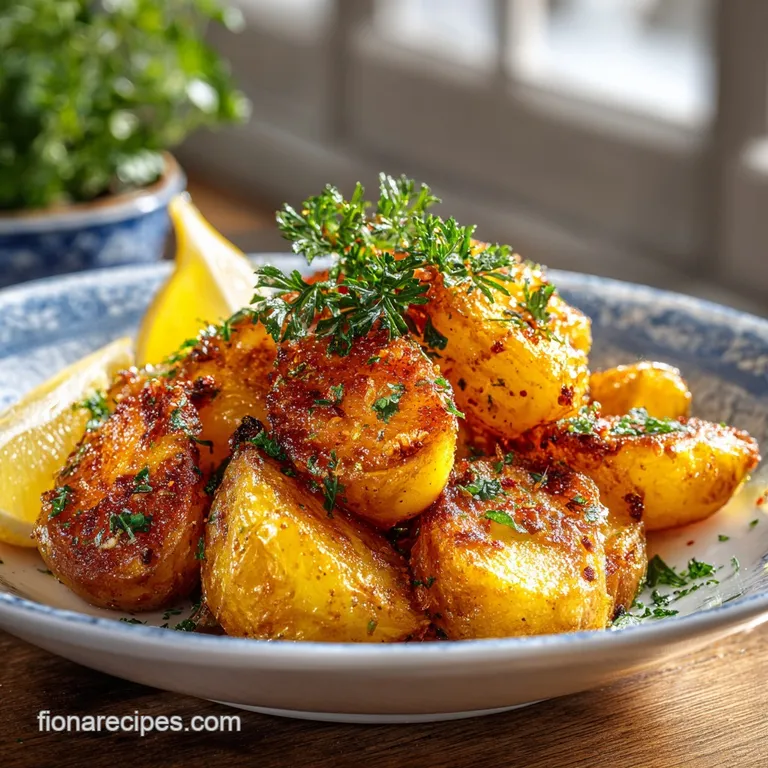
- Preheat your oven to 400°F (200°C). Peel the Yukon Gold potatoes and slice them into uniform thick wedges (6-8 per potato) to ensure even cooking. Note: Keeping them uniform prevents small pieces from burning while large ones stay raw.
- Place the potato wedges directly into a large 9x13 inch roasting pan.
- In a small mixing bowl, whisk together the extra virgin olive oil, chicken stock, lemon juice, minced garlic, half of the dried oregano, sea salt, black pepper, and smoked paprika.
- Pour the liquid mixture over the potatoes and toss thoroughly by hand or with a spoon to ensure every wedge is coated.
- Roast in the oven for 50 minutes, until the liquid has been absorbed and the potatoes are mahogany brown and crispy on the edges.
- Garnish with the remaining dried oregano, fresh parsley, and optional feta cheese before serving with extra lemon wedges.
If you find that you're making these for a larger group, you might be tempted to just pile more potatoes in. But what about the sogginess? We'll get to that. Just remember that the air needs to circulate around the potatoes to crisp them up. If you're doubling the recipe, use two pans! For another comforting potato dish that's a bit more indulgent, you might like my Million Dollar Mashed Potatoes for your next holiday meal.
Fixing Common Roasting Mistakes
One of the biggest issues people run into with Greek Roasted Potatoes is that they come out "mushy." This usually happens because the oven temperature wasn't quite high enough, or the liquid didn't evaporate fully.
If you hit the 50 minute mark and there is still a lot of broth in the pan, don't be afraid to leave them in for another 5-10 minutes. The magic happens in those final few minutes when the water is gone and the oil takes over.
Why Your Potatoes Are Soggy
This is usually caused by overcrowding. If the potatoes are overlapping too much, the steam gets trapped between them, preventing the edges from ever reaching that "shatter" stage. Spread them out!
Also, make sure you aren't using a pan that is too deep; a standard roasting pan or even a large rimmed baking sheet works best.
Why the Garlic Burned
If your garlic tastes bitter, it’s likely because it was minced too finely and sat on top of the potatoes where it was exposed to direct heat. Tossing the potatoes halfway through the cooking time can help submerge the garlic back into the oil and liquid, keeping it from scorching.
| Problem | Root Cause | Solution |
|---|---|---|
| Potatoes sticking | Not enough oil or pan wasn't clean | Use a non stick pan or ensure the oil to liquid ratio is correct |
| Too salty | Stock was high sodium | Use low sodium stock and taste the liquid before pouring |
| No "crunch" | Liquid didn't evaporate | Roast for an extra 10 minutes or increase heat to 425°F at the end |
Common Mistakes Checklist
- ✓ Pat the potatoes dry with a towel after peeling if they are very wet (helps oil stick).
- ✓ Ensure the oven is fully preheated to 400°F before the pan goes in.
- ✓ Don't cover the pan with foil; we want the moisture to escape, not stay trapped.
- ✓ Use a metal pan rather than glass if possible; metal conducts heat more efficiently for browning.
- ✓ Give the pan a good shake halfway through to flip some of the wedges.
How to Scale the Recipe
If you need to scale this recipe down (for 2-3 people), use 1.5 lbs of potatoes and keep the liquid ratios roughly the same, but reduce the chicken stock by about 20%. Since there are fewer potatoes to absorb the liquid, you don't want them swimming too long.
Use a smaller 8x8 inch pan to keep the liquid depth consistent.
When scaling up (for 12 people), use 6 lbs of potatoes and double all ingredients. Critical Note: You must use two separate roasting pans. If you try to fit 6 lbs of potatoes into one 9x13 pan, you will end up with mashed potatoes instead of roasted ones.
Rotate the pans between the top and bottom racks halfway through to ensure even browning.
If you're looking for a main dish that can scale right along with these potatoes, my Garlic Butter Baked Chicken is a fantastic companion that also cooks at a similar temperature, making oven management a breeze.
Easy Dietary and Flavor Swaps
This dish is naturally gluten-free, which makes it a winner for almost any dinner party. But you can easily tweak it to fit other needs.
| Original Ingredient | Substitute | Why It Works |
|---|---|---|
| Chicken Stock | Vegetable Broth | Makes the dish 100% vegetarian/vegan. |
| Feta Cheese | Marinated Tofu | Provides a similar salty "punch" for vegan versions. |
| Dried Oregano | Fresh Rosemary | Changes the flavor profile to a more "Woodland" roast style. |
If you want a bit of a kick, you can add a half teaspoon of red pepper flakes to the liquid mixture. It won't make it "spicy" in the traditional sense, but it adds a lovely warmth that plays well with the lemon.
For a more "Mediterranean Lemon Potatoes" vibe, some people like to add a tablespoon of Dijon mustard to the whisked liquid. It helps emulsify the oil and adds a sharp, tangy bite.
Debunking Common Roasted Potato Myths
One myth I hear all the time is that you must parboil potatoes before roasting them to get them soft. While that works for some recipes, it’s totally unnecessary here.
The "braise" phase of this recipe where the potatoes sit in the lemon and stock does the job of parboiling while simultaneously injecting flavor into the center of the potato. Save yourself the extra pot and the extra step!
Another misconception is that you should use "low-fat" alternatives for the olive oil. Trust me on this: do not do that. The fat is what creates the texture. Without enough oil, the potatoes will just be dry and shriveled.
We are using real food here, and the olive oil is a healthy, heart stable fat that is essential to the authentic Greek experience.
Finally, some people think you should add the garlic at the very end so it doesn't burn. While burnt garlic is bad, raw garlic is also not the goal. By whisking it into the oil and stock, the garlic "confits" in the fat as the liquid evaporates, becoming sweet and buttery rather than acrid.
Storage and Best Reheating Methods
If you happen to have leftovers which is rare in my house they store beautifully. Keep them in an airtight container in the fridge for up to 4 days. Whatever you do, don't use the microwave to reheat them. It will turn that beautiful crispy crust into a soggy, rubbery mess.
Instead, throw them back into a 400°F oven or an air fryer for 5-8 minutes until they sizzle again.
For a "Zero Waste" tip: if you have a few straggler potatoes left, chop them up and toss them into a pan with some eggs the next morning for a killer breakfast hash. The lemon and oregano flavor carries over perfectly into a Mediterranean style omelet.
You can also freeze these for up to 2 months, though they will lose some of their crispness. Reheat frozen potatoes directly from the freezer in a hot oven until heated through.
Serving and Garnish Ideas
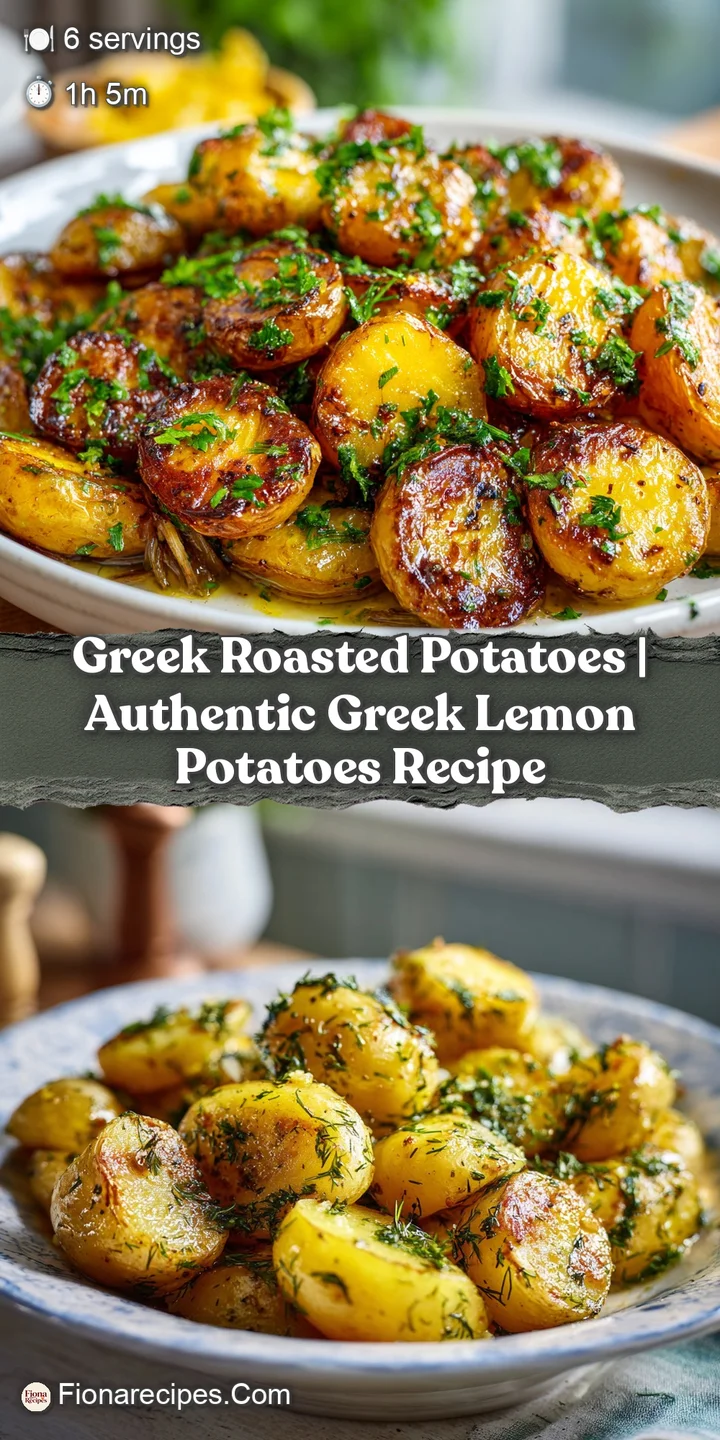
Presentation is everything with a dish this rustic. I love to serve these family style right out of the roasting pan, but if I’m feeling fancy, I’ll pile them onto a large wooden platter. The contrast between the dark, mahogany potatoes and the bright green parsley is stunning.
Don't forget the extra lemon wedges on the side; a fresh squeeze of cold juice over the hot potatoes right before eating is a total game changer.
If you’re wondering what to serve these with, think about flavors that love lemon. They are the natural partner for roasted lamb, grilled chicken, or even a simple pan seared sea bass. If you have some extra feta, go heavy on the garnish!
The way the cheese slightly softens against the heat of the potatoes creates a creamy, salty sauce that is absolutely addictive. Right then, I think you're ready to head to the kitchen. Let’s crack on and get those potatoes roasting!
Recipe FAQs
What are Greek potatoes?
They are Yukon Gold wedges slow roasted in a flavorful liquid emulsion. The combination of extra virgin olive oil, chicken stock, lemon juice, and garlic creates a unique braising effect that results in tender interiors and mahogany brown, crispy edges.
What is the secret ingredient in Greek potatoes?
The secret is the chicken stock. When combined with olive oil and lemon juice, it creates a savory braising liquid that seasons the potatoes deeply while they roast.
What's the secret to the best Greek potatoes?
Use a metal roasting pan and avoid foil. Metal conducts heat much better than glass to achieve a crispy exterior, and leaving the pan uncovered allows the steam to escape, which is essential for texture. If you enjoyed the importance of pan material here, the same heat conductivity logic applies to our hearty shepherd's pie.
What are Greek roasted potatoes called?
They are traditionally known as Patates Riganates. The name directly translates to "oregano potatoes," highlighting the primary herb used in the dish.
How to ensure the potatoes don't get soggy?
Keep the pan uncovered during the entire 50-minute roasting time. If you cover the pan, the moisture will trap inside and prevent the potatoes from developing that signature crispy crust.
How to reheat leftovers properly?
Place them in a 400°F oven or air fryer for 5-8 minutes. Avoid the microwave entirely, as it will destroy the crispy edges and make the potatoes rubbery.
How to keep the wedges from breaking apart?
Cut the Yukon Gold potatoes into uniform, thick wedges. Since Yukon Golds have a medium starch content, they hold their shape well during the 50-minute roasting process if they aren't sliced too thin.
Greek Lemon Roasted Potatoes
Ingredients:
Instructions:
Nutrition Facts:
| Calories | 358 kcal |
|---|---|
| Protein | 4.8 g |
| Fat | 18.6 g |
| Carbs | 41.8 g |
| Fiber | 5.2 g |
| Sugar | 2.1 g |
| Sodium | 492 mg |
