Greek Salad with Chicken Recipe
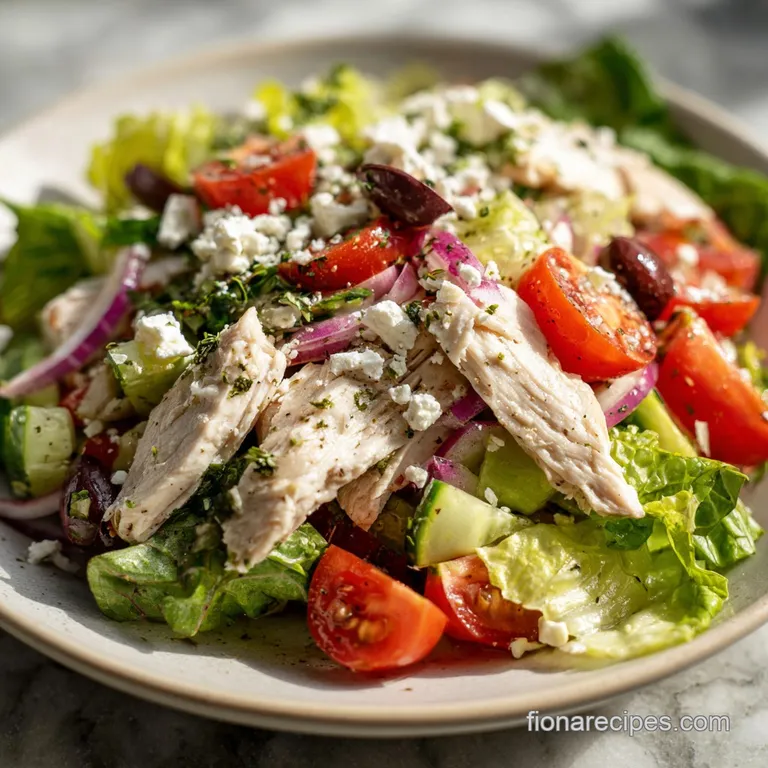
- Time: Active 20 minutes, Passive 10 mins, Total 30 minutes
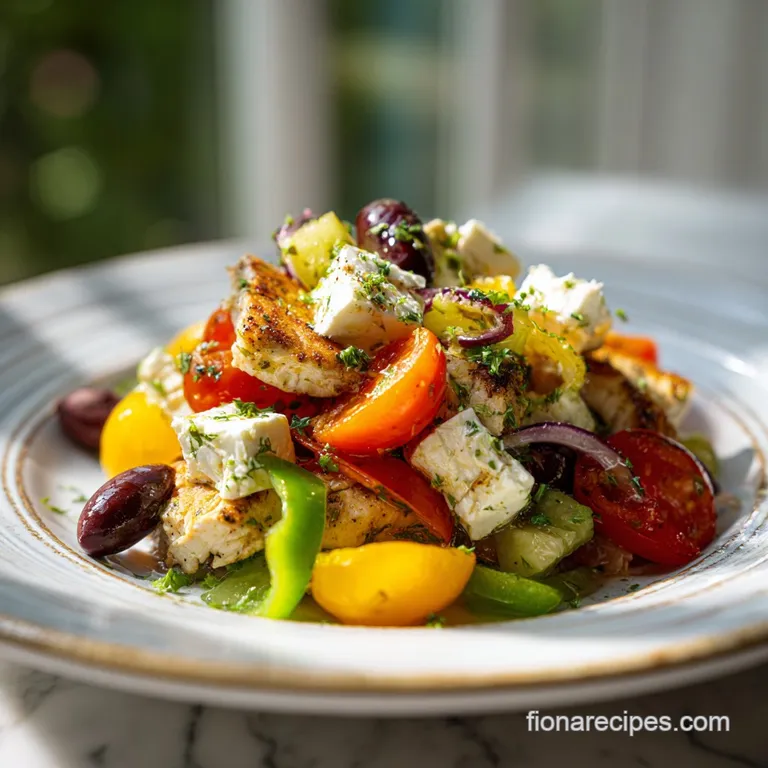
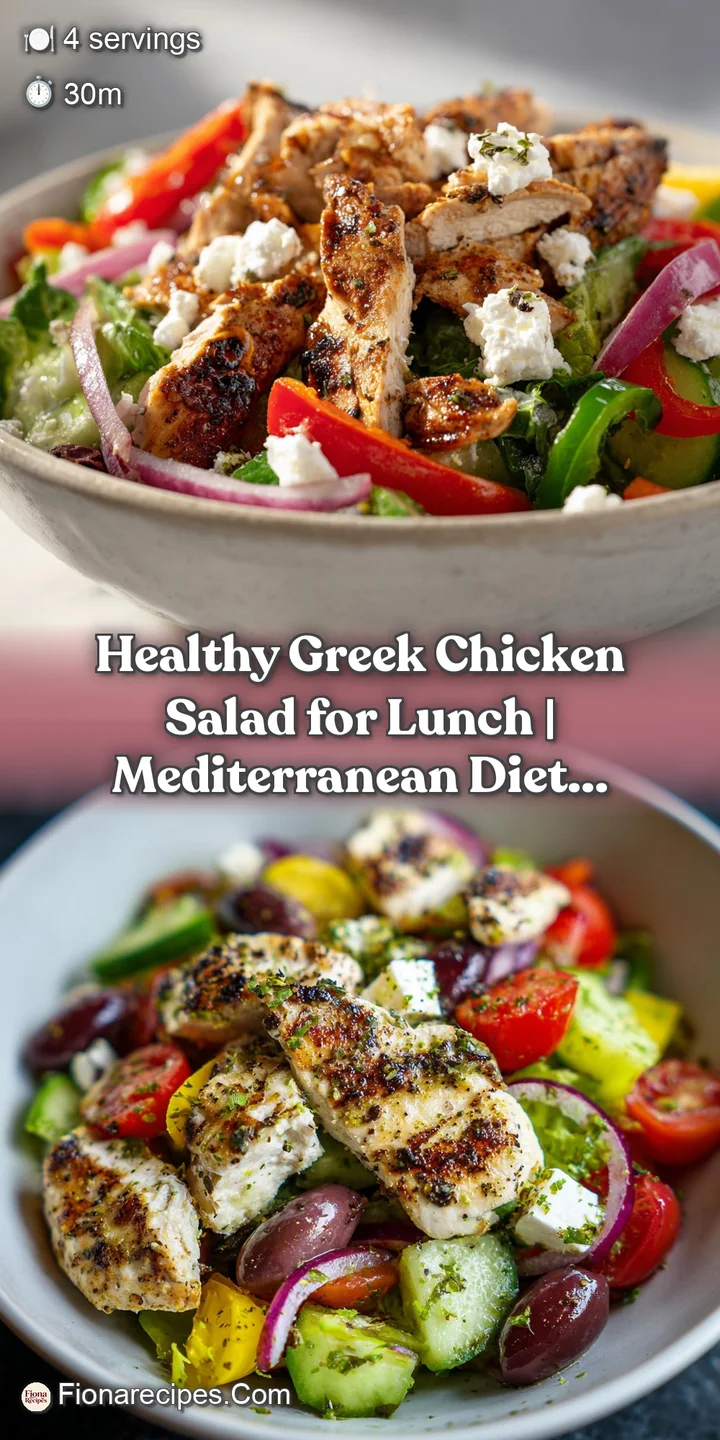
- Flavor/Texture Hook: Tangy, salty feta paired with the satisfying shatter of crisp English cucumbers and charred chicken.
- Perfect for: Stress free weeknight family dinners or high protein meal prep.
- Science Behind the Vibrant Flavors
- Component Analysis for Peak Freshness
- The Essential Elements You Need
- Simple Gear for Better Results
- Crucial Steps for the Best Flavor
- Solving Your Common Cooking Problems
- Troubleshooting Common Issues
- Scaling for Different Family Sizes
- Flavor Twists and Healthy Swaps
- Misconceptions About Greek Cooking
- Storage and Smart Kitchen Tips
- Side Dishes to Serve Along
- Very High in Sodium
- Recipe FAQs
- 📝 Recipe Card
Science Behind the Vibrant Flavors
Acidic Tenderization: The lemon juice in the marinade breaks down the tough protein fibers in the chicken breasts, allowing the olive oil and garlic to penetrate deeper into the meat for a juicier result.
Emulsion Stability: Using Dijon mustard in the vinaigrette acts as an emulsifier, binding the oil and vinegar together so the dressing coats every vegetable surface instead of sliding off.
Osmotic Pressure Control: Halving the cherry tomatoes and slicing the cucumbers thinly increases surface area, allowing the vinaigrette to draw out just enough vegetable juice to blend with the dressing without making the whole bowl soggy.
| Cooking Method | Cook Time | Texture Outcome | Best For |
|---|---|---|---|
| Stovetop Skillet | 8-10 mins | Golden, charred crust | Maximum flavor and speed |
| oven-roasted | 15-18 mins | Evenly tender, moist | Hands off bulk cooking |
| Outdoor Grill | 10-12 mins | Smoky and firm | Summer gatherings |
Choosing your cooking method depends on how much time you have. While the stovetop gives you that beautiful brown sear we love, roasting at 400°F (200°C) is great if you're trying to multitask with the kids. Personally, I stick to the skillet because that direct heat makes the oregano bloom and smell fantastic. If you're looking for other quick poultry ideas, you might also enjoy this Chicken Caesar Wrap recipe for lunch tomorrow.
Component Analysis for Peak Freshness
| Ingredient | Science Role | Pro Secret |
|---|---|---|
| Fresh Lemon Juice | Denatures proteins | Use freshly squeezed only; bottled juice loses the bright citrus oils that make the chicken pop. |
| English Cucumber | Provides structural crunch | Keep the skin on for extra fiber and a vibrant green color that won't turn mushy. |
| Feta Cheese | Adds fat and salinity | Buy the block in brine and crumble it yourself to keep the creamy, velvety texture intact. |
| Red Wine Vinegar | Brightens heavy fats | Let the sliced red onions soak in the vinegar for 5 minutes to remove their harsh "bite." |
The Essential Elements You Need
- 1.5 lbs boneless skinless chicken breasts: Pounded to 1/2 inch thickness. Why this? Even thickness ensures the meat cooks through at the exact same time.
- 3 tbsp extra virgin olive oil: For the marinade. Why this? It carries the fat soluble flavors of the oregano into the meat.
- 2 tbsp fresh lemon juice: The primary acid for the chicken.
- 3 cloves garlic, minced: Adds a savory, pungent depth.
- 1 tbsp dried Greek oregano: More concentrated than fresh for over high heat cooking.
- 0.5 tsp kosher salt: Enhances all other flavor profiles.
- 0.5 tsp cracked black pepper: Provides a subtle, lingering heat.
- 1 large English cucumber: Halved and sliced.
- 1 pint cherry tomatoes: Halved to release their juices.
- 1 small red onion: Thinly sliced for a sharp contrast.
- 1 green bell pepper: Chopped into 1 inch pieces for a bitter sweet crunch.
- 0.5 cup pitted Kalamata olives: Adds a rich, briny finish.
- 6 oz block Feta cheese: Crumbled right before serving.
- 0.25 cup extra virgin olive oil: For the vinaigrette.
- 2 tbsp red wine vinegar: Provides a different fruity acidity than lemon.
- 1 tsp Dijon mustard: Keeps the dressing from separating.
- 1 tsp dried oregano: For that classic Mediterranean aroma.
- 1 pinch sea salt: To season the raw vegetables.
For the chicken, I've found that using a bit of Greek yogurt in the marinade (about 2 tablespoons) can make it even softer, similar to the technique used in my Garlic Parmesan Chicken recipe. But if you want to keep it light and dairy-free until the feta hits the plate, the lemon and oil method is the way to go.
Simple Gear for Better Results
You don't need a professional kitchen for this, but a few basics help. A heavy bottomed skillet, like a cast iron pan, is the best tool for getting that sear on the chicken. It holds heat so well that the meat won't just steam in its own juices.
You'll also want a large mixing bowl to toss the salad without losing half the tomatoes over the side.
A sharp chef's knife is non negotiable here. Slicing through tomato skins and thin onions is dangerous with a dull blade. If you have a meat mallet for pounding the chicken, that's great, but honestly, a heavy rolling pin or even the bottom of a small saucepan works just as well in a pinch.
Crucial Steps for the Best Flavor
- Prep the chicken. Place the 1.5 lbs of chicken breasts between two sheets of plastic wrap and pound them to a consistent 1/2 inch thickness. Note: This prevents the thin ends from drying out while the center cooks.
- Marinate the meat. In a shallow dish, whisk together 3 tbsp olive oil, 2 tbsp lemon juice, 3 cloves minced garlic, 1 tbsp oregano, salt, and pepper. Add the chicken and coat thoroughly.
- Chill and soak. Let the chicken sit for at least 15 minutes. Until the meat looks slightly opaque on the edges from the acid.
- Sear the chicken. Heat a large skillet over medium high heat. Add the chicken and cook for 4-5 minutes per side. Until the surface is golden brown and a thermometer reads 165°F (74°C).
- Rest the meat. Move the chicken to a cutting board. Note: Resting for 5 minutes allows the juices to redistribute so they don't leak out when sliced.
- Chop the veg. While the chicken rests, slice the English cucumber, halve the cherry tomatoes, and chop the green pepper and red onion.
- Whisk the dressing. In a small jar, combine 0.25 cup olive oil, 2 tbsp red wine vinegar, 1 tsp Dijon, 1 tsp oregano, and a pinch of salt. Shake vigorously until the liquid is thick and opaque.
- Combine the base. In your large bowl, toss the cucumbers, tomatoes, onion, pepper, and olives with the dressing.
- Slice and add. Cut the rested chicken into bite sized strips or cubes.
- Final assembly. Top the vegetable mixture with the warm chicken and crumble the 6 oz of feta over the top just before serving.
Solving Your Common Cooking Problems
Troubleshooting Common Issues
| Issue | Solution |
|---|---|
| Why Your Chicken Is Dry | Usually, this happens because the chicken was uneven in thickness or cooked too long. Pounding the meat to a flat 1/2 inch is the best way to avoid this. Also, remember that carry over cooking is real |
| Why Your Salad Is Watery | Cucumbers and tomatoes have high water content. If you salt the salad too early and let it sit for an hour, the salt will draw all that water out. To keep it crisp, only toss the vegetables with the d |
| Why the Feta Is Mushy | If you use pre crumbled feta, it often has anti caking agents that affect the texture. If you use a block but toss it too vigorously with the heavy chicken and dressing, it will break down into a past |
Scaling for Different Family Sizes
If you're cooking for a crowd (2x or 4x the recipe), work in batches for the chicken. If you crowd the pan with 3 lbs of meat, the temperature will drop, and the chicken will boil in its own liquid instead of searing.
For the dressing, you don't need to double the salt or spices exactly; start with 1.5x and taste as you go.
For a smaller meal (half recipe), use a smaller bowl so the dressing doesn't just coat the sides of the container. If you have half an egg left over from another recipe, you don't need it here, but you can certainly use half a block of feta and save the rest in its brine.
| Servings | Chicken Amount | Veggie Prep | Total Time |
|---|---|---|---|
| 2 People | 0.75 lbs | Half cucumber/onion | 25 minutes |
| 4 People | 1.5 lbs | Full recipe specs | 30 minutes |
| 8 People | 3.0 lbs | Double veg, work in batches | 45 minutes |
Flavor Twists and Healthy Swaps
If you want to change things up, try swapping the chicken for grilled shrimp or even chickpeas for a vegetarian version. If you're watching your sodium, you can reduce the olives and feta and add extra lemon zest to the dressing to keep that "zing" without the extra salt.
If someone in the family isn't a fan of raw onions, you can quickly pickle them. Just toss the sliced onions with a bit of sugar and the red wine vinegar from the recipe for about 10 minutes before adding them to the bowl. It turns them bright pink and much sweeter!
Misconceptions About Greek Cooking
A big myth is that "fresh is always better" for herbs. In many Mediterranean dishes, dried oregano is actually preferred because it has a more intense, savory flavor that stands up better to high heat and acidic dressings. Fresh oregano can sometimes turn bitter when seared.
Another one is that Greek salad must have lettuce. A traditional "Horiatiki" (village salad) actually doesn't use greens at all. It's all about the chunks of cucumber, tomato, and feta. Adding chicken makes it a full meal, but don't feel like you have to bulk it out with romaine unless you really want to.
Storage and Smart Kitchen Tips
Storage: This salad is best eaten fresh, but the chicken and dressing will last in the fridge for up to 3 days. Keep the chopped vegetables in a separate container from the dressing to prevent them from getting soggy.
If you have leftover assembled salad, it’s still good the next day, though the cucumbers will be softer.
Freezing: You can freeze the raw chicken in the marinade for up to 2 months. This is a huge time saver! Just thaw it in the fridge overnight and it's ready to hit the pan. Do not freeze the vegetables or the feta, as the texture will be completely ruined.
Zero Waste: Don't throw away those herb stems or lemon rinds! I throw spent lemon halves into the water I'm using to steam veggies later, and I save the stems from the garlic to toss into a freezer bag for future soup stocks.
If you have leftover feta brine, use it as a marinade for pork chops; it’s a total game changer for moisture.
Side Dishes to Serve Along
This salad is pretty much a complete meal on its own, but if you have a very hungry house, some warm pita bread is essential for scooping up the leftover dressing and feta crumbles at the bottom of the bowl. A side of roasted lemon potatoes or a simple bowl of hummus also pairs beautifully.
If you're looking for more inspiration, I often rotate this with my best chicken salad recipe when I have leftovers from a Sunday roast. It keeps the kitchen cool and everyone's bellies full without a ton of effort. Trust me, once you get the hang of this balance, you'll be making it every single week. It's just that easy.
Very High in Sodium
1280 mg mg of sodium per serving (56% of daily value)
The American Heart Association recommends limiting sodium intake to about 2,300mg per day for overall health.
Easy Tips to Reduce Sodium in Your Greek Chicken Salad
-
Reduce Feta Cheese-20%
Feta cheese is a significant source of sodium. Use half the amount of feta, or substitute with a lower sodium cheese like fresh mozzarella or ricotta salata.
-
Halve the Olives-15%
Kalamata olives contribute a substantial amount of sodium. Use half the amount of olives or rinse them thoroughly before adding to remove excess salt.
-
Cut Back on Salt-15%
Reduce the amount of kosher salt used in the chicken marinade and salad dressing by half or eliminate it completely. Taste and adjust seasonings as needed, after cooking or preparing.
-
Enhance with Lemon-10%
Increase the amount of fresh lemon juice in the chicken marinade and red wine vinegar in the salad dressing. The added acidity will help brighten the flavors and compensate for the reduced salt.
-
Go Big on Herbs
Use generous amounts of dried Greek oregano and fresh herbs like parsley, dill, or mint to boost the flavor of the chicken and salad without adding sodium.
Recipe FAQs
Can you put chicken in Greek salad?
Yes, absolutely. Adding grilled or pan-seared chicken transforms the traditional Horiatiki into a complete, protein packed main course.
What are the essential ingredients on a traditional Greek salad (without chicken)?
Tomatoes, cucumbers, red onion, bell pepper, Kalamata olives, and block feta cheese. The dressing relies on good quality olive oil and red wine vinegar, often seasoned with dried oregano.
What is the Jennifer Aniston salad that people talk about?
It is generally a variation of a Mediterranean grain bowl or salad. While recipes vary, it famously includes grains (like quinoa), chickpeas, and fresh vegetables, focusing on bright, healthy ingredients similar to this chicken salad.
What is the difference between a Mediterranean salad and a Greek salad?
Greek salad is specific; Mediterranean salad is broad. A Greek salad has fixed core components (feta, specific vegetables, no lettuce), whereas a Mediterranean salad uses ingredients from the entire region, often including legumes, grains, or different types of herbs.
How do I keep the cucumbers and tomatoes from making the salad soggy?
Avoid salting the vegetables too early. Wait until just before serving to combine the vegetables, dressing, and chicken, as salt draws water out through osmotic pressure.
How should I cook the chicken for optimal texture in this cold salad?
Sear the chicken quickly on high heat until the internal temperature reaches 165°F (74°C). Ensure the meat rests for five minutes before slicing so the juices redistribute, keeping the final bites tender rather than dry.
Is it true that the feta should never be crumbled?
No, that's a common misconception for Americanized versions. While traditional Greek salads feature large, thick slabs, crumbling the feta yourself (rather than buying pre-crumbled) ensures a creamier texture that coats the vegetables better than dry crumbles.
Greek Chicken Salad In 30 Min
Ingredients:
Instructions:
Nutrition Facts:
| Calories | 668 kcal |
|---|---|
| Protein | 56g |
| Fat | 42g |
| Carbs | 13g |
| Fiber | 3g |
| Sugar | 5g |
| Sodium | 1280mg |
