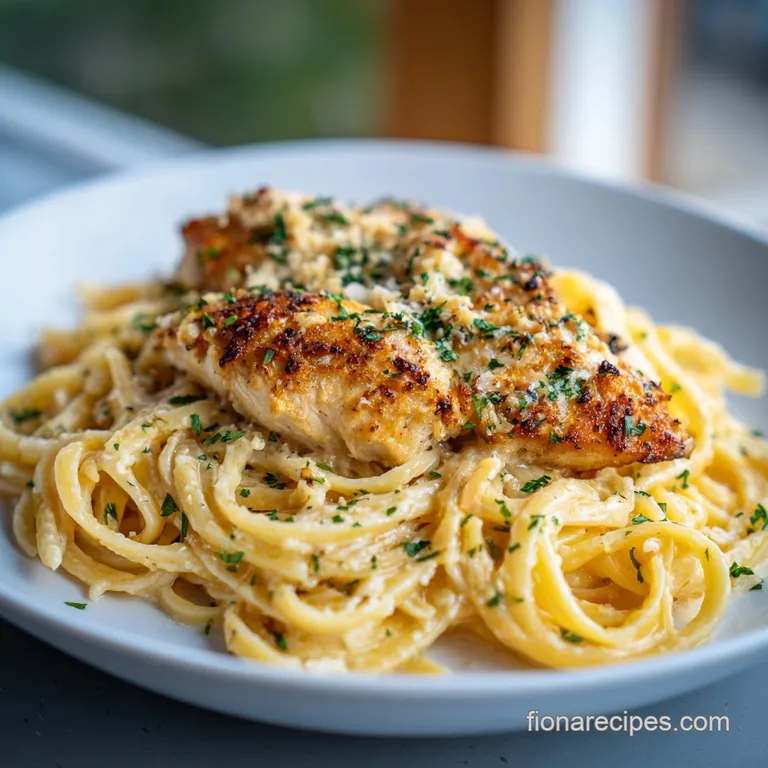
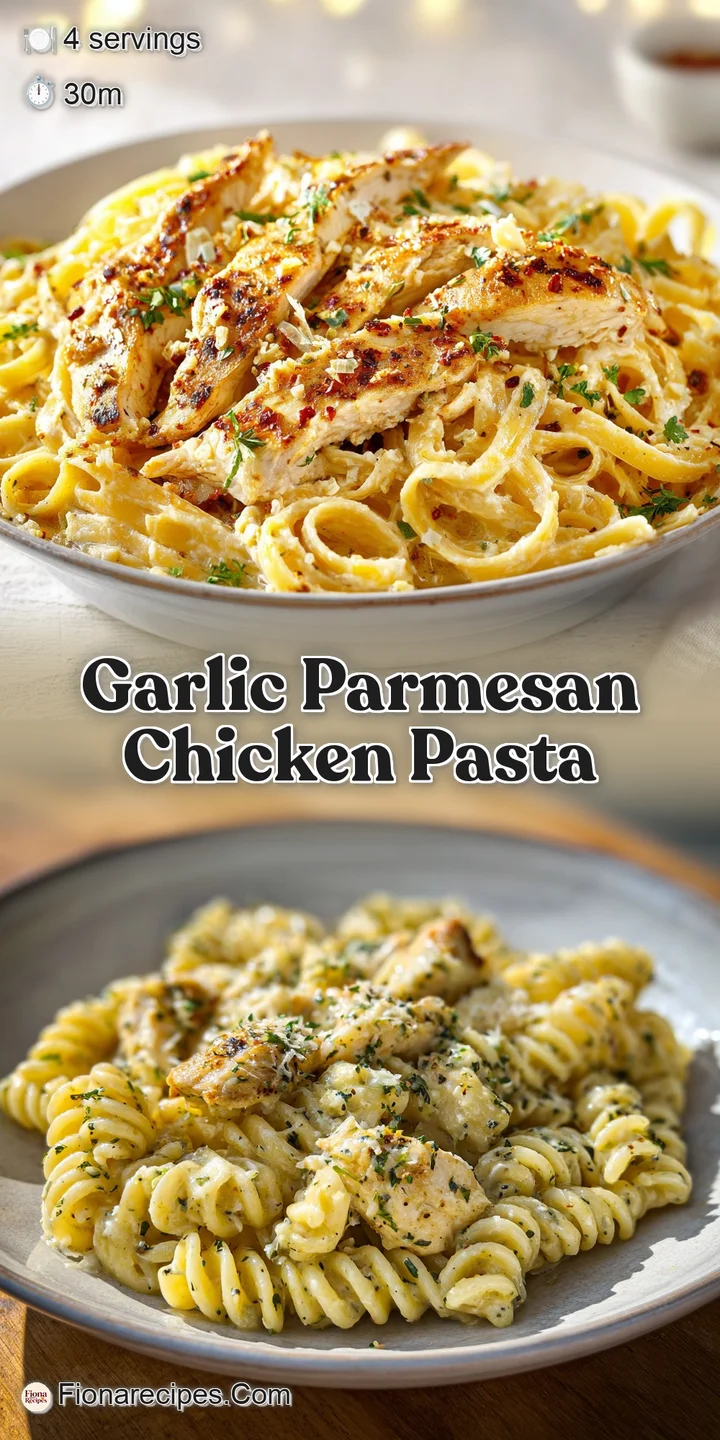
Garlic Parmesan Chicken Pasta: Velvety & Rich
- Time: Active 10 mins, Passive 20 mins, Total 30 mins
- Flavor/Texture Hook: Silky, garlic forward cream sauce with golden, pan seared chicken
- Perfect for: Stress free family dinners or a quick midweek comfort fix
- Why This Garlic Parmesan Chicken Pasta Recipe Works
- Key Metrics for a Balanced Pasta Dish
- Selecting Your Ingredients for Optimal Flavor
- Essential Tools for a Simple Kitchen Setup
- Mastering the Step by Step Cooking Process
- Avoiding Common Mistakes for Silky Sauce
- Creative Ways to Mix Your Flavor Profile
- Practical Guide for Freezing and Reheating
- Myths About Creamy Pasta
- How to Serve and Enjoy Your Meal
- Very High in Sodium
- Recipe FAQs
- 📝 Recipe Card
Why This Garlic Parmesan Chicken Pasta Recipe Works
The first time I attempted a cream based pasta, it was a literal greasy disaster. The oil separated, the cheese clumped into a sad, rubbery ball at the bottom of the pan, and the chicken was as dry as a desert.
I almost gave up on making these types of dishes at home until I realized that the secret isn't in fancy tools, but in the timing of the fats.
This specific method focuses on layering flavors in a single pan to keep things simple for busy parents. You get that satisfying sizzle when the chicken hits the hot olive oil, and the aroma of minced garlic filling the room is enough to bring the whole family into the kitchen before the timer even goes off.
It is real food that feels like a treat but doesn't require a culinary degree to pull off.
We are going for a texture that is purely velvety. By searing the chicken strips first and then building the sauce in the same pan, we pick up all those little browned bits the "fond" which adds a depth you just can't get from a jarred sauce.
It’s a reliable, kid approved win that has become a permanent fixture in my house.
The Physics of the Emulsified Slurry
Using starchy pasta water bonds the fatty cream and melted cheese into a cohesive, velvety sauce that clings to every noodle. This prevents the oil from separating and keeps the texture silky instead of greasy.
Chef Tip: Freeze your block of Parmesan for 10 minutes before grating. It makes the cheese firmer, allowing you to create tiny, airy shreds that melt instantly into the sauce without clumping.
| Chicken Thickness | Internal Temp | Rest Time | Visual Cue |
|---|---|---|---|
| 1 inch strips | 165°F (74°C) | 3 mins | Juices run clear and center is opaque |
| 0.5 inch medallions | 165°F (74°C) | 2 mins | Edges are golden brown and firm |
| 1.5 inch chunks | 165°F (74°C) | 5 mins | Exterior has a distinct crusty sear |
Key Metrics for a Balanced Pasta Dish
When we talk about dinner for four, we need to make sure the ratios are spot on so nobody leaves the table hungry. I’ve found that using 1.5 lbs of chicken is the sweet spot for making sure every bite of pasta actually has a piece of protein attached to it.
It’s also important to watch your pasta to sauce ratio; 12 oz of dried pasta is enough to soak up that 3/4 cup of heavy cream without the dish becoming a soup.
Cooking is often about these small numeric checkpoints. If you pull the chicken at the right temperature, it stays juicy. If you reserve exactly 1/2 cup of that cloudy pasta water, your sauce will have the perfect grip.
It’s these little details that turn a "fine" dinner into the one your kids ask for every single week.
| Component | Science Role | Pro Secret |
|---|---|---|
| Heavy Cream | Provides fat for a stable emulsion | Room temp cream prevents the sauce from breaking when hitting the pan |
| Parmesan Cheese | Adds salt and protein structure | Always grate from a block; pre shredded cheese has cellulose that prevents melting |
| Pasta Water | Acts as a binding agent | The starch acts like a bridge between the watery broth and the oily fats |
Selecting Your Ingredients for Optimal Flavor
I'm a big believer in using what you have, but a few specific choices really make this dish sing. For the chicken, I always go for 1.5 lbs of chicken breasts. They are lean and take on the flavor of the garlic powder and red pepper flakes beautifully.
If you're out of breasts, thighs work too, though they’ll need an extra minute or two in the pan to render the fat.
The cheese is the star here. You need 1 cup of freshly grated Parmesan cheese. Please, I’m begging you, skip the stuff in the green shaker can. That's for pizza night, not for building a velvety sauce.
Fresh Parmesan has the moisture content needed to melt into the 3/4 cup of heavy cream and 1 cup of chicken broth.
- 1.5 lbs chicken breasts: Sliced into 1 inch strips. Why this? Lean protein that sears quickly and stays tender in cream sauce.
- Substitute: Boneless chicken thighs for a juicier, fattier bite.
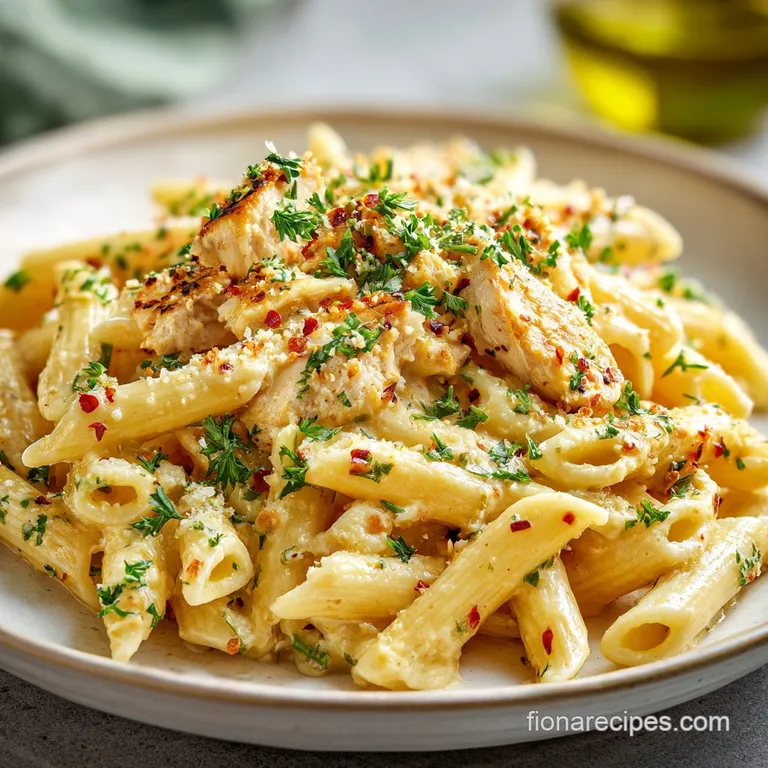
- 12 oz dried pasta: Penne or fettuccine work best. Why this? Shapes with ridges or surface area hold onto thick sauces better.
- Substitute: Rotini or even bowties for a kid friendly shape.
- 1 cup Parmesan cheese: Freshly grated. Why this? Provides the salt and "glue" for the creamy texture.
- Substitute: Pecorino Romano for a sharper, saltier kick.
- 4 cloves fresh garlic: Minced finely. Why this? Fresh garlic provides a punchy aroma that powder can't match.
- Substitute: 2 tsp garlic paste if you're in a massive hurry.
- 2 cups fresh baby spinach: Why this? Adds color and nutrients that wilt perfectly into the heat.
- Substitute: Chopped kale, but sauté it for 3 minutes longer.
| Original Ingredient | Substitute | Why It Works |
|---|---|---|
| Heavy Cream (3/4 cup) | Full fat Coconut Milk | Similar fat content. Note: Adds a slight tropical nutty flavor. |
| Chicken Broth (1 cup) | Vegetable Broth | Maintains liquid volume. Note: Slightly less savory depth. |
| Butter (2 tbsp) | Ghee or Margarine | Provides the necessary fat. Note: Ghee adds a toasted flavor. |
Essential Tools for a Simple Kitchen Setup
You don't need a kitchen full of gadgets to make this happen. A large, heavy bottomed skillet is your best friend here. It holds heat better than thin pans, which means your chicken gets a beautiful golden sear instead of just steaming in its own juices.
I personally use a 12 inch stainless steel pan because I love how it develops those browned bits on the bottom.
You’ll also need a large pot to boil your 12 oz of pasta. Make sure you have a colander ready, but don't forget the most important "tool" of all: a simple coffee mug. Use it to scoop out that 1/2 cup of pasta water before you drain the noodles.
It’s a mistake I made once and I've never forgotten since the sauce just isn't the same without it.
Chef Tip: Use a microplane or the finest side of your box grater for the Parmesan. The smaller the particles, the faster they incorporate into the cream, resulting in a sauce that is glass smooth.
Mastering the step-by-step Cooking Process
- Boil the pasta. Bring a large pot of salted water to a boil and cook 12 oz of dried pasta according to package directions. Cook until al dente as the pasta will finish cooking in the sauce later.
- Season the chicken. While the water boils, toss 1.5 lbs of chicken strips with 1 tsp salt, 1/2 tsp black pepper, and 1 tsp garlic powder. Note: Seasoning the meat directly ensures the flavor is locked in before searing.
- Sear the protein. Heat 2 tbsp olive oil and 2 tbsp butter in a large skillet over medium high heat. Add chicken and cook for 5-7 mins until golden brown and cooked through.
- Sauté the aromatics. Remove the chicken from the pan and set aside. In the same skillet, add 4 cloves of minced garlic and 1/2 tsp red pepper flakes. Sizzle for 1 minute until fragrant, but don't let the garlic burn.
- Deglaze the pan. Pour in 1 cup chicken broth, scraping the bottom of the pan with a wooden spoon to release the flavor. Note: Those browned bits are pure flavor gold.
- Simmer the base. Stir in 3/4 cup heavy cream. Let it simmer for 3-5 mins until the liquid reduces slightly and thickens.
- Emulsify the sauce. Lower the heat and whisk in 1 cup grated Parmesan cheese. Add 1/2 cup reserved pasta water and stir until the sauce is velvety and smooth.
- Combine the dish. Add the cooked pasta, the seared chicken, and 2 cups of fresh baby spinach to the skillet.
- The final wilt. Toss everything together for 2 mins until the spinach is wilted and the pasta is coated.
- Adjust and serve. If the sauce is too thick, add a splash more pasta water. Serve immediately while hot and glossy.
Avoiding Common Mistakes for Silky Sauce
The biggest heartbreak in the kitchen is a "broken" sauce where the fat separates and looks like curdled milk. This usually happens because the heat is too high when the cheese is added. I always tell people to turn the burner down to low, or even off, before the Parmesan hits the pan.
The residual heat is more than enough to melt it without shocking the proteins.
Another thing is the chicken. Don't crowd the pan! If you put all 1.5 lbs of chicken in at once and they are overlapping, they will release moisture and boil rather than sear. Work in two batches if your pan isn't big enough. That golden crust is where the flavor lives, so give each piece its own space to breathe.
Why Your Sauce Is Grainy
If your sauce feels gritty on the tongue, it’s usually because of the cheese. Pre shredded cheese is coated in potato starch or cellulose to keep it from sticking in the bag. These coatings don't melt; they just sit there and make your sauce sandy.
Always buy a wedge and grate it yourself for that professional finish.
| Problem | Root Cause | Solution |
|---|---|---|
| Sauce is too thin | Not enough reduction or missing pasta water | Simmer for 2 more mins or add a handful more cheese |
| Chicken is dry | Overcooked or heat was too low | Sear fast on high heat and remove as soon as it hits 165°F |
| Sauce is clumpy | Heat was too high when adding cheese | Remove from heat and whisk in a splash of warm broth |
Common Mistakes Checklist
- ✓ Pat the chicken strips dry with a paper towel before seasoning to ensure a crisp sear.
- ✓ Use a large enough pot for the pasta so the noodles don't stick together.
- ✓ Always save the pasta water before you dump the pot into the colander.
- ✓ Grate the Parmesan finely so it integrates into the cream quickly.
- ✓ Don't let the garlic turn dark brown; it becomes bitter and ruins the delicate cream.
Creative Ways to Mix Your Flavor Profile
Once you’ve mastered the basic Garlic Parmesan Chicken Pasta, you can start playing around with what’s in your pantry. If your kids aren't in the mood for Italian tonight, you might want to try my Ground Beef Tacos recipe for a different kind of quick comfort. But if you're sticking with pasta, try adding sun dried tomatoes or marinated artichokes for a Mediterranean twist.
For a lighter version, you can swap half the heavy cream for more chicken broth and a squeeze of fresh lemon juice. This gives it a "Piccata" vibe that is incredibly refreshing in the summer.
If you want a bit more crunch, toast some panko breadcrumbs with a little butter and sprinkle them over the top right before serving.
If you want a shortcut, do this:
- Use a Rotisserie Chicken: Skip the searing step and just shred 3 cups of pre cooked chicken into the sauce at the end.
- One Pot Method: Cook the pasta directly in the broth and cream, but you'll need to add about 1 extra cup of liquid.
- Veggie Power: Swap the chicken for sautéed mushrooms or roasted cauliflower for a meatless Monday win.
| Method | Time | Texture | Best For |
|---|---|---|---|
| Stove Top | 30 mins | Silky & Glossy | Fresh, quick weeknight dinner |
| Crock Pot | 4 hours | Thick & Hearty | Set and forget busy days |
| Pasta Bake | 45 mins | Bubbly & Golden | Making ahead for a crowd |
Practical Guide for Freezing and Reheating
Let's be real: pasta with cream sauce is always best the moment it leaves the pan. However, life happens and leftovers are a reality. If you're planning to freeze this, undercook the pasta by about 3 minutes. This way, when you reheat it, the noodles won't turn into mush.
Store it in an airtight container for up to 2 months.
When it comes to reheating, the microwave is usually the enemy of cream sauces because it zaps the moisture out and leaves you with a puddle of oil. Instead, put the leftovers in a small skillet over low heat. Add a tablespoon of milk or water and stir gently.
This helps the sauce "re emulsify" and return to its former velvety glory.
- Fridge
- Keeps well for up to 4 days.
- Freezer
- Best within 2 months.
- Zero Waste
- If you have leftover spinach stems or garlic ends, toss them into a freezer bag for your next batch of homemade chicken broth. Even the Parmesan rind can be tossed into a simmering soup to add incredible umami flavor!
Myths About Creamy Pasta
A common misconception is that you need a massive amount of heavy cream to make a sauce "creamy." In reality, the cream is just the vehicle. The real silkiness comes from the interaction between the melted cheese and the starchy pasta water.
You could use 2 cups of cream and still have a thin sauce if you don't have that starch and cheese working together.
Another myth is that you must rinse your pasta after cooking to keep it from sticking. Never do this! Rinsing washes away the very starch we need to make the sauce stick to the noodles. If you rinse your pasta, the sauce will just slide right off and pool at the bottom of the plate, leaving you with naked, sad noodles.
How to Serve and Enjoy Your Meal
Presentation is half the fun, even on a Tuesday night. I love serving this in wide, shallow bowls. It keeps the heat in while giving the sauce plenty of room to coat everything. Top each bowl with a fresh crack of black pepper and a little extra Parmesan.
If you have some fresh parsley or basil in the fridge, a quick chop adds a pop of green that makes the whole dish look like it came from a bistro.
This pasta is quite rich, so I usually pair it with a very simple side. A crisp arugula salad with a lemon vinaigrette is perfect because the acidity cuts right through the heaviness of the cream and cheese.
Or, if you’re leaning into the comfort food vibe, some garlic bread is never a bad idea to soak up every last drop of that sauce. Trust me, you won't want to leave a single bit in the bowl!
Very High in Sodium
1140 mg mg of sodium per serving (50% of daily value)
The American Heart Association recommends limiting sodium intake to about 2,300mg per day for optimal health.
Tips to Reduce Sodium
-
Broth Swap-30%
Replace the 1 cup of low-sodium chicken broth with no-salt added chicken broth. This simple swap significantly reduces the sodium content.
-
Parmesan Portion-15%
Reduce the amount of freshly grated Parmesan cheese from 1 cup to 1/2 cup. Parmesan cheese is naturally high in sodium; using less will help.
-
Salt Control-25%
Reduce the amount of kosher salt from 1 tsp to 1/2 tsp, or eliminate it entirely. Taste the dish before adding any salt.
-
Herb Power
Enhance the flavor of the dish with fresh herbs like basil, oregano, or thyme instead of relying on salt. These additions will boost flavor without adding sodium.
Recipe FAQs
Is it true that pre-shredded Parmesan cheese ruins the sauce texture?
Yes, it introduces grit. Pre-shredded cheese contains cellulose or potato starch to prevent clumping, but these ingredients don't melt properly and result in a grainy sauce.
How do I ensure the sauce stays velvety and doesn't separate?
Lower the heat significantly before adding cheese. Use the residual heat from the pan to melt the Parmesan slowly while incorporating the starchy pasta water, which acts as the primary emulsifier.
How to prevent the chicken from becoming dry during searing?
Sear strips quickly over medium high heat until 165°F. Do not crowd the pan; work in batches so the chicken browns rather than steams, which retains its internal moisture.
Why must I reserve pasta water before draining the noodles?
The starch in the water is crucial for binding. This cloudy liquid helps bridge the fat (cream) and the liquid base, creating a cohesive, clinging sauce instead of an oily separation.
How long is this dish safe to store in the refrigerator?
Up to four days in an airtight container. For best results when reheating, add a splash of milk or water and warm gently on the stovetop.
What is the best way to grate Parmesan for this recipe?
Freeze the block for 10 minutes, then use a microplane. This creates the finest, airiest shreds that incorporate instantly into the sauce without clumps.
Can I substitute the heavy cream with a lower fat alternative?
Yes, but texture will change. Swap half the heavy cream for chicken broth and add a squeeze of lemon juice for tang, though you will lose some of the inherent richness.
Garlic Parmesan Chicken Pasta
Ingredients:
Instructions:
Nutrition Facts:
| Calories | 947 kcal |
|---|---|
| Protein | 70.6 g |
| Fat | 41.4 g |
| Carbs | 68.2 g |
| Fiber | 3.1 g |
| Sugar | 3.8 g |
| Sodium | 1140 mg |
