Classic Tuna Melt Sandwich: Zesty and Crisp
- Time: Active 5 mins, Passive 5 mins, Total 10 mins
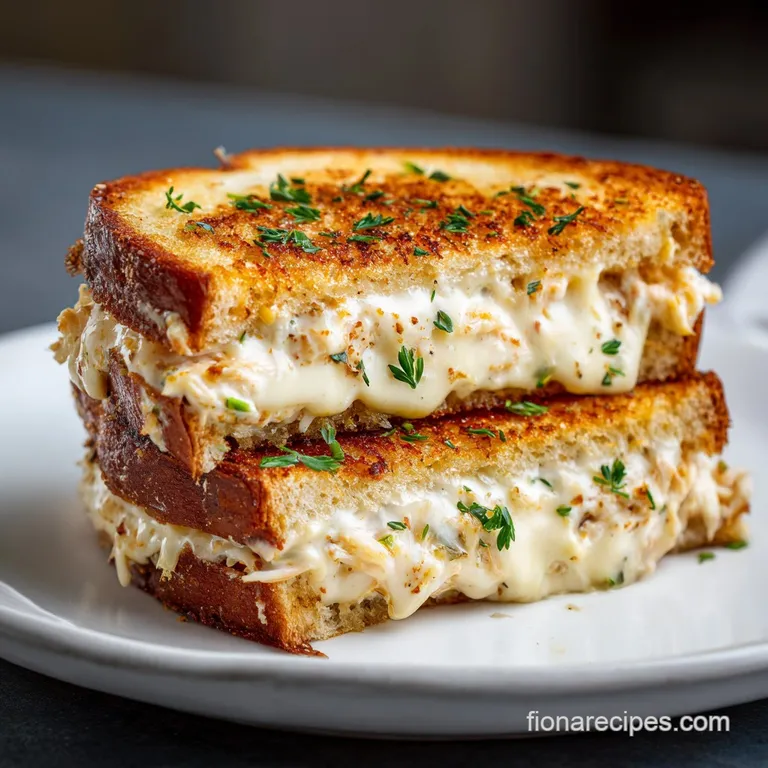
- Flavor/Texture Hook: Shatter crisp sourdough crust with a velvety, zesty tuna center
- Perfect for: Quick weeknight dinners or a high protein post workout meal
- Master the Art of the Classic Tuna Melt Sandwich
- The Physics of the Golden Crunch
- Analyzing the Foundation of the Melt
- Essential Components for a Hearty Fill
- Kitchen Tools Required for This Recipe
- The Simple Path to a Golden Finish
- Fixing Common Problems with Your Melt
- Adjusting for Crowds and Portions
- Debunking Kitchen Tales
- Saving Leftovers and Reducing Kitchen Waste
- What to Serve with Your Hot Sandwich
- HIGH in Sodium
- Recipe FAQs
- 📝 Recipe Card
Master the Art of the Classic Tuna Melt Sandwich
Picture this: it is a Tuesday evening, you're exhausted, and the fridge looks grim. Then you hear it. That specific, rhythmic sizzle as buttered sourdough hits a hot pan. The aroma of toasted grain and melting sharp cheddar starts to fill the kitchen, instantly making the day feel a little lighter.
I used to think of these as "sad desk lunches" until I realized the mistake most people make is ignoring the textures. A real deal melt should have a crust that practically shatters when you bite into it, giving way to a filling that is bright, herbaceous, and intensely savory.
I remember my first successful attempt at this. I had run out of mayonnaise and used Greek yogurt instead, fearing it would be a disaster. Honestly, I never went back. The tang of the yogurt cut through the richness of the tuna and cheese in a way mayo never could.
When my kids actually asked for seconds - and they usually treat fish like it's radioactive - I knew I'd stumbled onto something special. We're talking about real food that feels like a massive hug, made in less time than it takes to order a pizza.
This isn't just a sandwich; it's a lesson in balance. We've got the acid from the lemon, the crunch from the celery, and that deep, salty punch from the celery salt. It is brilliant in its simplicity, but the technique matters.
We are going to make sure that cheese is gooey and the bread is golden brown without any of that dreaded middle of-the sandwich sogginess. Trust me on this, once you try the sourdough yogurt combo, your old recipe will seem like a distant, bland memory.
The Physics of the Golden Crunch
Maillard Reaction Mastery: The protein in the Greek yogurt and the sugars in the sourdough react with the butter's heat to create a complex, nutty flavor profile and a rigid crust. This structural integrity prevents the tuna's moisture from migrating into the bread fibers, keeping the sandwich crisp.
Thermal Conductivity: Using a heavy skillet ensures even heat distribution, which allows the sharp white cheddar to reach its melting point at the exact same moment the bread reaches its peak golden hue. This synchronization is why we use room temperature butter rather than oil.
The Moisture Barrier: By placing the cheese slices directly against both pieces of bread, we create a fat based shield that protects the sourdough from the steam released by the tuna filling.
| Cooking Method | Time | Texture | Best For |
|---|---|---|---|
| Cast Iron Skillet | 5 mins | Shatter crisp and buttery | The gold standard for flavor |
| Air Fryer | 6 mins | Extremely dry and crunchy | Hands off cooking for one |
| Standard Oven | 8 mins | Soft melted and toasted | Making big batches for the family |
Choosing the right method depends on your mood, but if you want that diner style finish, the skillet is your best friend. It provides the most direct heat, which is essential for that beautiful color. If you are looking for more quick meal ideas, you might also enjoy my Classic Meatloaf Recipe for a different kind of comfort food.
Analyzing the Foundation of the Melt
| Ingredient | Science Role | Pro Secret |
|---|---|---|
| Albacore Tuna | Structural Protein | Drain it until bone dry to prevent a watery filling |
| Sourdough Bread | Complex Carbohydrate | Use day old bread; lower moisture means a better crunch |
| Sharp White Cheddar | Emulsified Fat | Grate it yourself for a smoother, less grainy melt |
| Greek Yogurt | Acidic Binder | Use full fat for the creamiest mouthfeel without the oiliness |
The interplay between these components is what prevents the sandwich from feeling "heavy." The acidity in the yogurt and lemon juice acts as a palate cleanser, making the last bite feel just as fresh as the first.
Essential Components for a Hearty Fill
To get that specific, high end deli flavor, we need to be picky about our base. This list is curated for maximum flavor impact while keeping the budget in check.
- 2 cans (142g each) solid white albacore in water: Drained thoroughly. Why this? Albacore has a firmer, meatier texture that holds up to the heat.
- 4 slices thick cut sourdough bread: About 1.5 cm thick. Why this? The sturdy structure and tangy flavor profile complement the tuna perfectly.
- 4 slices sharp white cheddar cheese: Roughly 28g per slice. Why this? It provides a bold punch that stands up to the lemon and onion.
- 3 tbsp (45g) Greek yogurt: Plain and unsweetened. Why this? A high protein, tangy substitute for mayo that keeps the filling light.
- 2 tbsp (20g) finely diced celery: For essential "snap."
- 1 tbsp (10g) minced red onion: Provides a sharp, aromatic bite.
- 1 tsp (5ml) fresh lemon juice: Brightens the entire flavor profile.
- 0.5 tsp lemon zest: Essential for a citrusy aroma.
- 1 tbsp chopped fresh parsley: Adds a clean, grassy finish.
- 1 tbsp (15g) unsalted butter: For that golden, stovetop sear.
- 0.5 tsp cracked black pepper: For a subtle, woody heat.
- 1 pinch celery salt: The "secret" ingredient for that classic deli taste.
- 1 tsp (5g) Dijon mustard: Adds a sophisticated depth and slight spice.
Kitchen Tools Required for This Recipe
You don't need a professional kitchen to pull off a classic tuna melt sandwich, but a few specific tools make the job much easier. I always reach for my cast iron skillet because it holds onto heat like nothing else, ensuring both sandwiches cook at the same rate.
If you don't have one, any heavy bottomed non stick pan will work.
You'll also need a sharp chef's knife for dicing that celery and onion - precision matters here because large chunks of onion can be overwhelming. A small offset spatula is my favorite tool for flipping, as it gets right under the bread without disturbing the melting cheese. Finally,, don't forget a fine mesh strainer.
Draining the tuna properly is the difference between a crisp sandwich and a soggy mess.
The Simple Path to a Golden Finish
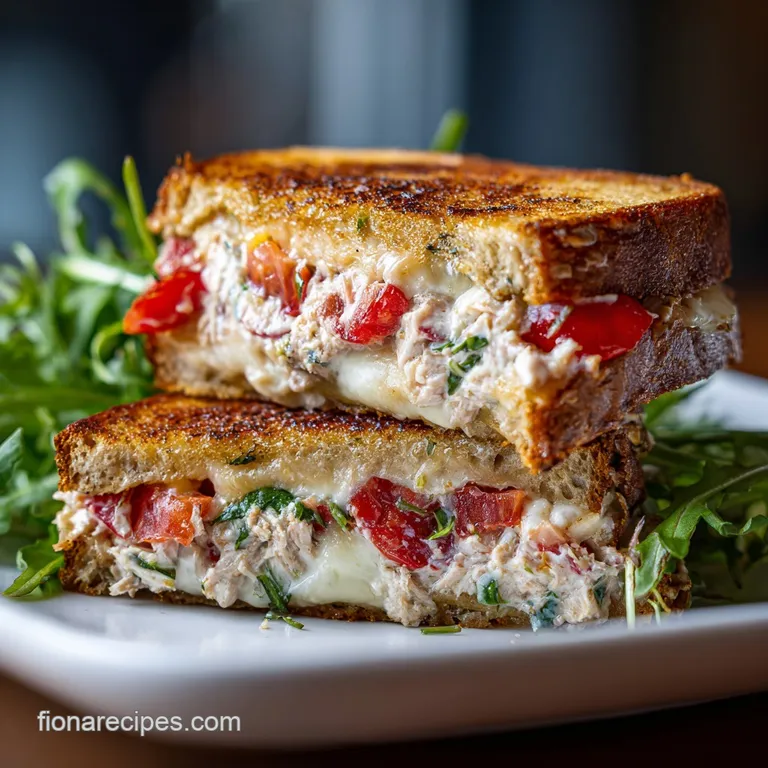
- Drain the tuna. Press the 284g of albacore into a fine mesh sieve until no more liquid drips out. Note: This is the most important step for a non soggy sandwich.
- Combine the base. In a medium bowl, mix the drained tuna, 45g Greek yogurt, 5g Dijon mustard, and 5ml lemon juice.
- Add the aromatics. Fold in the 20g diced celery, 10g minced red onion, 0.5g zest, and 1 tbsp parsley.
- Season the filling. Sprinkle in the 0.5 tsp pepper and the pinch of celery salt, stirring until the mixture is cohesive but still chunky.
- Butter the bread. Spread 15g of softened butter across one side of all 4 sourdough slices.
- Layer the bottom. Place 2 slices of bread, butter side down, in a cold skillet.
- Add the barrier. Top each slice in the pan with 1 slice of white cheddar.
- Heap the tuna. Divide the tuna mixture evenly over the cheese.
- Cap it off. Place the remaining cheese slices over the tuna, then top with the last 2 bread slices, butter side up.
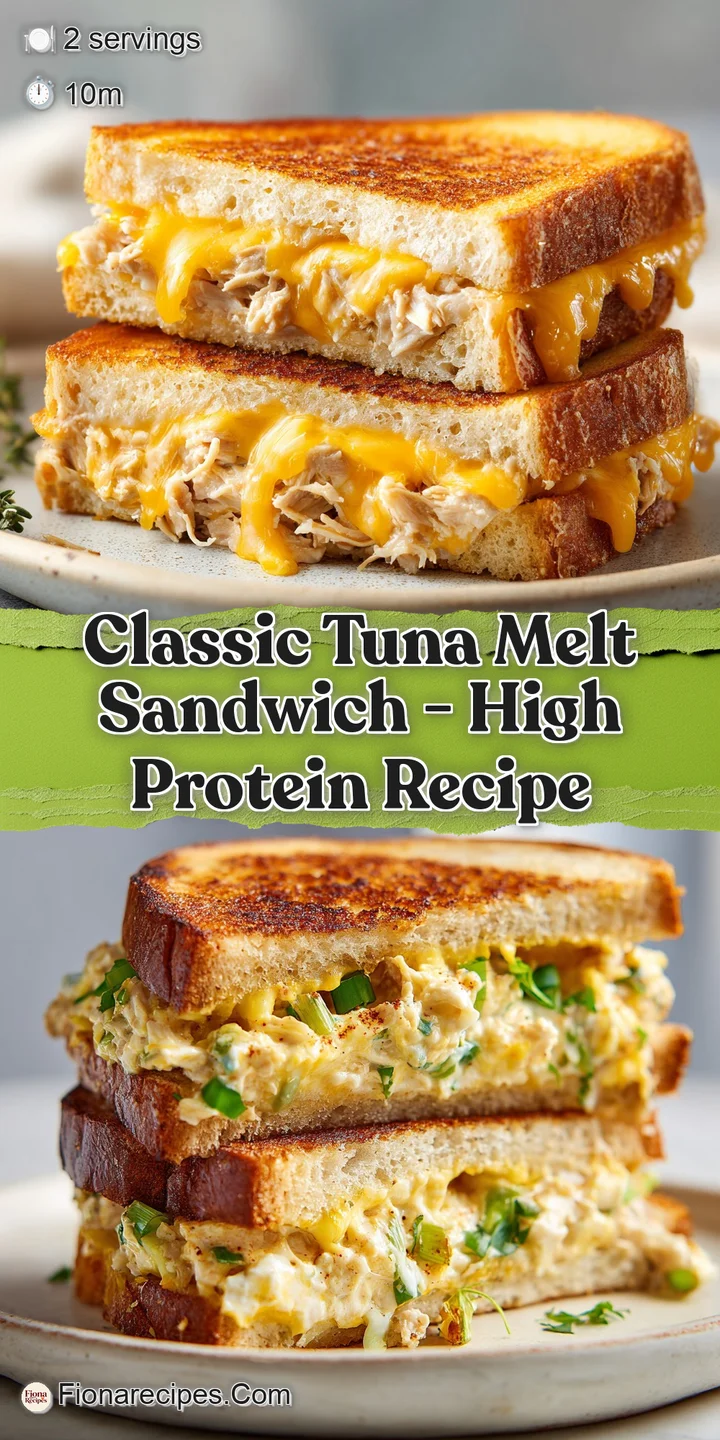
- Sear to gold. Turn heat to medium and cook for 3 minutes until the bottom is deep brown and the cheese starts to weep. Flip carefully and cook another 2 minutes until the cheese is fully liquid and the bread crackles.
Fixing Common Problems with Your Melt
Why Your Bread Is Burnt But Cheese Is Cold
This usually happens when the pan is too hot. If the exterior browns before the internal temperature rises enough to melt the cheddar, the balance is lost.
| Problem | Root Cause | Solution |
|---|---|---|
| Burnt Crust | Heat set too high | Lower flame to medium low and use a lid for 1 minute |
| Soggy Middle | Tuna was too wet | Press tuna against the sieve with a spoon before mixing |
| Bland Flavor | Not enough acid | Add an extra squeeze of lemon or more Dijon mustard |
Common Mistakes Checklist
- ✓ Always start with a cold or room temperature pan to allow the heat to penetrate slowly.
- ✓ Don't skip the celery salt; it provides that "authentic" flavor you can't get from table salt.
- ✓ Use thick cut bread (at least 1.5 cm) to support the weight of the tuna.
- ✓ Grate your own cheese if possible; pre shredded bags are coated in potato starch that prevents a smooth melt.
- ✓ Let the sandwich sit for 60 seconds after removing it from the pan to let the cheese "set" slightly.
Adjusting for Crowds and Portions
If you are cooking for one, you can easily halve this recipe. Since a standard can is about 142g, just use one can and save the other half of the onion for another dish. For the egg inclined, you can even use half of a beaten egg to bind a smaller portion if you find the yogurt too loose, though it's usually not necessary.
When scaling up for a family of four or six, don't try to cram all the sandwiches into one pan. You'll drop the pan temperature too significantly, leading to steaming rather than searing. Work in batches and keep the finished sandwiches on a wire rack in a 90°C oven. This keeps them warm without making the bottom crust soggy. If you like this seafood approach, check out my Baked Salmon in recipe for a great dinner option.
Debunking Kitchen Tales
Mayo is the only binder. Many believe you must use mayonnaise for a traditional flavor, but full fat Greek yogurt provides the same creamy texture with more protein and a brighter finish.
Open faced is better. While an open faced melt is common, it often results in dried out tuna. The double slice method creates a steam chamber that keeps the fish moist while the bread toasts.
High heat equals better sear. Actually, medium low heat is the secret. It gives the bread time to develop a deep, even mahogany color while the cheese has enough time to melt completely through the center.
Saving Leftovers and Reducing Kitchen Waste
Storage: You can store the tuna salad mixture in an airtight container in the fridge for up to 2 days. However, I highly recommend not assembling the sandwich until you are ready to eat. A fully cooked melt will last 1 day in the fridge, but the bread will lose its "shatter" factor.
Freezing: I don't recommend freezing the assembled sandwich or the tuna salad. The yogurt and celery will change texture significantly upon thawing, becoming watery and grainy.
Zero Waste: Don't toss those celery leaves! Chop them up and throw them into the tuna mixture for an extra punch of flavor. If you have leftover sourdough crusts, pulse them in a blender for fresh breadcrumbs to use in my Baked Macaroni and recipe.
What to Serve with Your Hot Sandwich
A classic tuna melt sandwich is quite rich, so I always pair it with something high acid or crunchy. A pile of salt and vinegar kettle chips is the "chef's choice" in our house, but a crisp green salad with a simple vinaigrette works wonders too.
If it's a cold day, a small cup of tomato basil soup is the ultimate partner for dipping.
For a different texture, try serving it alongside some pickled red onions or even a few spicy pepperoncinis. The heat from the peppers cuts right through the sharp cheddar. If you're looking for another lunch classic to round out your rotation, my Classic Egg Salad recipe is another fast favorite that keeps the kitchen stress free and the family happy.
HIGH in Sodium
985 mg mg of sodium per serving (43% % of daily value)
The American Heart Association recommends limiting sodium intake to about 2,300mg per day for most adults.
Easy Tips to Reduce Sodium in Your Tuna Melt
-
Choose Low-Sodium Tuna-20%
Opt for tuna canned in water with no added salt or specifically labeled as low-sodium. Rinse the drained tuna thoroughly to remove even more sodium.
-
Select Lower Sodium Cheese-15%
Replace the sharp cheddar with a naturally lower sodium cheese like Swiss cheese, Monterey Jack or fresh mozzarella. Be sure to check the nutrition label.
-
Omit Celery Salt-10%
Eliminate the celery salt altogether. The celery and other aromatics provide plenty of flavor without the added sodium.
-
Consider Bread Choice-10%
While sourdough has great flavor, some brands can be high in sodium. Check the nutrition labels and choose the bread with the lowest sodium content per slice. Or consider reducing to 3 slices instead of 4.
-
Cut Back on Mustard-5%
Use half the amount of Dijon mustard, or replace it with a squeeze of fresh lemon juice or a dash of vinegar for tang. The lemon juice is already in the recipe but additional would further enhance flavor.
-
Go Heavy on Herbs
Instead of relying on salt, increase the amount of fresh parsley, lemon zest, and black pepper to enhance the flavor of your tuna melt naturally.
Recipe FAQs
What typically goes on a tuna melt?
Tuna salad base, cheese, and bread, grilled until crisp. The filling usually contains canned tuna mixed with a binder like Greek yogurt or mayonnaise, plus aromatics such as celery, onion, and seasoning. The sandwich is then grilled with cheese slices between two pieces of buttered bread.
What is the secret to a great tuna sandwich?
Draining the tuna completely dry. Excess moisture leads to a soggy filling and prevents the bread from achieving a proper crust texture when grilling. If you want to elevate the flavor profile, ensure you use fresh lemon juice and zest to brighten the overall taste.
What cheese goes well with a tuna melt?
Sharp white cheddar is highly recommended for flavor. Its strong, tangy profile cuts through the richness of the tuna binder without becoming greasy. If you need a smoother, gooier melt, Swiss or Monterey Jack are excellent alternatives.
What is the best bread for a tuna melt?
Sturdy sourdough bread provides the best structure and flavor. You need a bread thick enough to support the filling without collapsing under heat. Sourdough’s tang pairs beautifully with the salty tuna and sharp cheese contrast.
How do I prevent the filling from making my bread soggy?
Create a dual cheese moisture barrier around the filling. Place a slice of cheese directly against both interior pieces of bread before adding the tuna salad layer. This fat shield locks in the moisture before it can soak into the carbohydrate structure.
Should I use butter or mayonnaise on the outside of the bread?
Use softened butter for the best golden brown sear. Butter contains milk solids that brown beautifully via the Maillard reaction, creating superior flavor and a shatteringly crisp exterior. If you are interested in mastering other high heat searing techniques for different recipes, see how the same principle works in my Air Fryer Chicken recipe.
How long should I cook a tuna melt on the stovetop?
Cook for 3 minutes per side on medium heat. Starting in a cold pan allows the heat to conduct evenly from the bottom up, ensuring the bread toasts completely and the cheese melts simultaneously. You know it is done when the bread is deep golden brown and the cheese is actively oozing.
Classic Tuna Melt Sandwich
Ingredients:
Instructions:
Nutrition Facts:
| Calories | 659 kcal |
|---|---|
| Protein | 49.3 g |
| Fat | 26.8 g |
| Carbs | 50.1 g |
| Fiber | 2.8 g |
| Sugar | 4.2 g |
| Sodium | 985 mg |
