Classic Meatloaf Recipe: Juicy & Tender
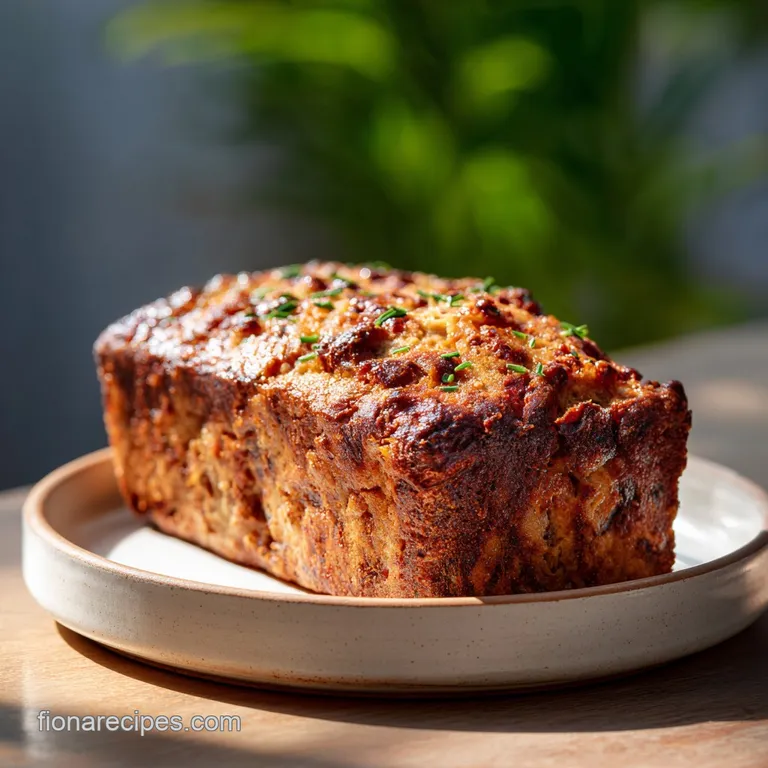
- Time: Active 20 minutes, Passive 1 hours, Total 1 hours 20 mins
- Flavor/Texture Hook: Savory, velvety interior with a sticky sweet glaze
- Perfect for: Stress free weeknight family dinners
- Mastering a Juicy Classic Meatloaf Recipe
- Reference Guide for Internal Doneness
- The Science of Moisture
- Choosing Elements for a Hearty Meal
- Essential Tools for Stress Free Cooking
- Simple Steps to Comfort Food
- Solving Texture Issues and Disasters
- Smart Swaps and Flavor Twists
- Storage Guidelines and Reheating Tips
- Best Tips for Plate Presentation
- High in Sodium
- Recipe FAQs
- 📝 Recipe Card
Mastering a Juicy Classic Meatloaf Recipe
The smell of onions and garlic slowly softening in a pan always takes me back to my first kitchen apartment. I used to think a meatloaf was just a giant hamburger shaped like a brick, and honestly, my first few attempts tasted like one too. They were dry, crumbly, and required a gallon of water just to swallow.
I realized that the "classic" version I was chasing wasn't about fancy ingredients; it was about the technique of keeping moisture trapped inside the meat.
Now, when I pull this out of the oven, the sizzle of the fat hitting the pan and the aroma of that vinegar spiked ketchup glaze filling the house is pure nostalgia. We're talking about a texture that is velvety and rich, not dense or rubbery.
This isn't just a recipe I found in a book; it’s the result of years of trial, error, and a few "burnt on-the bottom" disasters that taught me exactly how to handle 2 lbs of ground chuck.
I want you to feel confident throwing this together on a Tuesday night. It’s real food for real families who don't have time for complicated techniques but still want something that tastes like a Sunday feast. We are going to skip the dry breadcrumbs and the cold, raw onions.
Instead, we’re focusing on a few smart tricks that ensure every slice stays intact and every bite is packed with seasoned goodness.
Reference Guide for Internal Doneness
Before we get into the mixing, let’s look at how to ensure your dinner doesn't end up raw in the middle or dry as a bone. Using a sheet pan rather than a loaf pan is my favorite "cheat" for better texture.
| Thickness | Internal Temp | Rest Time | Visual Cue |
|---|---|---|---|
| 2 inches (5 cm) | 160°F (70°C) | 10 minutes | Glaze is tacky and bubbling |
| 2.5 inches (6 cm) | 160°F (70°C) | 12 minutes | Juices run clear, not pink |
| 3 inches (7 cm) | 160°F (70°C) | 15 minutes | Firm to the touch in center |
The Science of Moisture
When you cook meat, the proteins want to shrink and squeeze out all their juices. To stop this from happening in our classic meatloaf recipe, we use a few culinary "insurance policies" that keep things tender.
- The Panade Effect: Mixing 1/2 cup whole milk with 1 cup Panko breadcrumbs creates a paste that coats the meat fibers, preventing them from bonding too tightly and getting tough.
- Aromatics Chemistry: Sautéing the diced onion and minced garlic before adding them to the meat softens the sulfur compounds, resulting in a sweeter, more integrated flavor rather than sharp, crunchy bits of raw onion.
- Fat Emulsification: Using 80/20 ground chuck provides enough rendered fat to keep the loaf moist, while the two large beaten eggs act as a binder to hold that fat and moisture in suspension.
Chef Tip: Freeze your stick of butter for 10 minutes, then grate it into the meat mixture if you are using extra lean beef. Those tiny shards of fat will melt during baking, creating internal "baste" pockets that prevent dryness.
Choosing Elements for a Hearty Meal
Building a great meal starts with choosing ingredients that play well together. For this classic meatloaf recipe, we aren't looking for gourmet flair; we want high-quality basics that deliver on taste without breaking the budget. If you find yourself with extra beef, you can always pivot and use it for my Ground Beef Tacos recipe later in the week.
Component Analysis
| Ingredient | Science Role | Pro Secret |
|---|---|---|
| Ground Chuck (2 lbs) | Primary protein/fat | 80/20 ratio is the sweet spot for flavor without a grease lake. |
| Panko Breadcrumbs (1 cup) | Structural binder | Panko creates a lighter, airier texture than standard fine crumbs. |
| Worcestershire Sauce (2 tbsp) | Umami booster | Adds fermented depth that mimics a long aged steak flavor. |
| Apple Cider Vinegar (1 tbsp) | Acid balance | Cuts through the sugar in the glaze to brighten the overall palate. |
Ingredients and Substitutes
- 2 lbs ground chuck: Use an 80/20 lean to fat ratio. Why this? Fat equals flavor and moisture during the 1 hour bake. (Substitute: Ground turkey 93/7 with 2 tbsp olive oil added).
- 1 cup Panko breadcrumbs: These stay light. (Substitute: Crushed saltine crackers for a saltier, old school vibe).
- 1/2 cup whole milk: Hydrates the breadcrumbs. (Substitute: Beef broth for a dairy-free version).
- 1 medium yellow onion: Finely diced and sautéed. (Substitute: 2 tsp onion powder if you’re in a massive rush).
- 3 cloves garlic: Minced fresh. (Substitute: 1 tsp jarred minced garlic).
- 2 large eggs: Beaten well. (Substitute: 1/2 cup unsweetened applesauce in a pinch).
- 2 tbsp Worcestershire sauce: The savory backbone. (Substitute: Soy sauce for a similar salty umami hit).
- 1 tsp dried thyme: Adds earthy notes. (Substitute: Dried oregano or Italian seasoning).
- 1 tsp salt & 1/2 tsp black pepper: Essential seasoning.
- 1/4 cup fresh parsley: For a pop of color and freshness.
The Ketchup Glaze
- 3/4 cup ketchup: The base of the classic topping.
- 2 tbsp brown sugar: For that sticky, caramelized crust.
- 1 tbsp apple cider vinegar: Adds a necessary tang.
- 1/2 tsp garlic powder & 1/4 tsp onion powder: Concentrated flavor.
- 1 pinch cayenne pepper: Just enough to wake up the taste buds.
Essential Tools for Stress Free Cooking
You don't need a kitchen full of gadgets for this, but a few specific items make the process much smoother. I personally prefer using a rimmed baking sheet (like a half sheet pan) lined with parchment paper or foil.
This allows the heat to hit all sides of the meatloaf, creating a better crust than a loaf pan where the meat basically boils in its own juices.
A large mixing bowl is vital you need room to toss the ingredients without squishing the meat. If you have a stand mixer, you can use the paddle attachment on the lowest speed to combine everything, but honestly, your hands are the best tool.
They let you feel the texture and ensure you don't overmix, which is the number one cause of a rubbery loaf.
Finally,, an instant read meat thermometer is the only way to be 100% sure your dinner is safe and juicy. Guessing by looking at the color is a recipe for disappointment. Aim for that 160°F (70°C) mark every single time.
Simple Steps to Comfort Food
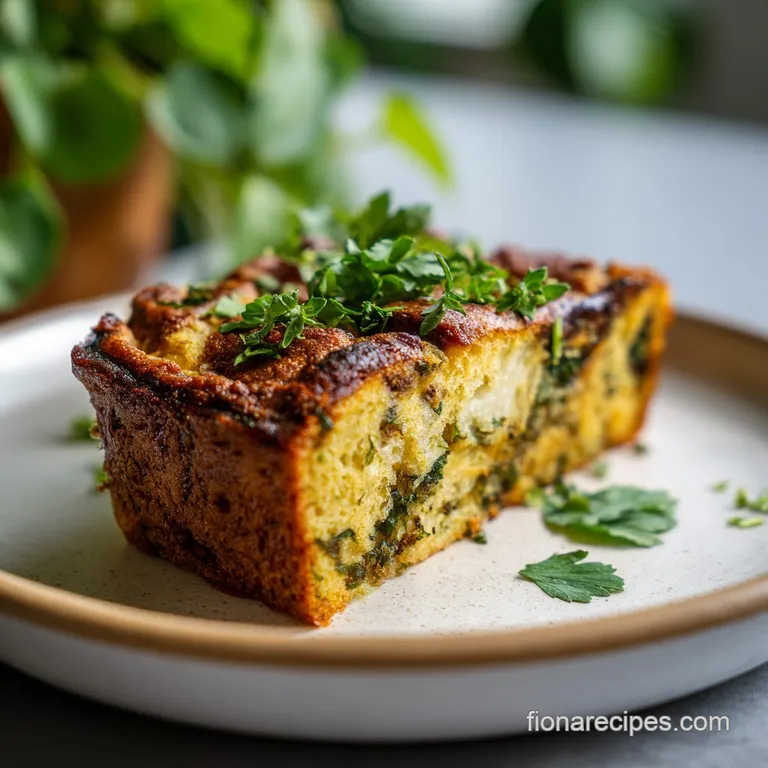
Prepping the Aromatics and Panade
- Sauté the onions. Heat a small skillet over medium heat with a splash of oil and cook the diced yellow onion for 5 minutes until translucent and fragrant. Note: This prevents crunchy, undercooked onion bits in the final slice.
- Add the garlic. Stir in the 3 cloves of minced garlic and cook for 1 minute until you smell the aroma. Set aside to cool slightly.
- Make the panade. In a small bowl, stir together 1 cup Panko and 1/2 cup whole milk. Let it sit for 5 minutes until it forms a thick, wet paste.
Integrating the Flavors
- Whisk the liquids. In your large mixing bowl, beat 2 large eggs with 2 tbsp Worcestershire sauce, 1 tsp salt, 1/2 tsp pepper, 1 tsp dried thyme, and 1/4 cup chopped parsley.
- Prep the glaze. In a separate small bowl, whisk 3/4 cup ketchup, 2 tbsp brown sugar, 1 tbsp ACV, and the spices until smooth and velvety.
Folding the Meat Mixture
- Combine ingredients. Add the 2 lbs ground chuck, the cooled onion mixture, and the milk soaked Panko to the egg mixture.
- Mix gently. Using your hands, fold the ingredients together until just combined. Note: Stop as soon as you don't see large streaks of plain meat. Mixing meat by hand reminds me of prepping the Sausage Breakfast Casserole recipe on Christmas morning it's all about that gentle touch.
Shaping and Initial Bake
- Shape the loaf. Place the mixture onto a lined baking sheet and form into a 9x5 inch (23x13 cm) rectangle. Bake at 350°F (180°C) for 40 minutes until the exterior is firm.
Finishing with the Zesty Glaze
- Apply the glaze. Spoon the ketchup mixture over the top and sides of the loaf.
- Final bake. Cook for another 15-20 minutes until the internal temperature hits 160°F (70°C). Let it rest for 10 minutes until the juices settle before slicing.
Solving Texture Issues and Disasters
The most heartbreaking moment is when you go to slice your classic meatloaf recipe and it just falls apart into a pile of seasoned ground beef. This usually happens for one of two reasons: either there wasn't enough binder, or you didn't let it rest long enough.
Why Your Meatloaf Falls Apart
If your loaf is crumbly, the proteins didn't have enough "glue" (eggs and panade) to hold them together, or perhaps the meat was too lean. Another common culprit is slicing it the second it comes out of the oven.
While it's tempting to dive in, the structure needs those 10 minutes of resting time to firm up as the temperature slightly drops and the juices redistribute.
| Problem | Root Cause | Solution |
|---|---|---|
| Crumbly texture | Too much handling or too little binder | Use 2 eggs and a milk soaked panade; mix gently. |
| Greasy bottom | Meat sat in rendered fat in a loaf pan | Bake on a rimmed sheet pan to allow fat to drain away. |
| Dry and tough | Overmixed or overcooked | Mix until just combined; use a thermometer to pull at 160°F. |
Common Mistakes Checklist
- ✓ Always sauté your onions first; raw onions release water inside the loaf, causing it to steam and fall apart.
- ✓ Never skip the resting period; 10 minutes is the difference between a clean slice and a mess.
- ✓ Use 80/20 beef; anything leaner (like 90/10) will likely result in a dry, grainy texture.
- ✓ Avoid the loaf pan if you want a caramelized exterior; the sheet pan provides more surface area for the glaze to bake on.
- ✓ Gently "fluff" the meat as you mix; don't mash it like you're kneading bread dough.
Smart Swaps and Flavor Twists
One of the reasons I love this classic meatloaf recipe is how easy it is to adapt based on what’s in your pantry. If you are trying to be a bit more budget conscious, you can actually stretch 2 lbs of meat to serve even more people by increasing the breadcrumbs and adding a finely grated carrot to the mix.
The carrot disappears into the meat but adds bulk and extra moisture.
Comparison of Fresh vs. Shortcut Ingredients
Sometimes we have time for the full prep, and sometimes we need to get dinner in the oven in five minutes. Here is how the shortcuts stack up against the fresh components.
| Element | Fresh Method | Shortcut Method | Result Difference |
|---|---|---|---|
| Aromatics | Sautéed fresh onion/garlic | Dried onion flakes & powder | Less sweet, slightly more "processed" flavor. |
| Binder | Milk soaked Panko crumbs | Dry Italian breadcrumbs | Shortcut results in a denser, tighter loaf. |
| Herbs | Fresh chopped parsley | Dried parsley flakes | Fresh adds brightness; dried is mostly for color. |
If you want X, do Y
- If you want a smoky flavor, replace the apple cider vinegar in the glaze with 1 tsp of liquid smoke or use a smoky BBQ sauce instead of ketchup.
- If you want a lighter meal, swap the beef for ground turkey but increase the milk to 2/3 cup to compensate for the lower fat content.
- If you want a hidden veggie boost, pulse a cup of mushrooms in the food processor and sauté them with the onions before adding to the meat.
Storage Guidelines and Reheating Tips
Meatloaf is arguably better the next day. The flavors have a chance to really meld together in the fridge. I love using cold leftovers for sandwiches just a thick slice of meatloaf on white bread with a little extra ketchup is the ultimate "cook's treat."
- Fridge: Store in an airtight container for up to 4 days.
- Freezer: You can freeze the cooked loaf (whole or sliced) for up to 3 months. Wrap it tightly in plastic wrap and then foil to prevent freezer burn.
- Reheating: To keep it from drying out, reheat slices in a skillet with a tiny splash of water and a lid, or in the oven at 300°F (150°C) covered with foil until warmed through.
- Zero Waste: If you have leftover ends that look a bit scraggly, crumble them up and toss them into a pasta sauce or use them as a protein rich topping for a baked potato.
Best Tips for Plate Presentation
Even a humble meatloaf recipe can look like a five star meal with a little effort. Since meatloaf is inherently "brown," you need color to make the plate pop. I always save a little bit of that fresh parsley to sprinkle over the top right before serving.
The bright green against the deep red glaze looks fantastic.
When you slice the loaf, use a sharp serrated knife. It saws through the crust and the tender interior without squishing the shape. Aim for thick, 1 inch (2.5 cm) slices. Serve it alongside something creamy, like mashed potatoes, and something bright, like steamed green beans or a crisp salad.
If you have extra glaze left over, put it in a small ramekin on the side for those who like an extra dip. It makes the whole meal feel intentional and special rather than just a "thrown together" weeknight fix.
Quick Decision: If you are short on time... Make mini meatloaves in a muffin tin; they cook in just 20-25 minutes! Use a pre made BBQ sauce for the glaze to save five minutes of whisking.
Skip the fresh onion and use 1/4 cup of dried minced onions soaked in the milk for 5 minutes.

High in Sodium
845 mg mg of sodium per serving (37% % of daily value)
The American Heart Association recommends limiting sodium intake to about 2,300mg per day for optimal health.
Tips to Reduce Sodium
-
Reduce Added Salt-25%
Eliminate or drastically reduce the 1 tsp of added salt in the meatball mixture. Taste and adjust other seasonings to compensate.
-
Low-Sodium Ketchup-20%
Switch to a low-sodium or no-salt added ketchup. This can significantly reduce the overall sodium content from the sauce.
-
Limit Worcestershire-15%
Worcestershire sauce is high in sodium. Reduce the amount used or substitute with a low-sodium alternative or a blend of spices and a small amount of vinegar.
-
Unsalted Breadcrumbs-10%
Use unsalted Panko breadcrumbs to minimize added sodium from this ingredient. Check the label of your current breadcrumbs and compare.
-
Spice It Up!
Enhance the flavor with sodium free herbs and spices like smoked paprika, garlic, and pepper, to compensate for the reduction in salt.
Recipe FAQs
What is the secret to a great meat loaf?
Using a panade soaked in milk. Mixing breadcrumbs with whole milk creates a wet paste that coats the meat proteins, preventing them from tightening up and squeezing out moisture during baking.
Is 350 or 375 better for meatloaf?
350°F (175°C) is generally better for the initial bake. This lower temperature allows the interior to cook evenly without scorching the outside before the center reaches the safe temperature of 160°F.
What is the basic meatloaf formula?
Combine 2 parts ground meat, 1 part binder/moisture (panade/eggs), and aromatics/seasoning. The ratio is critical; ensuring you use at least 80/20 ground chuck provides the necessary fat for tenderness.
What not to put in meatloaf?
Do not use raw, finely diced onions or skip sautéing them first. Raw onions release excess water during baking, which can lead to a crumbly or watery texture inside the loaf.
How do I stop my meatloaf from tasting like a giant hamburger?
Incorporate savory liquids and herbs for depth. Worcestershire sauce and sautéed garlic add umami and complexity that elevate the flavor beyond simple seasoned beef.
Should I bake my meatloaf in a loaf pan?
No, baking on a rimmed sheet pan yields superior results. A loaf pan traps fat and moisture beneath the meat, effectively steaming the bottom, whereas a sheet pan allows fat to drain and promotes even caramelization.
Is it true that the meat needs to rest after baking?
Yes, resting for 10 minutes is essential for structure and juiciness. If you cut it immediately, the internal juices will run out onto the cutting board, leaving the slices dry and causing the loaf to collapse.
Classic Meatloaf Recipe
Ingredients:
Instructions:
Nutrition Facts:
| Calories | 418 kcal |
|---|---|
| Protein | 23.9 g |
| Fat | 21.4 g |
| Carbs | 24.8 g |
| Fiber | 1.2 g |
| Sugar | 13.6 g |
| Sodium | 845 mg |
