Classic Chicken Pot Pie Recipe with Flaky Crust
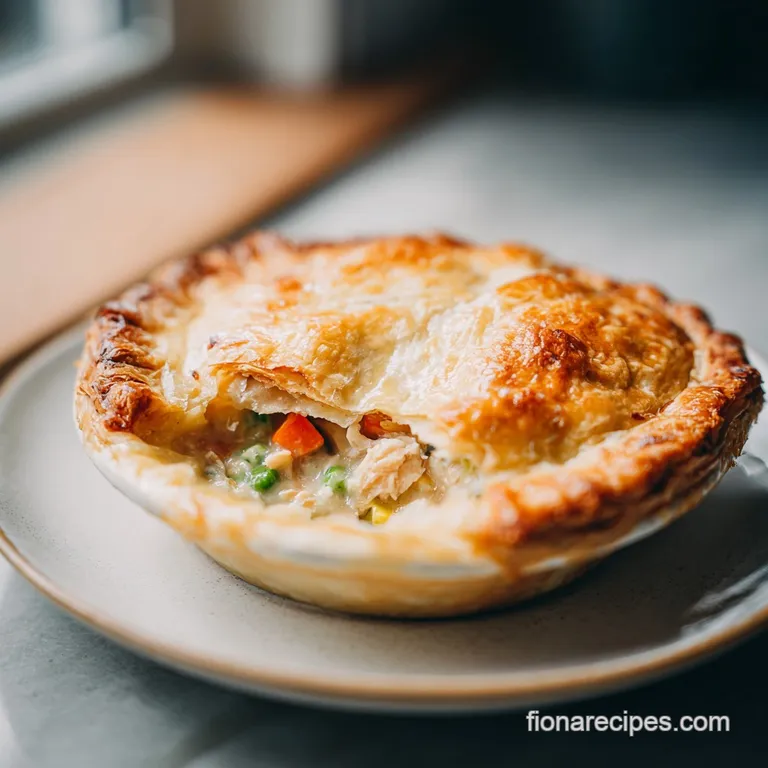
- Time: Active 30 minutes, Passive 45 minutes, Total 1 hours 15 mins
- Flavor/Texture Hook: Flaky, buttery crust with a creamy, herb infused center
- Perfect for: Cozy Sunday dinners or a hearty weeknight reward
- Best Ever Chicken Pot Pie Recipe
- The Science of Flaky Comfort
- Essential Cooking Specification Guide
- Selecting High Quality Base Ingredients
- Minimal Tools for Maximum Success
- Step By Step Assembly Method
- Troubleshooting Common Baking Mistakes
- Simple Swaps for Flavor Variety
- Storage Tips and Zero Waste
- Serving Ideas for Family Dinners
- Recipe FAQs
- 📝 Recipe Card
Best Ever Chicken Pot Pie Recipe
I still remember the first time I tried making a homemade chicken pot pie. It was a cold Tuesday in November, the kind of day where the rain just feels like it’s soaking into your bones. I thought I could cheat by using a low-fat margarine and a pre cooked frozen veggie mix. Honestly, it was a disaster.
The crust was soggy, the filling was watery, and it tasted more like a sad soup than a proper pie. I realized then that if I wanted that specific, soul warming comfort, I had to stop cutting the wrong corners and start respecting the chemistry of the kitchen.
Now, when I pull this dish out of the oven, the sizzle of the bubbling gravy and the aroma of fresh thyme filling the house is enough to bring everyone to the table without me saying a word.
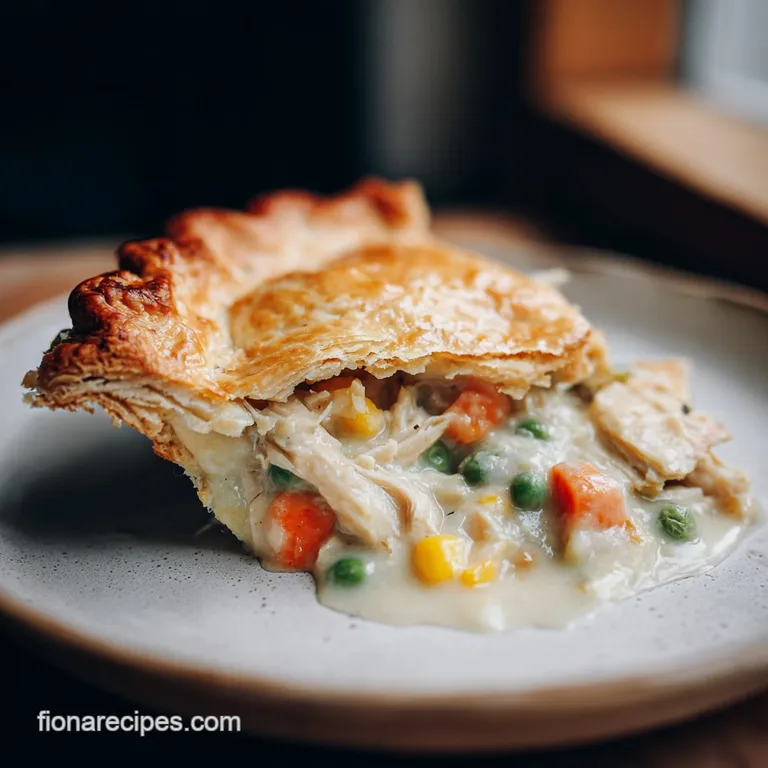
There is something deeply satisfying about cracking through a golden, mahogany crust to reveal a velvety center packed with tender chicken. We have refined this process over the years to ensure the bottom never gets soggy and the flavor is concentrated enough to stand up to the rich pastry.
You are going to love how this recipe turns a few humble ingredients into something that feels like a celebration. We are using real butter, high-quality stock, and a few little tricks I picked up along the way to make the process smoother for busy home cooks.
It’s the kind of meal that makes you want to turn off your phone, grab a big spoon, and just enjoy the moment. Let's get into what actually makes this dish work so you can skip the mistakes I made.
The Science of Flaky Comfort
Solid Fat Suspension: When cold butter hits the hot oven, the water inside the butter evaporates instantly, creating steam pockets that lift the flour layers into distinct, shattering flakes.
Starch Gelatinization: As the roux heats up with the chicken stock, the starch granules in the flour swell and burst, trapping liquid to create a stable, velvety sauce that won't separate.
Maillard Reaction: The proteins and sugars in the egg wash react under high heat to create a deep golden brown color and a complex, nutty aroma on the crust.
| Crust Choice | Finished Texture | Prep Time | Visual Cue |
|---|---|---|---|
| Homemade Pastry | Shatter crisp & buttery | 30 minutes | Deep mahogany gold |
| store-bought Puff | Airy & light | 5 minutes | Pale yellow gold |
| Canned Biscuits | Soft & doughy | 2 minutes | Golden brown tops |
Choosing your topping is the biggest decision you'll make here. While I always advocate for the homemade version because the flavor is unmatched, a high-quality puff pastry works wonders when you're short on time.
Just remember that a homemade crust provides a sturdier "lid" that keeps the steam inside, which helps cook the vegetables to a perfect tenderness without them turning into mush.
Essential Cooking Specification Guide
| Component | Science Role | Pro Secret |
|---|---|---|
| Unsalted Butter | Steam & Flavor | Keep it "ice cube cold" until the very second it hits the flour |
| Chicken Thighs | Moisture & Fat | Use dark meat because it stays juicy even during a long bake |
| Heavy Cream | Emulsification | Adds a fat barrier that prevents the sauce from feeling "thin" |
| Fresh Thyme | Aromatic Depth | Rub the leaves between your fingers to release the oils before adding |
Similar to the technique used in our Shepherds Pie Recipe, building a strong flavor base starts with the aromatics. When you sauté the onion, carrots, and celery in butter, you are pulling out their natural sugars. This creates a foundation of sweetness that balances the salty chicken stock. If you rush this step, your vegetables will taste "boiled" instead of roasted.
Selecting high-quality Base Ingredients
For the crust, you'll need 2.5 cups of all purpose flour (315g) and 1 cup of unsalted butter (225g) that has been cubed and chilled. Don't forget 1 teaspoon of fine sea salt and about 7 tablespoons of ice water to bind it all together.
Using chilled butter is non negotiable here; if the butter melts before it hits the oven, you'll end up with a greasy cracker instead of a flaky pastry.
The filling is where the heart of the dish lives. You’ll want 3 cups of cooked chicken thighs, shredded (about 450g). For the sauce base, gather 0.33 cup of unsalted butter (75g) and 0.33 cup of all purpose flour (45g).
For the aromatics and body, get 1 medium yellow onion, 2 large carrots, and 2 stalks of celery. You will also need 2 cups of high-quality chicken stock, 0.5 cup of heavy cream, 1 cup of frozen peas, and 1 teaspoon of minced fresh thyme.
Finally, for that signature finish, have 1 large egg and 1 tablespoon of water ready for an egg wash.
Why Chicken Thighs? They have more connective tissue than breasts, meaning they won't dry out in the oven.
Minimal Tools for Maximum Success
You don't need a kitchen full of gadgets to make a world class pie. A large, heavy bottomed skillet or a Dutch oven is perfect for the filling because it holds heat evenly. For the crust, a simple pastry cutter or even just two forks will do the trick to work that butter into the flour.
I actually prefer using my hands for the final stage of the dough so I can feel exactly when it has enough moisture to hold together.
A 9 inch deep dish pie plate is the classic choice, but you can also use a cast iron skillet if you want a more rustic look. If you go the skillet route, you can actually cook the filling and bake the pie all in the same pan, which means fewer dishes for you later.
Just make sure your pan is oven safe up to 400°F (200°C).
step-by-step Assembly Method
- Prepare the pastry. Mix 2.5 cups flour and 1 tsp salt, then cut in 1 cup chilled butter until it looks like coarse crumbs. Note: Tiny bits of butter should still be visible.
- Hydrate the dough. Add 7 tbsp ice water one tablespoon at a time until the dough just holds together, then chill for 30 minutes.
- Sauté the aromatics. Melt 0.33 cup butter in a large pan and cook diced onion, carrots, and celery until softened and fragrant.
- Create the roux. Sprinkle 0.33 cup flour over the vegetables and stir constantly for 2 minutes until the raw flour smell disappears.
- Build the sauce. Slowly whisk in 2 cups chicken stock and 0.5 cup heavy cream, simmering until thickened and velvety.
- Fold in filling. Add 3 cups shredded chicken, 1 cup frozen peas, and 1 tsp thyme, stirring to coat everything in the sauce.
- Roll the crust. Roll out your chilled dough on a floured surface until it is 1/8 inch thick.
- Assemble the pie. Pour the filling into your dish and drape the pastry over the top, crimping the edges to seal.
- Apply egg wash. Whisk 1 egg with 1 tbsp water and brush it liberally over the crust. Note: This creates the shine.
- Bake the pie. Place in a 400°F (200°C) oven for 45 minutes until the crust is golden and the filling is bubbling.
If you have leftovers from a Chicken Salad Recipe, you can actually use that rotisserie chicken here to save time on the prep work. Just ensure you remove any skin before shredding the meat into the filling.
Troubleshooting Common Baking Mistakes
My Filling Is Too Runny
A runny filling usually happens if the roux didn't cook long enough or if the vegetables released too much moisture. If you notice your sauce looks thin before it goes into the oven, simmer it for an extra 5 minutes on the stovetop.
The sauce should be thick enough to coat the back of a spoon heavily; if it’s like soup, it won't magically thicken in the oven.
The Bottom Crust Is Soggy
This is the most common heartbreak in pie making. To avoid this, make sure your filling isn't piping hot when you put the top crust on. If the steam from the filling hits the raw dough too early, it turns it into a gummy mess.
You can also bake the pie on the lowest rack of the oven for the first 15 minutes to give the bottom heat a head start.
| Problem | Root Cause | Solution |
|---|---|---|
| Crust is pale | Oven temp too low | Increase to 400°F and move to top rack |
| Filling overflow | No steam vents | Cut 3-4 slits in the top crust before baking |
| Tough pastry | Overworked dough | Handle the dough as little as possible to avoid gluten |
Common Mistakes Checklist - ✓ Always use ice cold water for the dough (prevents melting butter). - ✓ Pat your chicken dry if you are searing it first (prevents steaming). - ✓ Let the pie rest for 15 minutes after baking (sets the sauce).
- ✓ Don't skip the salt in the crust; it tastes flat without it. - ✓ Use a rimmed baking sheet under the pie dish to catch drips.
Simple Swaps for Flavor Variety
| Original Ingredient | Substitute | Why It Works |
|---|---|---|
| Chicken Thighs | Leftover Turkey | Great for post holiday meals. Note: Turkey is leaner, so add more cream |
| Heavy Cream | Full fat Coconut Milk | Adds a subtle nutty flavor. Note: Changes the classic profile slightly |
| All purpose Flour | Cornstarch (half amount) | Good for thickening, but the sauce will be more translucent |
- If you want a 20 minute weeknight shortcut, use a store-bought rotisserie chicken and frozen puff pastry.
- If you want a Southern comfort style, replace the top crust with large, fluffy buttermilk biscuits.
- If you want a lighter meal, swap the heavy cream for whole milk and double the amount of celery and carrots.
Using these variations allows you to tailor the dish to what you have in the pantry. For example, if you find yourself with extra roasted vegetables from another meal, toss them in! This recipe is incredibly forgiving once you understand the basic ratio of fat to flour in the sauce.
Storage Tips and Zero Waste
You can keep leftovers in the fridge for up to 4 days. When reheating, I highly suggest using the oven or an air fryer at 350°F (180°C) rather than the microwave.
The microwave will make that beautiful crust turn soft and rubbery, whereas the oven will bring back that "shatter" factor we worked so hard for.
To minimize waste, save your onion skins, celery ends, and carrot peels. Throw them into a bag in the freezer, and when the bag is full, boil them with water to make your own vegetable scrap stock.
Also, if you have extra pie dough, roll it out, sprinkle it with cinnamon sugar, and bake it for 10 minutes for a quick kitchen snack.
Serving Ideas for Family Dinners
While this is technically a one pot meal, a crisp green salad with a sharp vinaigrette is the perfect partner to cut through the richness of the gravy. I usually go for something with arugula or radicchio to provide a bit of bitterness.
If you’re feeling extra hungry, a side of roasted garlic mashed potatoes never hurts, though it might lead to a very long nap afterward.
Don't forget the presentation! Brushing that egg wash right to the very edge of the crust ensures the whole pie looks professional. When you bring it to the table, let it sit for a few minutes so the filling doesn't run everywhere when you make that first cut.
There’s a certain magic in that first steam cloud that rises when the crust is broken it’s the best reward for all your hard work in the kitchen. Enjoy the process and the results!

Recipe FAQs
Can I substitute chicken breasts for the thighs mentioned in the recipe?
Yes, but expect a drier result. Chicken thighs have higher fat content, which keeps them moist during the long bake; breasts can dry out quickly unless you avoid overcooking them.
What is the best way to prevent the bottom crust from becoming soggy?
Bake the pie on the lowest rack initially. This concentrates direct heat on the bottom dough, allowing the butter to create steam pockets before the wet filling fully saturates it.
How to make the filling thicker if it seems too runny before baking?
Simmer the sauce longer on the stovetop. If the roux based sauce isn't coating the back of a spoon after adding the liquid, continue simmering until the starch fully gelatinizes and thickens the mixture.
Is it true that I must use butter for the crust, or can I use shortening?
No, using only shortening yields a less flavorful crust. Butter provides superior flavor and texture because its lower melting point creates better steam lift, though shortening creates a flakier structure; a combination often works best.
How long can I safely prepare the filling ahead of time?
Prepare the filling up to two days in advance. Cool the filling completely, cover tightly, and store it in the refrigerator; when assembling, ensure the pastry dough is cold to maintain ideal baking temperatures.
How can I use up leftover cooked chicken from a different meal?
Shred the leftover chicken and pat it dry before adding it to the sauce. If you prefer rich, creamy textures often, you should check out the roux technique used in our Creamy Beef Stroganoff recipe as the sauce building principles are similar.
What vegetable substitutions work well if I don't have peas and carrots?
Substitute with frozen corn or diced, pre-sautéed mushrooms. If you enjoyed the process of controlling ingredient moisture here, apply the same principle when making a savory Spinach Quiche Recipe to avoid excess water leaching.
Classic Chicken Pot Pie Recipe
Ingredients:
Instructions:
Nutrition Facts:
| Calories | 862 kcal |
|---|---|
| Protein | 27.1 g |
| Fat | 57.5 g |
| Carbs | 52.2 g |
| Fiber | 2.8 g |
| Sugar | 3.9 g |
| Sodium | 525 mg |
