Classic Sugar Cookies: Soft and Buttery
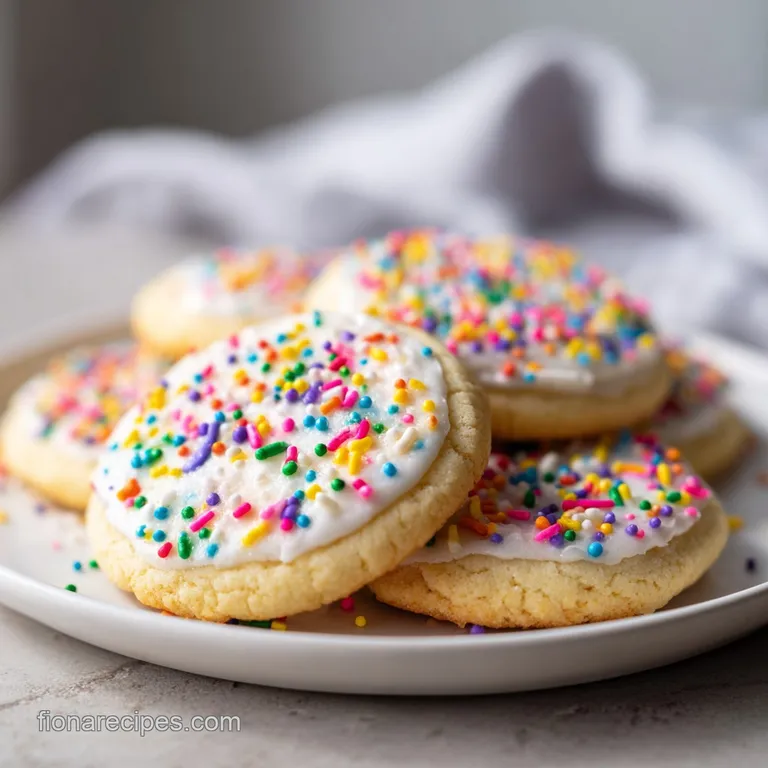
- Time:15 minutes active + 15 minutes chilling = 40 minutes total
- Flavor/Texture Hook: Snap crisp edges with a velvety, melt in-the mouth center
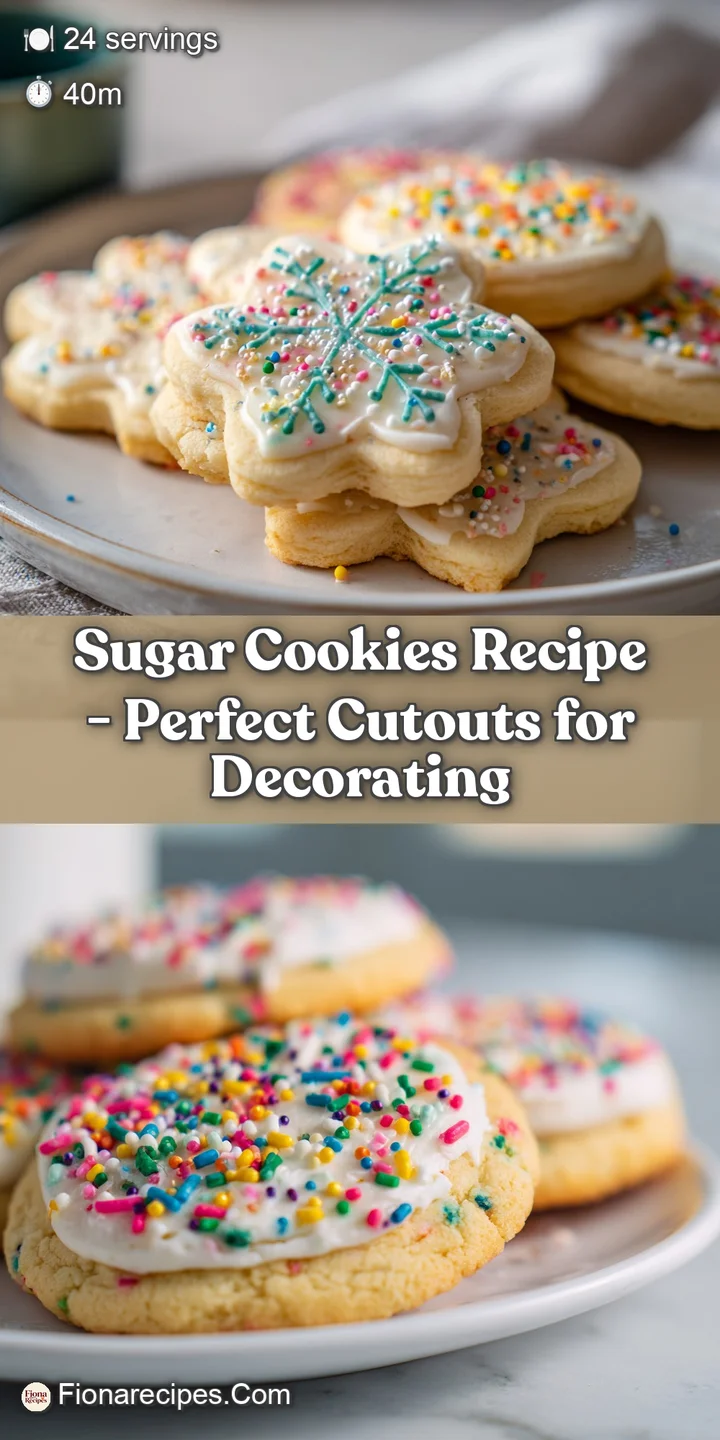
- Perfect for: Holiday decorating, school bake sales, or precision cut shapes
- Achieve Precise Results With This Sugar Cookies Recipe
- Controlling Texture Through Ingredient Temperature
- Critical Benchmarks For Baking Success
- Components That Define Cookie Structure
- Essential Tools For Sharp Edges
- Mastering The Step By Step Method
- Troubleshooting For A Flawless Batch
- Creative Flavor Adjustments For Variety
- Preserving Texture And Flavor Integrity
- Strategic Pairings For Sweet Occasions
- Debunking Common Baking Misconceptions
- Recipe FAQs
- 📝 Recipe Card
Achieve Precise Results With This Sugar Cookies Recipe
The aroma of warm butter and a hint of almond extract hitting the air is a sensory signal that a bake is going well. I remember a time when I thought all cookies were meant to be soft and spreadable, but then I realized the true satisfaction of a cookie that holds its shape with architectural precision.
There is a specific "snap" you hear when you break into a well baked sugar cookie, followed by a buttery flavor that isn't masked by overwhelming sweetness. This version is all about that balance.
We are going for a result that feels sturdy enough to handle royal icing but remains tender enough that it doesn't feel like a cracker. You won't have to wait hours for the dough to hydrate in the fridge.
Instead, we use a flash chill method that sets the fat quickly so you can get to the fun part cutting out shapes and decorating much faster. It is a foolproof approach for anyone who has ever been disappointed by a "blob" cookie that was supposed to be a star.
You can expect a dough that is remarkably easy to handle, almost like edible clay. It doesn’t stick to the rolling pin or tear apart when you lift your cutters. This is because we focus on the physics of the ingredients, ensuring the proteins and fats work together rather than fighting for dominance.
Let's get into why these specific ratios create such a reliable result.
Controlling Texture Through Ingredient Temperature
Understanding the mechanics of your ingredients changes everything. Most bakers struggle with spreading because their butter is too warm or they've whipped too much air into the base. Here is the logic behind why this specific method works so well for this sugar cookies recipe.
- Fat Stabilization: Using slightly cool butter (around 18°C) rather than room temperature allows the sugar to create tiny pockets without the butter becoming greasy. This prevents the cookies from collapsing in the oven.
- Protein Strengthening: The cold egg provides immediate structure, acting as a binder that tightens the dough as soon as it hits the flour, which is essential for holding sharp cutout edges.
- Hydration Speed: By rolling the dough between parchment paper immediately, we utilize the moisture in the butter and egg to hydrate the flour quickly before the flash chill sets everything in place.
- Thermal Shock: Moving the dough from the freezer (flash chill) directly into a preheated oven causes the outer edges to set instantly, while the interior remains tender.
| Thickness | Internal Temp | Rest Time | Visual Cue |
|---|---|---|---|
| 3mm | 74°C | 2 mins | Edges just turning gold |
| 6mm | 74°C | 5 mins | Tops look matte and dry |
| 10mm | 74°C | 8 mins | Center barely bounces back |
Using the right thickness is the biggest variable in how your bake turns out. While 6mm is the standard for this recipe, you can adjust based on whether you want a crisper or softer finish. Just remember to keep your batch consistent so they all finish at the same time.
Critical Benchmarks For Baking Success
To get the most out of this sugar cookies recipe, you need to hit three specific numeric checkpoints. First, the creaming process must last exactly 2 minutes on medium speed. This creates a cohesive paste rather than a fluffy cloud.
Second, your dough must be rolled to a precise 6mm thickness to ensure the bake time of 10 minutes is accurate. Finally, never skip the 15 minute flash chill; this is the difference between a crisp shape and a distorted one.
| Ingredient | Science Role | Pro Secret |
|---|---|---|
| Cool Butter | Provides structure and flavor | Keep it at 18°C for the best "paste" consistency |
| Granulated Sugar | Breaks up gluten and aids browning | Don't use caster sugar; the larger crystals help texture |
| Cold Egg | Emulsifier and binder | Use it straight from the fridge to keep dough temp low |
| Corn Syrup (Glaze) | Humectant and shine | This keeps the icing from becoming dull or brittle |
The milk in the glaze acts as the solvent for the powdered sugar, while the corn syrup provides that professional looking sheen that doesn't shatter when you take a bite. It is a small addition that makes a massive difference in the final presentation.
Components That Define Cookie Structure
Selecting the right elements for your sugar cookies recipe ensures that the flavor is as impressive as the shape. Avoid using low-fat spreads or margarine; the high water content will ruin the structural integrity and cause the flour to develop too much gluten, leading to a tough, bread like texture.
- 1 cup unsalted butter, slightly cool (227g): This is the foundation. Why this? Using unsalted allows you to control the seasoning precisely without hidden sodium. Substitute: Salted butter (omit the extra salt).
- 1 cup granulated sugar (200g): Provides sweetness and helps with the "snap." Why this? White sugar keeps the cookies pale and crisp compared to brown sugar. Substitute: Organic cane sugar (will add slight golden hue).
- 1 large egg, cold (50g): The primary binder. Why this? A cold egg keeps the butter from melting during the mixing stage. Substitute: 3 tbsp aquafaba for a vegan binder.
- 1.5 tsp pure vanilla extract: The classic aromatic. Why this? high-quality vanilla makes the butter flavor pop. Substitute: Vanilla bean paste for speckled aesthetics.
- 0.5 tsp almond extract: The "secret" bakery flavor. Why this? It adds a complex, nutty finish that compliments the sugar. Substitute: Lemon extract for a citrus twist.
- 3 cups all purpose flour, leveled (375g): The skeleton of the cookie. Why this? AP flour has the perfect protein content for a tender but firm crumb. Substitute: 1 to-1 gluten-free flour blend.
- 0.5 tsp fine sea salt: Balances the sugar. Why this? Fine salt dissolves faster and more evenly in the dough. Substitute: Table salt (use slightly less).
If you are looking for a different texture profile, perhaps something more airy, you might want to look at how an Easy Meringue Cookies Recipe uses egg whites for volume instead of whole eggs for structure.
Essential Tools For Sharp Edges
You don't need a professional bakery setup, but a few specific tools will make this sugar cookies recipe much easier to manage. A stand mixer such as a KitchenAid with the paddle attachment is my preferred method because it handles the stiff dough without breaking a sweat.
It also ensures the butter and sugar are emulsified without incorporating too much air.
A heavy gauge baking sheet is also non negotiable. Thin, flimsy pans warp in the heat and distribute energy unevenly, leading to cookies that are burnt on one side and raw on the other. I also highly recommend using a rolling pin with thickness rings.
This takes the guesswork out of hitting that 6mm mark, ensuring every single cookie in the batch bakes at the exact same rate.
Mastering The step-by-step Method
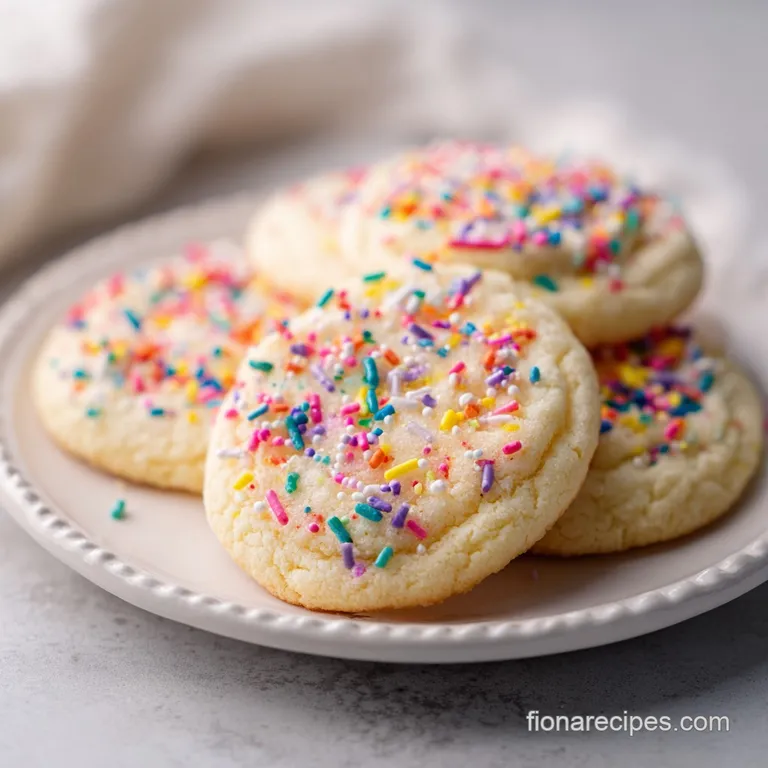
Following these steps in order is vital for the chemistry of the dough to work correctly. Don't try to rush the creaming or skip the parchment paper rolling; these small details are what separate a "good" cookie from a "masterclass" one.
- Cream the butter and sugar. In a stand mixer with a paddle attachment, combine the 227g of cool butter and 200g of granulated sugar. Beat on medium speed for 2 minutes until a pale, cohesive paste forms. Note: Stop before it becomes fluffy; we want density, not air.
- Incorporate the wet ingredients. Add the cold egg, 1.5 tsp vanilla, and 0.5 tsp almond extract. Mix until just combined and no streaks remain.
- Mix the dry base. Whisk the 375g of flour and 0.5 tsp salt in a separate bowl.
- Combine the mixtures. Gradually add the dry ingredients to the wet mixture on low speed. Stop immediately when the flour streaks disappear and the dough looks shaggy.
- Roll the dough. Place the shaggy dough between two sheets of parchment paper and roll to 1/4 inch (6mm) thickness. Note: Rolling now is easier than trying to roll cold dough later.
- Flash chill the sheets. Place the rolled dough sheets in the freezer or refrigerator for 15 minutes until firm to the touch.
- Cut the shapes. Peel off the top parchment, cut into desired shapes, and move to a parchment lined baking sheet.
- Bake the batch. Bake at 180°C for 10 minutes until the edges are set but the tops stay pale.
- Cool thoroughly. Let the cookies sit on the hot sheet for 5 minutes before moving to a wire rack.
- Apply the glaze. Whisk 240g powdered sugar, 2.5 tbsp milk, and 1 tbsp light corn syrup. Dip or drizzle until the surface is smooth and glossy.
If you enjoy the process of rolling and cutting dough but want a different flavor profile, you might enjoy making an Italian Lemon Cookies batch which uses a similar rolling technique but with a zesty citrus finish.
Troubleshooting For A Flawless Batch
Even with a foolproof sugar cookies recipe, the environment in your kitchen can change things. Humidity, the age of your flour, or an oven that runs hot can all impact the final product.
Why Your Cookies Spread
This usually happens because the butter was too warm before the cookies hit the oven. If your kitchen is hot, the 15 minute flash chill might need to be extended. Another culprit is over creaming the butter and sugar, which traps too much air that expands and then collapses during baking.
Why Your Dough Is Crumbly
If the dough won't come together into a shaggy mass, you may have over measured the flour. Always use the "spoon and level" method rather than scooping directly from the bag. A dry dough can often be fixed by adding a teaspoon of cold milk, one at a time, until it holds together.
| Problem | Root Cause | Solution |
|---|---|---|
| Tough Texture | Over mixing the flour | Stop mixing the second the flour disappears |
| Browned Bottoms | Thin baking sheets | Use heavy gauge pans or double stack them |
| Bubbles on Surface | Too much air whipped in | Tap the pan on the counter before baking |
Common Mistakes Checklist
- ✓ Use slightly cool butter, not greasy room temperature butter.
- ✓ Ensure the egg is cold to help keep the dough temperature down.
- ✓ Roll the dough before chilling to avoid cracking and frustration.
- ✓ Use parchment paper instead of greasing the pan to prevent spread.
- ✓ Don't over bake; the cookies should still look pale when you pull them out.
Creative Flavor Adjustments For Variety
Once you have mastered the base sugar cookies recipe, you can start playing with the aromatics and additions to suit different occasions. The structural integrity of this dough allows for several modifications without ruining the bake.
- Citrus Zest Rounds: Add the zest of one lemon or orange to the butter and sugar during the creaming stage for a bright, fresh note.
- Warm Spice Blend: Substitute the almond extract with 1 tsp of cinnamon and a pinch of nutmeg for a cozy, autumnal feel.
- Chocolate Chip Variation: If you prefer a bit of texture, fold in 1/2 cup of mini chocolate chips at the very end. However, if you really want that classic soft texture, check out this Chocolate Chip Cookies Recipe instead.
- gluten-free Swap: Use a high-quality 1 to-1 flour blend. Note: The dough may require an extra 10 minutes of resting to allow the rice flours to hydrate.
| Feature | Fresh From Scratch | store-bought Dough |
|---|---|---|
| Flavor | Rich butter and almond | Sweet with chemical aftertaste |
| Texture | Snap crisp and tender | Often greasy or excessively chewy |
| Customization | Infinite (extracts/spices) | Limited to what is in the tube |
Preserving Texture And Flavor Integrity
To keep your sugar cookies recipe tasting fresh, storage is key. Because these cookies have a relatively low moisture content, they can become stale if left exposed to the air.
Storage: Keep baked and cooled cookies in an airtight container at room temperature for up to 5 days. If you have already glazed them, place sheets of parchment paper between the layers to prevent the icing from sticking or softening.
Freezing: You can freeze the unbaked dough discs for up to 3 months. Just thaw in the fridge overnight before rolling. Baked (unglazed) cookies also freeze beautifully; just wrap them tightly in plastic wrap and store in a freezer bag.
Zero Waste Tip: Don't throw away the scraps after cutting your shapes! Ball them up, re roll, and cut more cookies. If the dough gets too soft, just pop it back in the freezer for 5 minutes. Any tiny leftover bits can be baked off as "test cookies" for the chef to snack on!
Strategic Pairings For Sweet Occasions
These cookies are versatile enough to stand alone, but they truly shine when part of a larger dessert spread. Because they have a clean, buttery profile, they act as a great palate cleanser between richer, more intense desserts like dark chocolate cakes or fruit tarts.
For a classic pairing, serve these with a cold glass of whole milk or a hot cup of Earl Grey tea. The bergamot in the tea highlights the almond extract in the cookies beautifully. If you are serving these at a party, they look stunning next to a bowl of fresh berries or a lemon curd dip.
If you are looking to build a full cookie platter for a holiday or event, I suggest pairing this sugar cookies recipe with something texturally different. A batch of White Chocolate Cranberry Cookies provides a chewy, tart contrast that rounds out the selection perfectly.
Debunking Common Baking Misconceptions
There are several myths about this style of cookie that lead bakers astray. One major one is that you must chill the dough for hours before rolling. In reality, chilling a solid block of dough makes it incredibly difficult to roll out evenly, often leading to cracked edges.
By rolling the dough while it is still pliable and then flash chilling, you get much more consistent results.
Another misconception is that more sugar equals a better cookie. In this recipe, the sugar isn't just for sweetness; it is a structural component. If you reduce it too much, the cookie will lose its "snap" and become more cake like.
The ratio we use here is scientifically balanced to provide enough sweetness to compliment the butter while ensuring the cookie stays crisp and firm. Finally, don't worry if the tops don't brown; a perfectly baked sugar cookie should remain pale to stay tender.
Recipe FAQs
What is the secret to a good sugar cookie?
Maintain temperature control. Using slightly cool butter and a cold egg ensures the dough holds its shape and prevents excessive spreading during the 10-minute bake.
What are the ingredients for sugar cookies?
Use these specific ratios: 1 cup unsalted butter, 1 cup granulated sugar, 1 large egg, 1.5 tsp vanilla, 0.5 tsp almond extract, 3 cups all-purpose flour, and 0.5 tsp fine sea salt.
What are common mistakes when making sugar cookies?
Avoid over aerating your butter and sugar. If you whip too much air into the mixture during the initial 2-minute beat, the cookies will puff and lose their sharp edges in the oven.
What is the 321 cookie rule?
Follow a three part flour, two-part fat, one-part sugar ratio. If you enjoyed mastering this specific fat-to-flour balance for precise texture, you can apply similar structural principles to our buttermilk blueberry scones.
Is it true I should let the dough warm up before cutting?
No, this is a common misconception. You must keep the dough firm by flash chilling it for 15 minutes, as room temperature dough will stick to cutters and distort your shapes.
How to ensure the cookies stay pale while baking?
Remove the tray as soon as the edges are set. Since the tops should remain pale, watch for the 10-minute mark and pull them from the oven immediately to prevent browning.
How to achieve a smooth glaze finish?
Whisk the powdered sugar, milk, and corn syrup until completely clump free. Wait until the cookies are cooled completely before dipping, otherwise the heat will melt your glaze and prevent it from setting properly.
Classic Butter Sugar Cookies
Ingredients:
Instructions:
Nutrition Facts:
| Calories | 203 kcal |
|---|---|
| Protein | 2.0 g |
| Fat | 8.1 g |
| Carbs | 31.1 g |
| Fiber | 0.4 g |
| Sugar | 19.3 g |
| Sodium | 51 mg |
