Restaurant Quality Crispy Rice
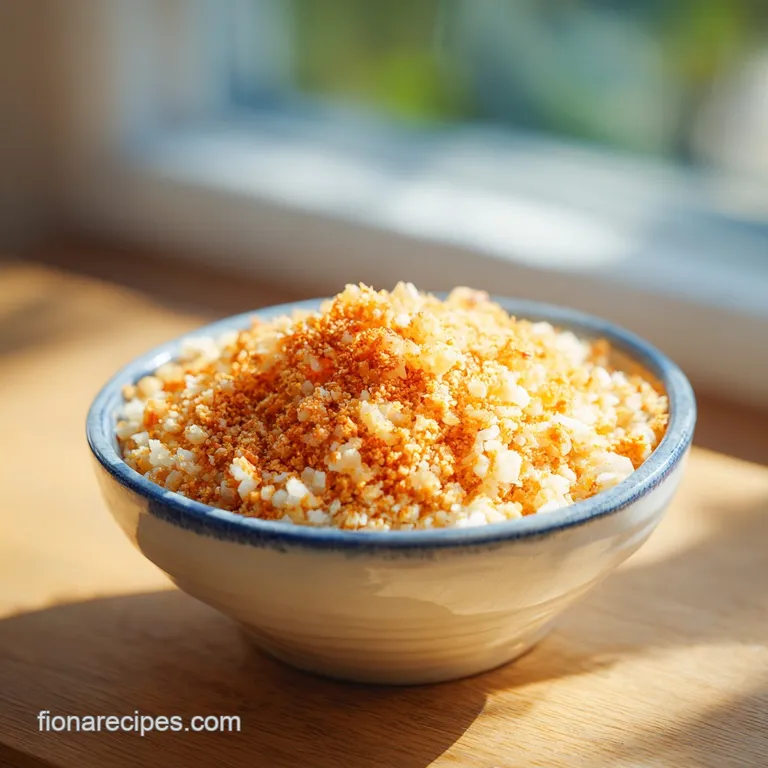
- Time: Active 10 minutes, Passive 20 minutes, Total 30 minutes
- Flavor/Texture Hook: Shatter crisp golden crust with a spicy, velvety tuna finish
- Perfect for: Impressive date nights, upscale appetizers, or a fancy weekend lunch
- Master the Golden Crunch of Crispy Rice
- The Physics of Starch Gelatinization
- Planning Your Perfect Prep Flow
- The Component Analysis of Elements
- Tools for Achieving Shatter Texture
- Step by Step Cooking Guide
- Solving Common Texture Issues Quickly
- Plant Based and Dietary Tweaks
- Scaling for Large Gatherings
- Debunking Kitchen Myths
- Storage and Leftover Rice Ideas
- Creative Plating and Serving Ideas
- Recipe FAQs
- 📝 Recipe Card
Master the Golden Crunch of Crispy Rice
The first time I heard that specific sizzle when cold rice hits a shimmering layer of hot oil, I knew I was in trouble. I used to think that the Crispy Rice you get at high end sushi spots required some kind of industrial deep fryer or a secret chef’s handshake.
I spent way too many Friday nights trying to fry loose grains of leftover white rice, only to end up with a greasy, chewy pile of disappointment that stuck to my pan like it was personal.
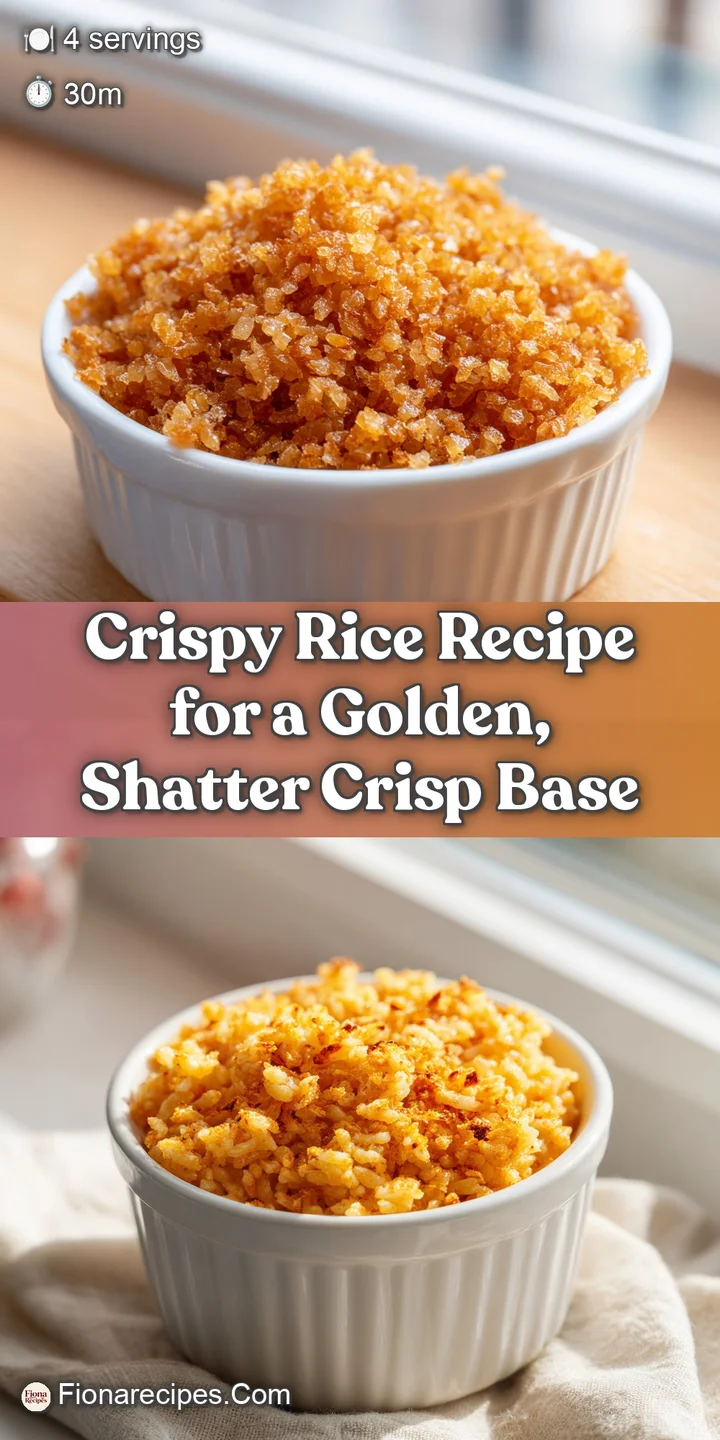
But then I learned the secret: it is all about the compression and the chill. You cannot just use any rice, and you definitely cannot skip the fridge time. When you finally nail that perfect mahogany crust the kind that makes a literal "crack" sound when you bite into it it feels like a massive kitchen win.
We are talking about a texture that is nearly translucent on the edges and soft like a cloud in the very center.
Today, I am walking you through exactly how I stopped making those mistakes. We are going to use short grain sushi rice to create a sturdy foundation that actually holds its shape in the pan. We'll top it with a spicy tuna mix that hits every single taste bud.
Trust me on this, once you hear that first crunch, there is no going back to regular sushi rolls.
The Physics of Starch Gelatinization
Retrogradation: Chilling the cooked rice allows the starch molecules to realign into a firm, crystalline structure. This "setting" process is what prevents the rice squares from falling apart when they hit the hot oil.
Dehydration: A cold fridge environment pulls surface moisture from the rice block, ensuring the heat of the pan goes toward creating a golden crust rather than steaming the grain.
| Method | Time | Texture | Best For |
|---|---|---|---|
| Stovetop Pan Fry | 8 mins | Deeply golden, very crunchy | Authentic restaurant style |
| Air Fryer | 12 mins | Evenly crisp, less oily | Healthier weeknight snack |
| Deep Fry | 4 mins | Uniformly bubbly, airy | Maximum party "wow" factor |
Choosing the right method depends on how much oil you want to use, but for that true Bobby Flay style, the stovetop pan fry is my absolute favorite. It gives you those slightly irregular, dark gold edges that hold onto the spicy mayo perfectly.
Planning Your Perfect Prep Flow
Getting the timing right is the difference between a relaxing evening and a frantic mess. If you are serving this for a crowd, maybe alongside my Asian Meatballs Crockpot recipe, you'll want to have the rice block ready before guests arrive.
1. Preparation Phase (Morning or Day Before)
Rinse your 2 cups short grain sushi rice until the water runs clear. This removes excess surface starch that makes rice gummy. Cook it with 2 1/4 cups water, then immediately fold in the rice vinegar, sugar, and salt. While it is still warm, press it into a parchment lined rectangular pan.
It needs to be about 3/4 inch thick.
2. The Chilling Phase (Passive Time)
Slide that pan into the fridge. You need at least 2 hours, but honestly, overnight is better. The rice needs to be cold and solid. If you try to cut it while it is lukewarm, it will crumble and break your heart.
3. The Execution Phase (30 Minutes Before Serving)
Cut the rice into even rectangles. Dice your 0.5 lb sushi grade tuna finely and whisk it with the Kewpie, sriracha, and soy sauce. Fry the rice in batches so you don't crowd the pan. Assemble just before serving to keep that crunch alive.
The Component Analysis of Elements
| Ingredient | Science Role | Pro Secret |
|---|---|---|
| Sushi Rice | High amylopectin for stickiness | Use short grain only; long grain won't bind. |
| Rice Vinegar | Denatures proteins, adds brightness | Season while rice is hot to absorb flavor. |
| Neutral Oil | High smoke point for searing | Grapeseed oil provides the cleanest flavor. |
| Kewpie Mayo | Emulsified fat for creamy topping | Contains MSG for that signature savory "umami" pop. |
The rice is the star here, but the quality of your tuna matters just as much. Since we aren't cooking the fish, make sure you are getting actual sushi grade protein from a reputable source. If you have extra rice left over from other meals, like a Vegetable Stir Fry recipe, you can sometimes repurpose it, but for this specific dish, fresh cooked sushi rice pressed into a block works best.
Tools for Achieving Shatter Texture
You don't need a professional kitchen, but a few specific items make this much easier. A heavy bottomed skillet, preferably cast iron or high-quality stainless steel, is non negotiable for even heat distribution. If your pan has "hot spots," your rice will burn in one corner and stay soggy in the other.
Chef's Tip: Freeze your butter for 10 minutes before grating it if you're making a pastry, but for this rice? Freeze the rice block for 15 minutes right before slicing. It makes the edges incredibly sharp and prevents sticking.
You will also want a very sharp knife. Wet the blade with a little water or a wipe of oil before every single cut. This prevents the sticky rice from clinging to the metal and tearing the block. A small offset spatula is also brilliant for flipping the squares without splashing hot oil everywhere.
step-by-step Cooking Guide
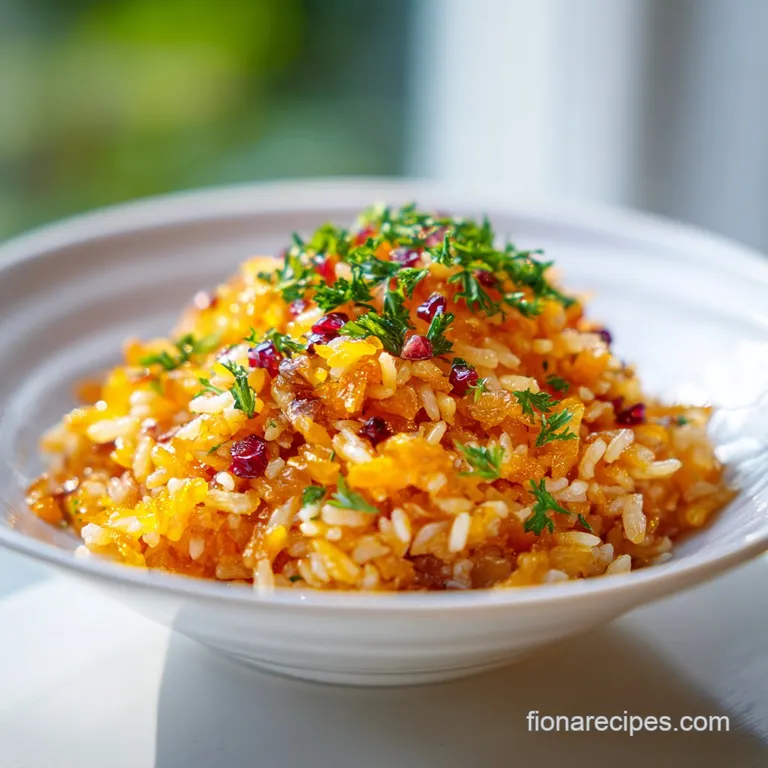
Rinse and cook. Place 2 cups short grain sushi rice and 2 1/4 cups water in a rice cooker or pot. Cook until tender and water is absorbed.Note: Using slightly less water than usual prevents the rice from becoming mushy.
Season the grains. While hot, gently fold in 3 tbsp rice vinegar, 1 tbsp sugar, and 1 tsp kosher salt. Mix until the rice looks glossy.Note: Be careful not to smash the grains; use a folding motion.
Press and set. Line an 8x8 pan with parchment paper. Press the rice firmly into an even layer. Ensure there are no air pockets.
Chill thoroughly. Refrigerate for at least 2 hours. The block should feel hard to the touch.
Slice with precision. Turn the block onto a cutting board. Cut into 16 rectangles using a wet, sharp knife. Keep the edges clean.
Prepare the topping. Finely dice 0.5 lb sushi grade tuna. In a bowl, combine with 2 tbsp Kewpie mayonnaise, 1 tsp sriracha, and 1 tsp soy sauce. Stir until velvety and pink.
Heat the skillet. Add 3 tbsp neutral oil and 1 tsp toasted sesame oil to a pan over medium high heat. Wait until the oil shimmers.
Fry the rice. Place rice squares in the pan. Cook for 3-4 minutes per side.Note: Do not move them until a crust has formed, or they will stick.
Drain and cool. Remove to a wire rack or paper towel. The rice should look deep mahogany and feel stiff.
Assemble and garnish. Spoon a dollop of the tuna mixture onto each square. Serve immediately while the base is hot and the top is cold.
Solving Common Texture Issues Quickly
If your rice is sticking to the pan, the most likely culprit is either a lack of oil or moving the rice too early. Patience is everything. The rice will naturally release from the pan once that golden crust has formed. If you try to force it, you'll leave half the rice behind.
Why Your Rice Falls Apart
If the squares crumble the moment they hit the oil, your rice wasn't pressed hard enough or didn't chill long enough. The starch needs time to bind everything together. Think of it like a brick it needs to be solid before you build with it.
| Problem | Root Cause | Solution |
|---|---|---|
| Rice is soggy | Too much water during cooking | Use a 1:1.1 ratio of rice to water next time. |
| No golden color | Heat is too low | Increase to medium high; the oil must shimmer. |
| Oily/Greasy rice | Oil wasn't hot enough | Wait until a test grain of rice sizzles instantly. |
Common Mistakes Checklist
- ✓ Never use long grain rice like Basmati (it won't stick together).
- ✓ Do not skip the sugar in the seasoning (it helps with the browning).
- ✓ Avoid overcrowding the pan; work in two batches if necessary.
- ✓ Pat the rice block dry with a paper towel if it looks damp before frying.
- ✓ Ensure the tuna is kept chilled until the very last second.
Plant Based and Dietary Tweaks
If you aren't a fan of raw fish, or if you're looking for a meat free option, you can still enjoy the glory of Crispy Rice. I've often served this with a spicy avocado mash or even a finely diced tomato "spicy tuna" made with blanched, peeled tomatoes.
For a Plant Based Umami Bomb
Swap the tuna for mashed avocado mixed with a little lime and sriracha. Use a vegan mayonnaise instead of Kewpie. The rice base is already naturally vegan, so you are halfway there! You can also use smoked tofu, crumbled finely, to mimic the texture of the diced fish.
For a gluten-free Feast
The main recipe is almost gluten-free, but you must be careful with the soy sauce. Swap the 1 tsp soy sauce for Tamari or liquid aminos. Also, double check your sriracha and mayo labels, though most are naturally gluten-free.
| Original Ingredient | Substitute | Why It Works |
|---|---|---|
| Sushi grade Tuna | Smoked Salmon | Adds a salty, rich flavor; no raw fish concerns. |
| Kewpie Mayo | Greek Yogurt | Higher protein, tangier flavor. Note: Texture will be less silky. |
| Rice Vinegar | Apple Cider Vinegar | Similar acidity. Note: Adds a slight fruity note. |
Scaling for Large Gatherings
If you are doubling this for a party, the math isn't just "double everything." For the rice, you can double the ingredients exactly, but you will likely need two separate 8x8 pans or one large 9x13 pan.
When frying in large quantities, the oil temperature will drop each time you add a new batch of rice. You must let the oil come back up to temperature (look for that shimmer!) between batches.
For the spicy tuna topping, I find that 1.5x the sriracha and soy sauce is usually enough even if you double the tuna you don't want the salt to overwhelm the delicate fish.
If you are making a massive amount, consider using the air fryer method for half of them to save stovetop space. While they won't be quite as rich as the pan-fried ones, they still provide a great crunch. You can serve these alongside a Chicken Fajita Casserole recipe for a "fusion" buffet that everyone will love.
Debunking Kitchen Myths
"You can use leftover takeout rice." This is a lie. Takeout rice is usually steamed and loose. To get the compression needed for these blocks, you need the moisture and stickiness of freshly cooked, seasoned sushi rice that is then pressed while warm.
"High heat is always better for crispiness." Actually, medium high is the sweet spot. If the heat is too high, the outside of the rice burns before the heat can penetrate and create a sturdy crust. You want a controlled fry that takes about 3-4 minutes per side.
Storage and Leftover Rice Ideas
Storage: The spicy tuna mixture should be eaten immediately and cannot be stored for more than 2-3 hours due to the raw fish. However, the fried rice squares can be stored in an airtight container in the fridge for up to 2 days.
Freezing: You can freeze the unfried rice blocks! Wrap them individually in plastic wrap and freeze for up to 1 month. Thaw in the fridge before frying. I do not recommend freezing the fried squares, as they lose their signature "shatter" texture.
Zero Waste: If you have broken pieces of the rice block that didn't slice perfectly, don't throw them away! Fry them up as "croutons" for a salad or toss them into a soup for a crunchy element. Any leftover spicy mayo can be used as a dip for veggies or spread on a turkey sandwich the next day.
Creative Plating and Serving Ideas
To really make these look like they came from a high end bistro, garnish with a single thin slice of jalapeño and a tiny dot of sriracha on top of the tuna. A sprinkle of toasted black sesame seeds or finely chopped chives adds color and a professional finish.
I like to serve these on a slate board or a long white ceramic platter. If you're hosting a full meal, these work beautifully as a starter for something heartier like a Stuffed Bell Peppers recipe. The contrast between the cold sushi style appetizer and a warm main dish is always a hit.
Another trick is to drizzle a tiny bit of eel sauce (unagi sauce) over the top right before serving. It adds a sweet, syrupy depth that balances the heat of the sriracha perfectly. Just remember: the clock is ticking the moment you put that topping on.
Serve them fast, hear that crunch, and enjoy the best version of home cooked sushi you've ever had!
Recipe FAQs
How do I make crispy rice like Bobby Flay?
Press cooked sushi rice firmly into a shallow pan. After seasoning it with vinegar and sugar while warm, chill the block completely for at least two hours. The cold, dense rice is what allows it to crisp perfectly when pan-fried in shimmering oil.
What are the allegations against Bobby Flay regarding crispy rice?
No significant culinary allegations exist specifically about his crispy rice technique. The claims usually revolve around perceived repetitive menu choices or appropriation in broader Southwestern cuisine, not technical failures in specific recipes like this one.
Why does Bobby Flay always make crispy rice?
He favors it because it showcases textural contrast effectively. Crispy rice is a perfect vehicle for combining hot, crunchy, fatty elements with cool, creamy toppings, which aligns with complex flavor profiles he often explores.
Why does Bobby Flay not wash his rice?
False, he explicitly recommends rinsing the rice thoroughly. The instruction is to wash short grain sushi rice until the water runs clear to remove excess surface starch, preventing a gummy texture before cooking.
What oil temperature is required for the perfect shatter?
The oil must be medium high and shimmering before adding the rice. If the oil isn't hot enough, the rice will soak up the fat instead of crisping instantly, resulting in a greasy texture instead of a shatter.
Can I use leftover white rice to make crispy rice blocks?
No, using short grain sushi rice freshly cooked is strongly recommended. Leftover grains often lack the necessary binding starch needed to hold the tight, cold block structure required for this technique; mastering the starch control here is key, similar to what is needed for a good Chuck Roast Tacos Recipe.
How long must the rice chill before cutting and frying?
Chill for a minimum of two hours, but overnight provides superior results. This passive chilling time allows the starches to fully retrograde and firm up, ensuring the individual squares remain intact when they hit the hot skillet.
Bobby Flay Crispy Rice
Ingredients:
Instructions:
Nutrition Facts:
| Calories | 607 kcal |
|---|---|
| Protein | 20.8 g |
| Fat | 18.8 g |
| Carbs | 84.3 g |
| Fiber | 1.2 g |
| Sugar | 3.1 g |
| Sodium | 685 mg |
