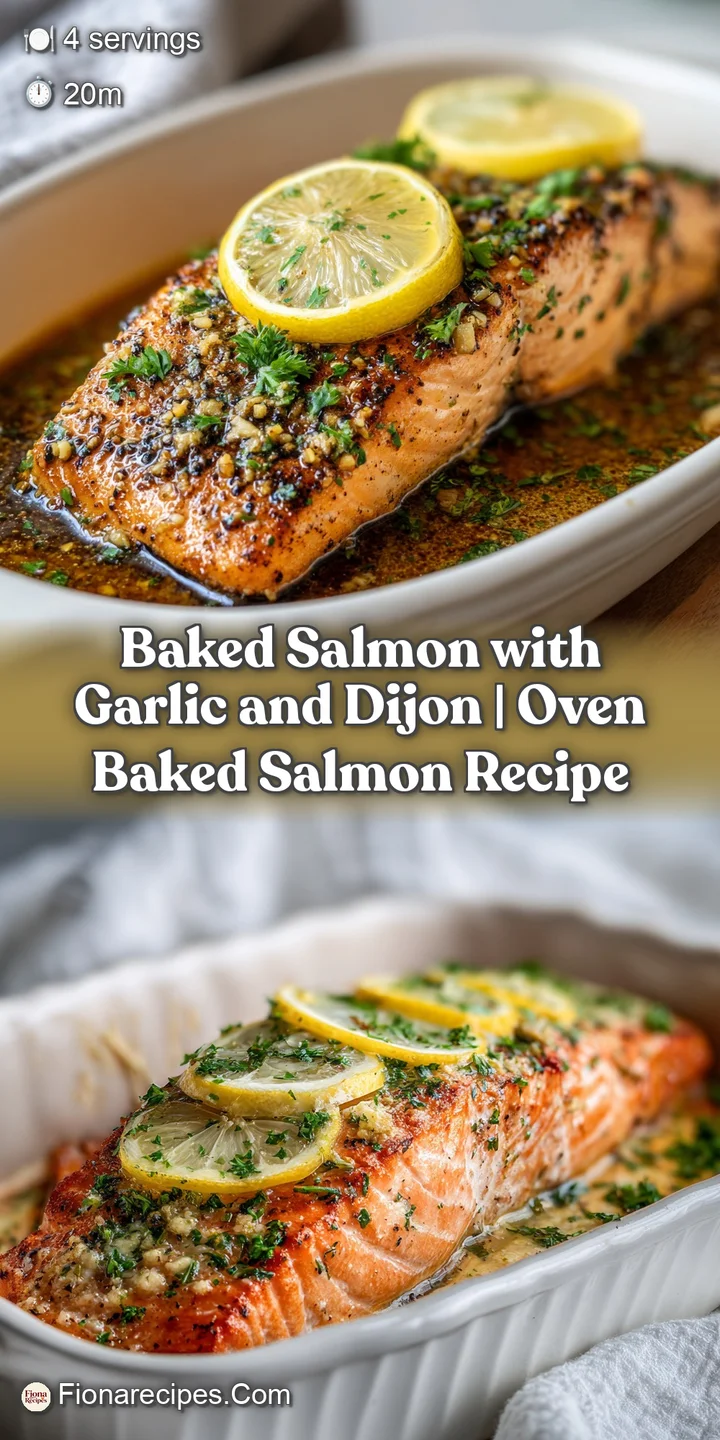
Baked Salmon with Garlic and Dijon: Flaky and Tender
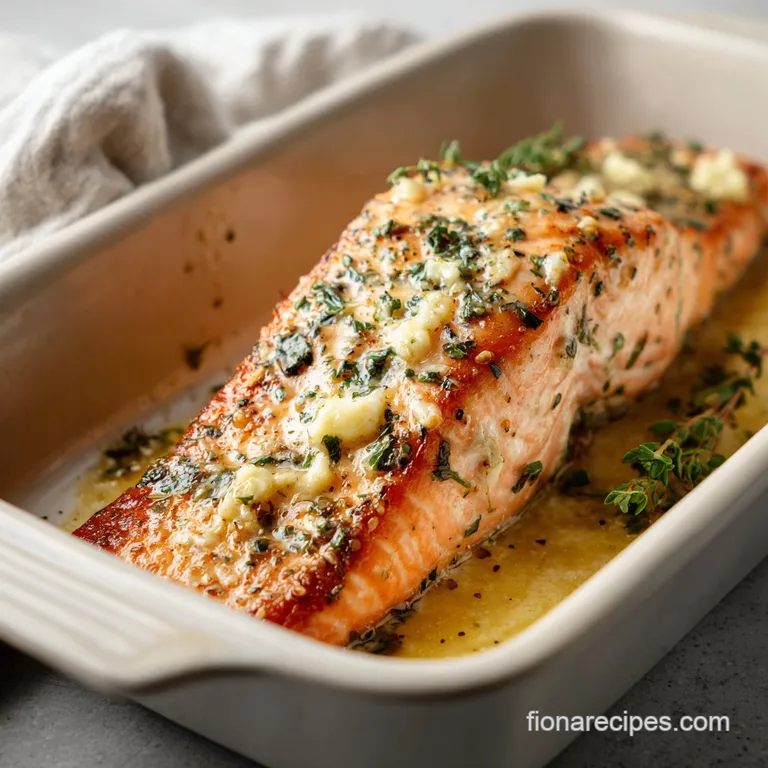
- Time: Active 5 minutes, Passive 15 minutes, Total 20 minutes
- Flavor/Texture Hook: Flaky, buttery fish with a zesty, caramelized garlic topping
- Perfect for: Busy weeknight dinners, healthy meal prep, or beginner cooks
- Get Perfect Baked Salmon With Garlic and Dijon
- Why Simple Sheet Pan Salmon Stays So Juicy
- Timing and Temperature for Flawless Flaky Results
- Selecting Fresh Ingredients for Your Family Dinner
- Essential Minimal Tools for a Quick Kitchen Cleanup
- Step By Step Guide to This Weeknight Win
- Solving Common Problems for Flawless Fish Results
- Creative Variations for Your Garlic Dijon Dinner
- Proper Storage and Zero Waste Leftover Hacks
- Flavorful Sides to Complete Your Family Meal
- Very High in Sodium
- Recipe FAQs
- 📝 Recipe Card
Get Perfect Baked Salmon With Garlic and Dijon
The first time I really got this recipe right, it was a Tuesday evening and the house felt like a total circus. I had kids asking for help with homework, a mountain of laundry on the couch, and exactly zero energy for a multi pan meal.
I remember pulling the tray out of the oven and that sharp, vinegary aroma of Dijon hitting the air, mixed with the sweet scent of roasting honey. The sizzle on the baking sheet was so quiet, just a gentle whisper of the butter bubbling around the edges of the fish.
When we sat down, the kids actually stopped talking for a second. That is the ultimate win in our house. They loved the way the sauce became thick and almost jammy, losing that harsh mustard bite and turning into something velvety and rich. I realized then that I didn't need a complicated marinade or hours of prep.
This baked salmon with garlic and dijon relies on the simple magic of high heat and a protective coating to keep things tender. It is the kind of real food that makes you feel like you have your life together, even when the laundry says otherwise.
Since that night, I have made this dozens of times, and I have learned exactly where people usually go wrong. It is usually about the moisture. If the salmon is wet when it goes into the oven, it steams instead of bakes. If the sauce is too thin, it slides off the fish and burns on the tray.
We are going to avoid all of those little traps today. This dish is about comfort and reliability, giving you a restaurant quality main with about five minutes of actual effort.
Why Simple Sheet Pan Salmon Stays So Juicy
Insulation Effect: The thick layer of Dijon mustard acts as a thermal shield, protecting the delicate proteins from direct heat and preventing moisture from escaping.
Acidic Tenderizing: Fresh lemon juice and the vinegar in the mustard slightly break down the surface fibers, allowing the seasonings to penetrate deeper than a simple dry rub.
Sugar Caramelization: The honey doesn't just add sweetness, it creates a sticky matrix that holds the garlic in place so it roasts without burning.
Fat Emulsification: Whisking the melted butter into the mustard creates a stable emulsion that clings to the fish rather than pooling at the bottom of the pan.
| Thickness of Fillet | Internal Temperature | Rest Time | Visual Cue |
|---|---|---|---|
| 1/2 inch (1.3 cm) | 135°F (57°C) | 2 minutes | Opaque throughout, flakes easily |
| 1 inch (2.5 cm) | 135°F (57°C) | 3 minutes | Center is barely translucent |
| 1.5 inches (3.8 cm) | 135°F (57°C) | 5 minutes | Flesh separates at the thickest part |
Choosing the right thickness of fish is the biggest factor in your success. I usually aim for center cut fillets because they have a more uniform thickness, which means you don't end up with a dry tail and a raw center.
If you are cooking for a crowd, try to buy fillets that are roughly the same size so they all finish at the same time.
Timing and Temperature for Flawless Flaky Results
| Component | Science Role | Pro Secret |
|---|---|---|
| Dijon Mustard | Emulsifier and Shield | Use "creamy" Dijon rather than "grainy" for better coverage and insulation. |
| Honey | Hygroscopic Sweetener | It attracts moisture and helps the garlic stick to the fish during the over high heat blast. |
| Garlic | Aromatic Compound | Mince it very fine so it melts into the sauce rather than staying crunchy or bitter. |
| Melted Butter | Lipid Barrier | Provides a rich mouthfeel and helps the exterior brown without drying out the flesh. |
The relationship between the mustard and the honey is what makes this baked salmon with garlic and dijon so special. The mustard provides the structure, while the honey provides the "glue." Without the honey, the mustard can sometimes dry into a crust that's a bit too chalky.
With it, you get a sauce that stays glossy and moist even after 15 minutes in a 400°F (200°C) oven.
Selecting Fresh Ingredients for Your Family Dinner
For this recipe, we are keeping the list short and sweet. You probably have most of these in your pantry already, which is exactly why I love it for weeknights.
- 1.5 lbs salmon fillet: Look for center cut, skin on. Why this? The skin acts as a second heat shield from the bottom of the pan.
- 1 tsp kosher salt: Essential for drawing out the natural flavors of the fish.
- 0.5 tsp cracked black pepper: Adds a subtle heat that cuts through the fatty salmon.
- 3 tbsp Dijon mustard: Provides the tangy base for our protective glaze.
- 3 cloves garlic, minced: Fresh is non negotiable here for the best aroma.
- 1 tbsp unsalted butter, melted: Adds richness and helps with even browning.
- 1 tbsp honey: Balances the acidity and creates that beautiful caramelized finish.
- 1 tbsp fresh lemon juice: Brightens the heavy fats and wakes up the palate.
- 1 tsp fresh parsley: For a pop of color and a fresh, herbaceous finish.
If you find yourself out of some of these, don't panic. You can swap the honey for maple syrup for a more autumnal vibe, or use lime juice instead of lemon if you are feeling a bit more tropical. If you happen to have extra fresh herbs, you could even try my Garlic Butter Baked Chicken later in the week using a similar profile.
| Original Ingredient | Substitute | Why It Works |
|---|---|---|
| Dijon Mustard | Stone Ground Mustard | Similar acidity but adds a coarser, rustic texture to the crust. |
| Honey | Maple Syrup | Provides sweetness and stickiness. Note: Adds a distinct woody flavor. |
| Butter | Extra Virgin Olive Oil | Provides fat and moisture. Note: Result will be less "creamy" and more "peppery." |
When choosing your salmon, I always tell my friends to look for flesh that is firm to the touch and doesn't have any dark "bruising" or a fishy smell. It should smell like the ocean, clean and fresh. If you are using frozen salmon, make sure it is completely thawed and, more importantly, patted bone dry.
Frozen fish holds onto a lot of extra water, and that water is the enemy of a good crust.
Essential Minimal Tools for a Quick Kitchen Cleanup
One of the reasons this is my go to "I'm exhausted" meal is because it requires almost no cleanup. You don't need a fancy fish poacher or a heavy cast iron skillet. A simple rimmed baking sheet is your best friend here.
I prefer aluminum because it conducts heat quickly and evenly, ensuring the bottom of the fish cooks at the same rate as the top.
You'll also want a small mixing bowl to whisk your glaze. I use a fork if I can't find my mini whisk, and it works just as well. The goal is to get the butter, mustard, and honey to play nice together until they look like a thick, pale yellow cream.
If you see the butter separating, just keep whisking for another thirty seconds. It will eventually come together into a beautiful emulsion that looks like high end sandwich spread.
step-by-step Guide to This Weeknight Win
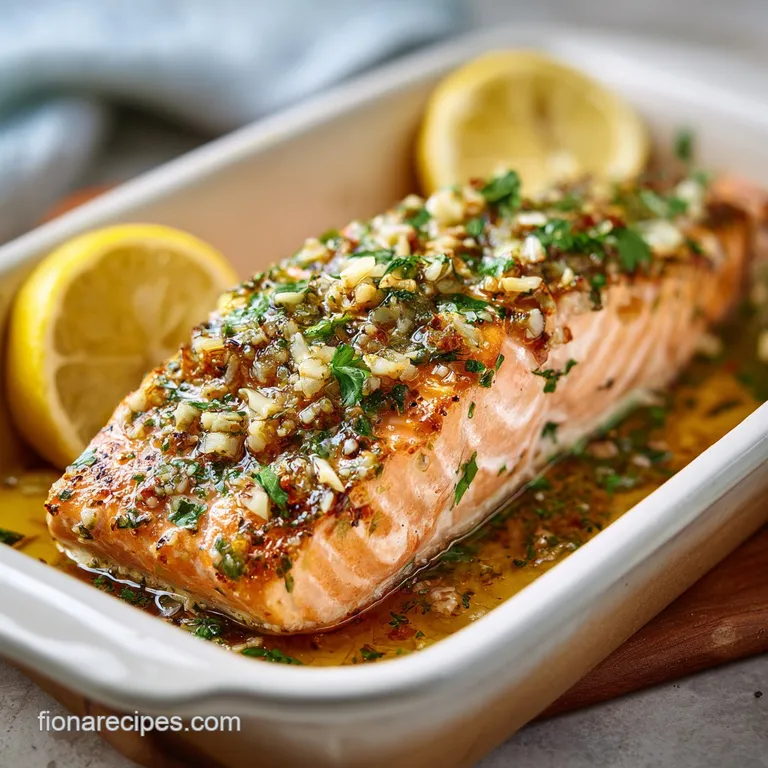
- Preheat your oven to 400°F (200°C). Line a large rimmed baking sheet with parchment paper or aluminum foil. Note: This prevents the honey from burning onto your pan.
- Pat the 1.5 lbs salmon fillet completely dry with paper towels on both sides. Note: Dry skin is the secret to a fillet that doesn't stick.
- Season the surface of the fish evenly with 1 tsp kosher salt and 0.5 tsp cracked black pepper.
- In your small mixing bowl, whisk together the 3 tbsp Dijon mustard, 3 cloves minced garlic, 1 tbsp melted butter, 1 tbsp honey, and 1 tbsp lemon juice until the mixture is thick and pale.
- Place the salmon on the prepared baking sheet, skin side down.
- Spread the garlic dijon glaze generously over the top and the sides of the fillet. Make sure it's a thick, even layer.
- Bake for 12–15 minutes until the glaze is bubbling and the fish is opaque.
- Check for doneness using a fork; the flesh should flake easily at the thickest part.
- Remove from the oven and let the fish rest for 2-3 minutes until the juices settle and it reaches its final temperature.
- Garnish with the 1 tsp fresh parsley and serve immediately.
Watching the salmon in the oven is actually quite satisfying. Around the 10 minute mark, you'll start to see the edges of the glaze beginning to darken and caramelize. That is exactly what you want.
If you pull it out too early, the garlic might still have a bit too much of a raw "bite." If you wait too long, the salmon will start to push out that white protein (called albumin), which is a sign it's getting overcooked.
Solving Common Problems for Flawless Fish Results
Why Your Salmon is Leaking White Liquid
That white stuff is called albumin. It is a perfectly safe protein that gets pushed out of the muscle fibers as they contract. If you see a lot of it, it usually means the oven was too hot or you left the fish in too long.
The fibers have squeezed so tight that they've pushed the moisture and protein out to the surface.
| Problem | Root Cause | Solution |
|---|---|---|
| Glaze slid off fish | Fish was too wet | Pat the salmon extremely dry with paper towels before seasoning. |
| Fish is dry/tough | Overcooked | Use a meat thermometer and pull the fish at 135°F (57°C). |
| Garlic is burnt | Honey/Butter separated | Whisk the glaze longer to ensure the fats are fully emulsified. |
If you are worried about side dishes while the salmon is in the oven, remember that timing is everything. While this bakes for 15 minutes, you can easily whip up a side. It pairs beautifully with my Greek Roasted Potatoes recipe, though those take a bit longer, so start them first!
Common Mistakes to Avoid:
- ✓ Forgetting to pat the fish dry (this leads to a "steamed" soggy texture)
- ✓ Using "Honey Dijon" instead of mixing your own (store-bought is often too thin and sweet)
- ✓ Skipping the resting period (the internal temp rises about 10 degrees after it leaves the oven)
- ✓ Crowding the pan with too many veggies (this creates steam and prevents the glaze from setting)
Creative Variations for Your Garlic Dijon Dinner
If you want to change things up, this baked salmon with garlic and dijon is incredibly versatile. I sometimes add a tablespoon of prepared horseradish to the glaze if I want a real sinus clearing kick. It’s brilliant for cold winter nights.
For a bit of crunch, you can press a handful of Panko breadcrumbs or crushed pecans into the top of the glaze before it goes into the oven. The mustard acts as a perfect glue for the topping.
For a low carb version, simply swap the honey for a keto friendly sweetener or leave it out entirely and add an extra tablespoon of butter. The result will be more savory and sharp, but still absolutely delicious. If you are dairy-free, use a high-quality olive oil or avocado oil in place of the butter.
The flavor profile changes slightly becoming more fruity and less creamy but it still hits all the right notes.
| Feature | Fresh Fillet | Shortcut (Frozen) |
|---|---|---|
| Texture | Very tender and buttery | Slightly firmer, more "meaty" |
| Prep Step | Use immediately | Must thaw 24 hours in fridge |
| Flavor | Mild, clean ocean taste | Can be slightly more "fishy" if not high-quality |
Proper Storage and Zero Waste Leftover Hacks
If you find yourself with leftovers, you are in luck. Cooked salmon is actually one of my favorite things to have in the fridge for lunch the next day. It stays good for up to 3 days if kept in an airtight glass container.
I don't recommend reheating it in the microwave if you can avoid it, as it tends to make the fish rubbery. Instead, flake the cold salmon over a salad or use it to make a quick salmon salad sandwich with a little bit of mayo and celery.
To reduce waste, don't throw away those salmon skins! If they aren't crispy enough for your liking, you can peel them off and fry them in a pan with a little oil for a minute until they turn into "salmon bacon." It is a salty, crispy treat that my kids absolutely love.
Also, if you have leftover glaze that didn't touch the raw fish, it makes a fantastic salad dressing for a side of arugula or spinach. Just whisk in a little more olive oil and lemon juice to thin it out.
Flavorful Sides to Complete Your Family Meal
Since this baked salmon with garlic and dijon is quite rich and tangy, I like to serve it with something that can soak up that extra sauce. A simple pile of fluffy quinoa or a bed of jasmine rice is a classic choice.
If you are keeping things light, roasted asparagus or steamed broccoli with a little bit of lemon zest works wonders. The green vegetables provide a nice crunch that contrasts with the flaky fish.
Another great option is a simple cucumber salad with red onions and a light vinaigrette. The coolness of the cucumbers cuts right through the warmth of the garlic and the richness of the butter. Whatever you choose, keep it simple.
The salmon is the star of the show here, and you don't want a side dish that's going to compete for attention. Just remember to pour any of those extra juices from the baking sheet right over the fish before you serve it. That is where all the concentrated flavor lives!
For those who enjoy a bit of heat, a sprinkle of red pepper flakes over the finished dish adds a nice visual pop and a slow burn that complements the honey perfectly. This recipe is really about making your life easier while keeping the quality high.
It's real food for real people, and I hope it becomes a staple in your kitchen just like it has in mine. Trust me, once you master the "insulating glaze" technique, you'll never go back to plain baked fish again.
Very High in Sodium
845 mg 845 mg of sodium per serving (37% 37% of daily value)
The American Heart Association recommends a limit of 2,300mg per day, ideally moving towards 1,500mg for most adults.
Tips to Reduce Sodium
-
Reduce Added Salt-25%
Omit the 1 tsp of kosher salt entirely. Seasoning with pepper and other aromatics can provide plenty of flavor without the sodium.
-
Choose Low-Sodium Mustard-20%
Opt for a low-sodium Dijon mustard. Traditional Dijon mustard can be surprisingly high in sodium. Check labels for the lowest sodium options.
-
Boost Lemon and Garlic-5%
Increase the fresh lemon juice and minced garlic. These ingredients add bright, pungent flavors that can compensate for reduced salt.
-
Embrace Fresh Herbs
Incorporate fresh herbs like dill, parsley, or chives. They add vibrant, complex flavors without adding any sodium.
Recipe FAQs
How to know if the salmon is fully cooked?
Bake until the internal temperature reaches 135°F (57°C) at the thickest part. The flesh should be opaque and flake easily when tested with a fork before you remove it from the oven.
Do I need to remove the skin before baking?
No, keep the skin on during the baking process. The skin acts as a protective barrier between the high heat of the sheet pan and the delicate flesh, helping the fish stay moist.
How to prevent the honey based glaze from burning?
Line your baking sheet with parchment paper or aluminum foil. This creates a non-stick surface that keeps the sugar from the honey from hardening onto the pan, making cleanup much faster.
Why is it necessary to pat the fish dry before applying the glaze?
Removing surface moisture ensures the Dijon and garlic mixture adheres properly to the fillet. If you enjoyed mastering this technique for surface moisture control, you can apply the same principle to our tender meatloaf recipe to ensure your glaze sets perfectly.
How long should the salmon rest after taking it out of the oven?
Rest the fish for 2 to 3 minutes before serving. This allows the internal heat to redistribute and continue cooking the fillet to the final safe temperature of 145°F (63°C).
Can I bake this at a higher temperature to save time?
No, stick to the 400°F (200°C) setting for the best results. This temperature provides enough heat to cook the fish through in 12 15 minutes without causing the honey or garlic to scorch.
Is it true I should wash the salmon under cold water first?
No, this is a common misconception. Washing raw fish can spread bacteria around your sink area, and it is unnecessary since you need the surface to be completely dry to achieve the best texture.
Baked Salmon With Garlic Dijon
Ingredients:
Instructions:
Nutrition Facts:
| Calories | 408 kcal |
|---|---|
| Protein | 34.2 g |
| Fat | 26.4 g |
| Carbs | 5.9 g |
| Fiber | 0.4 g |
| Sugar | 4.6 g |
| Sodium | 845 mg |
